WEBVTT
00:00:28.222 -->
00:00:31.981Executives think their employees are using around thirty-five applications.
00:00:32.382 -->
00:00:34.582The actual number might surprise you.
00:00:35.061 -->
00:00:40.701That visibility gap is at the heart of why AI investment keeps climbing while worker productivity keeps stalling.
00:00:41.042 -->
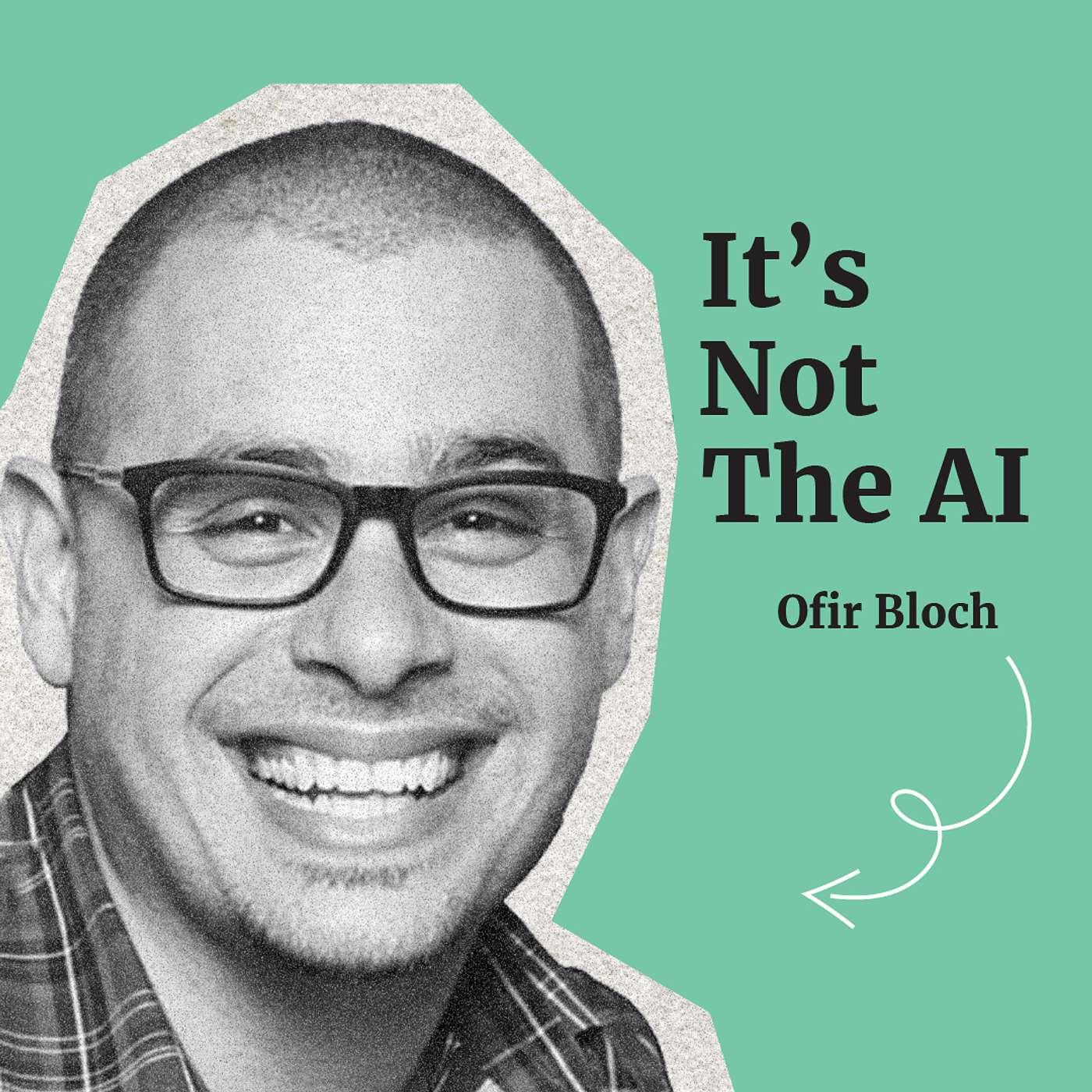
00:00:46.680And Ofir Bloch from WalkMe thinks we're past the point of calling it a temporary adoption curve.
00:00:47.001 -->
00:00:48.201We just need to admit it.
00:00:48.751 -->
00:00:52.492Rolling out tools without redesigning work isn't a strategy.
00:00:53.021 -->
00:01:02.091On today's show, I'm talking with Bloch about WalkMe's State of Digital Adoption Report and what five years of data tells us about where organizations are actually going wrong.
00:01:02.611 -->
00:01:03.441It's not the model.
00:01:03.841 -->
00:01:12.650It's everything around the model: the fragmented systems, the friction, the gap between what executives believe is happening and what employees are actually living through every day.
00:01:13.070 -->
00:01:16.891Organizations doing well with this right now aren't the ones with the most advanced AI.
00:01:17.292 -->
00:01:19.430They're reducing friction the fastest.
00:01:19.671 -->
00:01:33.411Workers with contextual in-the-flow support are nearly four times more likely to report full confidence in their work, not because they got better training, because the help arrived the moment that they needed it, not six weeks before.
00:01:33.831 -->
00:01:50.852So today we're covering why the thirty-five versus hundreds of applications gap explains the executive-employee disconnect, why traditional training can't keep up with real-time change, the difference between using a tool and actually utilizing it, and why orchestration matters more than model sophistication right now.
00:01:51.310 -->
00:01:52.120I'm David Rice.
00:01:52.200 -->
00:01:53.530This is People Managing People.
00:01:53.560 -->
00:01:59.980And if your organization is still measuring AI success by license usage, this conversation shows you what you're actually missing.
00:02:00.320 -->
00:02:01.170So let's get into it.
00:02:02.343 -->
00:02:03.213Ofir, welcome.
00:02:03.213 -->
00:02:04.114It's nice to have you.
00:02:04.493 -->
00:02:05.153Thank you, David.
00:02:05.153 -->
00:02:06.024It's good to be here.
00:02:06.334 -->
00:02:19.173Where I wanted to start the conversation today was sort of around one of the biggest tensions in the report that you all put out, and that's that AI investment keeps accelerating while worker productivity and experience seem to sort of be getting worse.
00:02:19.903 -->
00:02:31.212And I'm, I'm curious to know, at what point do we sort of stop treating this as a temporary adoption curve and maybe just admit that there's something fundamentally flawed in how we're implementing AI?
00:02:31.603 -->
00:02:34.763Well, honestly, I think we're already past that point.
00:02:35.182 -->
00:02:36.972You know, to your point, we just need to admit it.
00:02:36.983 -->
00:02:40.722We just need to name the, the problem now and start facing it.
00:02:40.722 -->
00:02:42.832So look, you know, we see the numbers.
00:02:43.203 -->
00:02:53.763We see companies are investing more and more money in, in technology and now in, in all this AI hype, of course, and it's reaching, you know, record amounts, fifty-four million dollars last year.
00:02:54.152 -->
00:02:58.932But as you know, the investments aren't really yielding the, the results that we expect it to.
00:02:58.932 -->
00:03:00.692So we have a problem.
00:03:00.722 -->
00:03:01.962There's the data to back it up.
00:03:01.962 -->
00:03:06.073Our report surfaces a lot of those points, and I'm happy to be here today to talk about those points.
00:03:06.323 -->
00:03:12.893It feels like we just assume AI's gonna naturally create productivity simply by existing.
00:03:12.962 -->
00:03:25.913I mean, you know, just the fact that it's here, oh, everybody will 10x themselves or… But technology adoption and workflow transformation, they're just two completely different things, and it seems that some companies are mistaking activity for enablement.
00:03:26.204 -->
00:03:30.413You know, roll out the tools without redesigning work and how it actually happens.
00:03:30.864 -->
00:03:34.264Is just leading to this sort of we c-- that's why we can't define ROI.
00:03:34.264 -->
00:03:38.503That's why we can't really put a, our thumb on what to do next.
00:03:38.503 -->
00:03:46.353And I think there's also that sunk cost psychology happening right now, where the more companies spend, the harder it becomes to admit that implementation isn't working.
00:03:46.633 -->
00:03:48.153Yeah, that's absolutely right.
00:03:48.394 -->
00:03:51.014There are many layers and levels to this problem, right?
00:03:51.014 -->
00:03:53.984It's who's responsible for driving behavioral change?
00:03:53.984 -->
00:03:56.713Who's responsible for ensuring adoption of these new tools?
00:03:56.723 -->
00:04:00.174So there's this misconception that if you build it, they will come.
00:04:00.174 -->
00:04:05.084If you roll it out, people will just use it, when in reality, you know, it, it's quite the opposite.
00:04:05.433 -->
00:04:10.933And you know, we're actually seeing that there's this kind of widening productivity gap or adoption gap.
00:04:11.304 -->
00:04:13.743The, the pace of innovation is just mind-blowing, right?
00:04:13.743 -->
00:04:24.824Every day there's a new-- I just heard that Sonnet 5 is coming out tomorrow, and we just, you know, got used to Opus 4.7 with Claude, and every day there's a new model, and each model is better than the other one.
00:04:24.834 -->
00:04:34.924But you know, at the end of the day, when people are just using that to summarize emails or do basic stuff, that's not really utilizing these tools or harnessing the full potential of them.
00:04:34.924 -->
00:04:35.804So, so yeah.
00:04:36.093 -->
00:04:49.454I like the Field of Dreams reference too 'cause if you look at the comment section on any sort of AI content, it's more like the field of screams, but your report shows a massive perception gap between executives and workers, right?
00:04:49.473 -->
00:04:52.434I think we see that when we just listen long enough.
00:04:52.733 -->
00:04:54.043It's not just around trust either.
00:04:54.043 -->
00:04:59.103It's, it's around readiness, training, whether these tools are actually helping people in their work.
00:04:59.574 -->
00:05:01.894I guess I'm kinda curious to get your thoughts on this.
00:05:01.894 -->
00:05:08.384This is something I, I tend to ask a lot, but, like, how does leadership become so disconnected from the lived reality of work?
00:05:08.863 -->
00:05:12.673And then what do they do to tap back into that kind of quickly?
00:05:13.014 -->
00:05:17.233Yeah, I think that was the, one of the kind of clearest observations from this report.
00:05:17.233 -->
00:05:18.764And by the way, it's been consistent.
00:05:19.103 -->
00:05:21.793This is the fifth report that we put out, right?
00:05:21.793 -->
00:05:36.923So and, you know, it could be multiple things, but one of the things that our report specifically uncovered is just this wide gap between the amount of applications and the tech stack that these executives think that their workforce is using and what happens in reality.
00:05:37.264 -->
00:05:42.213So when you ask the executives, you know, how many tools does your workforce or your employees use?
00:05:42.473 -->
00:05:43.733They would say a handful, right?
00:05:43.733 -->
00:05:45.473You know, thirty, thirty-five applications.
00:05:45.473 -->
00:05:53.024But in reality, when you look at the actual tech stack and portfolio that these companies have, it's almost seven hundred applications, right?
00:05:53.043 -->
00:05:58.384So there's this massive visibility gap between what they think they have and what they actually have deployed.
00:05:58.673 -->
00:05:59.743And it makes sense, right?
00:05:59.743 -->
00:06:02.684Because it's, you know, super easy to buy tools these days.
00:06:02.684 -->
00:06:05.743You just pull out your credit card, twenty dollars a month, and you have tools.
00:06:06.053 -->
00:06:08.243And even more so with vibe coding, right?
00:06:08.413 -->
00:06:12.533Anyone can create and build tools today, and most of us are already playing with that.
00:06:12.843 -->
00:06:20.434So there's this really wide visibility gap between what the executives think they have and what is actually being used in the workforce.
00:06:20.783 -->
00:06:25.213Some of that has to do because you don't really have the tools to measure that or look at it.
00:06:25.233 -->
00:06:29.454So I think that's something that was very clear from the report year on year.
00:06:29.824 -->
00:06:35.124And to your second question, you know, what do they need to do in order to kind of gain control of that?
00:06:35.473 -->
00:06:37.793I think a lot of that has to do with communication.
00:06:37.853 -->
00:06:42.184A lot of that has to do with listening to what your people actually need at work.
00:06:42.194 -->
00:06:43.223What are they using?
00:06:43.223 -->
00:06:44.084What are they missing?
00:06:44.374 -->
00:06:46.363But then there's also a technology solution to this.
00:06:46.363 -->
00:06:51.493There are tools to show you, you know, what does exist in your tech stack and what are people actually using.
00:06:51.754 -->
00:07:04.105Yeah, I mean, I think the listening point is great 'cause as I was sitting there thinking about how this, this appears or how does this problem become a problem The disconnect itself is fascinating 'cause both groups are technically experiencing the same organization, right?
00:07:04.766 -->
00:07:05.055Yeah.
00:07:05.136 -->
00:07:11.206But executives often see the promise, and I think employees tend to live through the friction.
00:07:11.206 -->
00:07:23.076And I think a lot of leadership teams underestimate how quickly trust erodes when they feel like they're carrying the burden of e-experimentation and sort of making sure that it creates that ROI.
00:07:23.406 -->
00:07:25.826I, I think there's a bit of an empathy issue from the top, right?
00:07:25.855 -->
00:07:30.415Like, all leaders tend to see when it, it's not working is this tech issue.
00:07:30.896 -->
00:07:37.615I don't know how many times we can say, you know, I see it all over LinkedIn, you see it… You hear it on this podcast, you hear it in other podcasts.
00:07:37.675 -->
00:07:39.755It's not a technology issue, it's a people issue.
00:07:40.216 -->
00:07:43.735It's doesn't seem to land for some leaders, and I'm not sure why.
00:07:44.485 -->
00:07:44.896Yeah.
00:07:44.945 -->
00:07:59.245There's this notion of you know, digital empathy, and if you think about, there are many companies that talk about employee experience and… But if you think about it today at work, especially since we kind of started working from home and in a hybrid model, et cetera.
00:07:59.245 -->
00:08:07.485So today, an employee's experience consists mostly from different digital touchpoints and how we experience the tech stack and the tools that we use at work.
00:08:07.875 -->
00:08:16.925So when we talk about employee experience, a lot of that has to do with friction from technology or changing the ways we work or trying to learn new stuff, right?
00:08:16.925 -->
00:08:21.485So I think, yeah, you're, you're absolutely right, and that disconnect doesn't help to that.
00:08:21.755 -->
00:08:42.975If management, if the executives would understand, you know, what type of tools are our people using and, you know, the friction associated to that and the complexity of different workflows that we implemented for our people to execute their work, I think if we had that sense of digital empathy, you know, life at work and, and our overall digital employee experience would've been better.
00:08:43.354 -->
00:08:44.724Yeah, I would, I would agree with that.
00:08:45.064 -->
00:08:49.454You argue that the real limitation is in AI capability, right?
00:08:49.464 -->
00:08:56.033It's sort of missing context, and that feels like a deeper systems problem than I think most organizations realize.
00:08:56.384 -->
00:09:00.994Why is context becoming the defining constraint in sort of enterprise AI?
00:09:01.644 -->
00:09:05.504Some of that has to do with how these tools are implemented, right?
00:09:05.544 -->
00:09:07.604So there's this AI boom.
00:09:07.674 -->
00:09:11.044Every vendor is integrating AI, embedding them into their own tools.
00:09:11.044 -->
00:09:12.124We have copilots.
00:09:12.284 -->
00:09:21.604Most of these tools focus on a single application or single ecosystem, and unfortunately or fortunately, work doesn't live in a single application.
00:09:21.984 -->
00:09:24.364Our workflows span multiple applications.
00:09:24.744 -->
00:09:28.174The AI models don't really have access to all of those applications.
00:09:28.484 -->
00:09:36.914In fact, some models can access, you know, data through APIs or other programmatic approaches like, you know, MCPs, A2As, et cetera.
00:09:37.234 -->
00:09:42.914But what happens is that not every application that we use has access to those protocols, right?
00:09:42.914 -->
00:09:50.544So the data shows that only twenty-nine percent of our workflows are accessible via these programmatic approaches, right?
00:09:50.544 -->
00:09:53.764So seventy-one percent is not reachable for these models.
00:09:54.094 -->
00:10:01.094And to your point about context, a lot of what a worker and a lot of what an employee does is on, on their screen, right?
00:10:01.444 -->
00:10:08.674And so when I, as an employee, as a human being, when I look at the screen, there's a plethora of information that I can see in a, in a glimpse.
00:10:08.674 -->
00:10:10.084But an AI doesn't have that.
00:10:10.264 -->
00:10:12.634And I'll give you a quick example, and I think it'll resonate.
00:10:12.904 -->
00:10:15.464Your audience consists of HR practitioners, et cetera.
00:10:15.494 -->
00:10:18.684So let's say I want to give you, David, a, a spot bonus, right?
00:10:19.084 -->
00:10:19.694Let's say what?
00:10:19.694 -->
00:10:20.984Five thousand dollars sound right?
00:10:21.464 -->
00:10:23.984Let's give David a five thousand dollar spot bonus.
00:10:24.334 -->
00:10:37.004When I go into these, you know, chatbots, copilots, AI assistants inside an application, and I say, "I want to give David a five thousand dollar spot bonus," there are so many questions that I need to answer in order to make that happen.
00:10:37.304 -->
00:10:42.014When you see the vendor demos, and it just happens like magic, that's not how real life happens, right?
00:10:42.284 -->
00:10:42.974Which David?
00:10:42.974 -->
00:10:47.194Is it David in our office in London or the office in San Francisco?
00:10:47.454 -->
00:10:48.784Is David on my team?
00:10:48.984 -->
00:10:51.694Am I allowed to give five thousand dollars as a spot bonus?
00:10:51.694 -->
00:10:53.294Does the CFO need to approve that?
00:10:53.504 -->
00:11:04.374And so what happens is that instead of you prompting the AI, you start to get prompted when if you log into any HCM system, you could see all of that information in one screen.
00:11:04.744 -->
00:11:10.844So the graphical user interface holds a lot of that context, but the AI models are missing that because they can't see your screen.
00:11:11.074 -->
00:11:14.534So that is another problem that we kind of saw from the, the survey.
00:11:14.794 -->
00:11:22.534This is fascinating'cause, you know, so much of work is deeply contextual, and y- like you said, these systems, it can't see all of this.
00:11:22.534 -->
00:11:26.464And so we're-- we spent the last two years talking about model intelligence.
00:11:26.824 -->
00:12:01.894I don't know if we're talking enough about organizational intelligence and making sure that we connect all these dots because, yes, AI can generate some pretty incredible outputs, but without that context, without being able to understand sort of the organization's priorities, even though it's the politics and the history and the dependencies, all that sort of invisible stuff that actually makes the organization function, I think that is part of the challenge about why we struggle to see the ROI and why it, like it feels-- sometimes the outputs feel so disconnected from who we are as an organization, what we're trying to achieve professionally.
00:12:02.154 -->
00:12:04.764And let me give you another stat on, on that note, right?
00:12:05.074 -->
00:12:15.066We saw that thirty-seven percent of workers, they actually skip AI entirely They don't even try to do it because, you know, they-- there's so many questions that they need to answer.
00:12:15.066 -->
00:12:17.386There's so much information that they need to input.
00:12:17.406 -->
00:12:22.426Sometimes they don't even trust, you know, the AI to get the work done, so they just skip it completely.
00:12:22.426 -->
00:12:23.626So yeah, you're absolutely right.
00:12:23.906 -->
00:12:33.586I almost wonder if you know, because we always used to talk about the time freed up, and I think what we've done with the, the freed up time is produce more and just shove more into the day.
00:12:33.986 -->
00:12:46.836And I think it might be worthwhile to start exploring, particularly in fields like HR, where we've freed up time to spend more time focusing on the systems, learning them, making them more coherent across the organization.
00:12:46.836 -->
00:12:56.496I think that's really where the big opportunity lies to help continue to make this technology more, you know, bear more fruit, so to speak, is what I'm looking for.
00:12:56.975 -->
00:13:09.046Most organizations, they frame shadow AI as a sort of governance or a compliance issue, but this report was suggesting it's often a signal that improved systems aren't meeting the reality of work.
00:13:09.436 -->
00:13:13.666And I'm curious to know, are you really seeing companies just sort of misdiagnose that problem?
00:13:13.966 -->
00:13:15.146Well, mostly yes.
00:13:15.186 -->
00:13:18.475But let me start by saying that I, I actually don't like the term shadow AI.
00:13:19.136 -->
00:13:24.085I prefer talking about, you know, referring to it as business-led AI because that's what it is.
00:13:24.315 -->
00:13:31.736I mean, look, the default response in most organizations is gonna be, you know, it's a security problem, it's unauthorized tools, let's lock it down.
00:13:31.736 -->
00:13:39.056And it makes sense from a, a risk perspective, but I think it misses what actually is going on, and that's why I don't like calling it shadow AI, right?
00:13:39.425 -->
00:13:46.626At the end of the day, it's your people telling you, "I'm not getting what I need from the tools that you're providing or provisioning," right?
00:13:46.986 -->
00:13:57.885So forty-five percent of the workers that we surveyed admitted to using unsanctioned tools, and actually thirty-six percent of them said that they also use it with confidential information.
00:13:58.266 -->
00:14:01.915And I don't think that these employees mean harm, right?
00:14:02.205 -->
00:14:08.555They're just trying to get their job done, and the tools that their organization provided is probably not delivering the expected outcome.
00:14:08.756 -->
00:14:10.195And it can be different models.
00:14:10.196 -->
00:14:14.286Maybe I prefer Claude for writing and not ChatGPT.
00:14:14.516 -->
00:14:19.916Maybe I like the way you know, Codex builds front-end components versus how Claude does it.
00:14:19.926 -->
00:14:23.486So I'm just gonna use the tool that is gonna help me do my job better.
00:14:23.716 -->
00:14:27.156So I think shadow AI is not really a, a behavior problem.
00:14:27.475 -->
00:14:34.216It's just what happens when working inside that approved system, ecosystem is harder than working outside of it.
00:14:34.525 -->
00:14:38.695So they're just signaling to you, "Listen to us. You're not providing the right tools."
00:14:39.005 -->
00:14:39.415I like it.
00:14:39.415 -->
00:14:41.466A bit of a reframe there on shadow AI.
00:14:41.466 -->
00:14:45.486I've always kind of thought that the term didn't quite match what was going on, right?
00:14:45.486 -->
00:14:51.016Like shadow AI sounds like, you know, Mission Impossible, Ethan Hunt breaking into the CIA mainframe, right?
00:14:51.016 -->
00:14:57.856You know, it's like in reality, I think most people are using it because they're not trying to create risk, right?
00:14:57.865 -->
00:14:59.215They're trying to remove friction.
00:14:59.656 -->
00:15:04.475And historically, workarounds tend to emerge wherever systems stop matching reality.
00:15:04.475 -->
00:15:18.058And we're at that point where like instead of asking why are employees breaking these rules or using these unapproved tools, you know, the better question is probably well, why do they feel like the official systems aren't really helping them do what they need to do?
00:15:18.672 -->
00:15:25.632One thing I found really interesting is that workers aren't necessarily rejecting AI because they're resistant to technology.
00:15:26.042 -->
00:15:30.592They're rejecting interruption, fragmentation, uncertainty, right?
00:15:30.592 -->
00:15:32.632Like the conditions that it's sort of creating.
00:15:32.972 -->
00:15:38.992Do you think leaders are underestimating sort of the cognitive burden AI is creating inside modern work?
00:15:39.212 -->
00:15:40.682Oh, yeah, dramatically.
00:15:40.902 -->
00:15:42.972And it's really clear when you look at the data, right?
00:15:43.002 -->
00:15:51.932You-- We surveyed both groups, and eighty-one percent of executives say that AI has improved productivity'cause they see the outcome.
00:15:51.982 -->
00:15:53.642They just see the, the outcome of that.
00:15:54.072 -->
00:15:57.892But the workers were reporting a lot of AI-related friction.
00:15:58.302 -->
00:16:04.632And we, we touched that a little bit earlier, but only nine percent of workers actually trust AI for complex tasks, right?
00:16:04.632 -->
00:16:13.432And a lot of that has to do because of, you know, just hallucinations or the amount of time that I need to copy-paste data and move between systems.
00:16:13.432 -->
00:16:16.951And we talked about the point that work doesn't live in a single application.
00:16:17.232 -->
00:16:28.572If you take someone in a sales organization, a simple lead-to-opportunity-to-cash workflow can span a dozen different applications and five different departments: legal, sales, marketing, right?
00:16:28.872 -->
00:16:36.242So if you have to copy and paste the data every time, and each tool has their own kind of AI or co-pilot, it's just a lot of friction.
00:16:36.252 -->
00:16:39.412So-- And you need to start thinking, "Am I compliant?
00:16:39.451 -->
00:16:40.701Can I use this tool?
00:16:40.882 -->
00:16:43.342Can I upload this you know, this document?
00:16:43.662 -->
00:16:45.102Is this an hallucination?
00:16:45.112 -->
00:16:47.462Do I need to check the data sources," et cetera.
00:16:47.762 -->
00:16:54.372So if you think about all of that, yes, there's definitely a, a cognitive burden brought on by AI, but executives aren't seeing it.
00:16:54.412 -->
00:16:55.701They're just seeing the outcome.
00:16:56.032 -->
00:17:00.782One of the things I've heard when I talk to leaders, and a lot of leaders aren't really using it, right?
00:17:01.152 -->
00:17:06.132And part of the reason they don't use it is they say, well, you mentioned there people don't trust it for complex work.
00:17:06.521 -->
00:17:10.842Well, they'll say, "Well, you know, I did this, and I really didn't like what it gave me, or I didn't trust it.
00:17:10.842 -->
00:17:16.981It, it, it was, you know, a lot of problems." And what you get at in the end is like, "Well, what did you put in?" You know?
00:17:17.422 -->
00:17:27.912And So there's an issue there where the-- you're not putting the right things in, and then it's not giving you something that you can trust, and so you're not sort of building-- And I hate to say building a relationship with it, but y-you do have to in a way.
00:17:28.352 -->
00:17:34.051That's something that I think gets missed in a lot of conversations is there's this mental overhead of doing that.
00:17:34.362 -->
00:17:36.112You're not just doing work anymore.
00:17:36.112 -->
00:17:41.711You're managing this system that a lot of us, quite frankly, don't understand how it works.
00:17:42.221 -->
00:17:44.260Yeah, and it becomes work on top of work.
00:17:44.261 -->
00:17:48.000And look, at the end of the day, human beings are creatures of habit, right?
00:17:48.001 -->
00:17:49.951And it's really hard to change that behavior.
00:17:50.270 -->
00:17:53.701And if you think about, you know, let's take the executives, for example, right?
00:17:54.020 -->
00:18:04.332How many times did you download an app on your iPhone or Android phone, and it didn't do what you expected it to do or it didn't perform well, and you just you completely abandon it, right?
00:18:04.692 -->
00:18:10.572We often don't go back to that app and see if it changed or if, you know, there's an upgrade or an update to the app.
00:18:10.582 -->
00:18:15.162We just ditch it because in our minds, it didn't deliver the outcome that we expected it to do.
00:18:15.672 -->
00:18:18.672And that's what happened with AI in the past couple of years, right?
00:18:18.672 -->
00:18:22.372We went through different versions of, of these models, and they got better and better.
00:18:22.372 -->
00:18:27.971But maybe 12 months ago, you tried to do something with AI, and it didn't deliver the expected outcome.
00:18:28.001 -->
00:18:30.362It didn't design the deck the way you wanted it to do.
00:18:30.362 -->
00:18:35.481It didn't produce the document in the way, the voice you wanted it to, and you just abandoned it, right?
00:18:35.481 -->
00:18:38.102Because in your mind, it can't do the task that you want.
00:18:38.422 -->
00:18:45.971So many executives experimented with it and said, "You know, ah, it's not working. It's not delivering what I wanted." So-- And they never went back.
00:18:46.302 -->
00:18:57.432So I think one thing that we're seeing with AI is, again, with that pace of innovation, you've always got to go back and experiment with it and try it 'cause it gets better, but you also need to change the way you're working constantly.
00:18:57.711 -->
00:19:00.052Just the work of validating outputs.
00:19:00.342 -->
00:19:06.951It's another type of switching context constantly because we aren't doing the same-- we're not thinking the same way we did.
00:19:06.981 -->
00:19:11.872The edit-- Like, I always say to m-my team, the editor lens is different than the writer lens.
00:19:11.902 -->
00:19:14.432You know, you have to have a completely different cap on in that moment.
00:19:14.432 -->
00:19:26.142And so, yeah, like technically, we're doing things faster, but in a lot of ways, the overall cognitive load is a little bit heavier, and it's created a situation where, yeah, we've automated it, but I still feel exhausted at the end of the day, you know?
00:19:26.761 -->
00:19:29.511' Ofir Bloch: Cause You're just trying to a-achieve more.
00:19:29.511 -->
00:19:29.932So yeah.
00:19:30.602 -->
00:19:36.782The report makes the point that traditional training can't keep up because modern work is changing in real time.
00:19:37.211 -->
00:19:39.542And I think that rings true for a lot of people, right?
00:19:39.912 -->
00:19:42.872But inevitably, it leads to this question of what to do about it.
00:19:43.461 -->
00:19:49.961I'm curious, how do we find ways to prepare people similar to how training did traditionally, but for that modern setting?
00:19:50.332 -->
00:19:56.201Yeah, look, I think many organizations are still trying to solve new problems with old tools.
00:19:56.632 -->
00:20:06.052You know, the instinct that many companies still have to this day is you know, we'll do better training, we'll do it more frequently, and we'll do a classroom, we'll do videos.
00:20:06.382 -->
00:20:08.312But it's just-- it doesn't work.
00:20:08.342 -->
00:20:13.112These traditional approaches just don't work in 2026, right?
00:20:13.122 -->
00:20:16.231Because, well, obviously, we know that people forget what they learn.
00:20:16.882 -->
00:20:27.022And you talked about, you spoke about cognitive overload, which definitely happens, especially as you have these different generations in the workplace, and their attention span is zero.
00:20:27.711 -->
00:20:34.701And then also, how can we keep up with all of this innovation and all these new models that are coming out every day?
00:20:35.022 -->
00:20:59.701And I think what we did see from the report is that when you take that and embed it into the flow of work, in-instead of just doing a one-off training or tutorial or video, and it's right there when you need it in the flow of work, guiding you maybe through a process or reminding you how to do something exactly at the moment you need to do it, that's when we saw the, the huge productivity boosts.
00:20:59.991 -->
00:21:14.182And, you know, just a few stats kind of from the report, we saw that workers that had that in-flow kind of contextual support are one point nine to three point seven times more likely to report full confidence across every dimension of their work.
00:21:14.562 -->
00:21:23.552So having that support in the flow of work at the moment of need, instead of going and learning something, is probably the best approach to adopting these new technologies.
00:21:23.922 -->
00:21:24.192Yeah.
00:21:24.211 -->
00:21:30.251I mean, I love the, the idea of this contextual support in the moment because so much of work now feels very chaotic.
00:21:30.591 -->
00:21:36.671Once you reach a certain point in your career, it becomes very much something new being thrown at you all the time, right?
00:21:37.020 -->
00:21:41.441And so, traditional training, it always assumes a stable environment or a starting point.
00:21:41.780 -->
00:21:44.291You know, learn the software, learn the workflow, repeat.
00:21:44.631 -->
00:21:51.381But AI, when you get to a certain point, it changes everything so fast, your sort of static knowledge, the moment you acquire it, it decays.
00:21:52.230 -->
00:22:05.773So We say this all the time, and I think evidence just keeps pointing back to it, that the future isn't necessarily training people on tools, it's more so building the confidence around adaptation and teaching people to, to learn continuously while in motion.
00:22:06.113 -->
00:22:06.573Yep.
00:22:06.673 -->
00:22:07.273Absolutely.
00:22:07.623 -->
00:22:19.873One of the more subtle ideas in the report is that the winners may not be the organizations with the most advanced AI, but the ones that best orchestrate people, systems, workflows, all that context.
00:22:20.212 -->
00:22:25.883Do you think we're entering an era where operational integration matters more than model sophistication?
00:22:26.173 -->
00:22:27.123Yeah, absolutely.
00:22:27.163 -->
00:22:32.202I mean, there's a massive difference between using a tool and utilizing it.
00:22:32.692 -->
00:22:36.173So maybe you see an uptick in license usage.
00:22:36.202 -->
00:22:40.783People can go in and out of applications, but what do they do inside those applications?
00:22:41.093 -->
00:22:53.303If all I do is ask it basic questions or summarize an email or change the phrasing of something, am I really harnessing the full potential of that, you know, expensive billion token model that I'm using?
00:22:53.333 -->
00:23:05.769Probably not I think the companies that are actually seeing productivity outcomes and are outpacing the other companies are the ones that are-- understand the need to kind of bridge that gap between the humans and technology.
00:23:06.189 -->
00:23:09.379At the end of the day, you have different generations in the workplace.
00:23:09.379 -->
00:23:11.318You have different levels of digital dexterity.
00:23:11.318 -->
00:23:14.259You have resistance to change you know, et cetera, et cetera.
00:23:14.609 -->
00:23:32.489And if you're trying to level set, if you wanna make sure that each and every individual in your organization can achieve the same outcome from these tools, you need to understand that it has to be contextualized, it has to be personalized, and so you gotta bring the technology to the people and the people to the technology and find that common ground.
00:23:32.869 -->
00:23:37.209So yeah, I think orchestration is a good word on a few levels, right?
00:23:37.469 -->
00:23:41.399One, the orchestration of humans to these, these tools.
00:23:41.788 -->
00:23:50.669But on, on the second level, it's how do we help the people understand which tools to use and when without having to learn that?
00:23:50.838 -->
00:24:01.068And what I mean by that is, as an employee, I shouldn't care how we do our expense reporting or which application is our human capital management or what our CRM is.
00:24:01.359 -->
00:24:02.709I have a business objective.
00:24:02.739 -->
00:24:03.629I have a task.
00:24:03.909 -->
00:24:14.769And if AI can help me execute that workflow without me having to alt+tab between twelve different applications or search for the right copilot to do that, then great.
00:24:15.028 -->
00:24:20.338Now, I orchestrated the AI to the human, and I'm able to achieve a business outcome.
00:24:20.568 -->
00:24:23.288And I think that is what organizations need to focus on.
00:24:23.449 -->
00:24:29.469Instead of just implementing the smartest model, how can we bridge that gap between humans and the models that we have deployed?
00:24:29.699 -->
00:24:29.949Yeah.
00:24:29.969 -->
00:24:36.318I mean, this feels like a really important moment for this shift 'cause you know, market conversation, it tends to revolve around the model wars.
00:24:36.689 -->
00:24:41.939But I don't think most organizations are struggling with this because the model isn't smart enough.
00:24:41.979 -->
00:24:45.969You know, they fail 'cause the systems around the model tend to be fragmented.
00:24:46.278 -->
00:24:48.759They haven't brought everybody along on that journey.
00:24:49.099 -->
00:24:57.788And honestly or- orchestration seems to be the word that we all have settled on, and it may end up being the biggest competitive advantage right now not raw AI capability.
00:24:58.159 -->
00:25:03.109It's really just down to whoever's gonna reduce friction fastest probably has the biggest advantage.
00:25:03.439 -->
00:25:03.759Yeah.
00:25:03.798 -->
00:25:04.429Absolutely.
00:25:04.859 -->
00:25:05.798Couldn't have said it better.
00:25:06.129 -->
00:25:07.308Well, Ofir, this was a good little chat.
00:25:07.399 -->
00:25:08.578I appreciate you coming on.
00:25:08.849 -->
00:25:08.959Yeah.
00:25:08.999 -->
00:25:09.568Absolutely.
00:25:09.578 -->
00:25:10.528Thank you for having me.
00:25:10.899 -->
00:25:20.558I'm sure you're gonna put the link somewhere in the comments, but for those of you out there who wanted to read the report, it's WalkMe's State of Digital Adoption 2026, and looking forward to seeing you.
00:25:20.969 -->
00:25:22.859Yeah, definitely g-- it's worth a download.
00:25:22.859 -->
00:25:23.639I gave it a read.
00:25:23.649 -->
00:25:29.528It was fascinating, and yeah, I'll be posting more about it when I promote this episode, but definitely check out the report.
00:25:30.308 -->
00:25:36.528And listeners, if you haven't already done so, head on over to peoplemanagingpeople.com/subscribe.
00:25:36.689 -->
00:25:37.729Get signed up for the newsletter.
00:25:37.729 -->
00:25:41.659You'll get this podcast and everything else that we create straight to your inbox.
00:25:42.288 -->
00:25:46.318And until next time, context, context, context.