
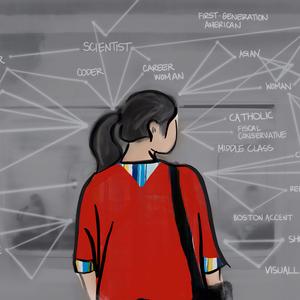

درباره این اپیزود
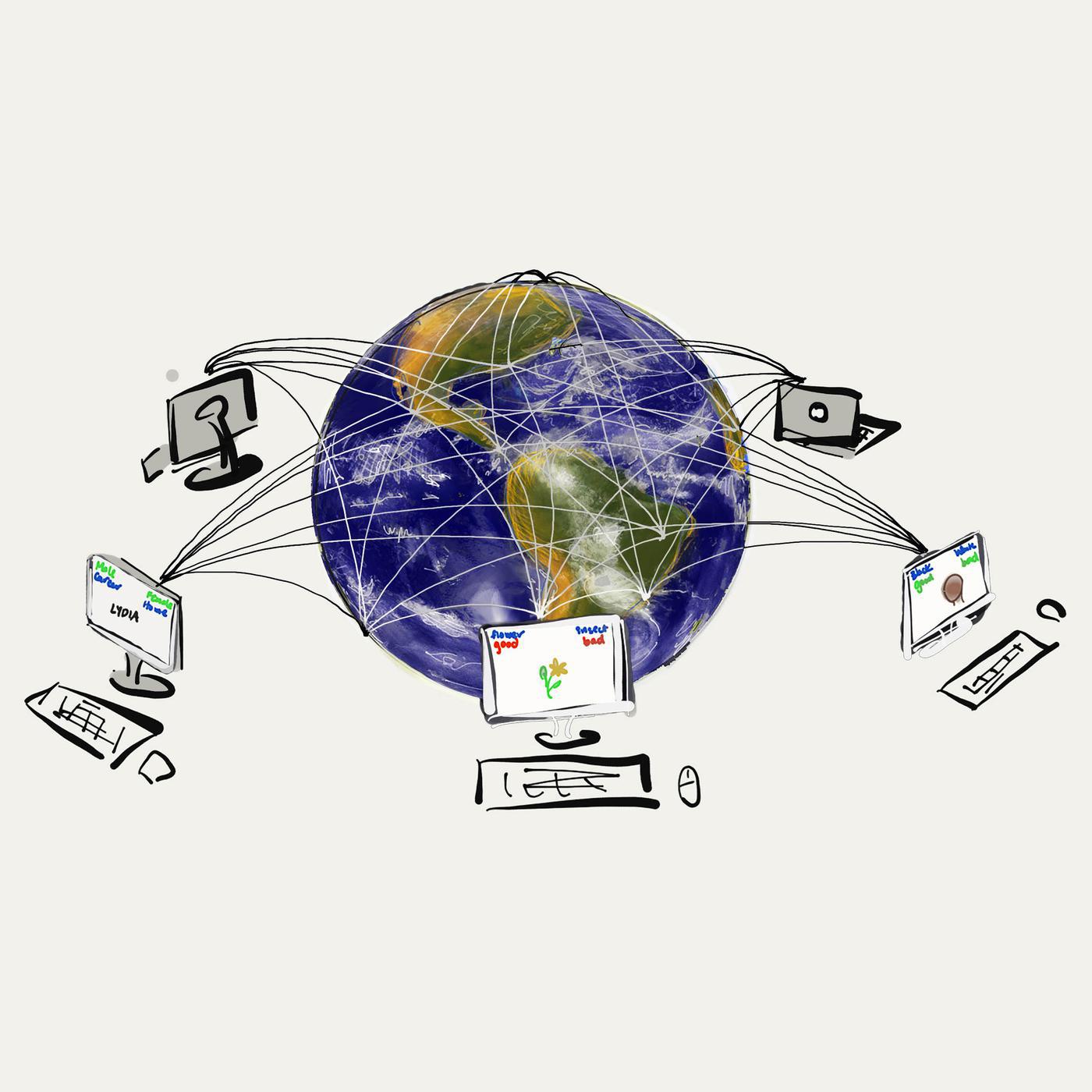
Listen to Part 1 here: https://soundcloud.com/outsmartinghumanminds/implicit-revolution-part-1-from-amnesia-to-associations
40 years ago, memory researchers showed us that patients with amnesia could form new memories… implicitly. This sparked an ongoing revolution in research on the hidden mind: how it learns, how it influences us, and how it can be measured and changed.
For references and related material, visit http://outsmartinghumanminds.org.
------------------------
The Implicit Revolution Part 2 was created and developed by Mahzarin Banaji and Olivia Kang with funding from PwC and Harvard University.
Narration by Olivia Kang, featuring Professors Mahzarin Banaji (Harvard University) and Brian Nosek (University of Virginia)
Sound editing and mixing by Evan Younger
Clip from Star Trek episode "Mirror, Mirror” (airdate 6 Oct 1967) copyright CBS
Music by Miracles of Modern Science
Artwork by Olivia Kang
©2017 President and Fellows of Harvard College
40 years ago, memory researchers showed us that patients with amnesia could form new memories… implicitly. This sparked an ongoing revolution in research on the hidden mind: how it learns, how it influences us, and how it can be measured and changed.
For references and related material, visit http://outsmartinghumanminds.org.
------------------------
The Implicit Revolution Part 2 was created and developed by Mahzarin Banaji and Olivia Kang with funding from PwC and Harvard University.
Narration by Olivia Kang, featuring Professors Mahzarin Banaji (Harvard University) and Brian Nosek (University of Virginia)
Sound editing and mixing by Evan Younger
Clip from Star Trek episode "Mirror, Mirror” (airdate 6 Oct 1967) copyright CBS
Music by Miracles of Modern Science
Artwork by Olivia Kang
©2017 President and Fellows of Harvard College
انگلیسی
ایالات متحده آمریکا
در این اپیزود
رونوشت 🔗
Are you the producer of this podcast?
Add a podcast transcript
Need Audio-to-Text?
Transcribe with Listen411 in Just 60 Seconds
جستجوی اپیزودهای گذشته
اپیزودهای قبلی Outsmarting Implicit Bias را جستجو کن.
قسمت های دیگر در این پادکست
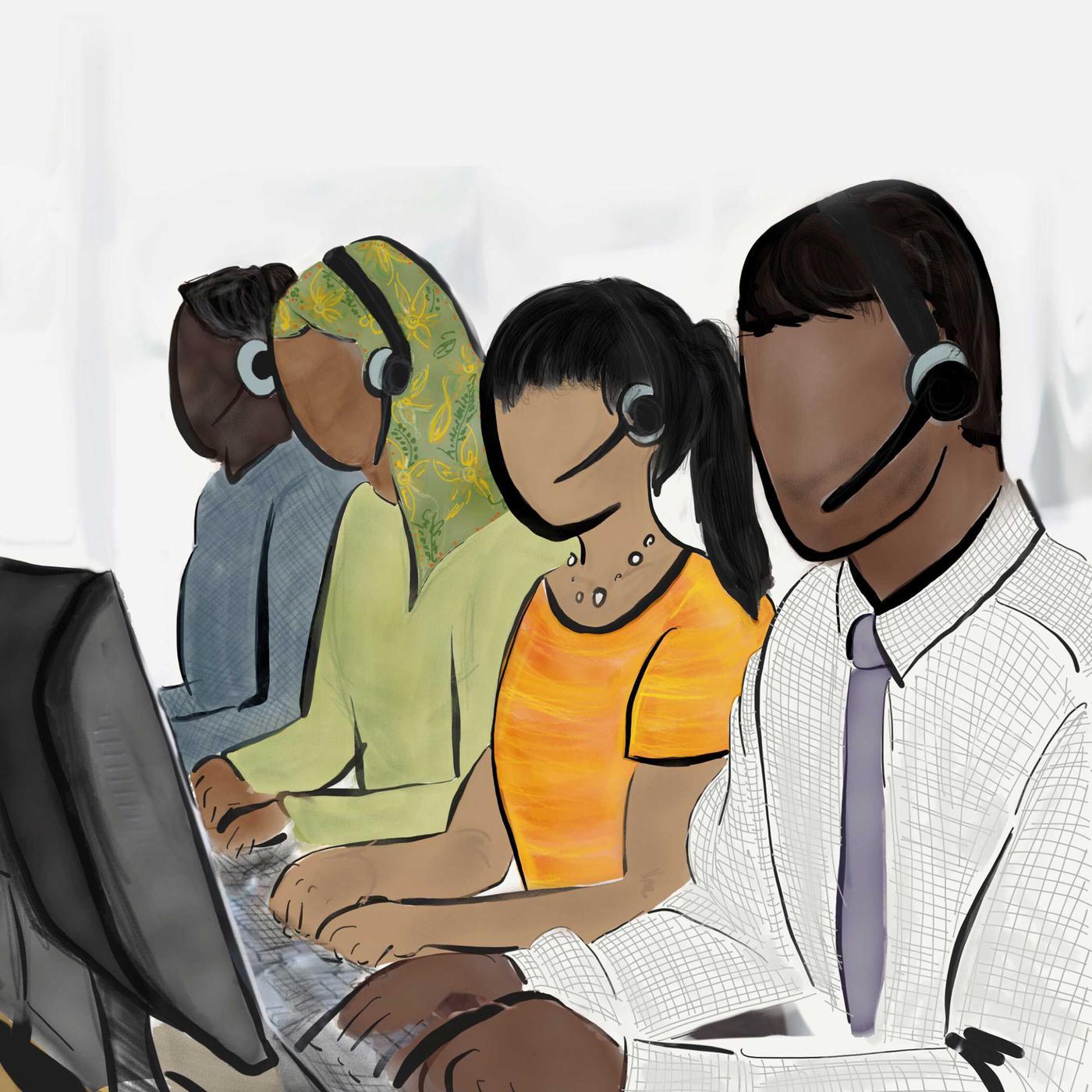
Voices are more than just sounds. They’re auditory faces that can give clues to who we are. In the time it takes to say “hello,” we can identify a person’s ethnic or cultural background as different from ours. Yet this can lead to other impressions that are just...wrong. How might accents influence…
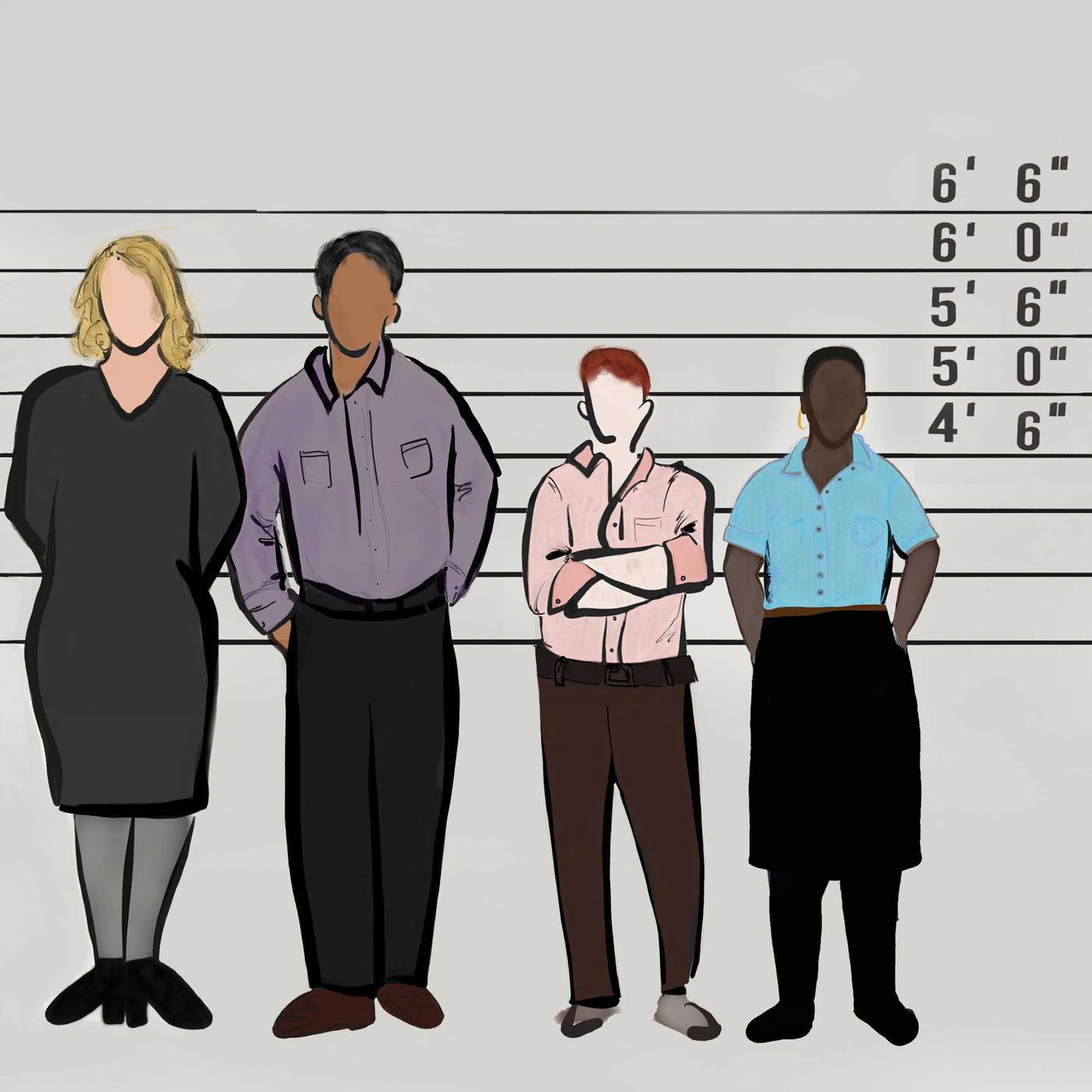
Albert Einstein, we would say, is a genius. Yet we might say the same for a puppy that can open a cabinet to get her snacks. Sometimes it makes sense to shift our standards based on context. But are we raising and lowering the bar when we shouldn’t?
For references and related material, visit http:…
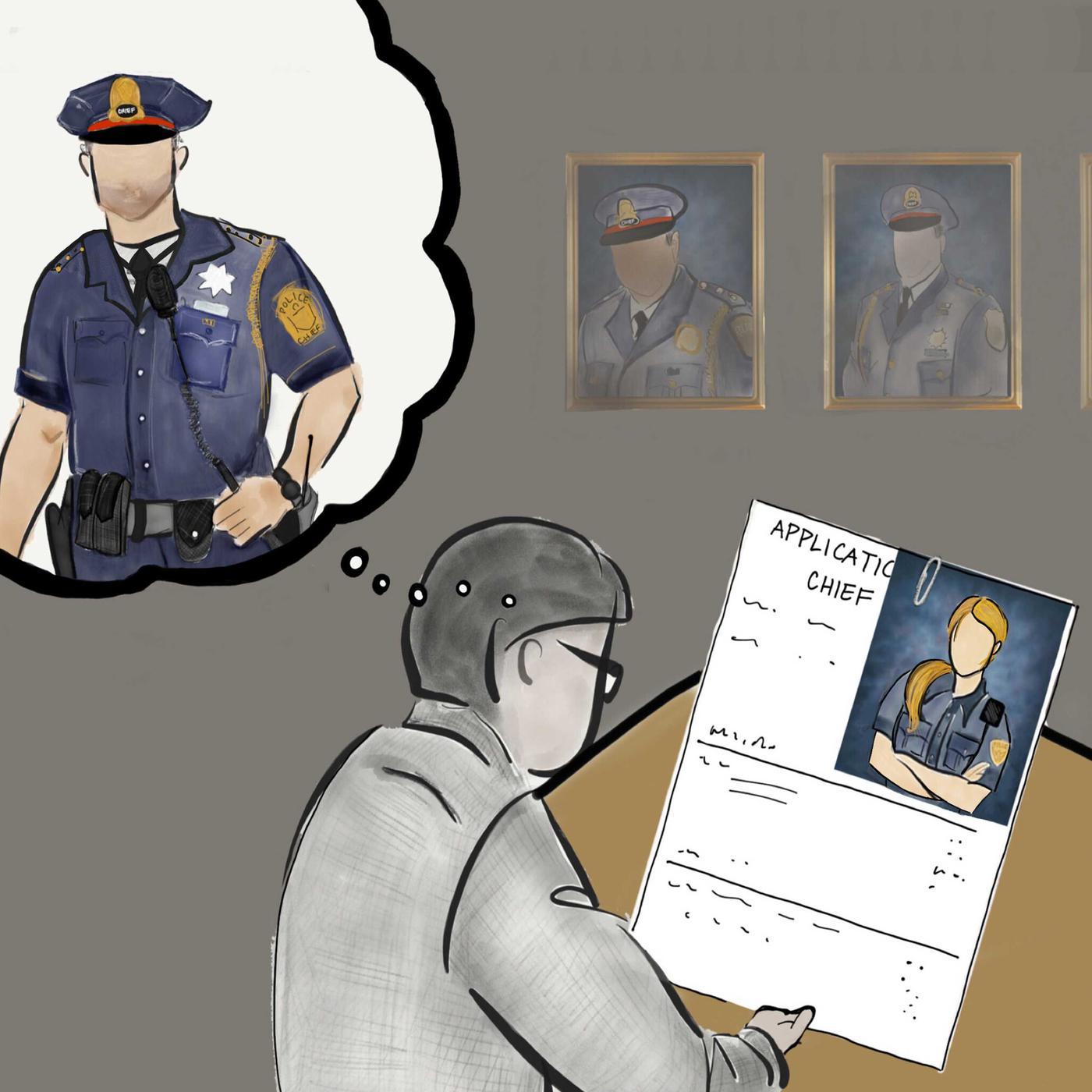
Book-smart or street-smart? Education or experience? We like to think we use objective criteria to make decisions. But what happens when we choose the person first, then use the standard that supports our decision? How might the “pictures in our heads” drive the criteria we choose?
For references …
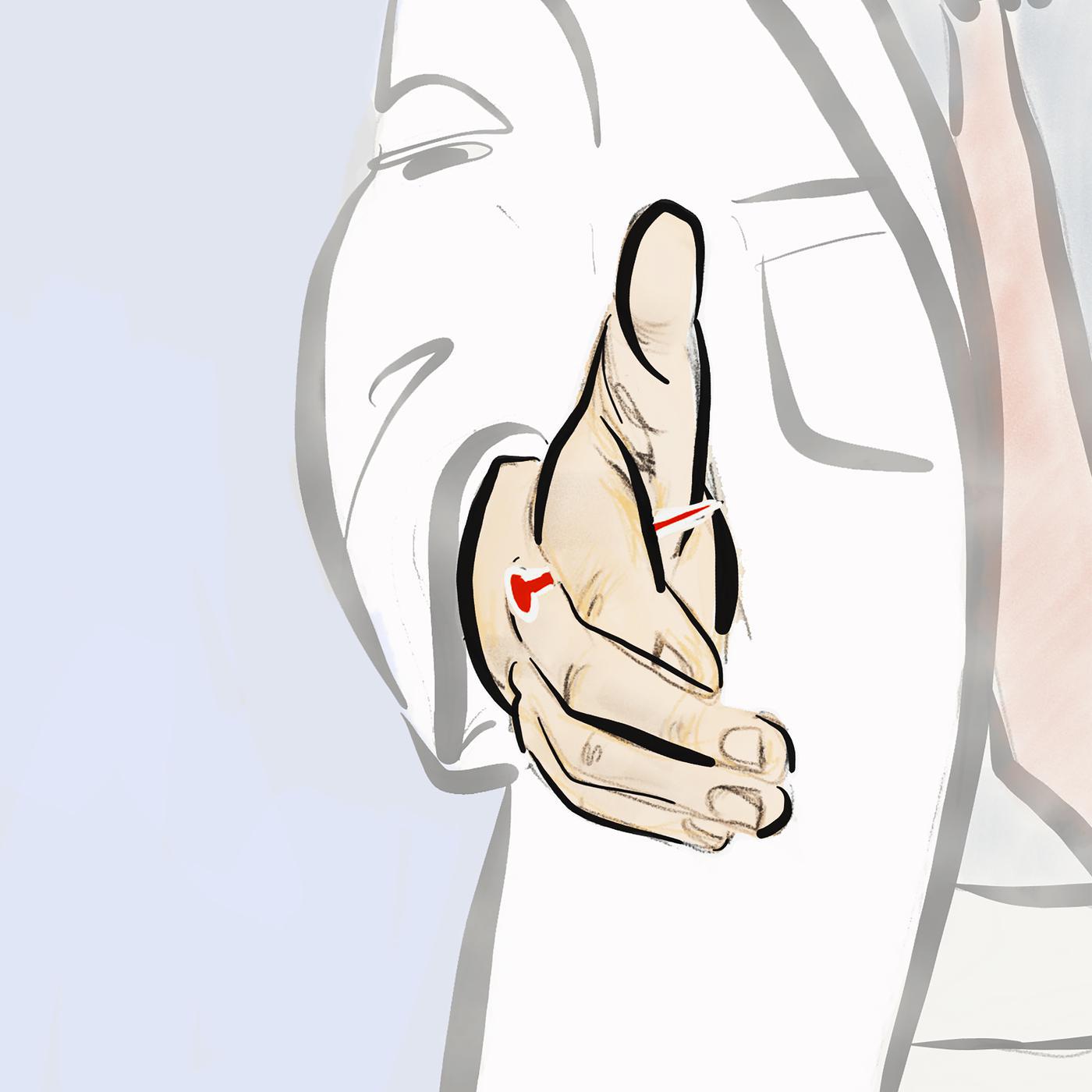
Listen to Part 2 here: https://soundcloud.com/outsmartinghumanminds/implicit-revolution-part-2-from-the-lab-to-the-web
40 years ago, memory researchers showed us that patients with amnesia could form new memories… implicitly. This sparked an ongoing revolution in research on the hidden mind: how i…
سلب مسئولیت: پادکست و آثار هنری تعبیه شده در این صفحه متعلق به Outsmarting Implicit Bias است که متعلق به صاحب آن است و به Listen Notes، Inc وابسته یا تایید نشده است.
ویرایش
از کمک شما برای بروز نگهداشتن پایگاهدادههای پادکست سپاسگزاریم
