


درباره این اپیزود
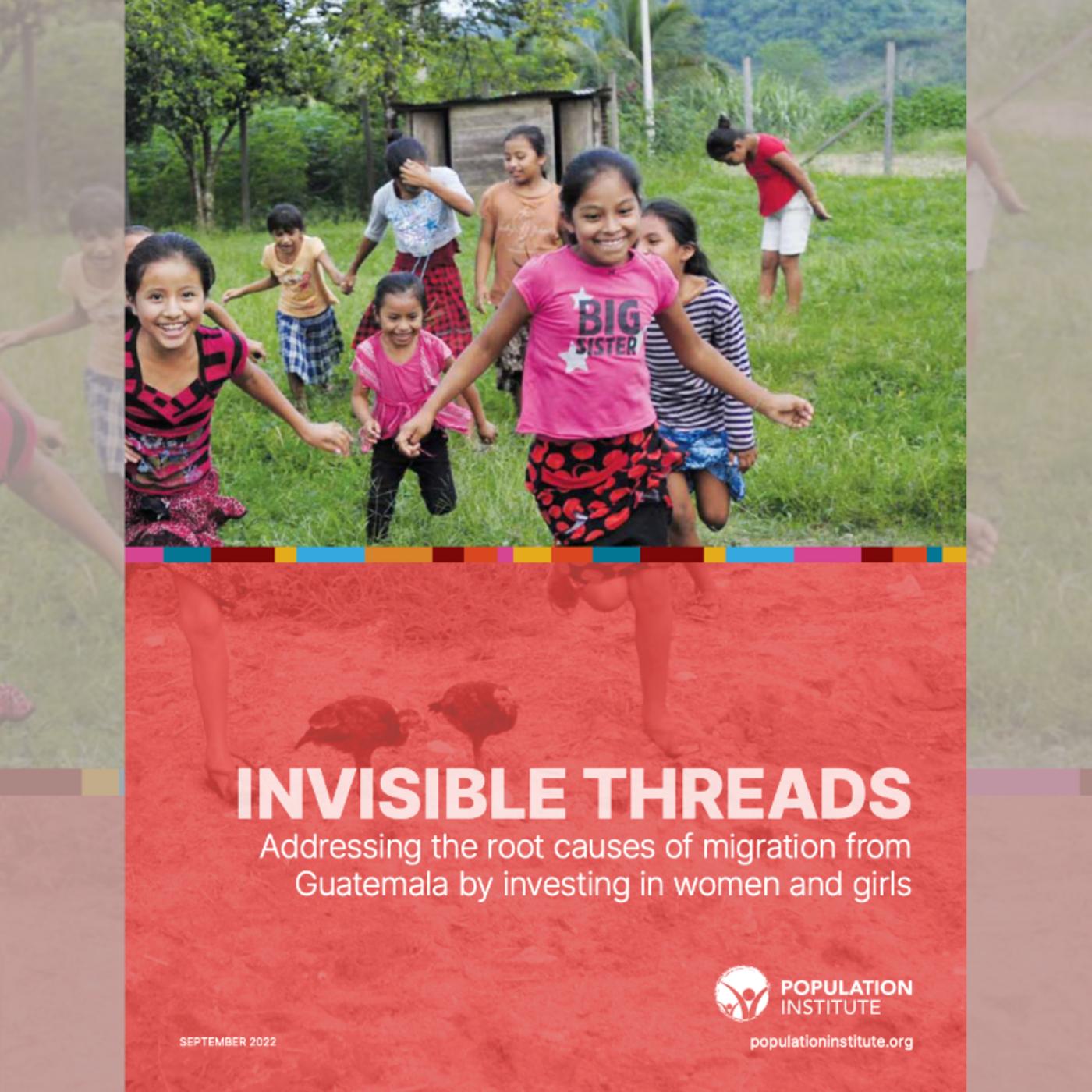
This week’s episode of the New Security Broadcast explores Invisible Threads: Addressing the Root Causes of Migration from Guatemala by Investing in Women and Girls—a new report from the Population Institute. “We feel like it's really important to highlight how the lives of women and girls and other marginalized groups are really central to a lot of the issues that are at the root causes of migration from the region,” says Kathleen Mogelgaard, President and CEO of the Population Institute. In this episode, Mogelgaard lays out the report’s findings and recommendations with two fellow contributors: Aracely Martínez Rodas, Director of the Master in Development at the Universidad del Valle de Guatemala, and Dr. J. Joseph Speidel, Professor Emeritus at the University of California, San Francisco School of Medicine. In recent years, a growing proportion of migrants who arrive at the U.S. border come from Guatemala, El Salvador, and Honduras. Mogelgaard notes that this surge of migrants has captured political attention in the United States, and one of the most important responses has been the release of the Root Causes Strategy by the Biden-Harris Administration. The Root Causes Strategy illustrates dynamic, complex, and interrelated drivers of migration, including economic insecurity, governance, climate change and environmental degradation, and crime and violence. To gain greater perspective on the regional challenges, the Population Institute report examines how the root causes in the White House strategy play out in one nation: Guatemala. For Guatemala, one of the main causes of internal migration is the search for employment or higher income, says Aracely Martínez Rodas. Guatemala has the largest economy in Central America, and is considered an upper middle income country. However, half the population lives in poverty. Why is this so? Rodas identifies four structural factors in Guatemala that influence migration trends: 1) The impact of neoliberal policies implemented in the 1980s and 1990s that weakened the state; 2) Violence and structural racism have influenced the state’s ability to provide basic services, security, and living conditions that ensure quality of life; 3) The creation of gaps between middle income populations and low income populations, which often do not receive the same services or experience the same infrastructure, and; 4) A historical migration flux that has strengthened and expanded migration networks, as well as links between family, friends, and communities in Guatemala and in desired destinations. Rodas highlights that these historical migratory fluxes and networks are notable because they create a “migrant imaginary.” With the influences of both remittances and digital technology, information about the benefits of migration are easily shared. Thus, the migrant imaginary plays an important part in how people decide to move, she continues, observing that “it's impossible to prevent.” For men, in particular, migration can be considered a rite of passage. The possibilities of making progress in one’s life offered by leaving outweigh the risks this journey may bring. “Nothing compares to the attraction of migration,” she says. Connecting Guatemala’s migration trends to its demographic profile reveals that the country is on a trajectory to what demographers consider a “stable population.” Dr. Speidel observed that in 1970, there were 5 million people living in Guatemala. Today it's 17.8 million. “The future might bring as many as 25 million in 2050 or maybe even 40 million in 2100,” Speidel says. Guatemala’s considerable progress in its family planning programming has also been effective, with the country’s total fertility rate (the average number of children each woman will have) reduced from about 5 in 1995 to 2.4 today. “If we get down to that magic number 2.1, then essentially, we're going to have a stable population,” says Speidel. Given this demog(continued)
انگلیسی
ایالات متحده آمریکا
رونوشت 🔗
Are you the producer of this podcast?
Add a podcast transcript
Need Audio-to-Text?
Transcribe with Listen411 in Just 60 Seconds
جستجوی اپیزودهای گذشته
اپیزودهای قبلی New Security Broadcast را جستجو کن.
قسمت های دیگر در این پادکست
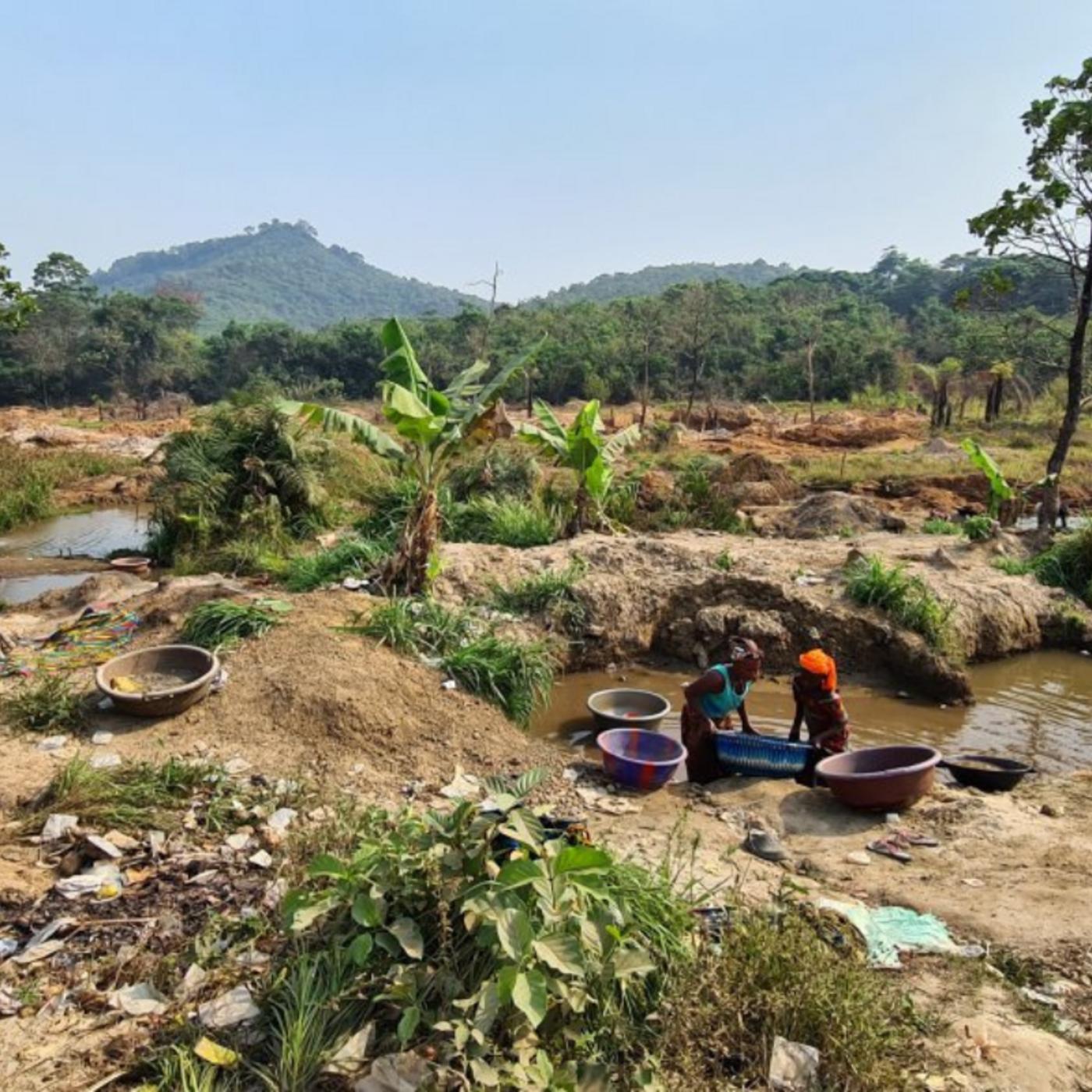
According to the World Bank, building enough renewable energy infrastructure to keep global warming below 2C will require more than 3 billion tons of minerals. Reducing emissions quickly is crucial to minimizing risk for the world’s most climate-vulnerable communities, many of whom are on the front…
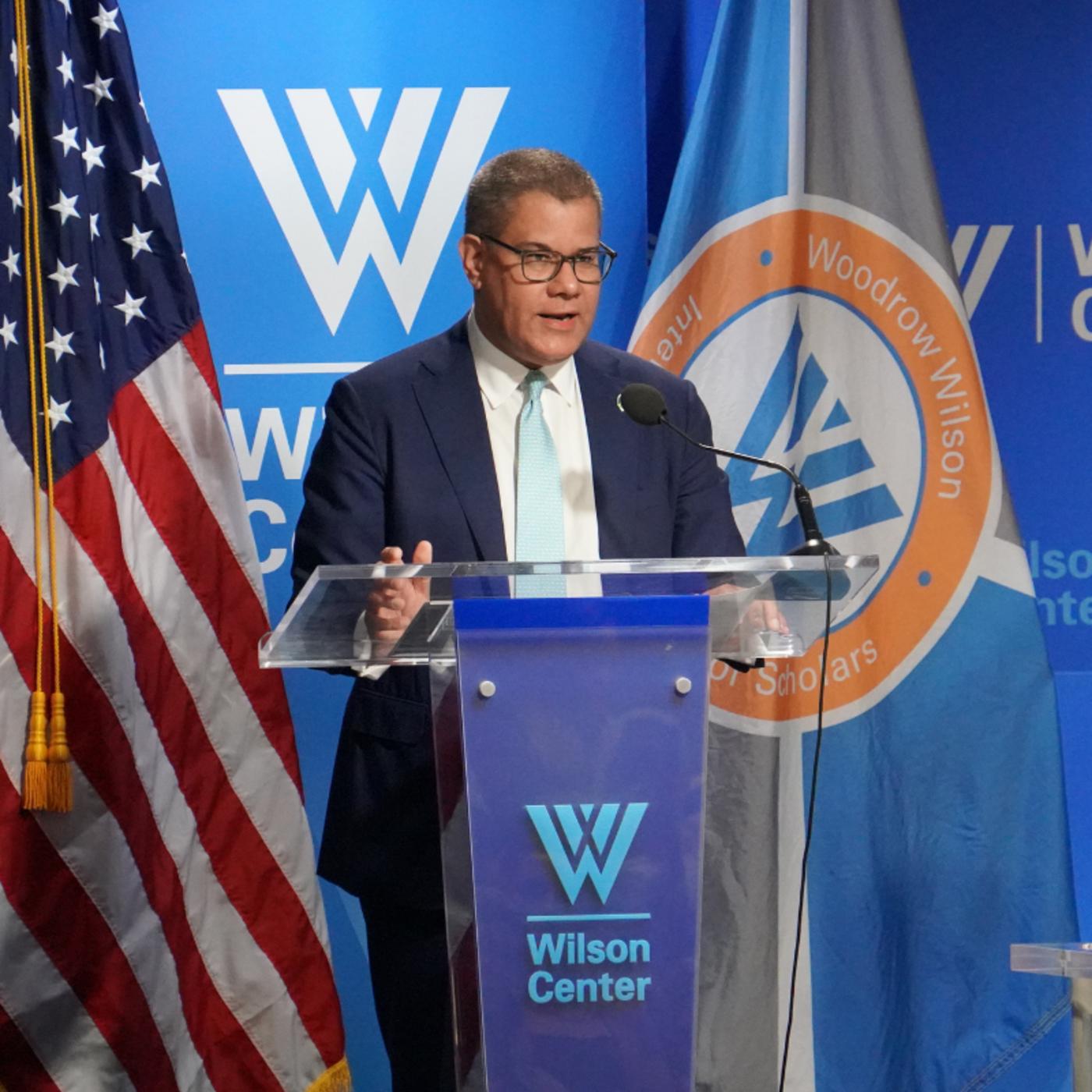
As the world turns its attention to the 27th UN Climate Change Conference (CoP27) in Sharm El Sheikh, CoP26 President Alok Sharma reflects upon the achievements won thus far in the fight against climate change in our latest podcast. Sharma’s address at the Wilson Center also outlines the steps that…
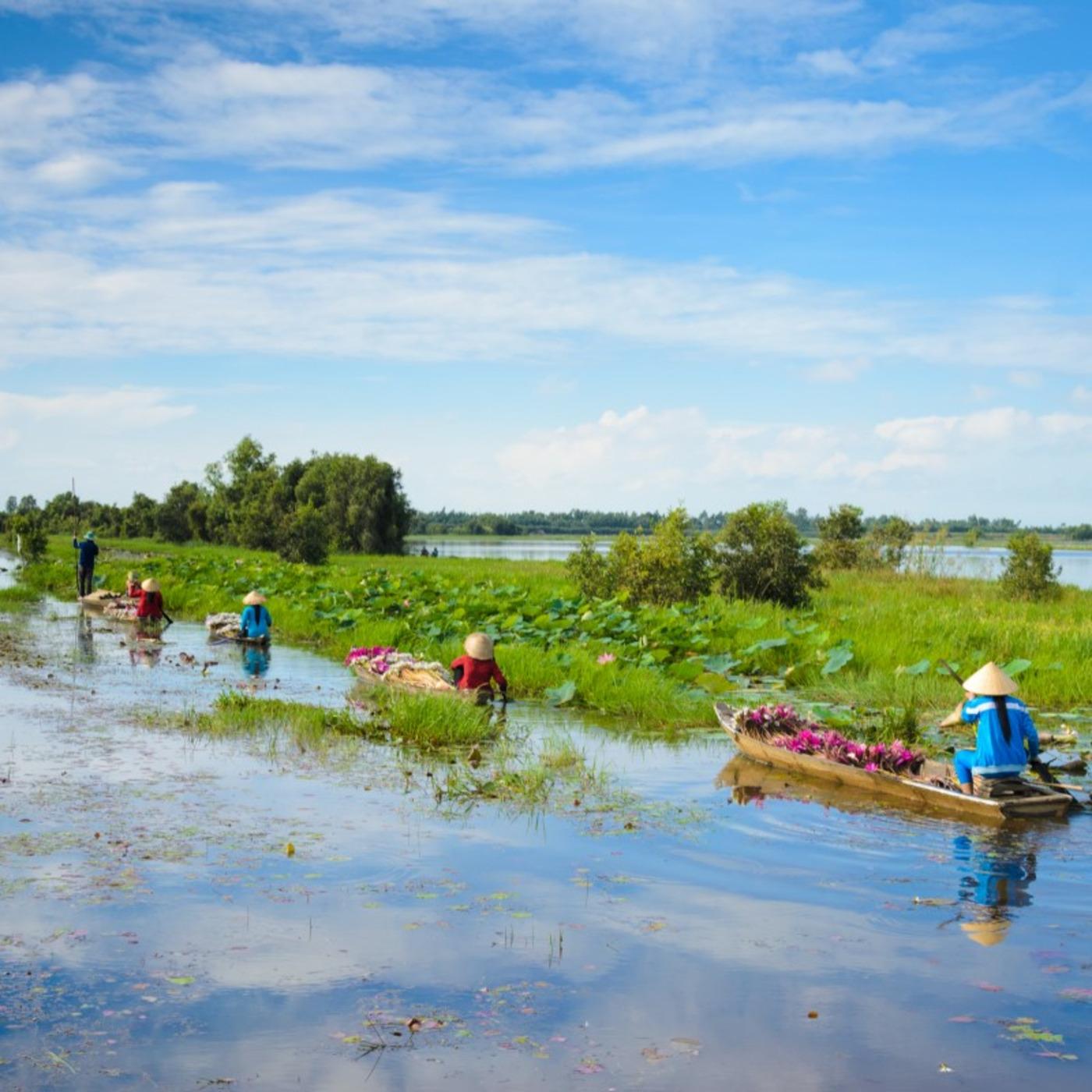
As the last decade has brought about a dramatic shift in approaches to addressing climate change, water is increasingly at the forefront of the conversations around adaptation and resilience. In part, this is because more countries now experience the damaging effects of climate change through water…

The war in Ukraine is not only displacing millions, straining the economy, and ravaging infrastructure. It’s also creating a mounting health crisis. In this week’s New Security Broadcast, ECSP’s Director Lauren Risi hears from Ambassador Daniel Speckhard and Dr. Mariia Dolynska about the health imp…
“Things that we used to think were 20 or 30 years into the future are in fact happening today… Climate change is noticeably changing the extent, the severity, and the frequency of these kinds of events.” This stark assessment from Jonathan Pershing, Program Director of Environment at the…
سلب مسئولیت: پادکست و آثار هنری تعبیه شده در این صفحه متعلق به Environmental Change and Security Program است که متعلق به صاحب آن است و به Listen Notes، Inc وابسته یا تایید نشده است.
ویرایش
از کمک شما برای بروز نگهداشتن پایگاهدادههای پادکست سپاسگزاریم
