

درباره این اپیزود

Documentary and journalism have a complicated relationship. They share commitments to reality-based storytelling, yet have distinctive legacies and institutional histories. They share technologies, vocabularies and modes of address, yet have different notions of time, from the ‘now’ of breaking news to the ‘timeless’ status of classic documentaries. At a moment when the Internet has emerged as a platform common to print and broadcast journalism as well as new forms of interactive and participatory documentary, complication seems more like confusion. One might try to clarify the situation by disambiguating these genres, solidifying their boundaries. We seek instead to make productive use of the situation by taking advantage of their commonalities, finding ways to re-invent and re-invigorate both documentary and journalism, in the process expanding their audiences and enhancing their relevance. Documentaries have demonstrated the advantages of synergistic thinking, finding a new place and new publics through digital journalism portals. But what can new forms of documentary contribute back to journalism? To answer that question, we have to think critically and creatively about the affordances of these different traditions in light of their new ecosystem.
* Raney Aronson, deputy executive producer, FRONTLINE
* Katerina Cizek, documentary director, National Film Board of Canada
* Jason Spingarn-Koff, New York Times Op-Docs editor
* Francesca Panetta, Guardian multimedia special projects editor
* Moderator: William Uricchio, MIT
* Raney Aronson, deputy executive producer, FRONTLINE
* Katerina Cizek, documentary director, National Film Board of Canada
* Jason Spingarn-Koff, New York Times Op-Docs editor
* Francesca Panetta, Guardian multimedia special projects editor
* Moderator: William Uricchio, MIT
انگلیسی
ایالات متحده آمریکا
رونوشت 🔗
Are you the producer of this podcast?
Add a podcast transcript
Need Audio-to-Text?
Transcribe with Listen411 in Just 60 Seconds
جستجوی اپیزودهای گذشته
اپیزودهای قبلی MIT Comparative Media Studies/Writing را جستجو کن.
قسمت های دیگر در این پادکست
William Uricchio is Professor of Comparative Media Studies at the Massachusetts Institute of Technology and founder of the MIT Open Documentary Lab, which brings together storytellers, technologists, and scholars to experiment with new documentary.
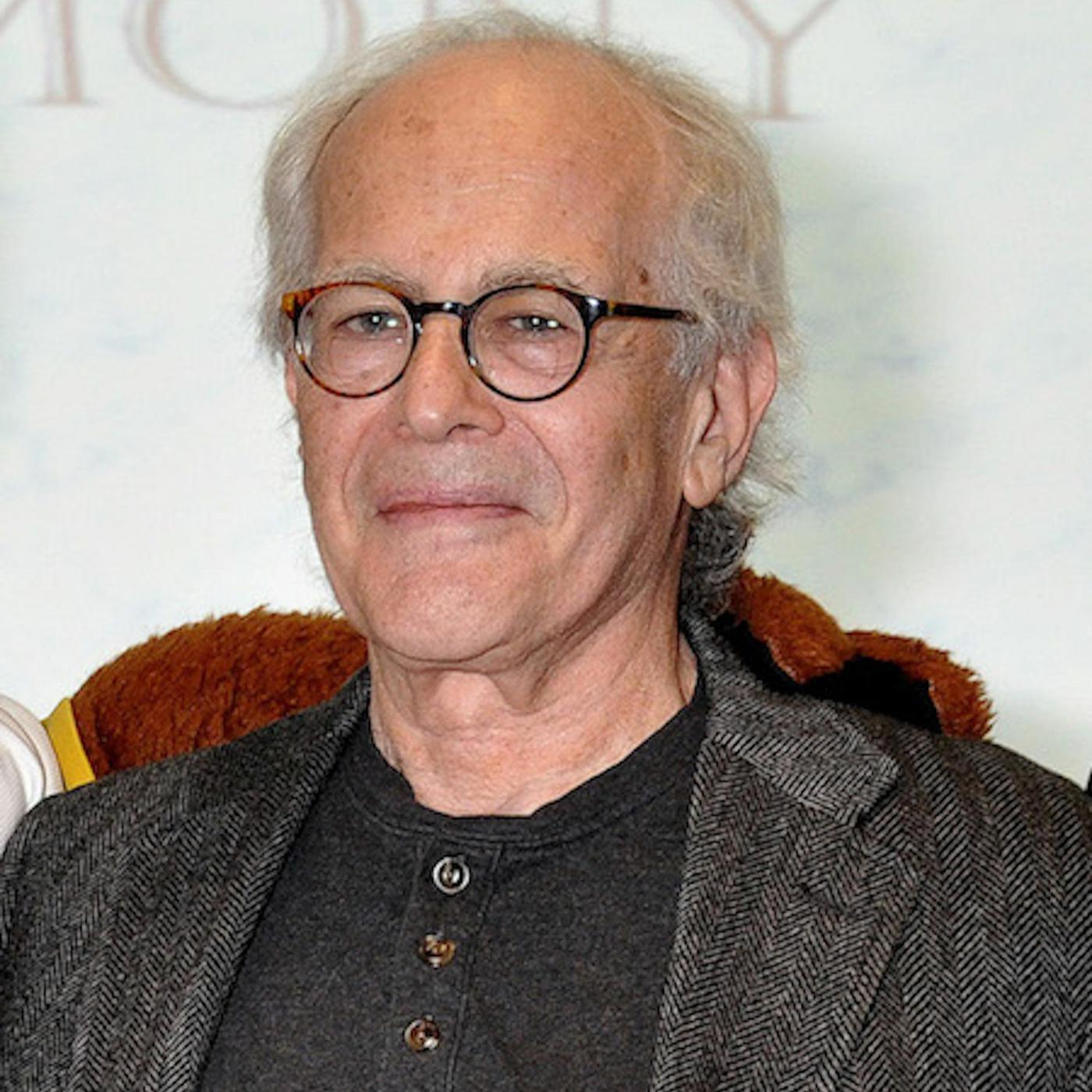
Charles North has published twelve books
of poems, three books of critical prose, and collaborations with artists and other poets. With James Schuyler, he edited the poet/painter anthologies Broadway and Broadway 2. His New and Selected Poems What It Is Like (2011) headed NPR’s Best Poetry Books o…
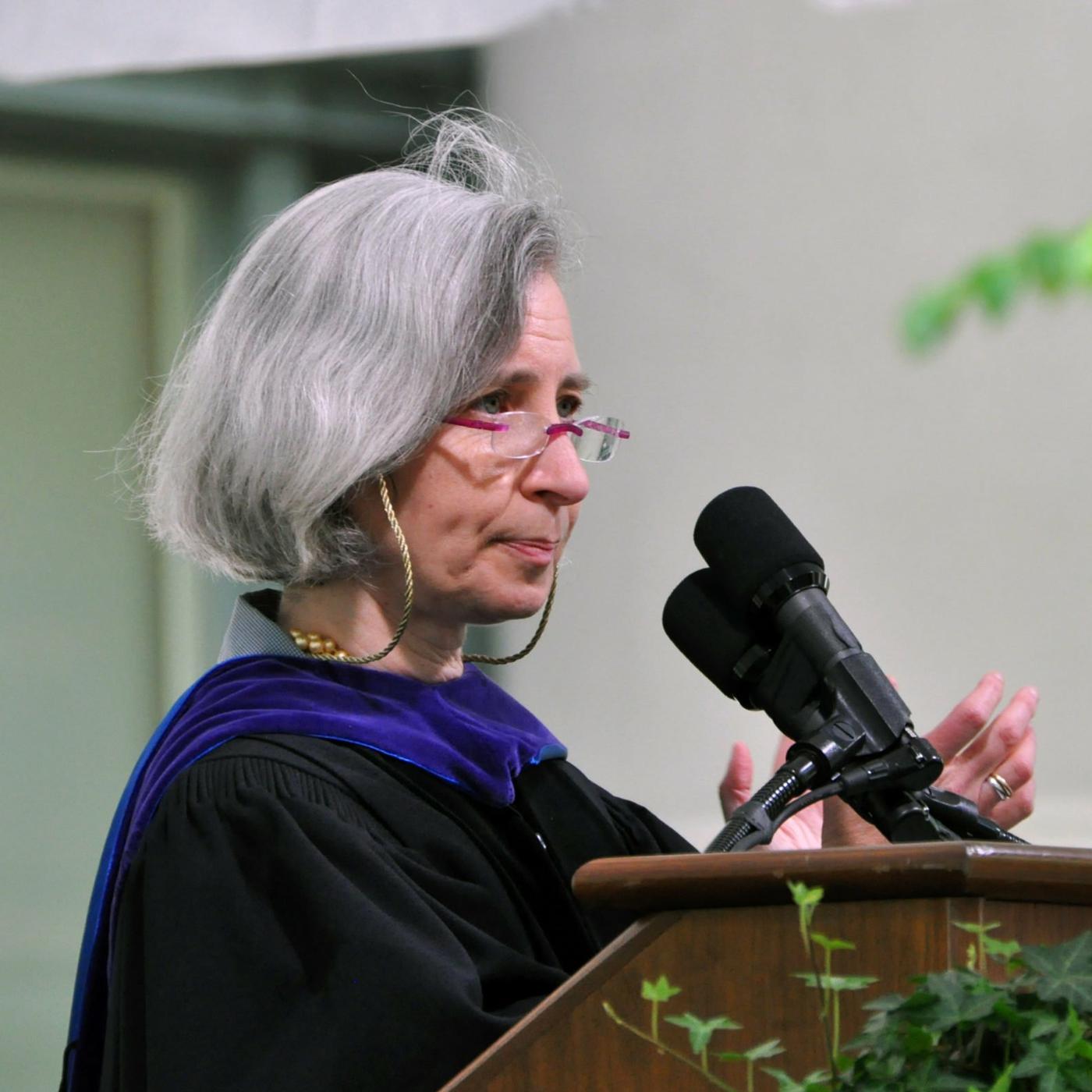
In her 2021 book Saving the News: Why the Constitution Calls for Government Action to Preserve Freedom of Speech, our guest Martha Minow “outlines an array of reforms, including a new fairness doctrine, regulating digital platforms as public utilities, using antitrust authority to regulate the medi…
Sam Gregory is Director of Programs, Strategy & Innovation at WITNESS, which helps people use video and technology to protect human rights; studies relationship between emergent technologies, disinformation, media manipulation, & authoritarianism.
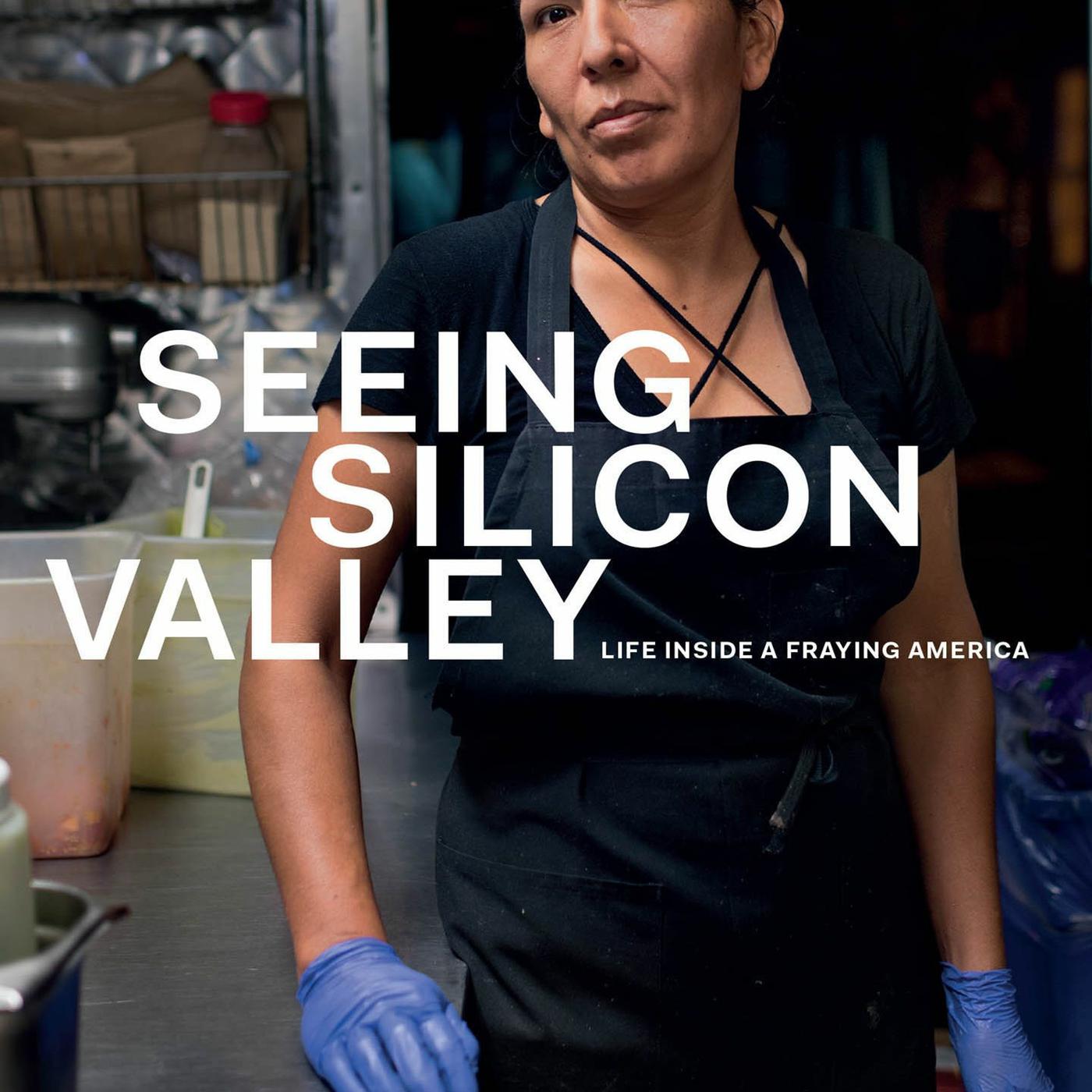
Video also available at https://cms.mit.edu/video-seeing-silicon-valley-mary-beth-meehan-fred-turner.
Acclaimed photographer Mary Beth Meehan and Silicon Valley historian and media scholar Fred Turner discuss their recently published and award-winning book Seeing Silicon Valley: Life inside a Fray…
سلب مسئولیت: پادکست و آثار هنری تعبیه شده در این صفحه متعلق به Massachusetts Institute of Technology است که متعلق به صاحب آن است و به Listen Notes، Inc وابسته یا تایید نشده است.
ویرایش
از کمک شما برای بروز نگهداشتن پایگاهدادههای پادکست سپاسگزاریم
