


درباره این اپیزود

A metabolic view of Alzheimer's disease & the recent discovery of compounds that reverse advanced disease symptoms in mouse models by restoring mitochondrial health.
TOPICS DISCUSSED:
- Classic Alzheimer’s pathology: amyloid plaques and tau tangles identified over 120 years ago, long assumed to drive irreversible neuron loss.
- Limitations of amyloid focus: plaques appear in some cognitively normal brains; antibody therapies have shown limited clinical benefit.
- Metabolic perspective: brain energy failure as a tipping point where repair mechanisms are overwhelmed, linking genetics, injury, and aging.
- Neuroprotection via P7C3 compounds: discovered through hippocampal neurogenesis screen; preserves mitochondrial function and normalizes NAD/NADH ratio without elevating NAD excessively.
- Recovery in models: treatment after symptom onset reversed cognitive deficits, blood-brain barrier damage, oxidative stress, and axon issues in amyloid and tau mouse models, despite persistent plaques.
- Broader implications: energy restoration enables surviving neurons to function; similar protective effects seen in TBI and other organs under stress.
ABOUT THE GUEST: Andrew Pieper, MD, PhD, is a board-certified psychiatrist and neuroscientist, professor at Case Western Reserve University, and director of the Brain Health Medicines Center at the Harrington Discovery Institute. He directs a research group focused on neuroprotection after brain injury and neurodegenerative disease.
RELATED EPISODE:
- M&M 208: Glyphosate, Choline & Alzheimer’s: Toxins & Nutrition to Prevent Neurodegeneration | Ramon Velazquez
Support my work:
- Good Chemistry: Personalized, science-based health consulting. Work with Dr. Nick Jikomes directly.
- Affiliate Partners: Visit this link to see my affiliate partners and get discounts codes for products & services to support health.
For all the ways you can support my efforts.
انگلیسی
ایالات متحده آمریکا
در این اپیزود
رونوشت 🔗
Are you the producer of this podcast?
Add a podcast transcript
Need Audio-to-Text?
Transcribe with Listen411 in Just 60 Seconds
جستجوی اپیزودهای گذشته
اپیزودهای قبلی Mind & Matter را جستجو کن.
قسمت های دیگر در این پادکست
Send us Fan Mail
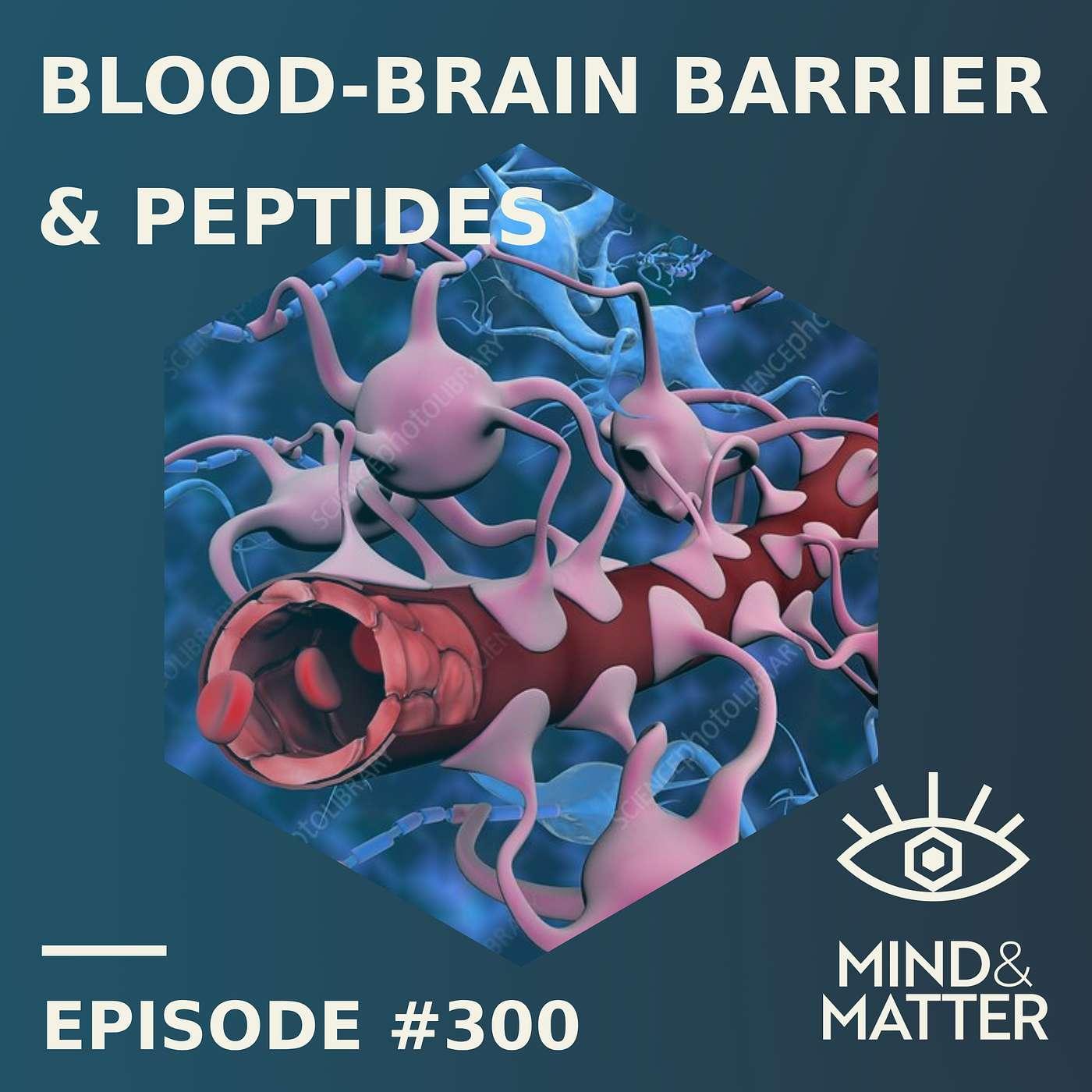
Blood-brain barrier as a dynamic interface allowing selective passage of nutrients, peptides, and gut hormones.
TOPICS DISCUSSED:
Blood-Brain Barrier Structure: Capillary endothelial cells with tight junctions, absent fenestrae, and minimal vesicles create a selective interface; s…
Send us Fan Mail
The possible role of deuterium (heavy isotope of hydrogen) in regulating cell division, mitochondrial metabolism & cancer.
TOPICS DISCUSSED:
Deuterium Basics: Deuterium is twice as massive as regular hydrogen; natural water contains ~150 ppm, with stronger oxygen-deuterium bon…
Send us Fan Mail
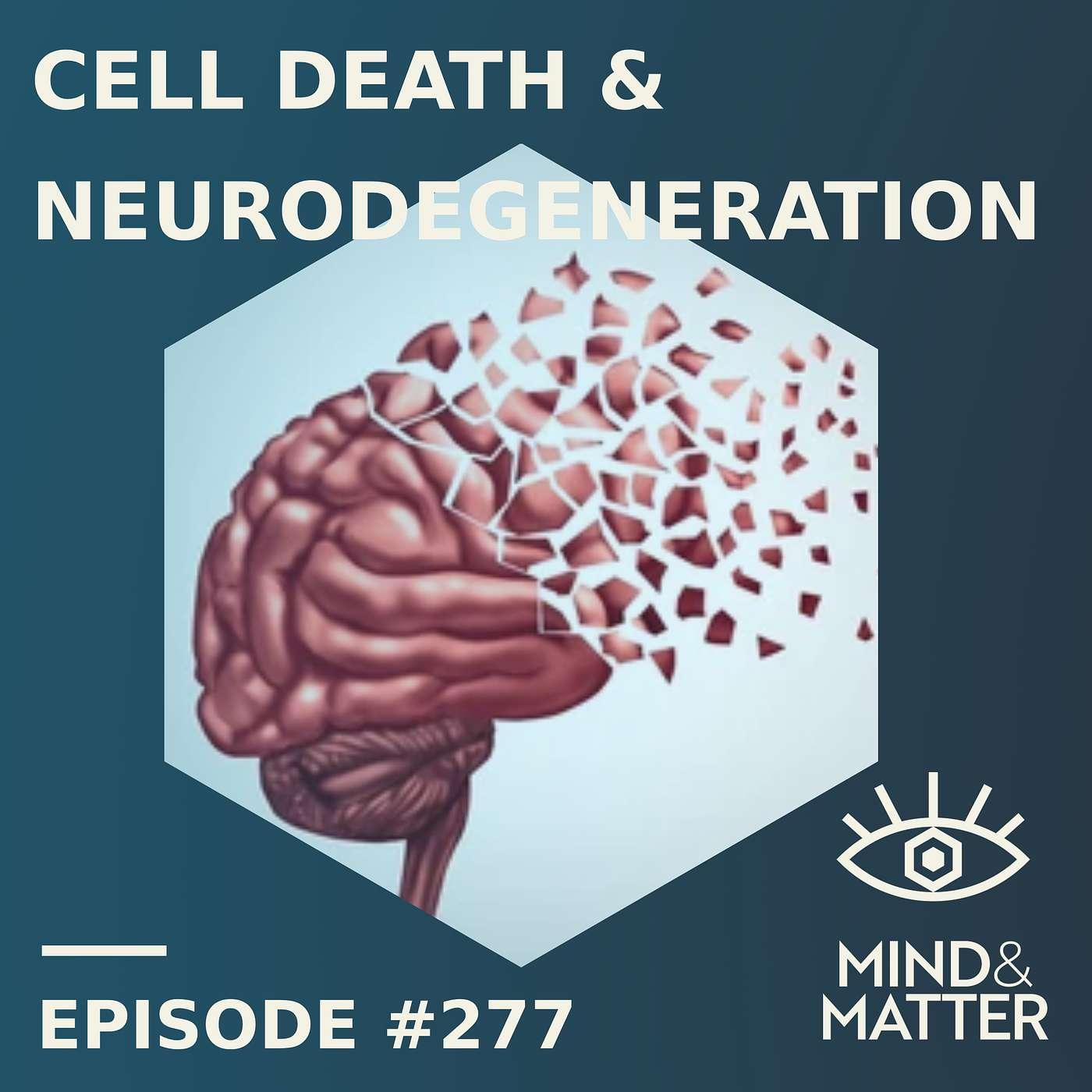
Ferroptosis, an iron-dependent cell death pathway driven by lipid peroxidation; chronoferoptosis, in which chronic stress sensitizes neurons gradually.
TOPICS DISCUSSED:
Cell Death Pathways: Apoptosis proceeds through regulated steps with surface “eat me” signals that enable non-i…
Send us Fan Mail
Endogenous peptide diversity, GLP-1 drugs, and methods for novel peptide discovery.
TOPICS DISCUSSED:
Peptide Structure & Production: Short amino acid chains (3-50 residues) cleaved from larger precursors by PCSK enzymes, stored in dense-core vesicles, and released upon stimul…
Send us Fan Mail
GHK-Copper and peptides in skin care, aging, and general health.
TOPICS DISCUSSED:
Endogenous Decline: GHK-copper levels peak in young adulthood then fall with age, reducing natural support for skin repair and collagen maintenance.
Skin Penetration: Effective topical delivery depe…
سلب مسئولیت: پادکست و آثار هنری تعبیه شده در این صفحه متعلق به Nick Jikomes است که متعلق به صاحب آن است و به Listen Notes، Inc وابسته یا تایید نشده است.
ویرایش
از کمک شما برای بروز نگهداشتن پایگاهدادههای پادکست سپاسگزاریم
