
درباره این اپیزود
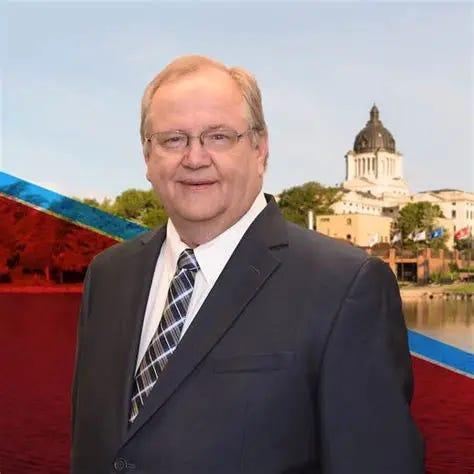
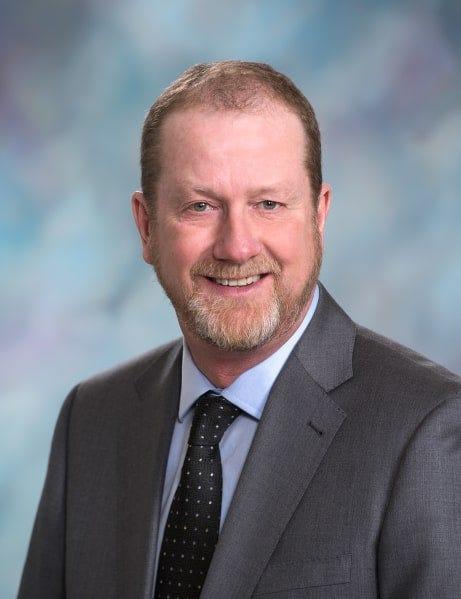
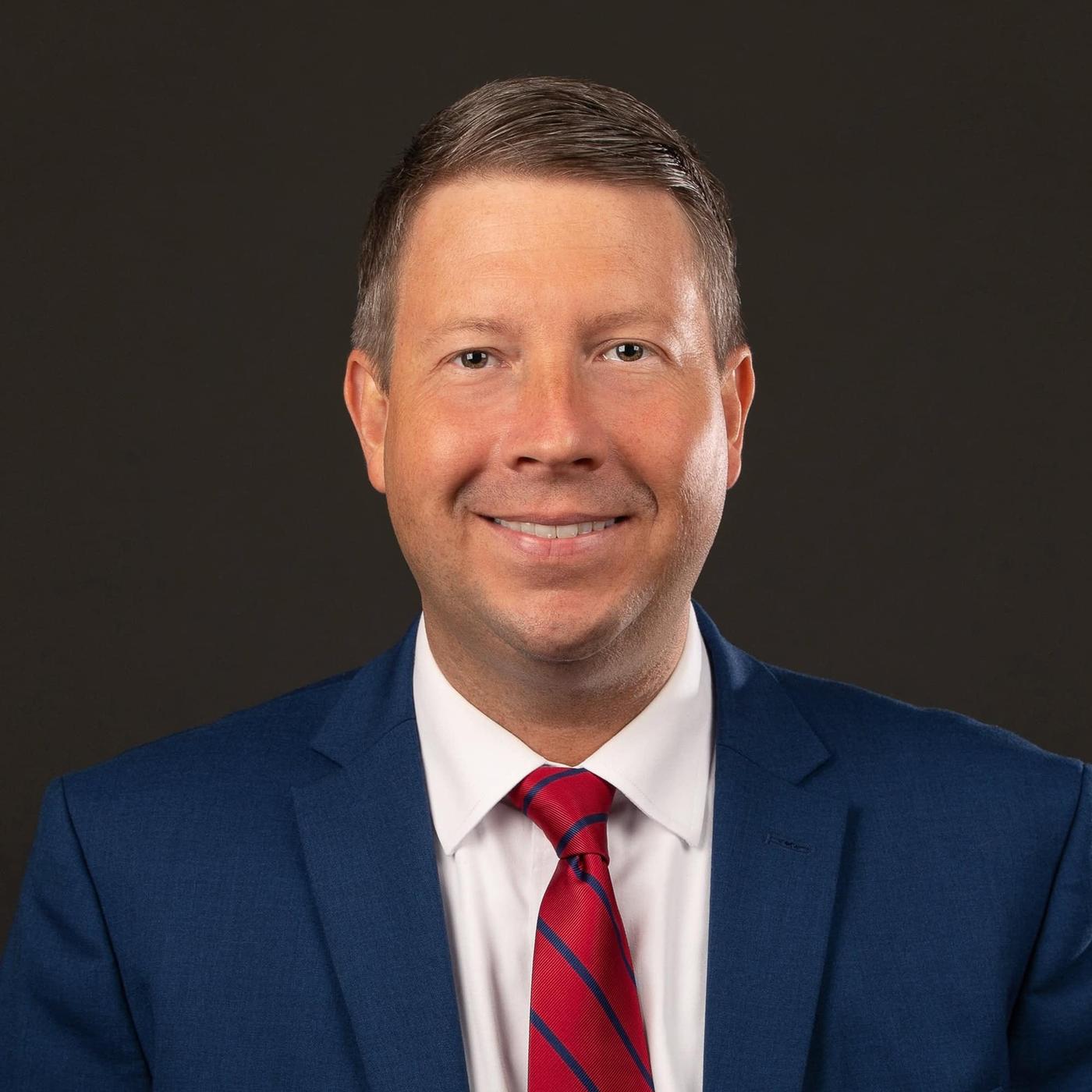
Senator Carl Perry of South Dakota Senate District 3, the Senate Assistant Majority Leader, joins Dave Roetman to discuss his committee work and issues facing the 2026 session. Perry reviews his committees, the well-funded South Dakota Retirement System, and his work on an interim study on incarceration, where he urged reform, rehabilitation, education, job training and reentry support. He discusses community service providers and nursing homes, saying the biggest problem is workforce rather than beds, and expects property taxes, housing, child care and the sales tax sunset to be major issues. He describes a Washington fly-in with Representative Al Novstrup on the federal REINS Act, a tour of the Deer Creek Station power plant, the new prison plan, the WINS water project, and Northern State University’s e-learning program and new president, Dr. Alan LaFave.
Topics: Senate leadership, South Dakota Retirement System, incarceration study, prison reform, nursing home workforce, property taxes, sales tax sunset, REINS Act, Deer Creek Station, WINS water project, Northern State University e-learning
“Northern State University does something I don’t think they pat themselves on the back enough on. And that is their E-Learning program. There are 3500 kids throughout the state that get extra training from teachers that they would not get in their own classrooms.” - Carl Perry
H.R.277 - Regulations from the Executive in Need of Scrutiny Act of 2023
WINS: Investing in northern South Dakota’s future of safe drinking water
Carl Perry - LRC link to committee and bills
Full transcript
About this transcript: It was machine-transcribed in-house and then edited for readability. Filler words and false starts are removed, and the meaning is unchanged. [?] marks a word or phrase we’re unsure of. Timestamps are approximate.
[00:00]
Dave Roetman: This is the Making Waves Podcast. My name is Dave Roetman. We’re here with Carl Perry, Senator from District 3. Welcome, Carl.
Carl Perry: Hello. Welcome. Thank you very much. I’m glad to be here.
Dave Roetman: Well, thank you for being on. Tell us a little bit about your position in the legislature. Are you in leadership? What kind of committees are you on?
Carl Perry: That’s a great way to start things off. Let me give you an idea of what I’m doing. The answer to the question is it’s a busy time, but I’m the assistant majority leader for the Senate. I’m on the Senate Health and Human Services Committee. I spent four years on that committee in the House and now be two years here in the Senate and then I’m the vice chair. Of the Senate state affairs.
That’s one of the committees that really has a lot of really tough decisions to make and there are things that affect the state. I’m on the Senate legislative procedure and the joint legislative procedure committee and that’s basically the group that makes the book that has all the information for people when it comes to Well... What is or isn’t acceptable as far as decorum and how to present a bill and everything like that.
And then I’m also on the Senate Commerce and Energy Committee. I’ve been on Commerce and Energy all the way since the beginning. Two of the committees that I’m not on now that I have been on in the past is retirement laws. And we got to a point where we had 14. $15.6 billion set aside for retirements, so we take really good care of our people. We also had taxation and taxation is a very learning committee, and so I had a chance to work on that too, but I work on a lot of different things.
Conservative and constitutional-type candidate.
Dave Roetman: Those are all very important committees. Retirement, $14.6 billion. I understand South Dakota takes the retirement system very seriously, unlike some other states who loot the retirement systems. And we have ours 100% funded.
Carl Perry: In the fact that we pay well, there’s a lady that’s 107 years old still receiving a retirement check from the South Dakota Retirement System, so it’s a system that continues to pay for a long time.
Dave Roetman: You were part of some other committees, too, like interim committees that do summer studies. Could you tell us a little about those?
Carl Perry: Well, thank you for asking. When we deal with the interim committees, the committees that were covered this year were CSP, community service providers, the prison reset, I would call that one of the interim studies. The EMS, Emergency Management System, and then marijuana. That I think they had some heated meetings there, the initial incarceration meetings, and I was part of the initial incarceration meeting that was held on a couple of different times.
But let me give you a little bit of information on that. Could you expound on the prison committee? First on the initial incarceration, basically we had different things that we asked about. They asked what we really wanted to do. Four of the things that I had listed out was reform. Recidivism rehabilitation and then actually revival because we’ve had a couple different people that talked about we should do more things with Christianity and that the recidivism rate on people that have went through some spiritual guidance type thing is a lot lower than the ones that haven’t and so I think there’s some different things but What I wanted to say was on that particular committee is we should expand education, job training and work with technical schools and employees and things employers and then strengthen our reentry and transitional support.
Try to get so we have more halfway houses. We utilize the things that we have like teen challenge. And teen challenge is actually adult challenge. I don’t know why it keeps the name teen and then expand mental health and substance abuse and some of the treatment programs and training inform our staff better. There’s a lot of things that we can do and it’s going to expand because the governor does have the future rehabilitation committee going and I think that’s really good for us.
Dave Roetman: It seems to me that life has to have purpose and meaning. And you’re talking about bringing in some ministry and teaching people to give their lives, to have their lives meaning and purpose. That alone should help recidivism rates because without that kind of purpose people are lost and they turn to drugs because of the emptiness in their lives. And this seems to me to be very important. Do you think that’s going to be advanced in the future?
Carl Perry: Absolutely.
[05:00]
It’s going to make a big difference for South Dakota. Our chairman for this particular event, I think that once in a while you have to give a kudos to different people, but Kevin Jensen and Greg Jamison were our chairman of our initial incarceration group. I think they did a superb job in leading us in the and We’ve had some really great people come in to talk and then we had Burl Cain come in and he was the Mississippi corrections person.
They had an interesting program. I think an answer to your question is We’re not there yet, but at least we realize that we’re not there yet and we’re trying to do the right things to make that happen.
Dave Roetman: Going back to something you said a little bit earlier, service providers, are you referring to nursing homes and care facilities?
Carl Perry: The answer is it would be for several different things. The people that are service providers, are you talking about for the prisons? You mentioned one of the early committees that you had. Oh, the community service providers. Yeah, that was that that’s there’s a lot to that. And I think that, when you deal with that, you’re dealing with the nursing homes, the people that are less privileged than we are like LifeScape, Dakota Abilities, or up in Aberdeen, Aspire those all need more attention and that’s really what that committee was all about.
I wasn’t on that committee, but I felt like they really made some good headway with what they were trying to accomplish.
Dave Roetman: Those are critical issues, and I know several legislators have been working on that quietly. Most people don’t realize how much work the legislature has been doing on those, but those are critical issues. People can’t afford their retirement, can’t afford to be in a nursing homes. And nursing homes, some of them are going out of business. And right when the population of elderly care is increasing. And you think there’s going to be some more progress on that issue?
Carl Perry: I think so. Way back when I first started, Steve McCleerey was in the District 1, I was in District 3, and we worked on a couple nursing home bills. Nursing home and the things with community service providers, sometimes it’s easier to sweep it under the rug and pretend like there isn’t a problem, but there are some problems. And nursing homes, We need to do more because the baby boomers are going to fill these places a lot.
I think we’re going to have more issues with that then we’re really ready to deal with. The biggest problem that we have with nursing homes is not necessarily enough beds but enough people to work those. We need to really work on workforce development and we have several things that we’re doing in the state to enhance workforce but we need to do even more.
Dave Roetman: So what other committees have you been working on? I know you’ve been traveling and working on some tribal relations.
Carl Perry: Well, I went to the tribal relations meeting in Sisseton. I go to these meetings not from the standpoint of trying to tell anybody what to do, but if we’re going to be a good legislator, which is what we all try to be, we need to learn more about more areas of our state because it’s not about the little things that we know, it’s about doing a lot of different things. We need to really, I guess in order to be a good legislator in the state of South Dakota, we need to be connected to our constituents.
And the way we get connected to our constituents is look at the things that are important to them. The more we know about different areas of the state, the better job we can do. There’s a lot of people that get focused on one area and there’s so many areas that we need to be focused on. And so that’s my role is I try to learn as much as I can because we have an important job to do.
Dave Roetman: That’s a good point. You have to maintain those relationships. So what’s going to be coming up in 2026, the next legislative session, any bills you’re carrying, anything you’re expecting to happen?
Carl Perry: Well, I think one of the things that’s going to be the big thing for 2026 is property tax. I know we have 216, which was the governor’s tax bill. That’s not going to be enough. And there’s other tax ideas that are being thrown around like the transaction tax. There’s other property tax things that are coming along, but it’s kind of like a whack-a-mole in a carnival. You knock one thing down and another one or two pop up.
Property tax is going to be a tough issue to really get our arms around, but it is really important to people. I think we’re also going to have more information on airports. Aberdeen, the community I’m in, is the third largest city in the state. We’re an EAS, Essential Air Service.
[10:00]
We do really well with our airport, but we need to make sure that all of our airports are working efficiently and housing is going to be a big issue. Having affordable housing is probably a better way to put it. I’m not looking at giveaway programs, but I’m looking at programs that will be utilized so that more people can. Participate in housing. Child care will be an issue. It’s becoming very expensive to have our child care taken care of.
So that makes a difference on whether a person can be at work or should be at work. And then sales tax is going to be another issue. Our 4.2% that we lowered to the sunset is coming, I think. And 26 or 27. And so if the sunset hits, then it’ll go back up to 4.5%. And if we go back up to 4.5%, what do we do with that extra money? And I think we’re going to have an issue coming up in the future with less money because the government, the federal government probably isn’t going to be as generous as they once were because we don’t have that extra COVID money and things like that to rely on.
I think we’re going to have to do a better job, even though we’re doing a better job. We need to even do better than we’re doing now. In order to make things balance in the future.
Dave Roetman: I think that’s inevitable, given the federal deficit can’t rely upon or expect federal dollars coming into South Dakota. We’re going to have to wean ourselves away from the federal teat. Tell us a little bit about the REINS Act.
Carl Perry: Another good question. We, Al Novstrup Representative Al Novstrup, he’s also the vice chair of appropriation for the House. He and I were invited to Washington, D.C. For a Capitol Leaders fly-in. It’s an Americans for Prosperity program. But basically what they did was they have a national bill that went through the House and also went through the Senate as a tool for instituting more oversight by the legislative branches. And the REINS stands for regulations from the executive in need of a scrutiny act.
It has a couple people from the House that were really active on it. Tony from Tennessee visited with us and gave us a tour of the Capitol. Kat Cammack is one of the primary sponsors of that bill. And then we go over to the Senate. Senate side and Mike Rounds is one of the supporters of that bill and Mike is naturally from South Dakota and then Senator Mike Lee, United States Senator from Utah is another big proponent of that.
This was a chance for us to look at proven tools, emerging trends, different things to be able to cut some red tape and restore accountability to our national government. What they’re looking at with us being there, there was 26 legislators. The idea is for us to take their ideas and implement those. Into our states. And the one thing that we did learn is that South Dakota is doing a better job than most states.
And I think we all knew that we can even do better than what we’re doing now. And that’s really what we’re looking at is how we can be even better.
Dave Roetman: Than what we are. There’s always room for improvement. So any other events or committees that you’d like to discuss?
Carl Perry: Well, there’s lots of things that have happened. I guess it’s really hard to pinpoint just exactly what the greatest things were. But one of the things that was very interesting to me was when we went to Deer Creek. And we had the opportunity to tour the Deer Creek station that is over by Elkton, South Dakota. This is an electric cooperative network in South Dakota. It combined cycle natural gas power plant owner.
Owned and operated by the Basin Electric Power Cooperative, several member owned across the region with affordable, reliable power. It was one of those things where We had an opportunity to see the actual works of that plant. We had, for people that were there, it was toured by Bill [?] Hauer [?] from Watertown and Jensen and Mehlhaff. And myself for senators, and then it was Roe [?] and Wellberg [?], Cole and DeGroote [?] and Weems [?] as representatives.
So we had nine people there, and if there’s 105 senators and representatives, basically we had 10 percent of the legislative group present there looking at that. I think that they accomplished what they wanted, which was let us know exactly what they’re doing. Another area that’s really important is the prison that did get passed. You probably know more about it than most people, but there were four meetings on the prison, on the reset task force.
[15:00]
Rhoden, he worked really hard to work with the rehabilitation group in the future, and the Correctional Rehabilitation Task Force will really make a difference. But that thing was built in 1881, and it went from $825 million for expense to $650 million. It’s located up on the Benson Road, so the location was desirable for people versus what it was before. We kept the size at 1,500 inmates and we replaced the Secretary of Correction.
I think that with all the different things that went on with the prison, We have now got a package that people are endorsing, looking forward to. It’s not going to happen overnight, but I think we’re going to do some really good things there.
Dave Roetman: Final question. What’s important to District 3?
Carl Perry: You hit on something that’s really important, and that is in our area, the WINS program. Which is water investment in northern South Dakota. This really takes the BDM, which is the Brown, Day, and Marshall area, Aberdeen, and then WEB, and combines them together to work together for growth and economic development. This is a way to get water where it needs to be. We think that South Dakota and the water situation is extremely important.
That’s why we hit on that one. And then The other one that’s important in this area is Northern State University. We really believe that the regional program and the Board of Regents are excellent for South Dakota. For our area, Northern State University does something that I don’t think they pat themselves on the back enough on, and that’s their e-learning program. There are 3,500 kids throughout the state that get extra training from teachers that they would not get in their own classrooms.
And what I’m talking about is things like physics or Spanish and French or whatever. They are given things that they could not get where they’re located. The e-learning program is really good and the state itself. There are 66 counties, I think it is. We have 65 of them that are actually benefiting from this program. So this is one of those underutilized programs as far as being financed, but it’s also underutilized or it is not spoken of enough.
For all the good things that it’s doing. It’s making a difference in South Dakota. And if we train these kids correctly and let them know how important it is to have all this training, they’re going to stay here. We’re going to keep kids because of that program. We got a new president. That would be another thing that’s really cool. The president we got actually was in Northern State University, went to school, worked in administration here and became the dean of the college for music.
And then he also was a provost here. And then. Then he went up to North Dakota and he worked with Valley City State University as a president. And now he’s. Back in Aberdeen, and that’s Dr. Alan LaFave, an excellent person, going to do a great job for the Aberdeen area, for northeastern South Dakota. And for all of South Dakota. Those are two things that are really high on my priority list for this area would be water and the education.
Carl, final thoughts? Final thoughts? Man, I tell you. I think i gave you a lot of thoughts already but my final thought is we have a job to do you know what’s really important is that we need to sit there and know that No matter what we do, it’s not so much that we take credit for something, it’s that we get the job done. We can do so little alone. But together we can do so much and that’s why you know one of the things that you know and that I know is that District 23, District 3 and District 1 work really well together and the reason for that is we are in such a rural area.
We go from the Minnesota border all the way over to the river by Mobridge and we have all the way along North Dakota and then we go south. We have such a huge area for our district, our three districts that we need to work together to get things done. A final quote that I might give you is a boat doesn’t go forward. If each one is rowing in their own way. We need to work together in order for this state to be successful.
And so my final statement is that I’m going to do all I can as the assistant majority leader to make sure And I’m going to do all I can in the northeastern South Dakota to work with my fellow legislators to make sure that we’re doing all we can for our people.
[20:00]
Because we are elected to get the job done, and I represent 26,500 people in this area alone. And 940,000 people in the state, that’s a lot of people to represent. The bottom line is we either work hard and get the job done or they’re going to find somebody who will work hard and get the job done.
Dave Roetman: Carl, thank you very much for being with us. This is the Making Waves podcast. My name is Dave Roetman. We’ve been with Senator Carl Perry of District 3. Thanks, Carl.
Carl Perry: Well, thank you so much. I really appreciate this.
This is a public episode. If you would like to discuss this with other subscribers or get access to bonus episodes, visit daveroetman.substack.com