WEBVTT
00:00:00.761 -->
00:00:04.652Welcome to the Lessons Learned for Vets podcast, your military transition debrief.
00:00:04.652 -->
00:00:12.230I'm your host, lori Norris, and I've helped thousands of military service members successfully transition out of the military since 2005.
00:00:12.230 -->
00:00:22.693Thanks for tuning in to hear the after action reports and real stories of your fellow veterans, who are here to help guide, educate and inform you as you navigate your own military transition.
00:00:22.693 -->
00:00:29.632By the way, if you find value from today's episode, please share it with others, leave us a review and post about us on social media.
00:00:29.632 -->
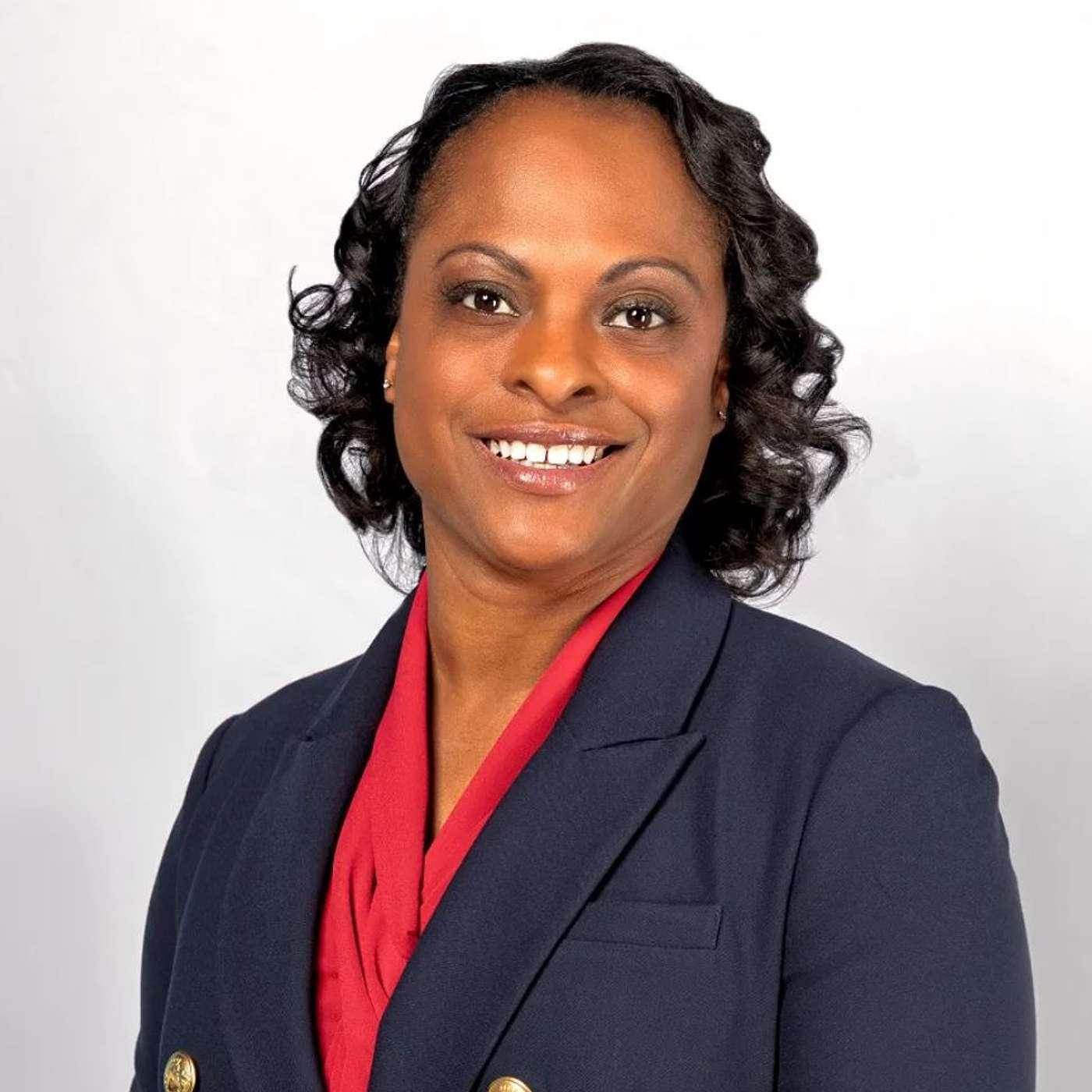
00:00:36.341Well, on today's episode of the Lessons Learned from Us podcast, I'm excited to welcome Aris Whitman.
00:00:36.341 -->
00:00:43.685Aris served 23 years in the Air Force before being medically retired as a Master Sergeant and as a First Sergeant.
00:00:43.685 -->
00:00:51.344During her military career, she dedicated herself to positively impacting others while learning what makes a true leader and a real-life hero.
00:00:51.344 -->
00:00:58.225She currently works as a Talent Management Partner in the Human Resources Department at Credit One Bank in Las Vegas.
00:00:58.225 -->
00:00:59.328So welcome, aris.
00:00:59.328 -->
00:01:00.810Thank you, lori.
00:01:00.810 -->
00:01:02.460I'm excited to have you.
00:01:02.460 -->
00:01:03.121It's been.
00:01:03.121 -->
00:01:07.370It's nice to have some female energy in the show once in a while.
00:01:07.370 -->
00:01:08.453You know I like it.
00:01:08.620 -->
00:01:15.411So you know we talked about it in your bio, right, like your military retirement was unexpected, right?
00:01:15.411 -->
00:01:17.787You weren't planning on getting out.
00:01:17.787 -->
00:01:44.269When you got out, you had a health crisis, and I, you know, you know what they say about plans right Making plans, and I, you know, though, you know what they say about plans right making plans, and so, um, I, I, you know, this show is all about transition, and it's all about advising people who are considering transition or in the midst of a transition, planning for a transition, and so I think it's important to talk to someone like you, whose transition came kind of out of the blue, right Unexpectedly.
00:01:44.269 -->
00:01:58.933So tell me, like, how did you get through that process, that unexpected, unplanned process, like emotionally, but like also tactically, like, how did you move forward when things changed for you so quickly?
00:01:59.879 -->
00:02:04.629Absolutely yes and, as you stated, my retirement was very much unexpected.
00:02:04.629 -->
00:02:09.182I had planned I had completed 23 years.
00:02:09.182 -->
00:02:13.951Sorry, but I had planned to stay between 26 and 28 years.
00:02:13.951 -->
00:02:16.362That was my goal and that's what I wanted to do.
00:02:16.362 -->
00:02:24.187But due to being diagnosed with type one diabetes, I was no longer able to serve.
00:02:25.310 -->
00:02:28.237Emotionally, all I can say is I was lost.
00:02:28.237 -->
00:02:32.650I didn't know what to do, because this is something I had done since I was 18 years old.
00:02:32.650 -->
00:02:36.205It was all I've known my whole adult life.
00:02:36.205 -->
00:02:39.651Even though I had to support my husband and my family.
00:02:39.651 -->
00:02:41.300It still took me by shock.
00:02:41.300 -->
00:02:46.872I knew I had to pivot and I couldn't let the shock just run my life.
00:02:46.872 -->
00:02:53.852I still was scared, but one thing the Air Force taught me is that change is always going to happen.
00:02:53.852 -->
00:02:56.930Change is the only thing you can really count on to be consistent.
00:02:56.930 -->
00:03:03.293You might not be able to plan for everything, but you can prepare to adapt to what comes your way.
00:03:03.293 -->
00:03:08.106So I let myself feel what I was feeling and then I got to work.
00:03:08.461 -->
00:03:22.895You know I started researching transition programs and that's how I discovered Hiring Our Heroes, which is a 12-week fellowship program that you complete while you're still on active duty before you transition to give you that real-world job experience in corporate environments.
00:03:22.895 -->
00:03:27.687I spoke with my leadership, I obtained all the approvals I needed and I applied for the program.
00:03:27.687 -->
00:03:34.361I didn't really have a lot of time to waste because I was coming very close to that time when they were saying, hey, you have to leave.
00:03:34.361 -->
00:03:39.252So I secured the interview and I took on a role at Allegiant Airlines.
00:03:39.252 -->
00:03:48.146I was in their HR department and doing that program really helped me to understand what I needed to prepare for in the corporate environment.
00:03:48.146 -->
00:04:03.562And also it was a combination of my family that was supporting me, a combination of my military training, a combination of that push and commitment to my family and to taking care of the things I needed to, and that is where I got my focus from.
00:04:04.644 -->
00:04:09.774I love that you said you let yourself feel your feelings right, like you gotta you gotta be.
00:04:09.774 -->
00:04:17.103You can be upset, you can be unhappy, you can be scared, you can be whatever those feelings are, but you have to either.
00:04:17.103 -->
00:04:36.629You have to either feel them and then move on Right, but um, and not like sit in them right, not wallow in them, and also, like I think it's important to feel them like you know talk about them, as opposed to just shove them down deeper, as so many of us do Right, I'm fine, I'm fine, right.
00:04:36.629 -->
00:04:38.233Did you do that?
00:04:38.233 -->
00:04:39.947How did you know to do that?
00:04:42.540 -->
00:04:47.571Well, from years and years and years of needing to feel my feelings.
00:04:47.571 -->
00:04:56.309For a lot of times, especially in the household that I grew up in, we weren't the type of family where it's like you get to feel your feelings but you go through a lot.
00:04:56.309 -->
00:04:57.653Change is going to happen.
00:04:57.653 -->
00:05:05.913You're going to experience a lot of things, and I tell my son all the time it's's okay to be upset sometimes, it's okay to be frustrated, it's okay to be sad.
00:05:05.913 -->
00:05:07.406These are all valid feelings.
00:05:07.406 -->
00:05:10.809Experience them, but don't wallow.
00:05:10.809 -->
00:05:12.144You get back to work.
00:05:12.526 -->
00:05:25.860Yep, okay, yeah, and I think that is important is like um, sometimes my daughter's like, mom, you have to just let me be upset, and I'm like, well, I, I would be loved to just let you be upset, but let's also talk about an action plan, right?
00:05:25.860 -->
00:05:27.206How are we going to come back from this?
00:05:27.206 -->
00:05:32.370So so, maybe I'm just not, I'm not good enough at letting her feel them long enough.
00:05:32.370 -->
00:05:35.403Maybe she doesn't listen.
00:05:40.300 -->
00:05:41.485So luckily she doesn't listen.
00:05:41.485 -->
00:05:45.983She's not a transition service member, she doesn't listen to my show.
00:05:45.983 -->
00:06:04.798So you had a Skillbridge program with Allegiant Airlines, nhr and you know, as a first sergeant, like I feel like shirts in the Air Force are pretty good at transferring skills to the private sector.
00:06:04.798 -->
00:06:12.312There are going to be some things you're missing, some things that you call different things in the military versus the private sector.
00:06:12.312 -->
00:06:21.009But you and I talked about the fact that it was kind of frustrating getting those private sector employees to kind of recognize your experience.
00:06:21.009 -->
00:06:28.906So like what's some advice that you have to someone who maybe is facing that challenge of like how do I translate my skills?
00:06:28.906 -->
00:06:31.692How do I help them see the value of those skills?
00:06:32.899 -->
00:06:41.149So here's the thing Many veterans especially those who are served, I feel, 10 years or more come out of the military with this strong sense of value.
00:06:41.149 -->
00:06:47.562We know that we are, we absolutely possess what we need to possess to do well anywhere we go.
00:06:47.562 -->
00:06:53.845However, sometimes we don't really know how to convey that value in a way that makes sense to the civilian community.
00:06:53.845 -->
00:06:57.574We are used to writing, in the Air Force, eprs evaluations.
00:06:57.574 -->
00:07:05.045We're not used to writing resumes, so when we apply for jobs, we speak language that the corporate world don't always understand.
00:07:05.045 -->
00:07:13.971I assumed employers would see that I was in the military on my resume and automatically recognize me as a strong candidate.
00:07:13.971 -->
00:07:14.834That was not how it worked.
00:07:14.834 -->
00:07:18.745During my Hire Not Heroes fellowship at Allegiant, I performed well.
00:07:18.745 -->
00:07:24.105However, since there was no headcount there, I didn't receive a job offer after I finished the fellowship.
00:07:24.105 -->
00:07:30.829I knew that it was a possibility going in, so it didn't really devastate me when they said hey, you have to leave.
00:07:30.829 -->
00:07:35.007There was no time to waste and there was no time to really focus on frustration.
00:07:35.007 -->
00:07:36.831So I started to get to work.
00:07:36.831 -->
00:07:39.125I applied for so many jobs.
00:07:39.125 -->
00:07:40.848I attended job fairs.
00:07:40.848 -->
00:07:48.430I started speaking to people, got out there and started meeting people and learning from every single interview what things I needed to adjust for the next one.
00:07:48.430 -->
00:08:03.365One of the best pieces of advice that I can offer is to seek out resources, seek out people that can help you one write a good resume, one that translate into corporate speak I like to call it Organizations like Employee, mv, the Goodwill.
00:08:03.365 -->
00:08:08.293Those are organizations that can help you prepare for what's coming next.
00:08:08.293 -->
00:08:10.507Go on mock job interviews.
00:08:10.507 -->
00:08:18.653Help cultivate people who can help you impact your resume and join employer networks.
00:08:18.653 -->
00:08:25.023Try to get with people who have a similar struggle and you guys work together Eventually.
00:08:25.223 -->
00:08:32.143I was at Creech Air Force Base that was the base that I retired out of and a representative from the Goodwill came up to do a job fair.
00:08:32.143 -->
00:08:37.864Not a lot of people showed up for the job fair, so she was kind of able to talk to every single person there.
00:08:37.864 -->
00:08:43.403She asked me where I had applied and I said hey, I'm looking at a job currently at Amazon.
00:08:43.403 -->
00:08:46.510She said, oh, I know someone that works for Amazon.
00:08:46.510 -->
00:08:47.734She said send me your resume.
00:08:47.734 -->
00:08:50.929Before I left that day, I emailed her my resume.
00:08:50.929 -->
00:08:58.668The next day I received a phone call from a recruiter at Amazon saying they wanted to set up an interview and then eventually I got the job.
00:08:58.668 -->
00:09:04.024So that is another piece of advice Use resources, try to get people to refer you.
00:09:04.024 -->
00:09:10.429The referral system is a real asset and most companies prioritize referred candidates.
00:09:10.429 -->
00:09:15.889So they'll start reading that resume before they read anybody else, and that's how I got my job.
00:09:16.470 -->
00:09:23.529Another piece of advice is don't waste time trying to explain to people what you did in the military.
00:09:23.529 -->
00:09:26.863Take the time to actually write that in your resume.
00:09:26.863 -->
00:09:28.947If you know, you say I deployed here.
00:09:28.947 -->
00:09:32.164What does the deployment mean when you write it in your resume?
00:09:32.164 -->
00:09:34.910So, and then, of course, keep showing up.
00:09:34.910 -->
00:09:36.783You know, yeah, you're going to get rejections.
00:09:36.783 -->
00:09:39.650Okay, we all face rejections, and that's okay.
00:09:39.650 -->
00:09:44.149Keep showing up, because eventually somebody is going to say yes and then you have your end.
00:09:44.169 -->
00:09:48.438Keep showing up because eventually somebody's going to say yes and then you have your end, absolutely Okay.
00:09:48.438 -->
00:09:53.111I love it and I think that, um, you're right, like that's the the resume writing their resume is daunting, right?
00:09:53.111 -->
00:09:55.769This is what I do, as what I teach resume writing a lot.
00:09:55.769 -->
00:10:30.767I own a resume writing business, and so I've been teaching veterans how to translate their skills for like 21 years now veterans how to translate their skills for 21 years now, and so I think that you just have to look at, first of all, look at a job posting and let's just say you're looking at a talent management partner role at your organization and you read through it and they talk about, you know, strategic staffing, allocation and succession planning, and well, you did that as a first sergeant.
00:10:30.767 -->
00:10:33.772You may not have called it that right.
00:10:33.971 -->
00:10:48.546So now you do a little research and now we have AI tools that even help us to do a little bit more digging into things and really ask it questions and engage with it, and I think those are some tools to help you start looking at.
00:10:48.546 -->
00:11:00.302How do I speak differently, right, and one of the things that I like to talk about is the fact that you know if you don't translate your military skills and terminology.
00:11:00.302 -->
00:11:09.544It's like going to a country that doesn't speak English and expecting everyone to adapt to you, right, and so we don't want to expect that.
00:11:09.544 -->
00:11:14.214And why would you expect the private sector employer to adapt to you?
00:11:14.214 -->
00:11:23.732You've got to make that change, you've got to make that effort, and I think along the way it just is gonna help you adapt better to the work environment, don't you think?
00:11:24.600 -->
00:11:33.924Absolutely, I 100% agree, especially because I lived in different other countries and a lot of Americans go and expect that you.
00:11:33.924 -->
00:11:36.431They speak your language, but you're going to theirs.
00:11:36.431 -->
00:11:41.541So if I'm going to your organization and asking you for a job, I should speak the language that you speak, yep.
00:11:42.222 -->
00:11:42.865What do you mean?
00:11:42.865 -->
00:11:44.951They don't have ranch dressing in the UK.
00:11:48.421 -->
00:11:48.941How dare?
00:11:48.961 -->
00:11:49.142they.
00:11:49.142 -->
00:12:07.330I remember that my high schooler, when she was in school, like went to the UK and was just like she didn't eat ranch but, like a lot of her classmates that were with her on this trip, were just appalled that they couldn't get anyone to give them ranch dressing to go with their food hey, ranch dressing is a staple.
00:12:08.030 -->
00:12:09.232You have to have ranch dressing.
00:12:09.253 -->
00:12:24.903People that is a food group and I don't even like ranch dressing, but I understand the struggle, yeah so but yeah, I mean, you mentioned it like you know how to adapt.
00:12:24.903 -->
00:12:43.758You have been trained and conditioned throughout your military career to adapt to new jobs, new locations, deployments, right, new bosses coming and going all the time, and so you know how to do this.
00:12:43.758 -->
00:12:51.509You just have to take those skills and put them to use in a different way, don't you think?
00:12:51.548 -->
00:12:52.191Absolutely Okay.
00:12:52.191 -->
00:12:53.173Yeah, so I really like the.
00:12:53.173 -->
00:12:57.171You know that no nonsense approach that you take to it, take for it, so thank you.
00:12:57.171 -->
00:13:00.347So you were first sergeant for a number of years.
00:13:00.347 -->
00:13:01.611How long were you first sergeant again?
00:13:02.441 -->
00:13:03.101I was a first.
00:13:03.101 -->
00:13:05.806I was specifically a first sergeant for five years.
00:13:06.167 -->
00:13:08.309Okay so a long long time.
00:13:08.309 -->
00:13:10.033Right, that's human resources, right.
00:13:10.033 -->
00:13:12.283So in that role you're like.
00:13:12.283 -->
00:13:18.644You're like the, the parent and the hr person, right you?
00:13:18.644 -->
00:13:26.268You got to advise, support, guide other people through personal professional challenges.
00:13:26.268 -->
00:13:31.224Like, how did that experience kind of uniquely prepare you for what you're doing today?
00:13:32.965 -->
00:13:42.988So I absolutely miss being a first sergeant, because being a first sergeant was one of the most rewarding roles that I had during my time in the Air Force and I was in the Air Force for 23 years.
00:13:42.988 -->
00:13:47.378It had nothing to do with logistics, which is the first job I had.
00:13:47.378 -->
00:13:53.298It had nothing to do with training, which is a job I currently have, because it was just all about understanding people.
00:13:53.298 -->
00:14:03.635That position taught me just how unique each individual person is and the challenges that they face, and it kind of helped me learn to lean into my empathy.
00:14:03.635 -->
00:14:11.144It helped me sharpen my listening skills and kind of realize that great leadership means meeting people where they are.
00:14:12.645 -->
00:14:13.005Today.
00:14:13.005 -->
00:14:37.418In my role now as a talent management partner, I kind of bring those lessons with me and I spend a lot of time in front of people, teaching them how to be good leaders and understanding how to increase their emotional intelligence, how to build trust on their teams, how to give effective feedback, how to take effective feedback, how to help others think critically, how to help others think critically, and what it all adds up to is servant leadership.
00:14:37.418 -->
00:14:39.740It's all about people first.
00:14:39.740 -->
00:14:42.341If you don't understand people, you can't lead them.
00:14:42.341 -->
00:14:53.447I once heard someone say that if servant is beneath you, then leadership is beyond you, and that couldn't be more true.
00:14:53.467 -->
00:14:57.225Being a first sergeant taught me that leadership isn't about me, it's about the person that's standing right in front of you at that moment.
00:14:57.225 -->
00:15:00.618That's the approach I kind of take every day in the role that I have right now.
00:15:00.618 -->
00:15:03.466I try really hard to lead with intention.
00:15:03.466 -->
00:15:16.407I show up with empathy and I never lose sight of the fact that when you take care of people, you don't really have to worry about the job, because they are going to take care of that.
00:15:16.407 -->
00:15:19.128If you worry about them, they'll worry about everything else.
00:15:19.990 -->
00:15:21.436Yeah, I like that.
00:15:21.436 -->
00:15:27.731You know, I hear a lot of complaints from veterans Like I just don't understand these civilians.
00:15:27.731 -->
00:15:30.076I just I don't.
00:15:30.076 -->
00:15:45.456They're like a foreign species to me, right, and I do feel like, feel like, you know, there is a difference between leading, you know, first sergeant time, you know in the military, and what you're doing today.
00:15:45.456 -->
00:15:48.250But like, what do you see is like the crossovers.
00:15:48.250 -->
00:15:51.177What are some of the similarities between the two?
00:15:52.607 -->
00:15:57.158between leading and in the military in the military and now?
00:15:59.505 -->
00:16:01.927A lot of the similarities is people are still people.
00:16:01.927 -->
00:16:04.009The people in the military just wear a uniform.
00:16:04.009 -->
00:16:08.714You know, they still have the same struggles, they still have the same stresses in life.
00:16:08.714 -->
00:16:10.534They still have the same things.
00:16:10.534 -->
00:16:12.336They just wear a uniform every day.
00:16:12.336 -->
00:16:16.980Now my uniform is civilian clothes, where I had actual uniform in the military.
00:16:16.980 -->
00:16:21.613And that's the biggest crossover Showing up for people.
00:16:21.613 -->
00:16:27.732It doesn't matter whether they wear a uniform or they wear heels or they wear a three-piece suit.
00:16:27.732 -->
00:16:38.730You need to make sure that they understand that you are there to support them and that they can come to you, and I think a lot of times people feel a little closed off from that and that's what we need to do.
00:16:38.730 -->
00:16:44.251True leadership is about showing up with intention, asking yourself every morning how do I want to show up today?
00:16:44.251 -->
00:16:46.331How do I want to help someone today?
00:16:46.331 -->
00:16:50.576What can I do to make the day better for the people in which I lead?
00:16:51.904 -->
00:17:23.142And I know there is that sense of like tribe and that brother and sisterhood of the military, and I think the sooner you can stop thinking about it as an us versus them situation, with civilians right, because you'll always be a veteran, but once you stop serving you are also a civilian, right, and so I just wish that we could stop looking at it from an us and them.
00:17:23.142 -->
00:17:47.255You know, I think that I kind of have to like a foot in each world, right, because I talked to so many service members and but I am not, I've not served in the military, I'm not a veteran, I've just served this community for so long, and I just wish that everybody could kind of see it as that like let me just let me put a foot in both worlds and let me speak both languages and see the value of both.
00:17:47.255 -->
00:17:50.145That would be a good, good way to approach it.
00:17:50.906 -->
00:17:51.707A hundred percent.
00:17:51.707 -->
00:17:52.948You know, we're we.
00:17:52.948 -->
00:17:56.811It's not a us versus you or us versus them, it's a we.
00:17:56.811 -->
00:17:59.213We still come to the same place every day.
00:17:59.213 -->
00:18:01.715We still do the same jobs.
00:18:01.715 -->
00:18:02.375We're here.
00:18:02.375 -->
00:18:06.960I just have a little bit of a different background than you may have had, but it's still a we.
00:18:06.960 -->
00:18:08.201Yep, Okay.
00:18:09.001 -->
00:18:17.132All right, I just wanted to talk about that really quick because it is something I hear complaints about and I really like your approach to just taking care of that person in front of you.
00:18:17.132 -->
00:18:20.476I think that's important in your role today.
00:18:20.476 -->
00:18:25.847With credit one bank, you are helping employees grow through leadership and development, right?
00:18:25.847 -->
00:18:34.803So how are you, like you talked about earlier, right, you're teaching people critical thinking and leadership and communication.
00:18:34.803 -->
00:18:40.153Like, how are you leveraging your military experience to do that today and to teach people to do that?
00:18:40.977 -->
00:18:41.478Absolutely so.
00:18:41.478 -->
00:18:58.896In my training and development classes here here at Credit One Bank, I often use my personal leadership journey both the good and the not so good but I feel like that those are those real life experiences that help people really see and understand what I'm talking about.
00:18:58.896 -->
00:19:06.058I've seen what strong leadership looks like, but I've also experienced leadership that kind of missed the mark and maybe had a little bit further to go.
00:19:06.058 -->
00:19:12.618I've been the younger leader who lacked confidence and didn't always have the training that I needed.
00:19:12.618 -->
00:19:19.935But I also related to employees who were still trying to find their voice and establish their footing, especially younger leaders.
00:19:20.896 -->
00:19:27.174One of the biggest lessons I learned in military is that there's no such thing as a perfect leader and it's.
00:19:27.174 -->
00:19:32.615We can strive for it Absolutely, but you'll never get there because there is no such thing as a perfect leader.
00:19:32.615 -->
00:19:37.576We're all just people learning, growing, making mistakes and adjusting.
00:19:37.576 -->
00:19:38.806That's life.
00:19:38.806 -->
00:19:39.386You know.
00:19:39.448 -->
00:19:47.574Leadership styles evolve over time based off the people that you're leading, and confidence develops through experience, trial and error.
00:19:47.574 -->
00:19:53.173That's just as true in the corporate world as it is in the military when we're wearing a uniform.
00:19:53.173 -->
00:20:08.710Yes, there are some differences in how we communicate, how decisions are made and how authority is exercised, but the core leadership remains unchanged, you know, it's still about influence, it's still about accountability, it's still about trust and it's still about people.
00:20:08.710 -->
00:20:26.348So the skills I learned in the military, such as leading through uncertainty, providing clearer feedback, developing others and owning my decisions and remaining accountable and adjusting and pivoting when I have to they just look a little different now, but I'm still doing the same thing.
00:20:26.348 -->
00:20:30.907So what I try to do is help people see that they don't have to be perfect to lead.
00:20:30.907 -->
00:20:35.699They just have to be present, aware, self-aware and willing to grow.
00:20:35.699 -->
00:20:44.107You know, and that's all, and that's something that I feel like I bring with me from the time in uniform every day that I walk through the doors here.
00:20:44.167 -->
00:20:51.207I think we could all right now just envision in our head the worst leader we ever had right.
00:20:51.207 -->
00:20:55.394We could all do that right, absolutely.
00:20:55.474 -->
00:20:58.928And the best leader we ever had, right, I think we.
00:20:58.928 -->
00:21:36.336And then, if you think about, like the like where those disconnects are between the best and the worst, like if we could just fall somewhere in the middle, right and, and you know, you said there is no such thing as a perfect leader, there's no such thing as a perfect person, correct, perfect parent, perfect spouse, a perfect, whatever friend, right, and, and so I think it's all about, like you said, owning your decisions but also admitting your mistakes and like, and continually working on improving yourself, and I think that's just a everyday and everyday goal for all of us.
00:21:36.336 -->
00:21:54.788Right, it should be, and I bet we can all think of a time when we weren't a very good leader I have quite a few times I can think of right now partner, like, whatever we want to put in there, you know you're, you've all made mistakes, but like, what did you learn from it?
00:21:55.088 -->
00:22:02.910and that's, I think, you know, the biggest thing is like, as long as you can make those mistakes, let's just figure out how, what can we learn from it and how can we make it better next time?
00:22:03.230 -->
00:22:04.676So I love that that's.
00:22:04.676 -->
00:22:11.252Your focus now is, you know, continuing to use training, education, guidance, to to improve people.
00:22:11.252 -->
00:22:24.644So, um, one of the things that you and I talked about, which is kind of what led us to connect in the first place, is the fact that a lot of veterans leave the military and kind of struggle with feeling disconnected.
00:22:24.644 -->
00:22:34.836Right, so you're no longer part of the military, you don't wear the uniform anymore, but you don't have that tight-knit culture that has supported you for so long.
00:22:34.836 -->
00:22:41.756And you know you've talked to me about the importance of connection really, especially when we're going through something really hard.
00:22:41.756 -->
00:22:55.336I think, when we're facing a challenge, if we just cocoon inside and we don't have any external support or even just someone to sound things off of, it makes it even harder, right.
00:22:55.336 -->
00:23:03.537So how, what advice do you give to someone to try to find that community once they go through the transition process.
00:23:05.705 -->
00:23:11.467Yes, that's a hard one because you know connection is everything, especially during the transition.
00:23:11.467 -->
00:23:22.230One of the biggest challenges that many service members face, including myself, is feeling like there's no one around that really gets what they've been through, no one that they can talk to.
00:23:22.230 -->
00:23:36.147Sometimes you just kind of want to sit in the space with someone who understands, Someone who understands what you're going through, what you're feeling, what you've experienced, and not having to explain every detail of the story, being able to just say a word and they say oh, yeah.
00:23:36.509 -->
00:23:37.390I remember, oh, yes.
00:23:37.410 -->
00:23:37.951You, yeah, I remember.
00:23:37.971 -->
00:23:39.653Oh, yes, you know, I agree.
00:23:39.653 -->
00:23:50.154Yeah, I recall that during my first civilian job, which is at Amazon, I attended New Higher Orientation and it was on, I think I believe it was the first day.
00:23:50.154 -->
00:23:52.265During the break a small group of us was just kind of standing around in the break room talking.
00:23:52.265 -->
00:23:57.236It was myself, another veteran, his name was Brian and two other civilians.
00:23:57.236 -->
00:24:00.932That was there and we were just standing there and one of the women looked at me.
00:24:00.932 -->
00:24:03.509She asked she said so, do you have PTSD?
00:24:03.509 -->
00:24:08.443And at first it shocked me because I was like, did she just ask me that?
00:24:08.443 -->
00:24:13.457I didn't know, really, just flat out, and I was like I didn't really know how to respond.
00:24:13.457 -->
00:24:16.433So I just simply said no and I kind of walked away.
00:24:22.484 -->
00:24:24.191Later that day Brian came over to me and Brian served 30 years in the army.
00:24:24.191 -->
00:24:28.105He had been out of the military for about 10 years, so he was used to the civilian world a little bit more than I was.
00:24:28.105 -->
00:24:37.048He'd only been out for four months and he said you know, I told her that that was rude and she should not have asked you that.
00:24:37.048 -->
00:24:42.499And in that moment Brian and I connected because we understood what that meant.
00:24:42.499 -->
00:24:48.571We didn't have to say much, we didn't have to discuss it anymore, we just understood.
00:24:48.571 -->
00:24:55.218That moment reminded me how important it is to have people in your corner who get it and who get you.
00:24:55.218 -->
00:25:00.467So that's my advice Seek out support and community intentionally.
00:25:00.887 -->
00:25:02.010Go out and find some.
00:25:02.010 -->
00:25:07.390There are so many veteran-focused organizations out there, like Merging Vets and Players, MVP.
00:25:07.390 -->
00:25:22.166If you like to work out, go work out with them, because they also have like a little rep session after or before the workout where you can kind of be in the space with others who understand you, or forgotten, not gone.
00:25:22.166 -->
00:25:32.165Maybe you're into cycling and you just want to get out there and cycle with other veterans, Again being in space with people who understand you, Creating a safe space for others to feel just like you're feeling and to get that connection that we miss from wearing the uniform.
00:25:32.165 -->
00:25:49.382These groups exist to fight the isolation that can lead to many veterans struggling in silence because they're not going to speak up and say anything, because they don't want it to be viewed as a failure on their part or as them struggling and not being able to adjust.
00:25:49.382 -->
00:25:51.769You shouldn't have to suffer alone, like.
00:25:51.769 -->
00:25:53.797Get involved, even in the workplace.
00:25:53.797 -->
00:25:58.510Look for veteran networks or affinity groups to see if they have some other veterans around.
00:25:58.932 -->
00:25:59.712That's what I did.
00:25:59.712 -->
00:26:02.378I found other veterans and started conversations.
00:26:02.378 -->
00:26:07.369If I knew you were a veteran because you told me or someone told me, I would go sit at your table in the cafeteria.
00:26:07.369 -->
00:26:11.746You may not want me there, you may ask me to leave no one's asked me to leave but I showed up.
00:26:11.746 -->
00:26:13.826You know I showed up.
00:26:13.826 -->
00:26:15.448I was trying to be.
00:26:15.448 -->
00:26:17.409I was interested in what you were interested in.
00:26:17.409 -->
00:26:22.573I built meaningful bonds with people who were open to it and those connections have lasted me.
00:26:22.573 -->
00:26:24.413Those connections are ongoing.
00:26:24.413 -->
00:26:28.056The truth is the military gave us a built-in community right.
00:26:28.056 -->
00:26:29.836Civilian life really doesn't.
00:26:29.836 -->
00:26:38.663But that doesn't mean we can't find it, we just have to go looking for it yeah, and I think that it's about also being open to it.
00:26:38.944 -->
00:27:08.209When it comes to you, right, and I think we're just, um, by nature, we tend to be a little more closed off and private as people these days, just because you know it's things are a little nutty out there, and so we have to be willing to, you know, stop what we're doing, make eye contact, have a real conversation with someone and not be afraid to be open to those connections, you know, wherever they might come.
00:27:08.750 -->
00:27:13.108And it's uh, you know you think about like the, the can.
00:27:13.108 -->
00:27:25.368I want you to think about like your best adult friend, somebody that you've only known for, say, like the last, like three to five years, and think about where that connection came from and how that developed.
00:27:25.368 -->
00:27:34.642And it's probably kind of random, honestly, whether it's you were in a book club together or you worked out together or whatever.
00:27:34.642 -->
00:27:53.114You play pickleball together, whatever it might be right, but you have that commonality and you also had to be open to that connection and I think, just like we talked about earlier with like getting rid of that us and them mentality, just kind of seeing them as people for who they are, and being open to that.
00:27:53.114 -->
00:28:07.595But I really liked that story about how just that one little you know know you came back and like had your back in that situation, was willing to tell somebody they were out of line with that question, which you know.
00:28:07.595 -->
00:28:11.490I can't believe that right, but you understand.
00:28:12.071 -->
00:28:13.415But what if you weren't?
00:28:13.415 -->
00:28:20.013You know you don't work with veterans, you would think that that was okay to ask right how many people have you killed, right?
00:28:20.615 -->
00:28:21.881well, I hope no one asked me that.
00:28:21.881 -->
00:28:24.869Oh, my goodness gracious, I've heard that.
00:28:24.869 -->
00:28:29.782I've heard really ask that question like what's your favorite gun to shoot, right?
00:28:29.782 -->
00:28:32.409Oh, just crazy questions like oh you know?
00:28:32.890 -->
00:28:47.152yeah, I thought my ptsd question was hard, that's a hard one listen I have pts from watching the movie the birds, alfred hitchcock, the birds when I was just a little kid like I, five years old my babysitter let me watch that movie.
00:28:47.152 -->
00:28:53.140I still can't handle birds over my head to this day, so you just never know where we're gonna get it from right.
00:28:53.140 -->
00:28:54.863So there's birds everywhere.
00:28:54.863 -->
00:28:56.664Yes, there are.
00:28:56.664 -->
00:29:01.592Oh, do you know, like when you see those big flocks take off from like a tree or something.
00:29:01.592 -->
00:29:03.513Forget it, I'm out.
00:29:04.194 -->
00:29:04.855Like I'm going home.
00:29:05.319 -->
00:29:07.023There's no aviaries for me.
00:29:07.023 -->
00:29:10.051See, I just shared a little something, a little insight into my crazy.
00:29:10.051 -->
00:29:15.446So if you don't like birds either, you reach out to me.
00:29:15.446 -->
00:29:16.189We'll be friends.
00:29:16.189 -->
00:29:25.261Okay, okay, all right, me will be friends, okay, all right.
00:29:25.261 -->
00:29:41.407Well, speaking of affinity groups, right, and this is again, this is how you and I met because, um, your organization is pretty well known for theirs and you are the founder, right, so you founded vet as one which is a veteran and ally resource group at credit one bank and you're kind of you're semi-famous for it.
00:29:41.407 -->
00:29:46.972You know you're giving speeches and all kinds of stuff going on their website and all that.
00:29:46.972 -->
00:29:51.351So, tell me about this initiative, tell me, like, why was this important to you?
00:29:51.351 -->
00:29:53.222Like, what do you do?
00:29:53.222 -->
00:29:55.367And how can other companies do this?
00:29:55.367 -->
00:30:02.328Like, if someone's listening and they go to a company that maybe they don't have this kind of a program, how can they get involved?
00:30:03.551 -->
00:30:15.082So founding VET is one where VET stands for value and empower together was incredibly important to me because it gave veterans and allies a way to connect through a shared purpose.
00:30:15.082 -->
00:30:26.369I've seen firsthand how people sometimes hold back on their teams because they feel like they don't have that connection, perhaps feeling that the only connection they can have is through their work.
00:30:26.369 -->
00:30:28.346They can't have any other connection there.
00:30:28.346 -->
00:30:32.640But resource groups like this one offers just a little bit more.
00:30:32.640 -->
00:30:41.352They create a safe space where people can be themselves, they can ask questions, they can share experiences and simply belong and just connect.
00:30:41.352 -->
00:30:47.752What's been beautiful about the group is it's not just veterans showing up, it's allies too.
00:30:47.752 -->
00:30:55.950Some people have no personal connection at all to the military, but they want to learn, they want to support, they want to show up, they want to be present.
00:30:55.950 -->
00:31:00.867I've had people come to me after meetings and just give me a hug and they'll say thank you for starting this group.
00:31:00.867 -->
00:31:12.808Or they'll tell me how one experience has really impacted their life and how the connection has been so meaningful to them, how sometimes they like to come to work just to go to one of our meetings.
00:31:12.808 -->
00:31:19.334That's something that makes me feel good, because it makes them feel valued, and that's important.
00:31:19.334 -->
00:31:21.942We want people to feel value in the workplace.
00:31:21.942 -->
00:31:26.772The truth is, as I've said before, real connection actually matters.
00:31:26.772 -->
00:31:29.988For some people that might be the only connection they have all day.
00:31:29.988 -->
00:31:32.083Maybe they don't have that in their personal lives.
00:31:32.083 -->
00:31:46.192Not everyone has a sense of community outside of work, so if we can build that inside the place or the space where they spend most of their waking hours, imagine the impact it can have, not just for veterans but for a whole organization.
00:31:46.192 -->
00:31:56.653Companies can really do better in supporting their veterans that are transitioning by making sure that they don't feel isolated, that they have something somewhere to go to connect.
00:31:57.214 -->
00:31:59.044Transition is not easy.
00:31:59.044 -->
00:32:02.061It wasn't easy for me and it's not easy for a lot of people.
00:32:02.061 -->
00:32:04.672But it doesn't have to be a lonely experience.
00:32:04.672 -->
00:32:12.539Here at Credit One Bank, we utilize programs like Hiring Our Heroes to attract transitioning service members to come into the bank.
00:32:12.539 -->
00:32:17.872As a veteran myself, you know I always offer mentorship to those who come through.
00:32:18.173 -->
00:32:27.755I like to know if any veterans coming in, because I want to go and talk to them, not even to just invite them to Vet as One, but to kind of understand their story and to offer them a person that they can connect with.
00:32:27.755 -->
00:32:29.184Hey, I'm a veteran too.
00:32:29.184 -->
00:32:32.829If you want to come eat lunch with me, if you want to come and talk to me, you want to go out to lunch?
00:32:32.829 -->
00:32:48.099I'm here Now.
00:32:48.099 -->
00:32:53.790Through Vet as One, I have another way to connect people with others, not just myself and others who understand their journey, others who understand the transitioning process, others who just simply want to walk alongside them and support them.
00:32:53.790 -->
00:33:00.568So if companies really truly want to support veterans, it starts with creating spaces that foster belonging, foster understanding and give people a purpose, and I feel like that is what Vet as One is all about.
00:33:01.621 -->
00:33:02.163I love that.
00:33:02.163 -->
00:33:05.394I think that they are very lucky to have you there.
00:33:05.394 -->
00:33:24.445I'm just going to tell you right now, and I think that everybody just needs a friendly face to help them feel, like you said, not isolated, to feel welcomed, to feel like they're part of the team, and I can imagine that everybody at your organization feels that when they meet you.
00:33:24.926 -->
00:33:25.728I hope so.
00:33:25.728 -->
00:33:30.770That's my goal and I teach new higher orientation so I'm one of the first faces they see.
00:33:31.976 -->
00:33:33.921So they're stuck with you from the very beginning.
00:33:33.921 -->
00:33:36.285They're stuck with me from the beginning.
00:33:36.285 -->
00:33:41.773Well, I really appreciate you sharing your story with me, aris.
00:33:41.773 -->
00:33:49.663I think that once I'd learn more about the organization that you founded and created there, I really wanted to talk to you about that.
00:33:49.663 -->
00:33:52.153So thank you so much for your time today.
00:33:52.153 -->
00:33:54.300Thank you so much for inviting me.
00:33:54.300 -->
00:34:09.885I'm going to put your LinkedIn URL in the um in the show notes so if anybody wants to connect with you, has any questions about um, employee resource groups and veteran resource groups, then hopefully they can reach out to you and ask those questions.
00:34:11.144 -->
00:34:11.666But I love it.
00:34:11.666 -->
00:34:13.987So thank you so much, thank you.
00:34:18.760 -->
00:34:20.427Thanks for listening to today's episode.
00:34:20.427 -->
00:34:29.070My goal is to give you actionable strategies to help you learn to market your military skills and smooth your transition to the next phase of your career.
00:34:29.070 -->
00:34:31.708If you learned something valuable today, share it.
00:34:31.708 -->
00:34:40.773Subscribe to our podcast and our YouTube channel, leave us a review and write a post on social media about the lessons that helped you today from this episode.