

درباره این اپیزود

Why does Taras Shevchenko remain the central figure of Ukrainian culture? Why is a poet who lived in the 19th century still perceived in Ukraine almost as a contemporary?
How does Shevchenko’s understanding of time and history differ from our present-day perspective, so focused on the immediate moment and often lacking the depth of historical memory? And how did he articulate powerful anticolonial ideas as early as the 19th century — particularly through his empathy and solidarity with other oppressed peoples?
This is the Explaining Ukraine podcast.
***
Host: Volodymyr Yermolenko, a Ukrainian philosopher, editor-in-chief of UkraineWorld, and president of PEN Ukraine.
Guest: Rory Finnin, the Notre Dame Collegiate Mission Chair in Ukrainian Studies and Global Affairs and director of the Ukrainian Studies Hub at the University of Notre Dame. He is a scholar of Ukrainian culture, literature, and identity, and the author of the award-winning book Blood of Others: Stalin’s Crimean Atrocity and the Poetics of Solidarity.
***
Explaining Ukraine is a podcast by UkraineWorld, an English-language media outlet about Ukraine brought to you by Internews Ukraine.
We thank the Ukrainian History Global Initiative for helping us to organize this conversation.
***
Listen on various platforms: https://li.sten.to/explaining-ukraine
UkraineWorld: https://ukraineworld.org/en
***
SUPPORT:
You can support our work on https://www.patreon.com/c/ukraineworld
Your help is crucial, as we rely heavily on crowdfunding.
You can also contribute to our volunteer missions to frontline areas in Ukraine, where we deliver aid to both soldiers and civilians.
Donations are welcome via PayPal at: ukraine.resisting@gmail.com.
***
CONTENTS:
00:00 Why does Taras Shevchenko remain a central and contemporary figure in Ukrainian culture, articulating anti-colonial ideas from the 19th century?
01:55 Why is Shevchenko a contemporary figure, rather than just a historical classic?
03:02 How does the West's tendency to mirror Russia psychologically, but not rhetorically, hinder its understanding of the war?
06:15 How does Shevchenko's understanding of "imperialist time" contrast with the West's short-term perspective, as seen in Russia's 19th-century conquest of Circassia?
09:49 How does Shevchenko's empathy for oppressed peoples like the Circassians differ from the imperialist narratives found in Russian literature?
12:40 What makes Shevchenko's poetry so contemporary, and how does his use of "anti-repoussoir" allow readers to connect personally with the struggles of conquered peoples, even his own friend who died fighting them?
17:57 How does Shevchenko's view of history as an "eternal return" and a series of constant tests, like those faced by early Christians or Jan Hus, make his work timeless?
20:25 How is Shevchenko's biblical worldview centered on profound empathy for the vulnerable, even applying this lens to Christ himself?
22:42 What tragic event in 1978, involving Oleksa Hirnyk's self-immolation on Shevchenko's grave, underscores the poet's enduring anti-colonial message?
25:40 Why does the West continue to misunderstand Russia, despite ample historical literature, by focusing on a "soothing" alternative rather than its vast, multi-ethnic, and often oppressive reality?
30:12 How does Shevchenko's poem "Haydamaky" navigate the complex issue of violence, seemingly romanticizing it while simultaneously depicting its descent into madness?
31:19 Does "Haydamaky" romanticize violence, or does Shevchenko's original perspective condemn the internal infection of violence within Ukrainian society?
37:31 What is Shevchenko's dual legacy of creating a national myth while also offering a critical perspective on Ukrainian history and the importance of family bonds?
38:41 Closing remarks and support information for the "Explaining Ukraine" podcast.
How does Shevchenko’s understanding of time and history differ from our present-day perspective, so focused on the immediate moment and often lacking the depth of historical memory? And how did he articulate powerful anticolonial ideas as early as the 19th century — particularly through his empathy and solidarity with other oppressed peoples?
This is the Explaining Ukraine podcast.
***
Host: Volodymyr Yermolenko, a Ukrainian philosopher, editor-in-chief of UkraineWorld, and president of PEN Ukraine.
Guest: Rory Finnin, the Notre Dame Collegiate Mission Chair in Ukrainian Studies and Global Affairs and director of the Ukrainian Studies Hub at the University of Notre Dame. He is a scholar of Ukrainian culture, literature, and identity, and the author of the award-winning book Blood of Others: Stalin’s Crimean Atrocity and the Poetics of Solidarity.
***
Explaining Ukraine is a podcast by UkraineWorld, an English-language media outlet about Ukraine brought to you by Internews Ukraine.
We thank the Ukrainian History Global Initiative for helping us to organize this conversation.
***
Listen on various platforms: https://li.sten.to/explaining-ukraine
UkraineWorld: https://ukraineworld.org/en
***
SUPPORT:
You can support our work on https://www.patreon.com/c/ukraineworld
Your help is crucial, as we rely heavily on crowdfunding.
You can also contribute to our volunteer missions to frontline areas in Ukraine, where we deliver aid to both soldiers and civilians.
Donations are welcome via PayPal at: ukraine.resisting@gmail.com.
***
CONTENTS:
00:00 Why does Taras Shevchenko remain a central and contemporary figure in Ukrainian culture, articulating anti-colonial ideas from the 19th century?
01:55 Why is Shevchenko a contemporary figure, rather than just a historical classic?
03:02 How does the West's tendency to mirror Russia psychologically, but not rhetorically, hinder its understanding of the war?
06:15 How does Shevchenko's understanding of "imperialist time" contrast with the West's short-term perspective, as seen in Russia's 19th-century conquest of Circassia?
09:49 How does Shevchenko's empathy for oppressed peoples like the Circassians differ from the imperialist narratives found in Russian literature?
12:40 What makes Shevchenko's poetry so contemporary, and how does his use of "anti-repoussoir" allow readers to connect personally with the struggles of conquered peoples, even his own friend who died fighting them?
17:57 How does Shevchenko's view of history as an "eternal return" and a series of constant tests, like those faced by early Christians or Jan Hus, make his work timeless?
20:25 How is Shevchenko's biblical worldview centered on profound empathy for the vulnerable, even applying this lens to Christ himself?
22:42 What tragic event in 1978, involving Oleksa Hirnyk's self-immolation on Shevchenko's grave, underscores the poet's enduring anti-colonial message?
25:40 Why does the West continue to misunderstand Russia, despite ample historical literature, by focusing on a "soothing" alternative rather than its vast, multi-ethnic, and often oppressive reality?
30:12 How does Shevchenko's poem "Haydamaky" navigate the complex issue of violence, seemingly romanticizing it while simultaneously depicting its descent into madness?
31:19 Does "Haydamaky" romanticize violence, or does Shevchenko's original perspective condemn the internal infection of violence within Ukrainian society?
37:31 What is Shevchenko's dual legacy of creating a national myth while also offering a critical perspective on Ukrainian history and the importance of family bonds?
38:41 Closing remarks and support information for the "Explaining Ukraine" podcast.
انگلیسی
ایالات متحده آمریکا
در این اپیزود
رونوشت 🔗
Are you the producer of this podcast?
Add a podcast transcript
Need Audio-to-Text?
Transcribe with Listen411 in Just 60 Seconds
جستجوی اپیزودهای گذشته
اپیزودهای قبلی Explaining Ukraine را جستجو کن.
قسمت های دیگر در این پادکست
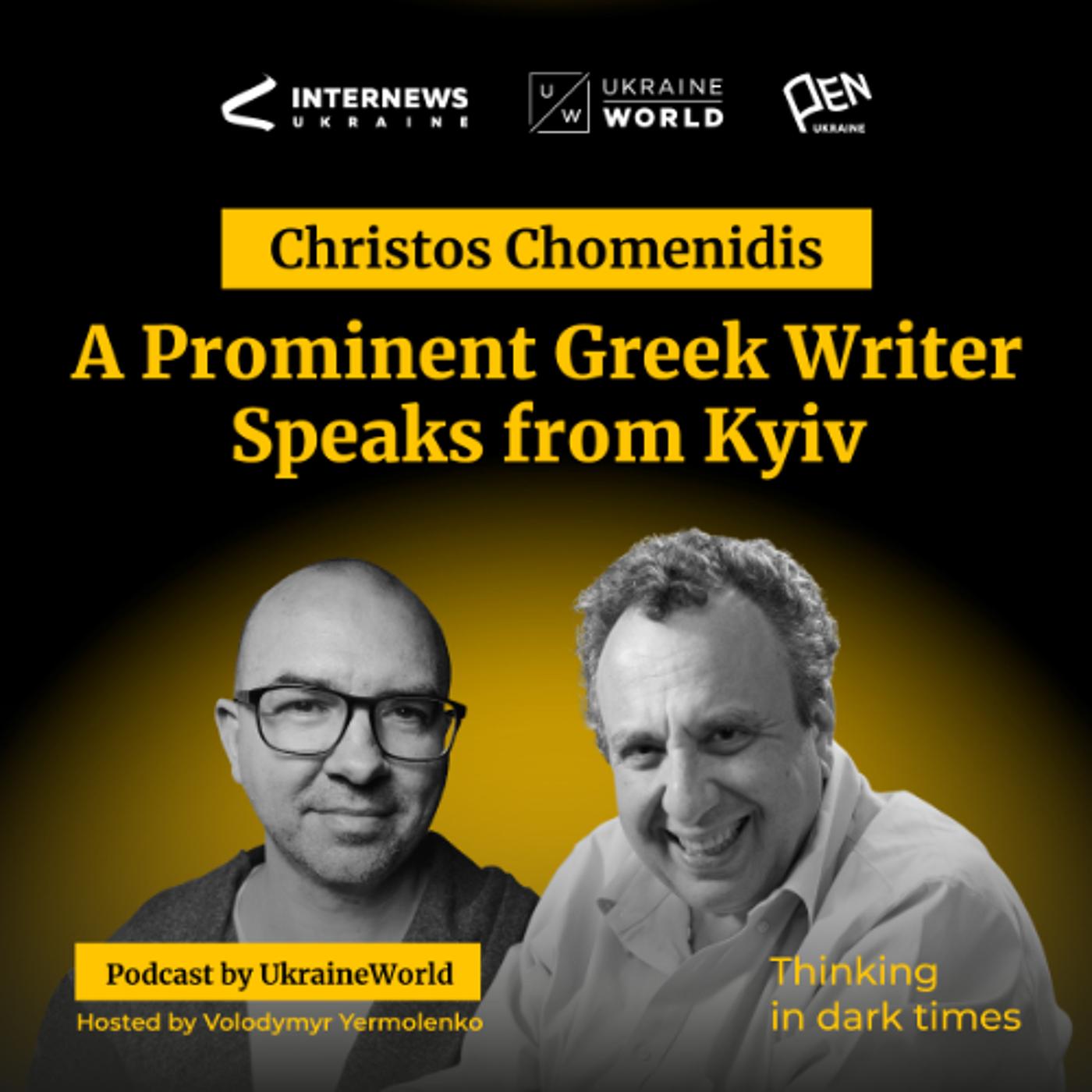
I read this book with absolute passion. While it is a novel, it is truly an epic—the story of a family told through the greatest upheavals and disasters of the 20th century. Although it is set in Greece, we Ukrainians can deeply relate to this story: a narrative where global events shape your life …
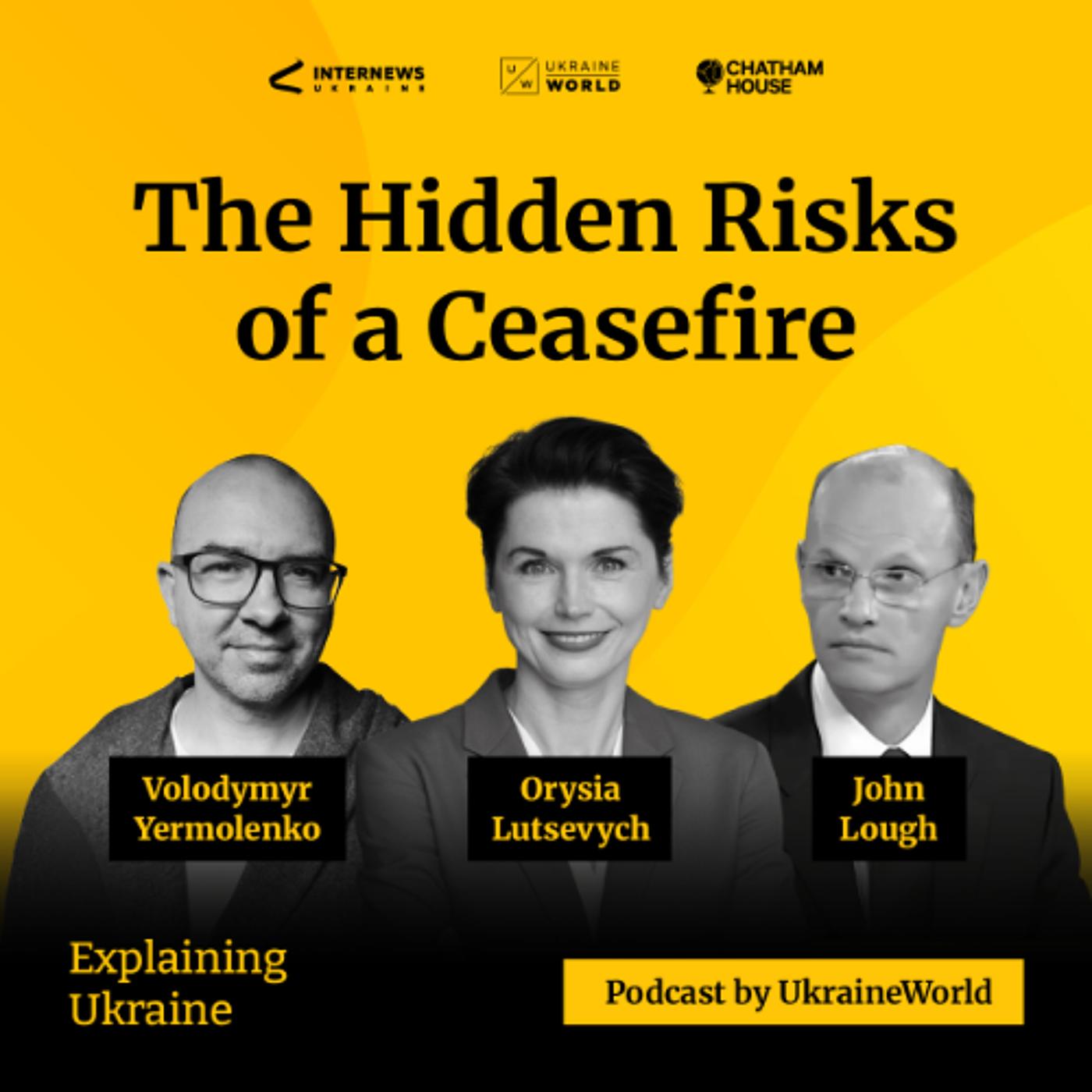
When people look at this war from the outside, they often ask one question: When will it end? Many assume that if a ceasefire is reached, the war will be over and life will return to normal.
But we should not confuse a ceasefire with a lasting peace—or, more importantly, with a just peace that res…
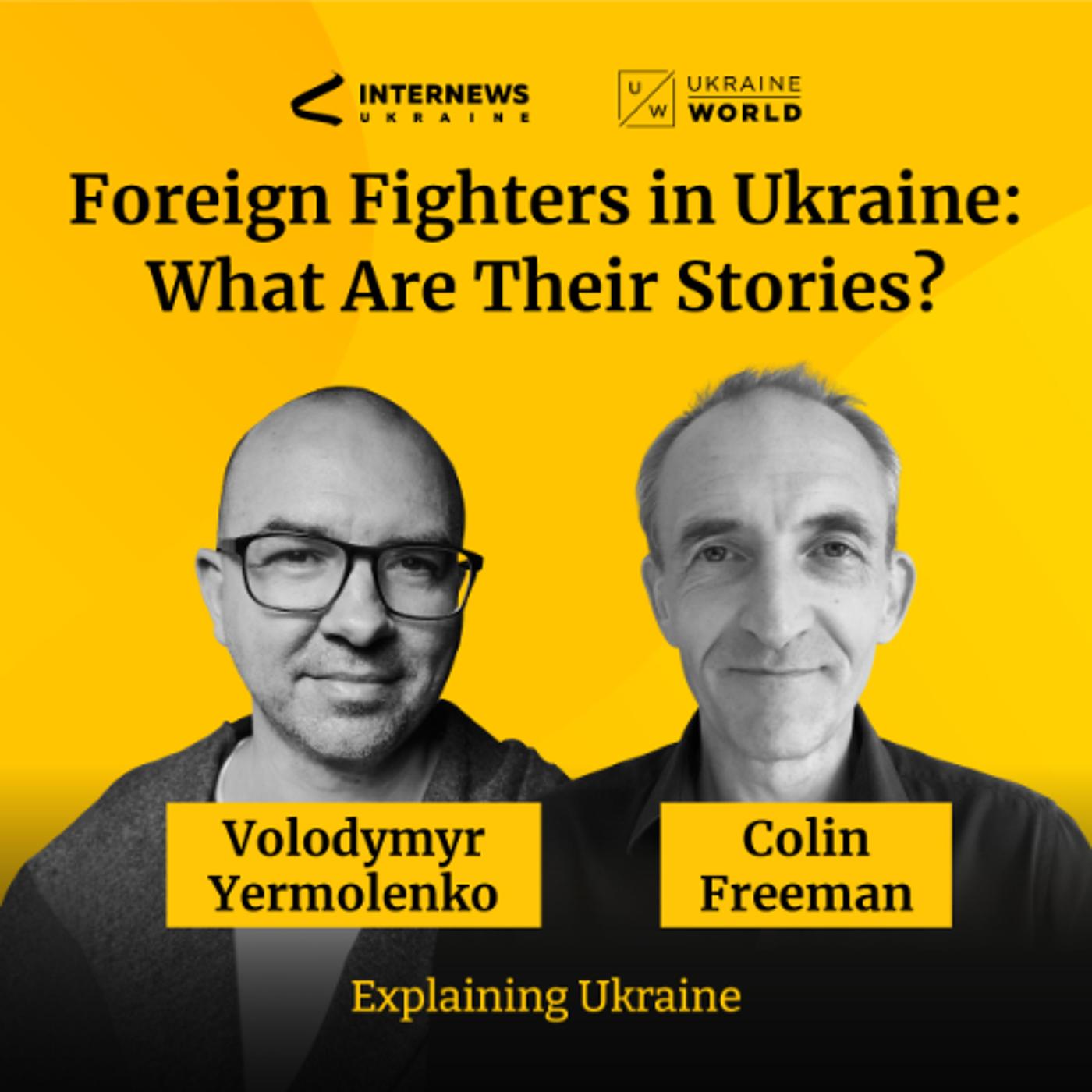
Although Russia claims to be waging a war against the so-called West, no other country has officially deployed its military to fight alongside Ukraine. Instead, thousands of individuals from across the globe have made the personal choice to join the Ukrainian defense. Who are these foreign voluntee…
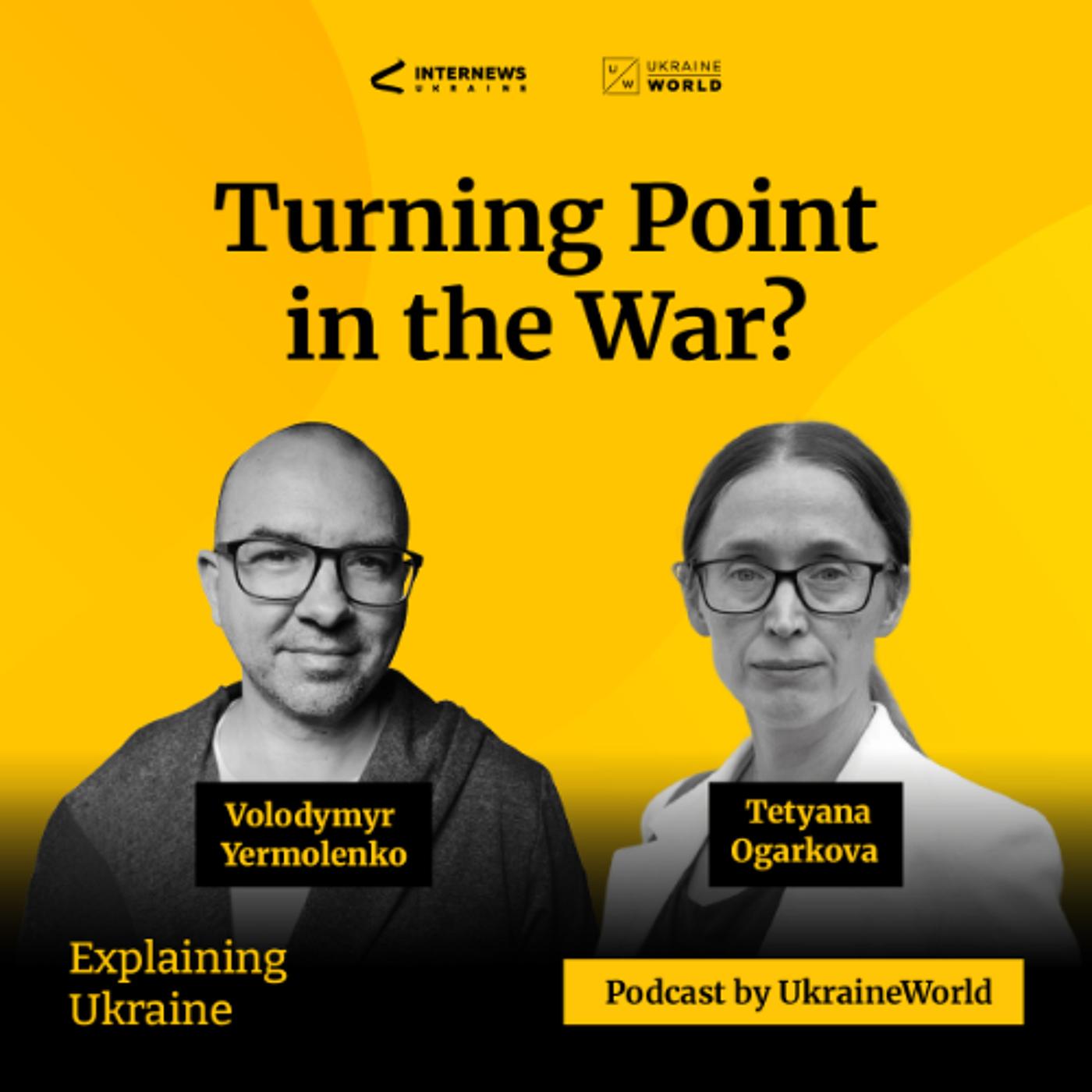
Many things have changed this year. Ukraine is now striking targets deep inside Russian territory on a regular basis. Russia’s traditional strengths—its vast territory and abundant resources—are increasingly becoming liabilities. The war may be approaching a turning point. It is time to seriously c…
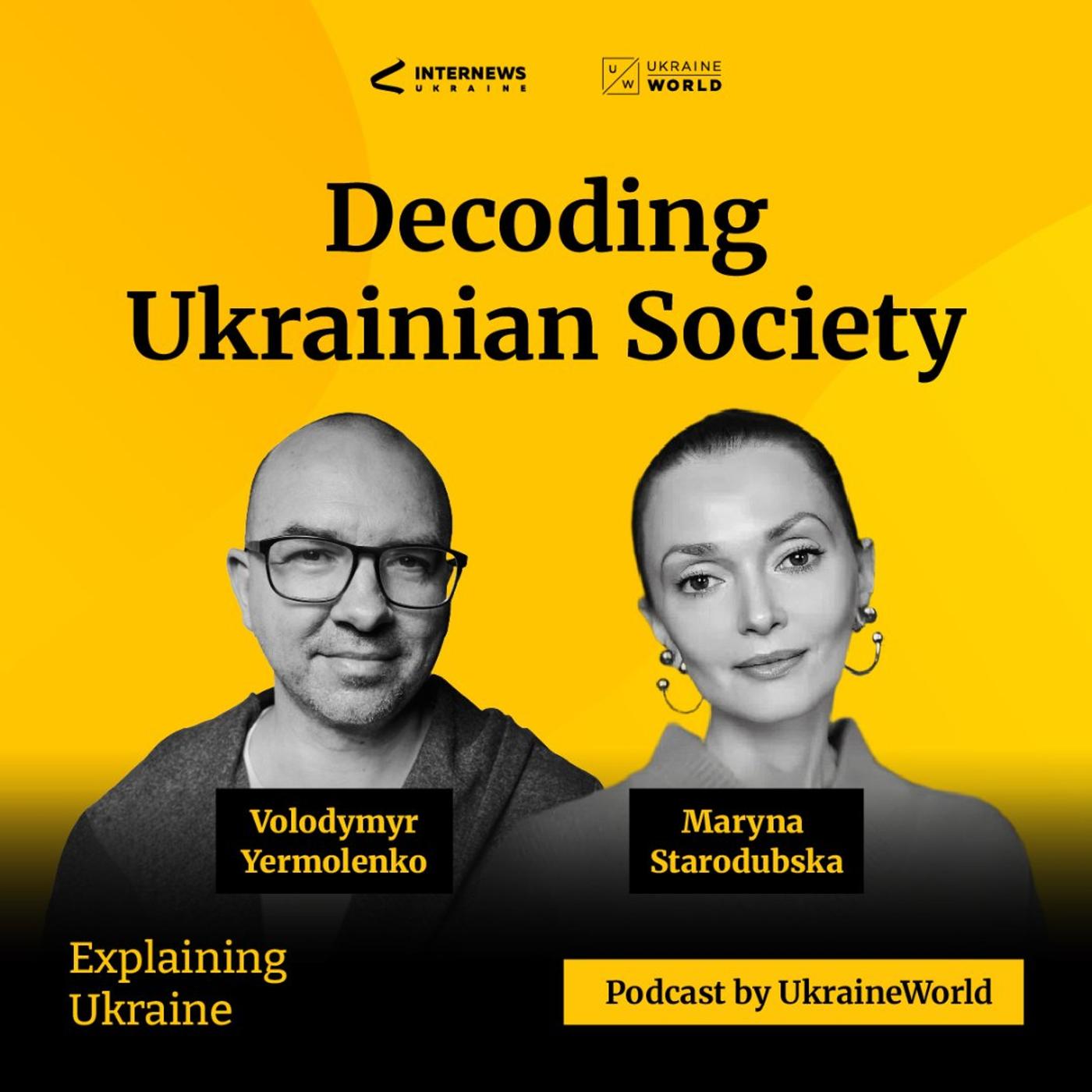
What values define Ukrainian society? How accurate is it to say that Ukrainians have high levels of horizontal trust—trust in one another—but low trust in public institutions? How should we understand power distance in Ukraine? Is corruption really as great a threat as it is often portrayed, or is …
سلب مسئولیت: پادکست و آثار هنری تعبیه شده در این صفحه متعلق به UkraineWorld است که متعلق به صاحب آن است و به Listen Notes، Inc وابسته یا تایید نشده است.
ویرایش
از کمک شما برای بروز نگهداشتن پایگاهدادههای پادکست سپاسگزاریم
