

درباره این اپیزود
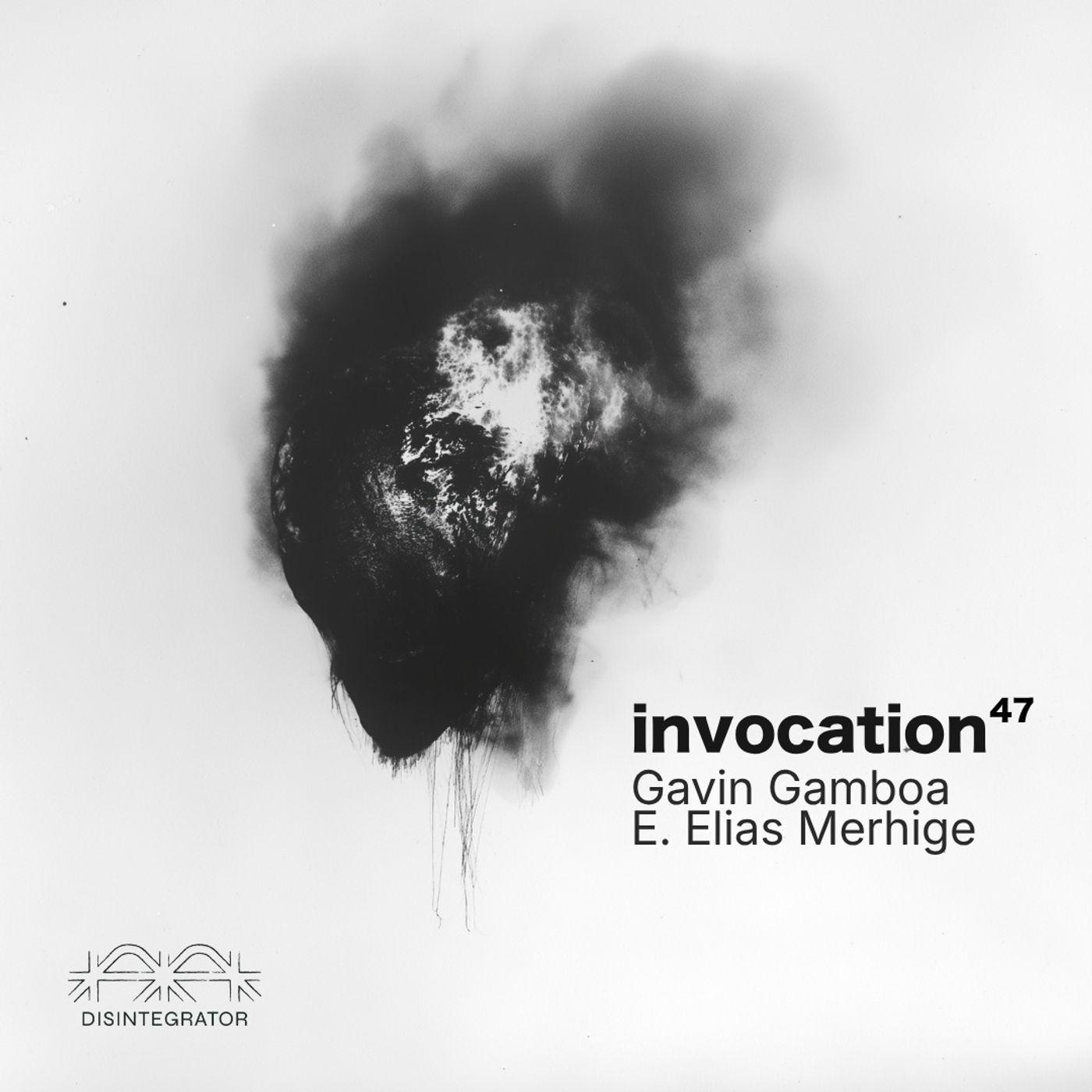
E. Elias Merhige is the experimental filmmaker behind Begotten (1989) and its sequels Din of Celestial Birds (2006) and Polia & Blastema: A Cosmic Opera (2022), as well as Shadow of the Vampire and Suspect Zero.
Gavin Gamboa is a composer, pianist, and video artist who wrote the music for Polia & Blastema and works in local-first "digital gardens" and the piano repertoire.
What began as their shared film becomes, here, a way into a single question Elias poses at the top: what is being born through us - and is that thing digesting us on its way out?
From there the conversation moves through desire and digestion as the engine of creation, and what happens when the interval between the wound and the poem collapses to nothing. Merhige treats AI as atavistic rather than alien: a dark mirror, an artificial unconscious, a "necromantic bureaucracy" of dead expressions made responsive, and reads the manuscript and the personal library as older machines through which the dead already speak.
Gamboa holds a more skeptical line, defending manual effort and drawing on Marshall McLuhan's "auto-amputation" and his own experiments training models on his audio.
The guests & their work
- Gavin Gamboa: composer, pianist, video artist gavingamboa.net
- E. Elias Merhige: filmmaker; his 1989 debut Begotten anchors the "Begotten trilogy" - Begotten on Wikipedia
- Polia & Blastema: A Cosmic Opera (2022) — premiere Q&A with all three (Vimeo)
- Thomas Moynihan, “The GASTRULATION of GEIST: or, an Extended Meditation upon the World-Historical Connection Between Digestion and Simulation,” Vast Abrupt, 8 February 2018, link.
- Kate Crawford, "Eating the Future: The Metabolic Logic of AI Slop," e-flux
- Federico Campagna, Technic and Magic: The Reconstruction of Reality (Bloomsbury, 2018), Bloomsbury
انگلیسی
ایالات متحده آمریکا
محتوای صریح
در این اپیزود
رونوشت 🔗
Are you the producer of this podcast?
Add a podcast transcript
Need Audio-to-Text?
Transcribe with Listen411 in Just 60 Seconds
جستجوی اپیزودهای گذشته
اپیزودهای قبلی Disintegrator را جستجو کن.
قسمت های دیگر در این پادکست
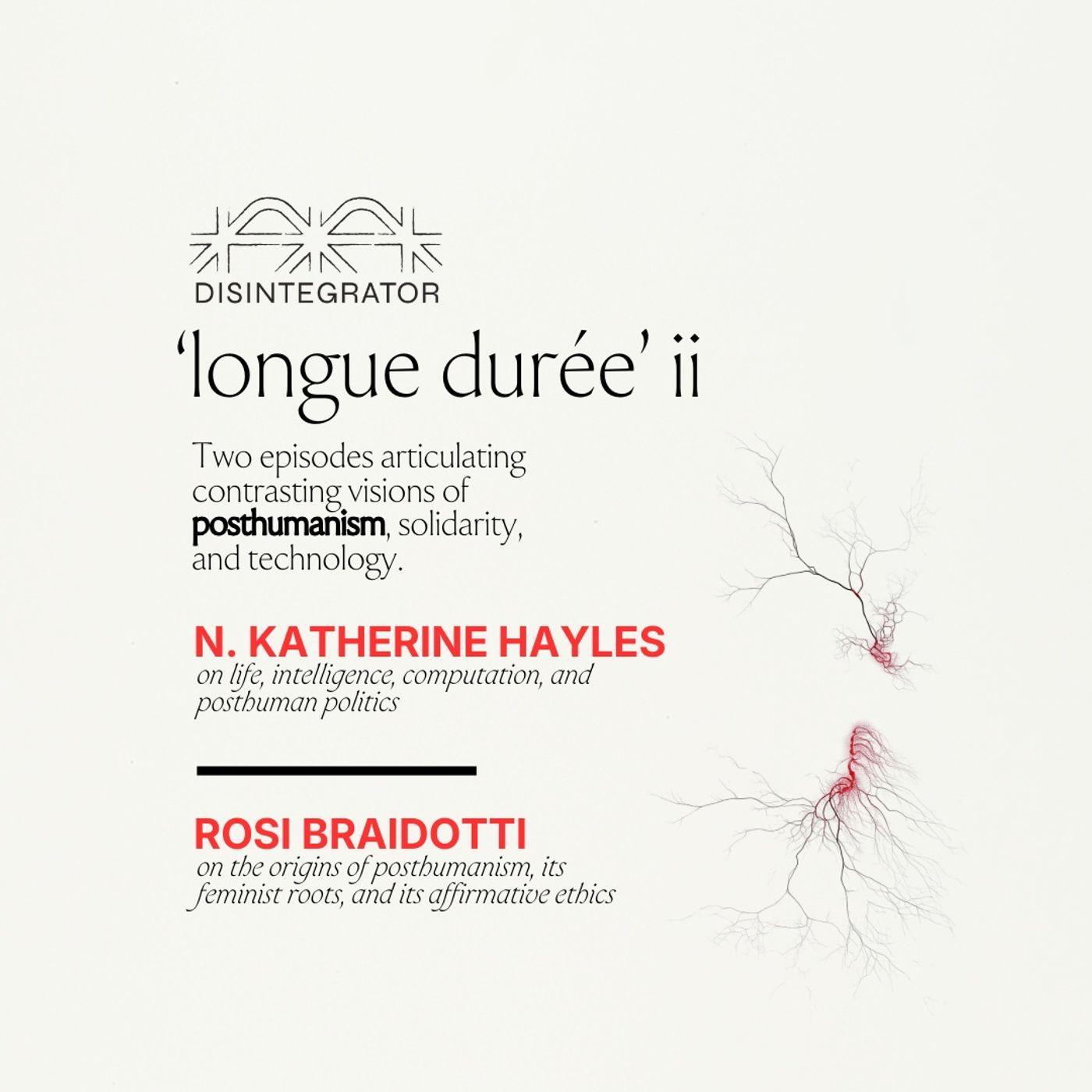
We're joined by Rosi Braidotti, Distinguished University Professor Emerita at Utrecht University and founding director of the Centre for the Humanities, for a wide-ranging conversation on posthumanism as both a philosophical project and a political orientation.Braidotti's work has constructed one o…

Salesforce Child is our favorite artist.More here and on her instagram @salesforcechild.We're on TOUR see us:NY Sat 3/7: https://luma.com/k3ffx3zeYALE Sun 3/8: https://exocapitalismthedatacentr.rsvpify.comMIT Mon 3/9: https://docs.google.com/forms/d/e/1FAIpQLSf4Jh4UAS4ZehWgZWHhlEWyMZNBvzcML-vWdBHOk…
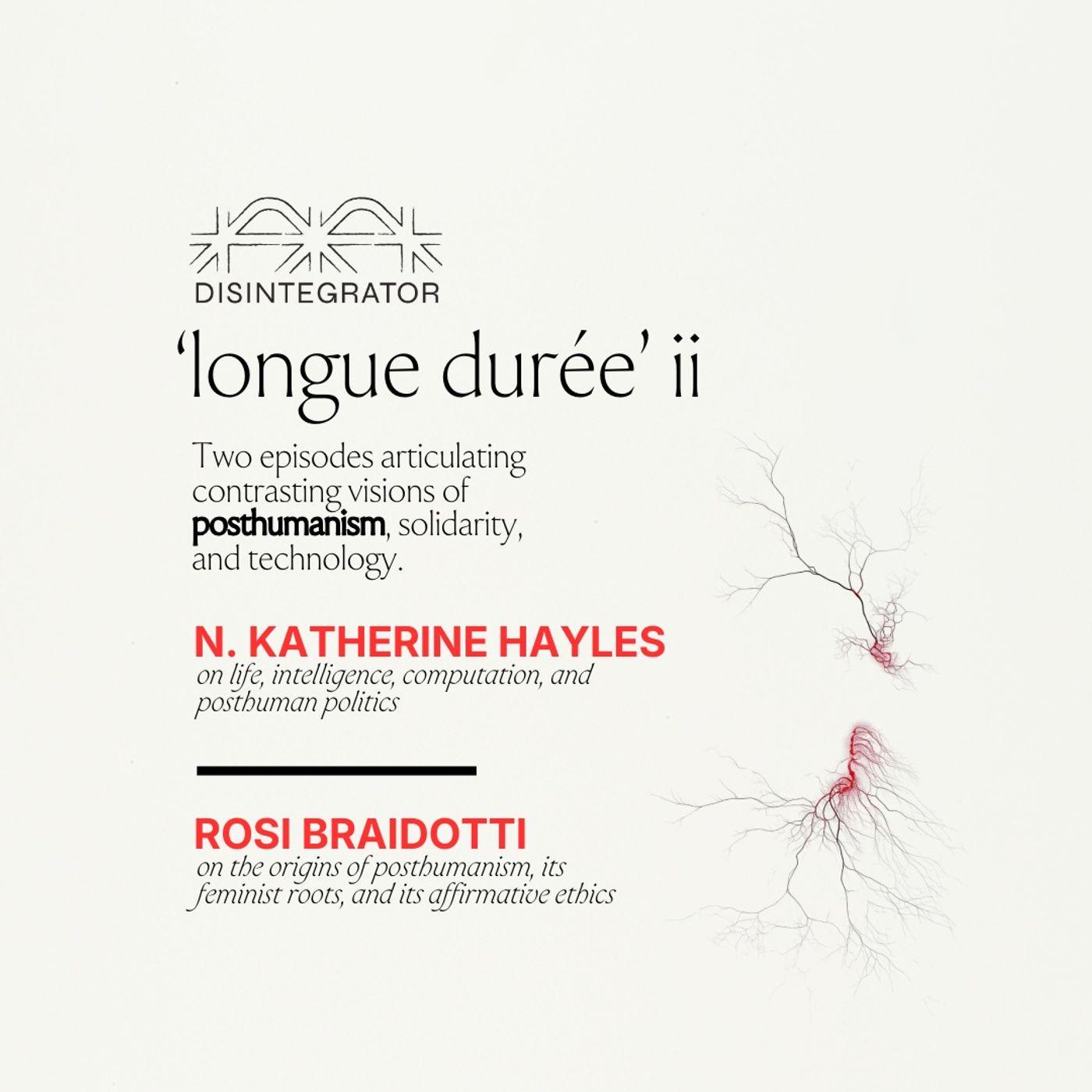
We're joined by N. Katherine Hayles, Distinguished Research Professor in English at UCLA, to think through cognition in the broadest and most scaled sense. Hayles is among the foundational thinkers of posthumanism in its Anglophone register, and this conversation tracks her intellectual trajectory …
Molly Taft, Senior Writer at Wired, joins us to talk datacenters, AI, US power infrastructure, and big energy. You've almost definitely read her work, especially if you live in the US. This episode absolutely ROCKS and is maybe the most grounded and realistic assessment of the role that all of thos…
We're joined by Laura Tripaldi: material scientist, writer, and researcher at the Center for AI and Culture at NYU Shanghai. You probably know her from Parallel Minds: Discovering the Intelligence of Materials (Urbanomic, 2022), an essay in book form that became a phenomenon in theory and art circl…
سلب مسئولیت: پادکست و آثار هنری تعبیه شده در این صفحه متعلق به Roberto Alonso Trillo, Marek Poliks, and Helena McFadzean است که متعلق به صاحب آن است و به Listen Notes، Inc وابسته یا تایید نشده است.
ویرایش
از کمک شما برای بروز نگهداشتن پایگاهدادههای پادکست سپاسگزاریم
