
درباره این اپیزود

AI agents are getting easier to build and connect. Open standards now let them discover each other, pass messages and use shared tools. But connecting agents is not the same as getting them to work toward the same goal, and research on multi-agent systems shows that misalignment grows with every agent you add. For professionals deploying agents, this shows up as handoffs that fail and results that don’t add up, even when each agent is right on its own. How do agents agree on what a task means? What does a team need in place before adding more agents? And how do you know the combined result is better?
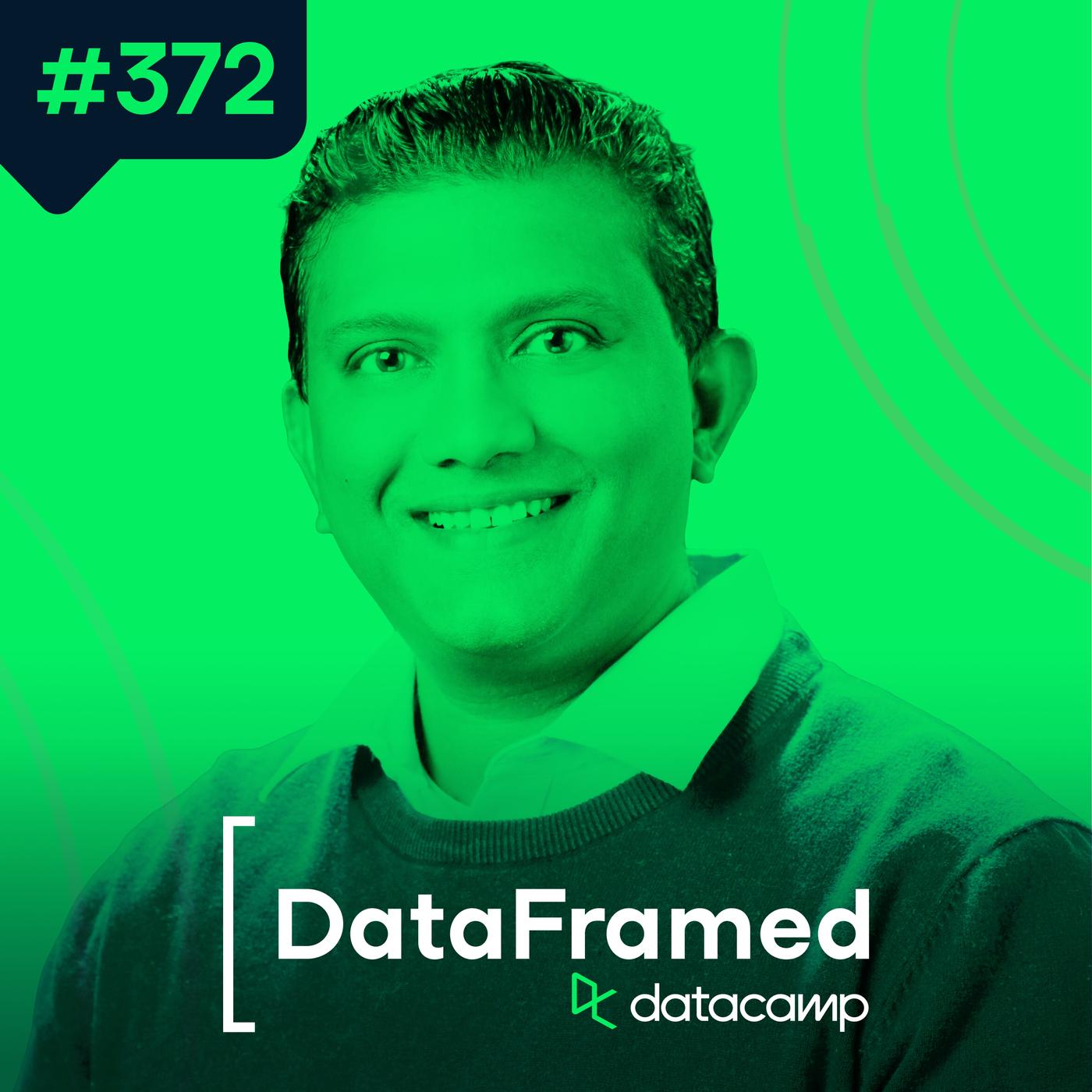
Vijoy Pandey is SVP and GM of Outshift by Cisco, the company’s incubation engine for emerging technologies such as agentic AI and quantum networking. He has spent about three decades building distributed infrastructure at Google, IBM and startups, holds a PhD in Computer Science from UC Davis, and has filed more than 80 patents.
In the episode, Richie and Vijoy explore the cognitive revolution and what it means for agents, the Internet of Cognition, coordination failures in multi-agent systems, agent protocols and guardrails, task-based access control, tiny teams with tokens (T3), organizational memory and context leaders, measuring whether agents are actually better, emergent collective intelligence, and much more.
Links Mentioned in the Show:
- AGNTCY: open-source agent connectivity project
- Model Context Protocol (MCP) and Agent2Agent protocol (A2A)
- Outshift: Internet of Cognition
- Coherent Cognition, Vijoy’s Substack
- Michael Tomasello: A Natural History of Human Thinking
- Michael Levin: talks and interviews
- Connect with Vijoy
- AI-Native Course: Intro to AI for Work
- Related Episode: AI Agents Are the New Shadow IT (And Your Governance Isn’t Ready) with Stijn Christiaens, CEO at Collibra
New to DataCamp?
- Learn on the go using the DataCamp mobile app
- Empower your business with world-class data and AI skills with DataCamp for business