

درباره این اپیزود
Historically, much of the automation/augmentation in insurance has occured in consistent, structured types of risk (e.g. auto). At a reinsurer like Swiss Re, risk is complex, inconsistent, and global in scale; LLMs are a major unlock. And this is just one of many learnings from Luca.
Key Takeaways
- [00:12] Luca's background PhD and two post-docs, with a focus on the core math of machine learning
- [01:43] Background on Swiss Re's business
- [05:14] What are the primary functions in a given business line?
- [07:51] Where's the bulk of the headcount in the business?
- [09:45] What does a claim between an insurer and reinsurer look like?
- [13:32] When did we start transitioning from paper pushing into the first wave of digitization?
- [14:54] Fair to say that Swiss Re is involved primary in less standard types of risk given focus on reinsurance and complex primary insurance? And therefore less automated today?
- [16:25] What's the role of your team?
- [19:15] How do you address this problem of underwriting/pricing tail risk?
- [20:22] Breaking down data extraction into 1) extracting known data fields into structured systems 2) extracting information on a bespoke/one-off basis
- [25:13] Have you observed post ChatGPT that your colleagues were starting to use these tools organically? Or have you tried to disallow this behavior?
- [26:23] How exactly have you seen this tech changing workflows?
- [27:27] How have you thought about implementing these models? What challenges have you run into?
- [29:21] Are these tools something you'd like to buy externally or build in-house?
- [33:49] Do you think that the document-based Q&A format will hold as the long-term form factor?
- [35:53] Zooming out from doc data extraction in underwriting/claims, are there insights you can add in other areas e.g. new product development?
- [40:38] Are there other major categories or excitement or time investment for your team that we should be talking about?
انگلیسی
ایالات متحده آمریکا
رونوشت 🔗
Are you the producer of this podcast?
Add a podcast transcript
Need Audio-to-Text?
Transcribe with Listen411 in Just 60 Seconds
جستجوی اپیزودهای گذشته
اپیزودهای قبلی Closing the Loop with Andrew Camel را جستجو کن.
قسمت های دیگر در این پادکست
Few companies are better positioned to benefit from LLMs than Tegus; the company has 60k transcripts of calls between investors and experts, each many pages long and rich with interesting information. Michelangelo outlines several interesting product ideas, many of which are replicable in other sce…
There are two major themes governing the cybersecurity market: a labor shortage in security talent, and phishing being the single largest threat vector. In a few different form factors, LLMs can start to fully close automation loops and solve this labor problem. Meanwhile, LLMs will amplify the sca…
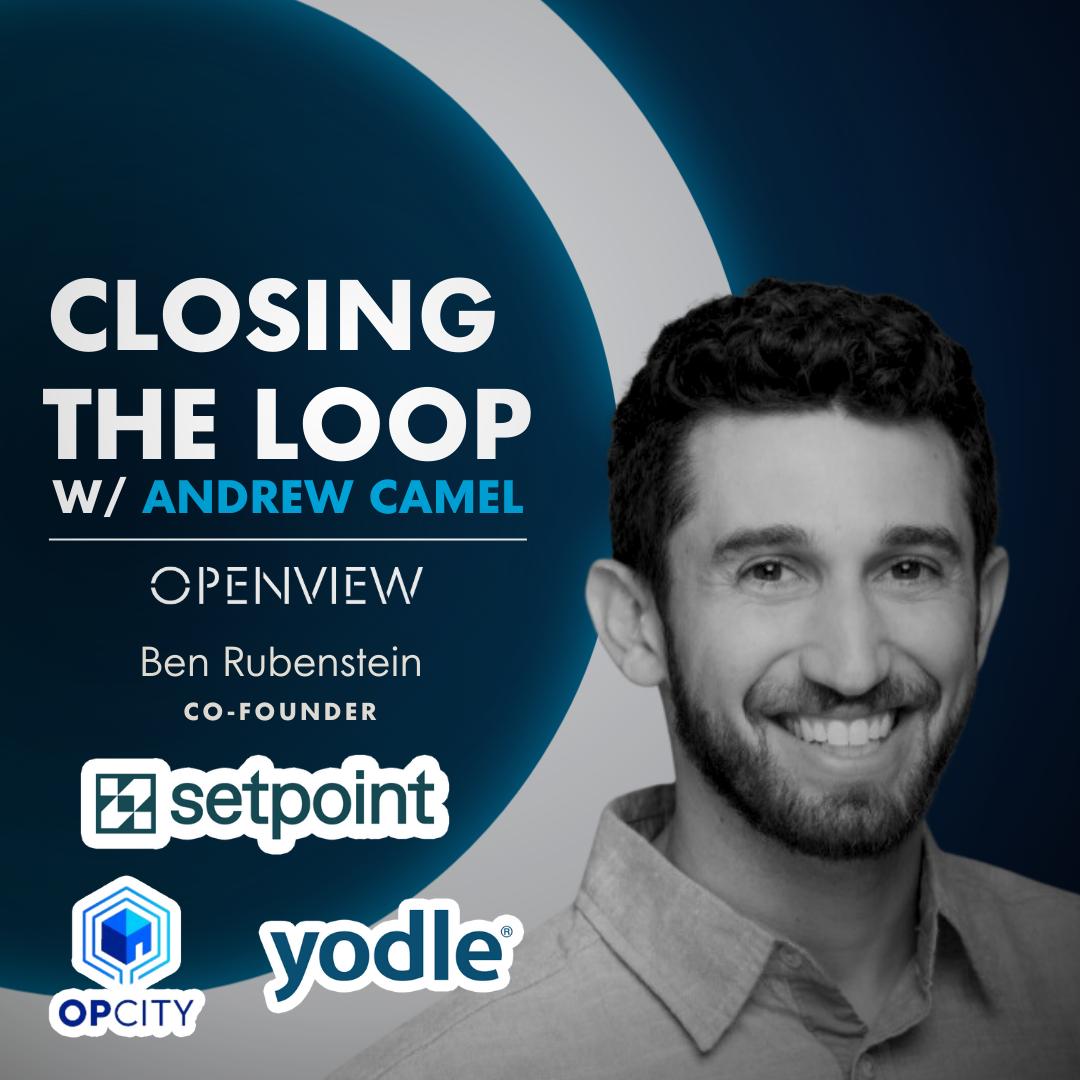
Ben Rubenstein had two successful exits, both enabled by taking data-driven sales team & process optimization to the extreme. New technologies in the world of AI have moved the max optimization limit much further forward, and it's now possible to take Ben's ideas to their full potential.
Topic…
LLMs are already transforming Zapier's business. They're seeing 100x productivity improvements on internal processes that drive user acquisition, deflecting a large volume of customer support requests by improving the handling of user-facing error messages. But most interesting is that Zapier views…
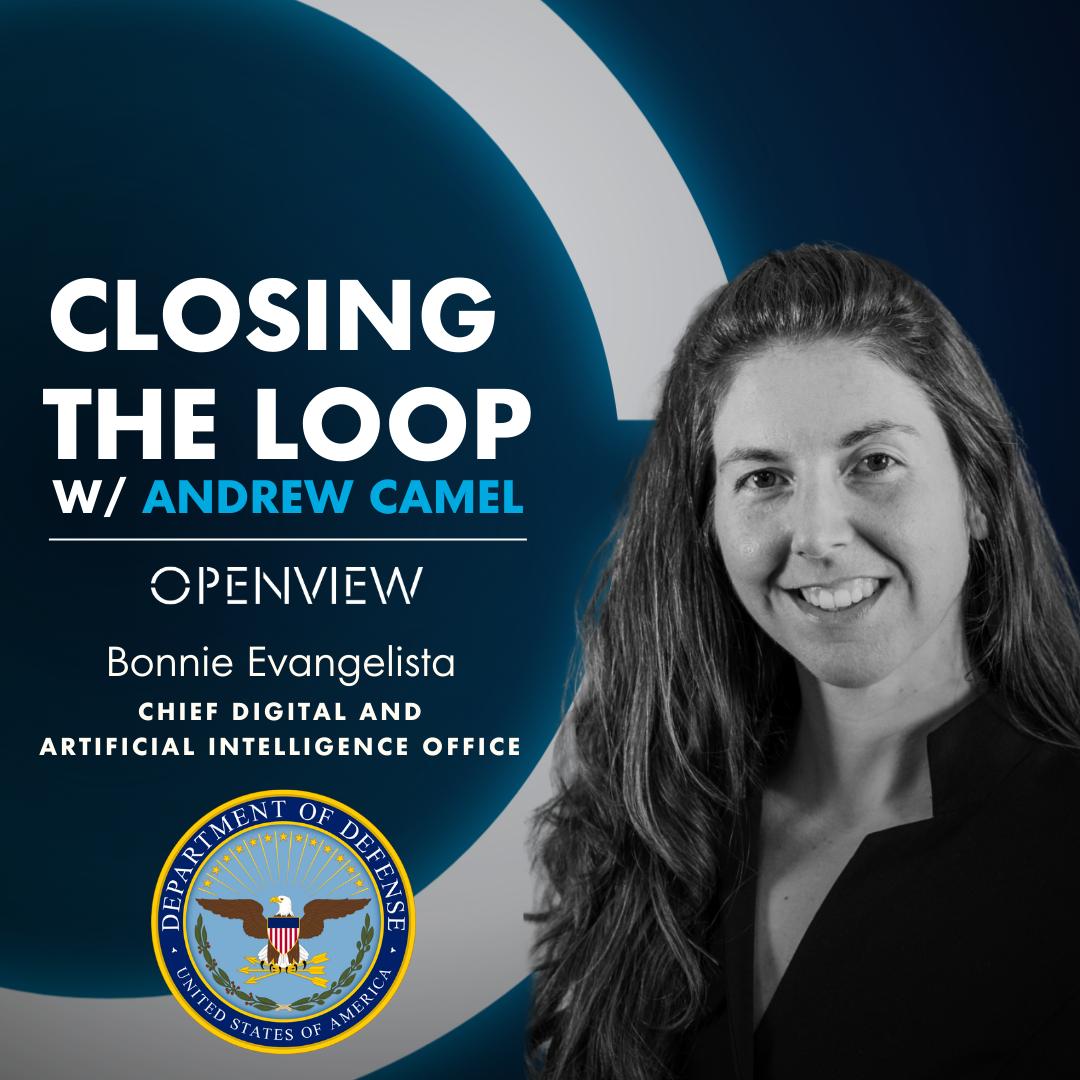
A significant portion of inefficiency in government contracting can be attributed to the writing & processing of long-form documents. Internal buyers from the four branches must write these documents to describe their needs and vendors must write them to respond. One forward-thinking group has …
سلب مسئولیت: پادکست و آثار هنری تعبیه شده در این صفحه متعلق به Andrew Camel است که متعلق به صاحب آن است و به Listen Notes، Inc وابسته یا تایید نشده است.
ویرایش
از کمک شما برای بروز نگهداشتن پایگاهدادههای پادکست سپاسگزاریم
