


درباره این اپیزود

What if the fastest path to reliable clean electricity is not a new reactor design, but a new place to put one? In this conversation, Paul Shapiro speaks with Elizabeth Muller, CEO of Deep Fission, about a plan to place a conventional pressurized water reactor roughly a mile underground to use geology, gravity, and groundwater for containment, pressure, and emergency cooling, potentially cutting total nuclear costs by as much as 80%. They unpack how a narrow borehole reactor could serve always-on demand from data centers and industrial users, what "proven tech combined in a new way" really means, how safety and groundwater concerns are handled through regulation and engineering practices, and the practical milestones from pilot to commercial operation so listeners can evaluate what it would take for underground nuclear to scale. Things You Will Learn
- How putting a conventional reactor in a mile-deep borehole can replace major above-ground systems and cut nuclear cost drivers.
- How Deep Fission thinks about worst-case scenarios, groundwater protection, and regulatory proof points.
- What milestones convert LOIs into power purchase agreements, and what timelines look like for early deployment.
- Geology-as-infrastructure – Uses rock, gravity, and water to replace containment and pressurization systems.
- Mature-tech recombination – Combines proven reactors, drilling, and geothermal heat transfer to speed time to market.
- Pilot-to-commercial pathway – Separates "go critical" demonstration from commercial electricity generation milestones.
انگلیسی
ایالات متحده آمریکا
رونوشت 🔗
Are you the producer of this podcast?
Add a podcast transcript
Need Audio-to-Text?
Transcribe with Listen411 in Just 60 Seconds
جستجوی اپیزودهای گذشته
اپیزودهای قبلی Business for Good Podcast را جستجو کن.
قسمت های دیگر در این پادکست
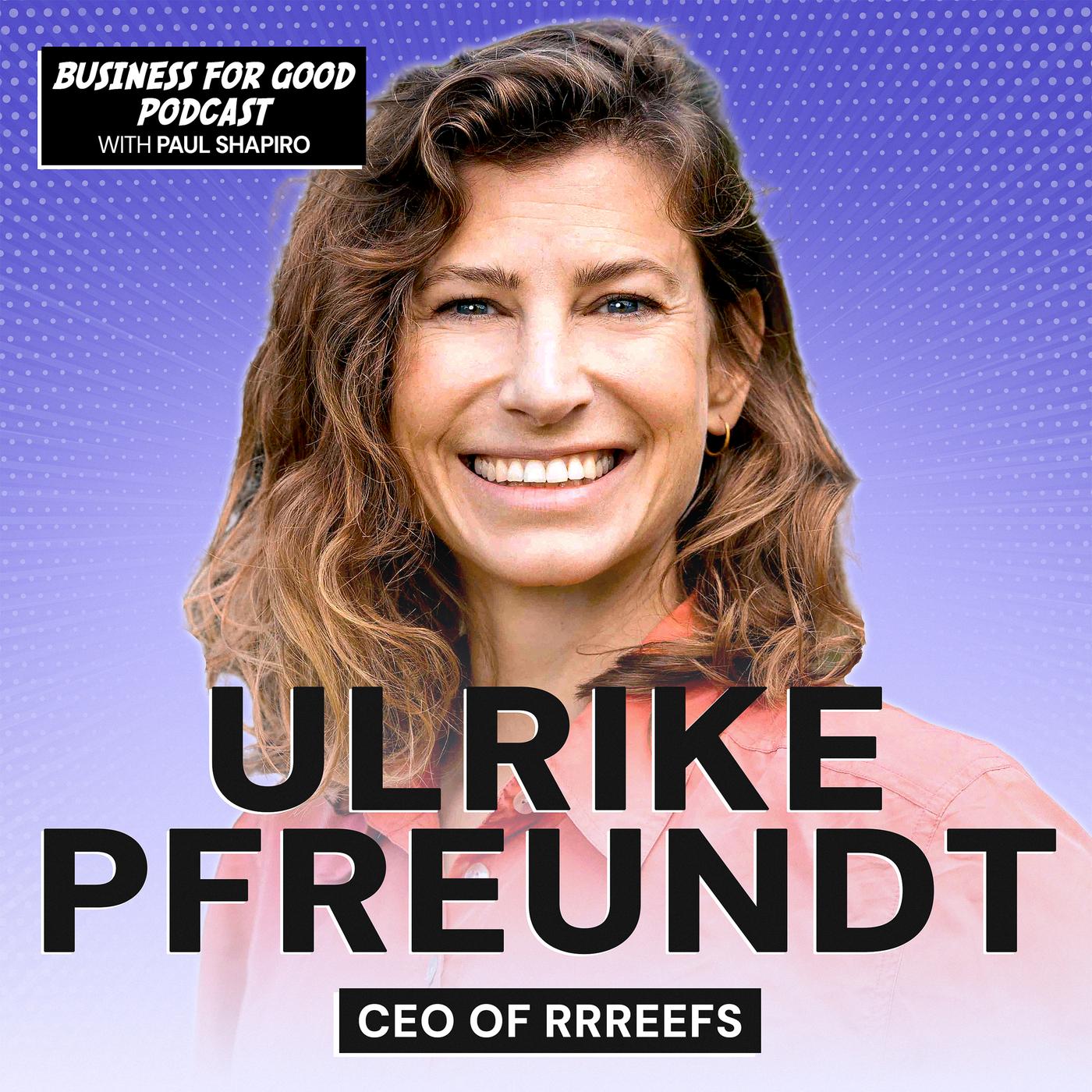
Coral reefs cover less than one percent of the ocean floor but support roughly a quarter of all marine life. They are dying fast, and in many places, the physical structure of the reef itself has already crumbled away. Without that foundation, coral larvae have nowhere to land, and marine ecosystem…

Every year, roughly a billion birds die from flying into glass windows and buildings. The problem is massive, well-documented, and largely invisible to the public. In this episode of Business For Good, Paul Shapiro talks with Dominique Waddoup, CEO and Founder of BirdShades, about how she went from…

What if the things you believe are best for the environment are actually making it worse? In this episode of Business For Good, Paul Shapiro sits down with Hannah Ritchie, data scientist at Our World in Data and author of Not the End of the World and Clearing the Air, to challenge some of the most …
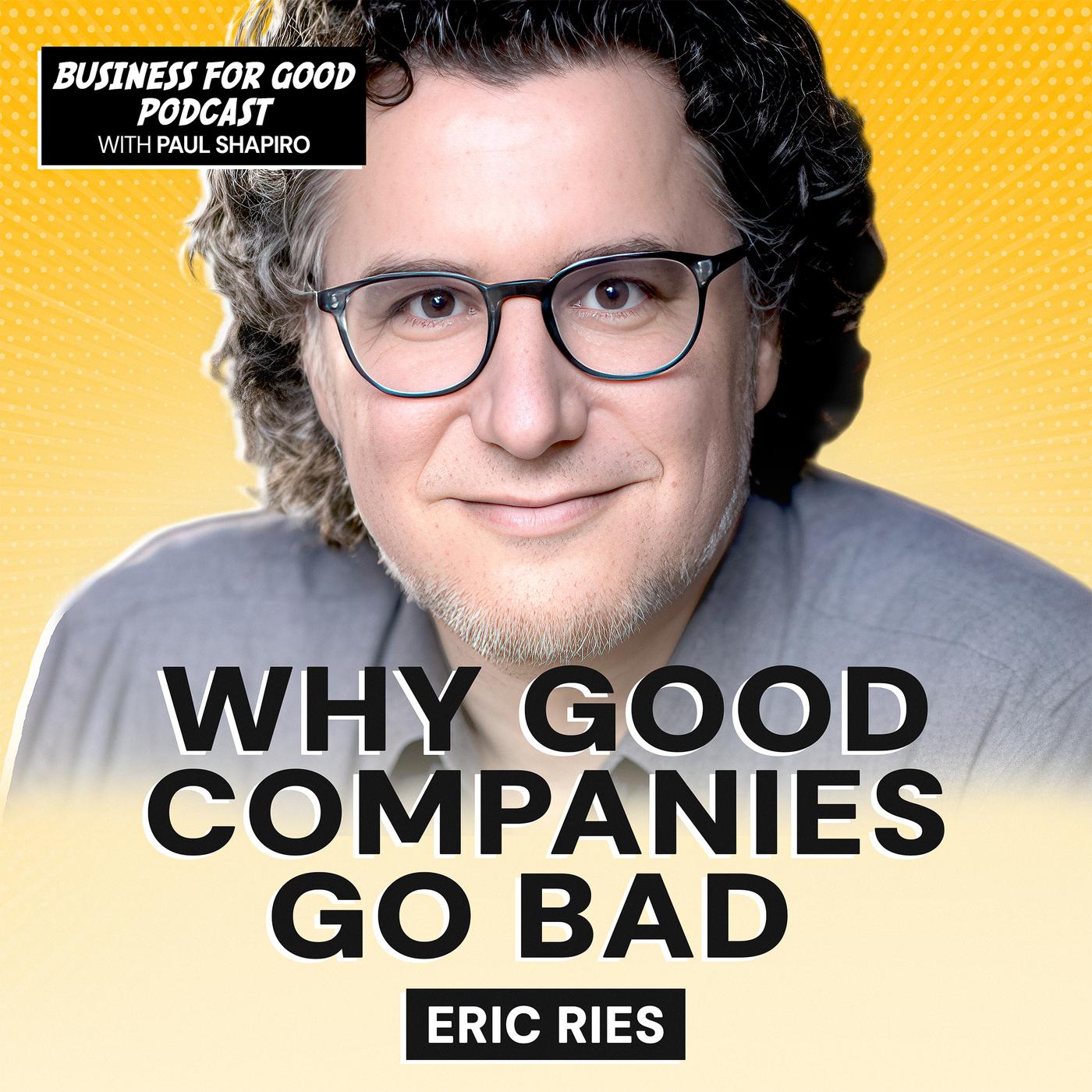
Most founders assume that building a great product and serving customers well will be enough to protect what they have built. Eric Ries, author of The Lean Startup and the new book Incorruptible, argues that the assumption is dangerously wrong. In this episode of Business For Good, Paul Shapiro sit…
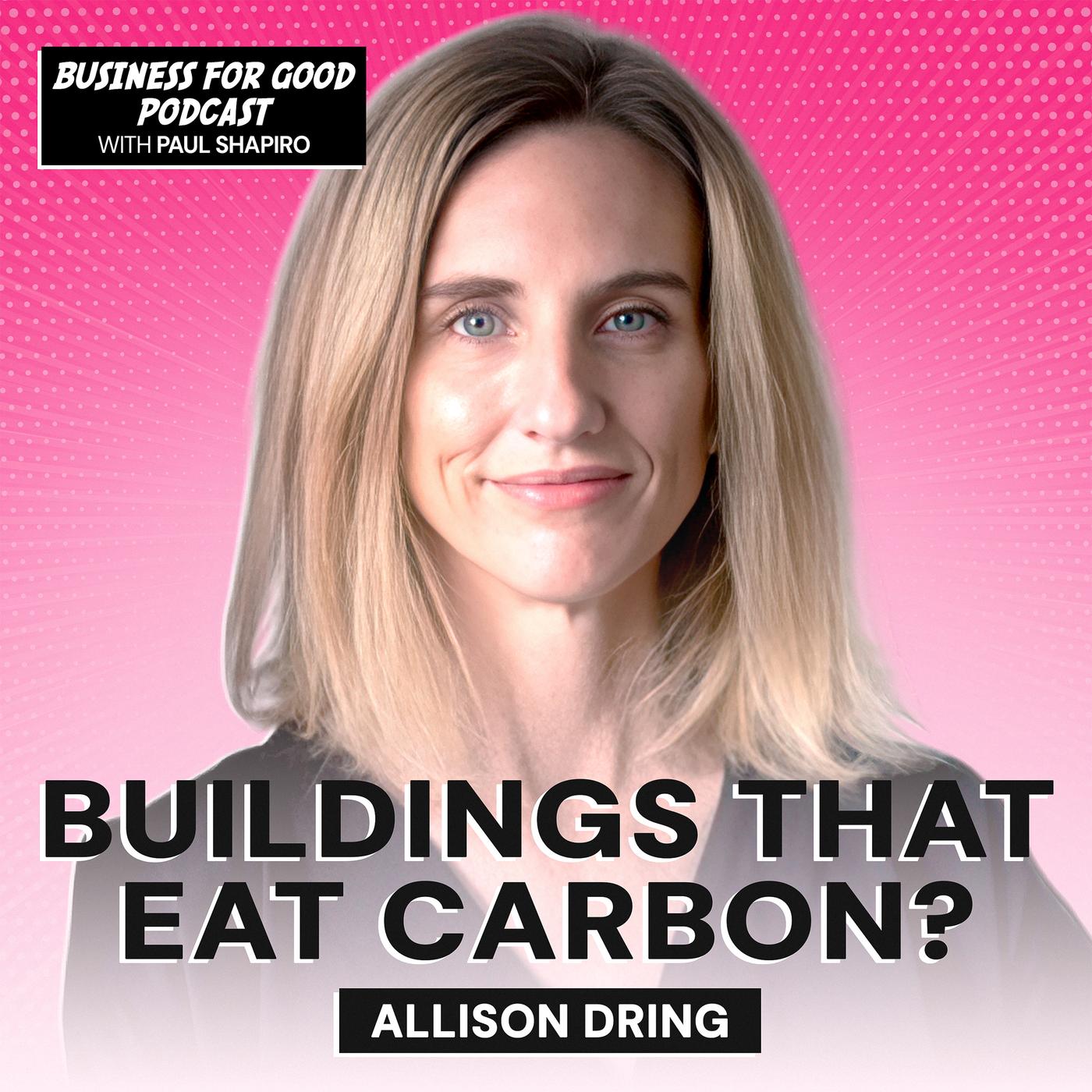
Right now, roughly 40% of global emissions come from the built environment. Most of those emissions are hidden deep within the materials themselves, in the concrete, steel, and plastics that are mined or extracted from underground at enormous energy costs. What if that model could be reversed entir…
سلب مسئولیت: پادکست و آثار هنری تعبیه شده در این صفحه متعلق به Paul Shapiro است که متعلق به صاحب آن است و به Listen Notes، Inc وابسته یا تایید نشده است.
ویرایش
از کمک شما برای بروز نگهداشتن پایگاهدادههای پادکست سپاسگزاریم
