


ACERCA DE ESTE EPISODIO
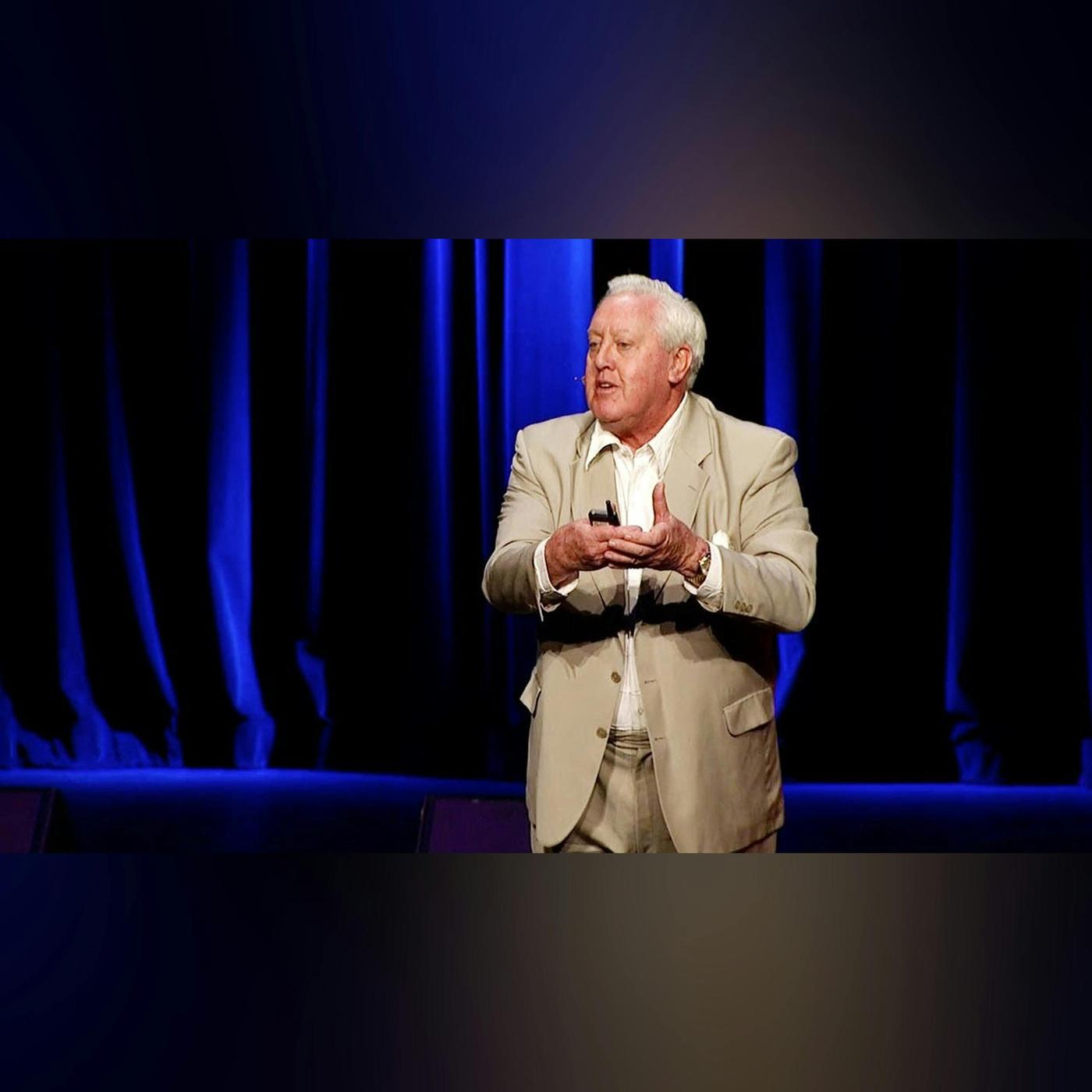
Scott Fraser studies how humans remember crimes -- and bear witness to them. In this powerful talk, which focuses on a deadly shooting at sunset, he suggests that even close-up eyewitnesses to a crime can create "memories" they could not have seen. Why? Because the brain abhors a vacuum. Editor's note: In the original version of this talk, Scott Fraser misspoke about available footage of Two World Trade Center (Tower 2). The misstatement has been edited out for clarity.
Talk by Scott Fraser
Learn more about your ad choices. Visit megaphone.fm/adchoices
Inglés
Estados Unidos
TRANSCRIPCIÓN 🔗
Are you the producer of this podcast?
Add a podcast transcript
Need Audio-to-Text?
Transcribe with Listen411 in Just 60 Seconds
BUSCAR EPISODIOS ANTERIORES
Buscar episodios anteriores de TED-Ed.
OTROS EPISODIOS EN ESTE PODCAST

Dig into the science of how bone marrow transplants work and find out how you could become a donor by visiting https://join.bethematch.org/tededUploaded 27-01-20--Bones might seem rock-solid, but they’re actually quite porous inside. Most of the large bones of your skeleton have a hollow core fille…

Explore the biological and psychological factors that influence how we experience pain and how our nervous system reactions to harmful stimuli.Uploaded 20-05-19--In 1995, the British Medical Journal published a report about a builder who accidentally jumped onto a nail, which pierced straight throu…

View full lesson: http://ed.ted.com/lessons/how-whales-breathe-communicate-and-fart-with-their-faces-joy-reidenbergUploaded 10-04-14Comparative anatomist Joy Reidenberg studies the body structure of many different animals in the hope of adapting their unique qualities for human applications. Her fa…

View full lesson here: http://ed.ted.com/lessons/einstein-s-miracle-year-larry-lagerstromUploaded 06-01-15As the year 1905 began, Albert Einstein faced life as a “failed” academic. Yet within the next twelve months, he would publish four extraordinary papers, each on a different topic, that were de…

View full lesson: http://ed.ted.com/lessons/why-is-ketchup-so-hard-to-pour-george-zaidanUploaded 08-04-14Ever go to pour ketchup on your fries...and nothing comes out? Or the opposite happens, and your plate is suddenly swimming in a sea of red? George Zaidan describes the physics behind this frust…
Descargo de responsabilidad: El podcast y el arte incluidos en esta página son de TED-Ed, que es propiedad de su propietario y no está afiliado ni respaldado por Listen Notes, Inc.
EDITAR
Gracias por ayudar a mantener actualizada la base de datos de podcasts.
