
00:00:05
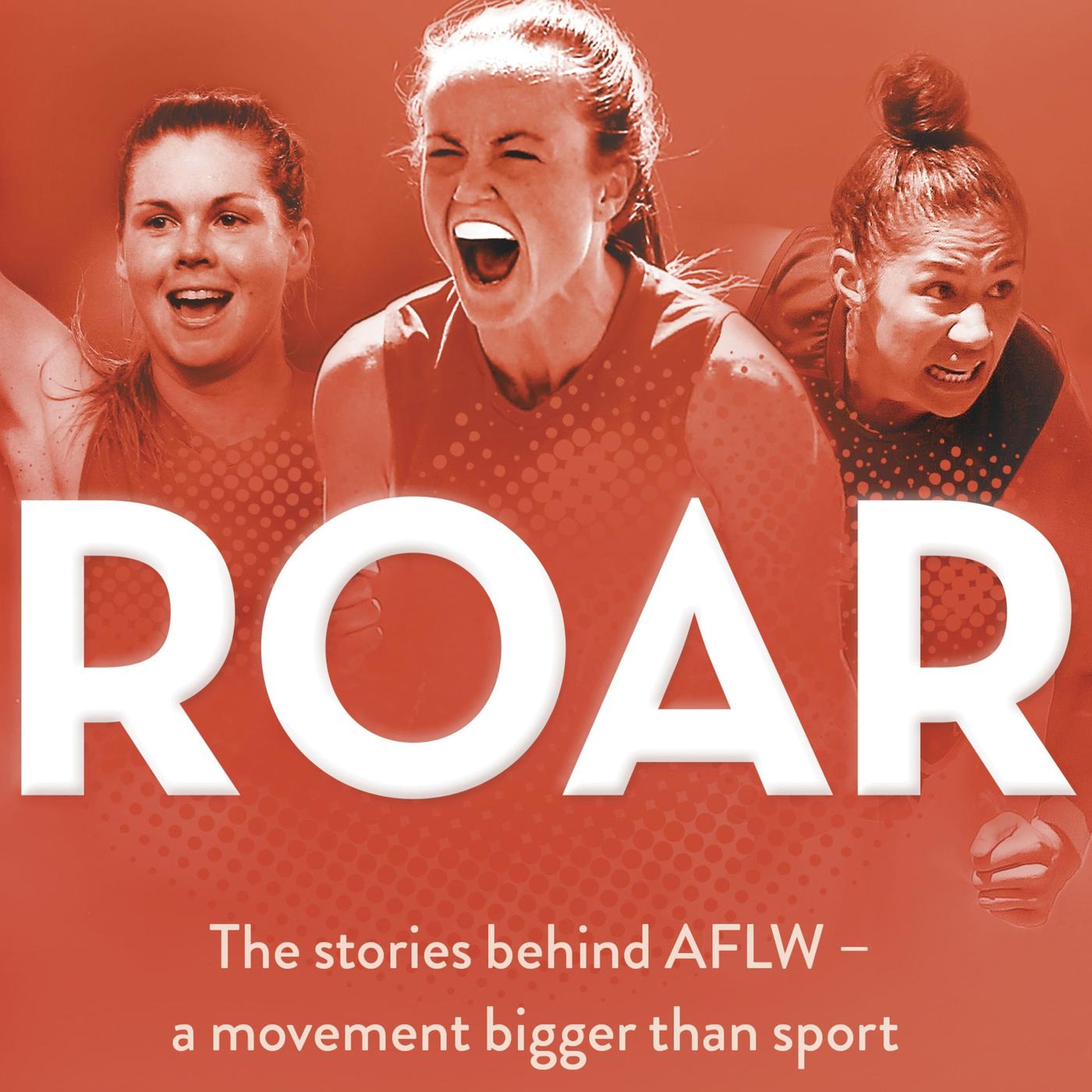
Speaker 1: Appoche production. Welcome to RAW. I'm journalist and author Sam Lane, and this series is an adaptation of my book about the game change in creation of the Australian Football League's competition for women, the AFLW I wrote Raw to record for all time the people, factors, and forces that conspired to smash the sporting patriarchy by radically changing Australia's richest and most watched domestic sporting code. Forever, you're going to meet Raw's champions, the people who simply would not lie down until the AFL did something so profound that most actually considered it impossible until just six years ago. That profound thing was the AFL's decision to include women and girls in Australian rules football the same way they've always included boys and men. It was a decision to give girls and women who aspired to play for an AFL club the same license that boys and men have always had. It was a decision to literally shine a spotlight and television cameras on women playing footy, just like they've always shone on men. It was a decision to give women an AFL competition of their own, and not just to support, but to play in for so long the AFL had no vision for what it could become. The tone of the room shifted significantly. I've never had a coach who can communicate more effectively and get the best out of the playing group as she can. This story is about so much more more than sport. It's about equality. It's about righting the wrongs of gross sexism. It's about upending entrenched and outdated power structures that in twenty twenty three are offensive and intolerable. It's about equal opportunity and it's already changed huge things on and off Australian sporting fields. The champions in Raw were ridiculed and underestimated, dismissed and insulted, ostracized and ignored. A powerful AFL Boys Club had repeatedly kicked them to the curb. But with the opening balance of that first ever AFLW match on February three, twenty seventeen, these champions tasted the sweetest of victories, the inaugural AFL Women's Flash. I know this AFL Boys Club that I mentioned intimately. I've worked around it for the bulk of my adult life, starting straight out of Melbourne UNI as an online reporter, for the AFL website, then as a print journalist at the Age newspaper in Melbourne. I've talked about Ozzie Rules on radio, TV panel shows and broadcast teams, first at Channel ten, then at Channel seven through Australian Winters. My one eyed professional focus was elite men's AFL footy For many years. When I'd get the occasional call about something to do with women's footy, I'd see that as a distraction. Everything I could see in my professional settings told me that nothing else was as important as men playing AFL, and I guess me covering it. In the first six episodes of Raw, you'll hear how the AFL boys club bubble was burst and who exactly joined forces to help burst it, How exactly did they do it, What methods and strategies did they employ to smash the patriarchy. I'm Sam Lane, Join me for Raw. If you haven't subscribed to Raw yet, please do. This recording would not have been possible without the generous philanthropic backing of Ian Darling and the Shark Island Institute. This was recorded in Melbourne, Victoria, where the traditional owners of the land of the Warundry people of the colon nation. I acknowledge these traditional custodians of the land, and I pay my respects to Arundery elders past and present. Go to bed, go to bed it sh
Speaker 1: Appoche production. Welcome to RAW. I'm journalist and author Sam Lane, and this series is an adaptation of my book about the game change in creation of the Australian Football League's competition for women, the AFLW I wrote Raw to record for all time the people, factors, and forces that conspired to smash the sporting patriarchy by radically changing Australia's richest and most watched domestic sporting code. Forever, you're going to meet Raw's champions, the people who simply would not lie down until the AFL did something so profound that most actually considered it impossible until just six years ago. That profound thing was the AFL's decision to include women and girls in Australian rules football the same way they've always included boys and men. It was a decision to give girls and women who aspired to play for an AFL club the same license that boys and men have always had. It was a decision to literally shine a spotlight and television cameras on women playing footy, just like they've always shone on men. It was a decision to give women an AFL competition of their own, and not just to support, but to play in for so long the AFL had no vision for what it could become. The tone of the room shifted significantly. I've never had a coach who can communicate more effectively and get the best out of the playing group as she can. This story is about so much more more than sport. It's about equality. It's about righting the wrongs of gross sexism. It's about upending entrenched and outdated power structures that in twenty twenty three are offensive and intolerable. It's about equal opportunity and it's already changed huge things on and off Australian sporting fields. The champions in Raw were ridiculed and underestimated, dismissed and insulted, ostracized and ignored. A powerful AFL Boys Club had repeatedly kicked them to the curb. But with the opening balance of that first ever AFLW match on February three, twenty seventeen, these champions tasted the sweetest of victories, the inaugural AFL Women's Flash. I know this AFL Boys Club that I mentioned intimately. I've worked around it for the bulk of my adult life, starting straight out of Melbourne UNI as an online reporter, for the AFL website, then as a print journalist at the Age newspaper in Melbourne. I've talked about Ozzie Rules on radio, TV panel shows and broadcast teams, first at Channel ten, then at Channel seven through Australian Winters. My one eyed professional focus was elite men's AFL footy For many years. When I'd get the occasional call about something to do with women's footy, I'd see that as a distraction. Everything I could see in my professional settings told me that nothing else was as important as men playing AFL, and I guess me covering it. In the first six episodes of Raw, you'll hear how the AFL boys club bubble was burst and who exactly joined forces to help burst it, How exactly did they do it, What methods and strategies did they employ to smash the patriarchy. I'm Sam Lane, Join me for Raw. If you haven't subscribed to Raw yet, please do. This recording would not have been possible without the generous philanthropic backing of Ian Darling and the Shark Island Institute. This was recorded in Melbourne, Victoria, where the traditional owners of the land of the Warundry people of the colon nation. I acknowledge these traditional custodians of the land, and I pay my respects to Arundery elders past and present. Go to bed, go to bed it sh