
ÜBER DIESE EPISODE
How do we reconnect to ourselves after trauma, grief, and life's many transitions?
We begin with curiosity and compassion.
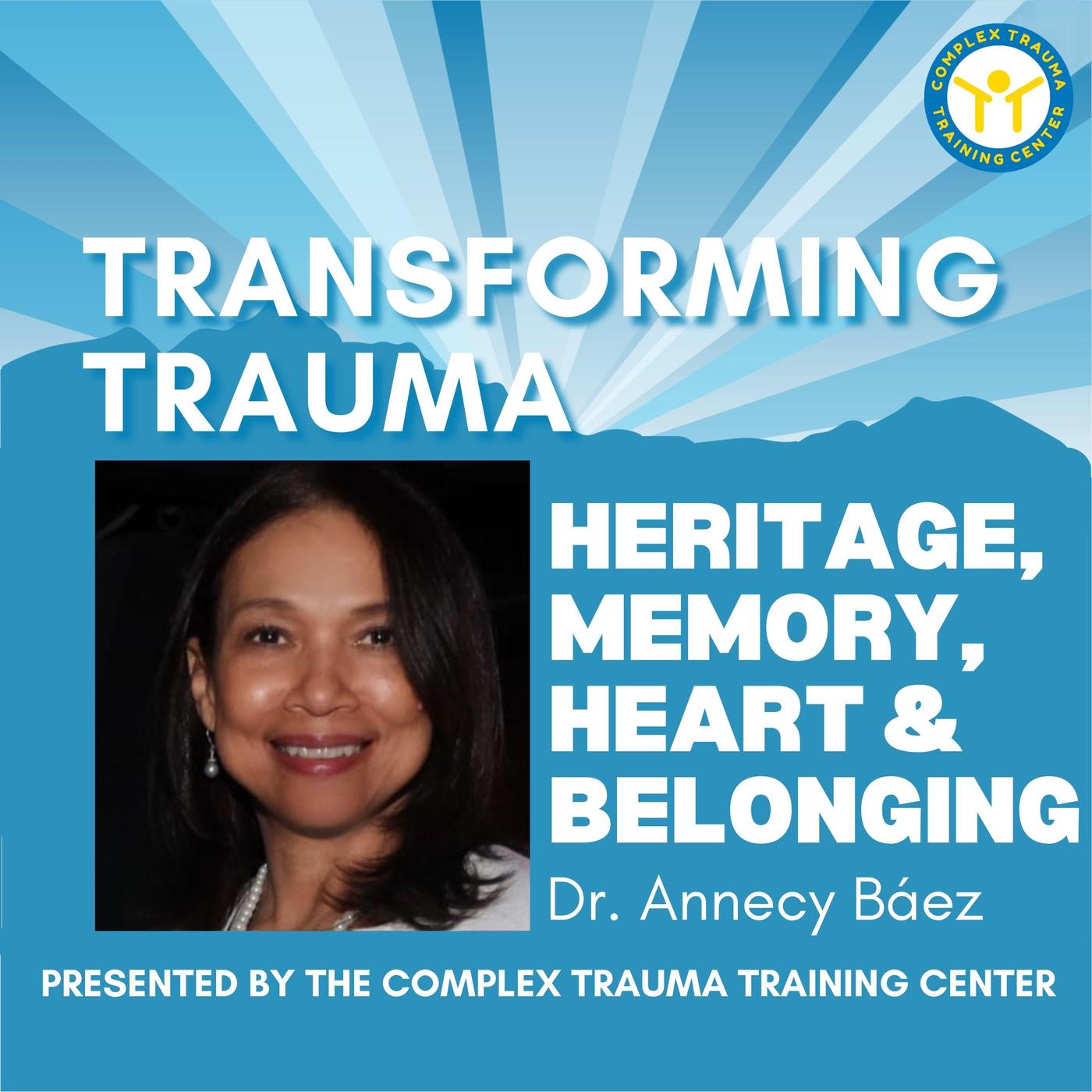
On this episode of Transforming Trauma, host Emily Ruth speaks with Dr. Annecy Báez, a Dominican American writer, psychotherapist, educator, and artist, about the profound impact NARM® has had on her personal and professional life. Together, they explore how curiosity, creativity, mindfulness, and compassionate self-inquiry can help us move toward greater authenticity, connection, and healing.
Annecy reflects on the personal, familial, cultural, and intergenerational experiences that shaped her journey and shares how discovering NARM® gave language to what she had long known intuitively: healing isn't about perfection, but about reconnecting to what remains alive within us - or in other words, corazonada.
Transforming Trauma thanks Annecy for sharing NARM® with her students, patients, and artistic communities. She embodies what it means to connect to our authenticity and each other.
To read the full show notes and discover more resources, visit https://complextraumatrainingcenter.com/transformingtrauma
SPACE:
SPACE is an Inner Development Program of Support and Self-Discovery for Therapists on the Personal, Interpersonal, and Transpersonal Levels offered by the Complex Trauma Training Center. This experiential learning program offers an immersive group experience designed to cultivate space for self-care, community support, and deepening vitality in our professional role as therapists. Learn more about how to join.
***
The Complex Trauma Training Center:
https://complextraumatrainingcenter.com
View upcoming trainings:
https://complextraumatrainingcenter.com/schedule/
Join us for this a transformative 2-day Intro to NARM® online workshop:
***
The Complex Trauma Training Center (CTTC) is a professional organization providing clinical training, education, consultation, and mentorship for psychotherapists and mental health professionals working with individuals and communities impacted by Adverse Childhood Experiences (ACEs) and Complex Trauma (C-PTSD). CTTC provides NARM® Therapist and NARM® Master Therapist Training programs, as well as ongoing monthly groups in support of those learning NARM. CTTC offers a depth-oriented professional community for those seeking a supportive network of therapists focused on three levels of shared human experience: personal, interpersonal & transpersonal. The Transforming Trauma podcast embodies the spirit of CTTC – best described by its three keywords: depth, connection, and heart - and offers guidance to those interested in effective, transformational trauma-informed care.
We want to connect with you!
TRANSKRIPT 🔗
VERGANGENE FOLGEN SUCHEN
WEITERE EPISODEN IN DIESEM PODCAST