

ÜBER DIESE EPISODE
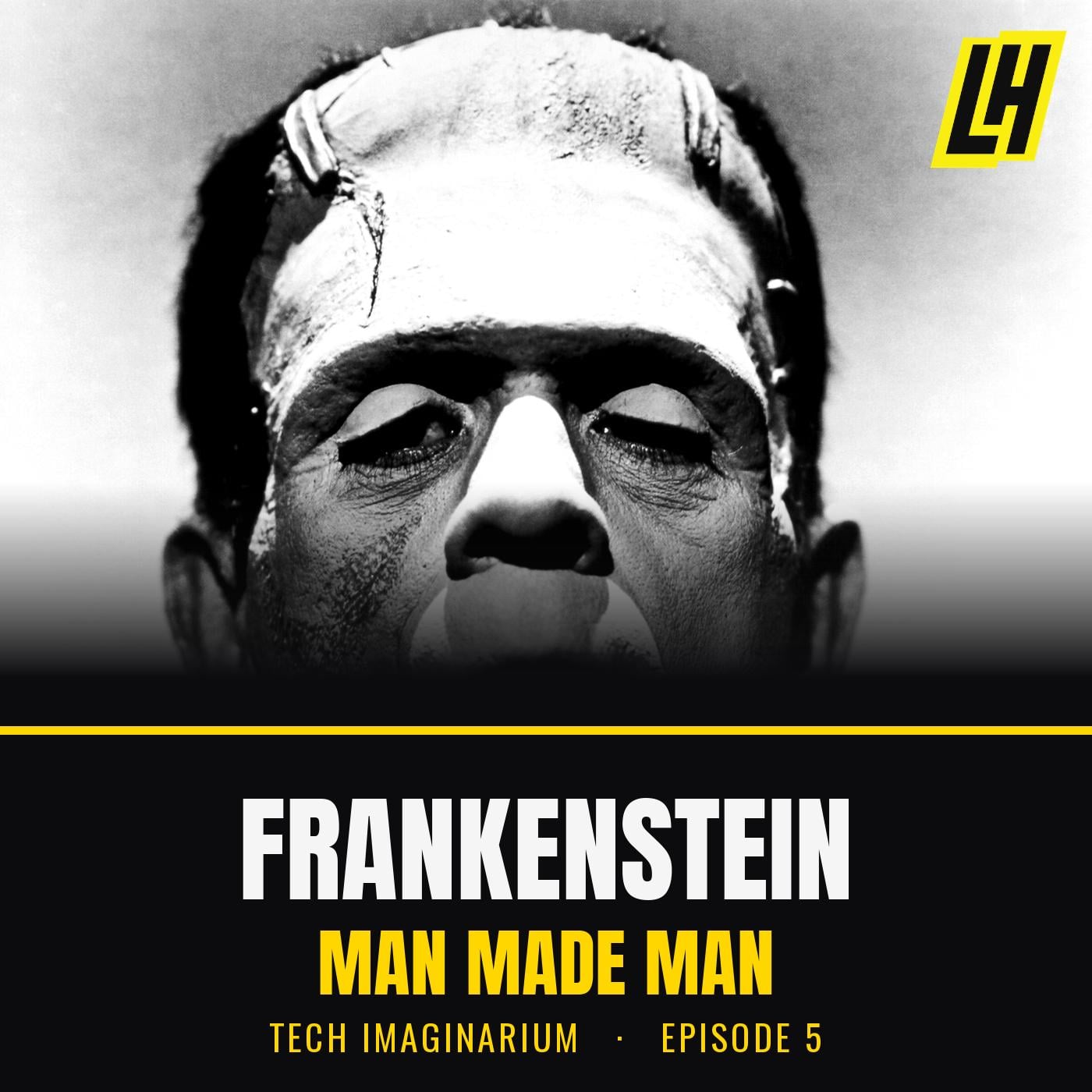
How a teenage girl's waking dream birthed what is (probably) the first science fiction novel – and in the process gave the world its most enduring image of technology gone wrong. This time we're coming for the myth, the curse, the cliche that is Frankenstein. John Helmer and Ezri Carlebach climb up the tower, point the lightning conductor to the heart of the storm, and attach electrical cables to the neck-bolts of that fearful thing on the slab. Yes, it may be 200-years old but ... it's alive! They walk through the original 1818 plot — stranger and bleaker than the films — weigh the long-running argument over whether it really counts as science fiction, and trace the monster's afterlife from the 1910 Edison short and James Whale's 1931 classic to Boris Karloff, Mel Brooks, Eddie Van Halen's "Frankenstrat", Guillermo del Toro ... and beyond. In this episode:
- What really happened at the Villa Diodati in 1816?
- The radical parents and a childhood shadowed by death that made Mary Shelley
- Born in the age of revolutions: Enlightenment values battles alchemy and the occult
- How two Brits, James Whale and Boris Karloff, created a look for the creature in their famous 1931 film that resonated through a thousand sequels, rip-offs and pisstakes
- Did Mary Shelley predict the death of God?
Englisch
Vereinigte Staaten
IN DIESER FOLGE
TRANSKRIPT 🔗
Are you the producer of this podcast?
Add a podcast transcript
Need Audio-to-Text?
Transcribe with Listen411 in Just 60 Seconds
VERGANGENE FOLGEN SUCHEN
Vorhandene Folgen von The Learning Hack podcast durchsuchen.
WEITERE EPISODEN IN DIESEM PODCAST
Your organisation has probably spent years building a learning library. Courses, videos, SCORM files, PDFs — hundreds of them, living in the LMS or scattered across SharePoint. You can enrol in them. You can sit through them. What you can't do is ask them a question and get an answer in seconds, at…
In 1983, Isaac Asimov predicted that computers would let every person learn what they wanted, in their own time, at their own speed. Forty years on, that vision is more or less the world we live in. So what else might science fiction have to tell us about the future we're already inside?
Welcome t…
Augmented Workforce, Learning at the Frontline and the Destiny of L&D.
For a long stretch, you could skip Learning Technologies for a year and miss almost nothing. Not this year. AI has stopped being something L&D is piloting and started being something the field is rebuilding around — and…
A hundred years ago this spring, a magazine called Amazing Stories hit the newsstands and — almost by accident — gave a name and a shape to the genre we now call science fiction. Its publisher, Hugo Gernsback, was an immigrant electrical engineer, visionary and relentless self-promoter. He wanted h…
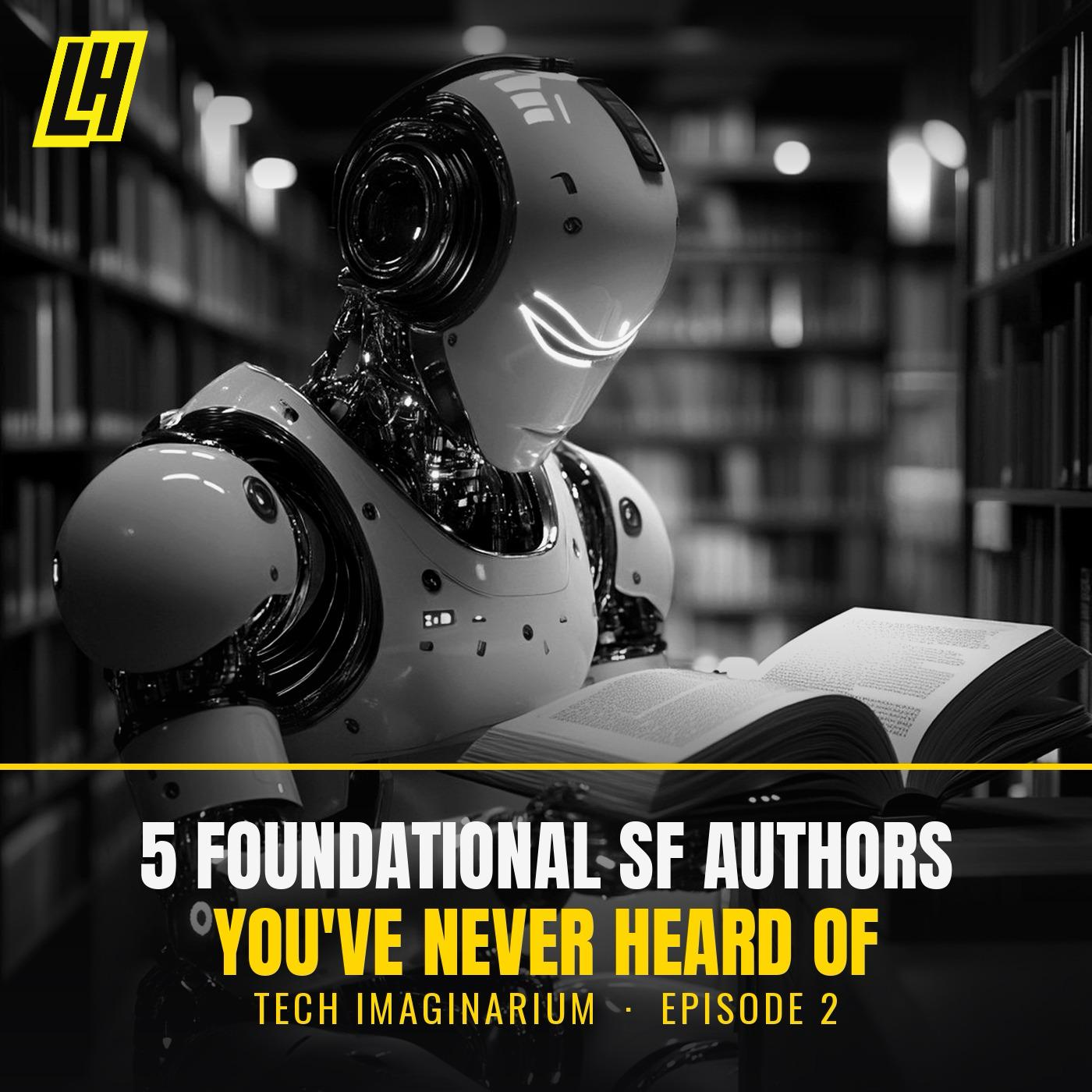
Every genre has a shadow canon — the writers who don't make the syllabus, don't sell out on Amazon, and rarely get the Netflix series. In science fiction, that shadow canon is where some of the most intellectually adventurous, politically serious and formally daring work of the twentieth century …
Rechtliche Hinweise: Der auf dieser Seite eingebettete Podcast und das Bildmaterial stammen von John Helmer, das Eigentum seines Eigentümers ist und nicht mit Listen Notes, Inc. verbunden ist oder von diesen unterstützt wird.
BEARBEITEN
Vielen Dank, dass Sie uns helfen, die Podcast-Datenbank auf dem neuesten Stand zu halten.
