


ÜBER DIESE EPISODE
What happened
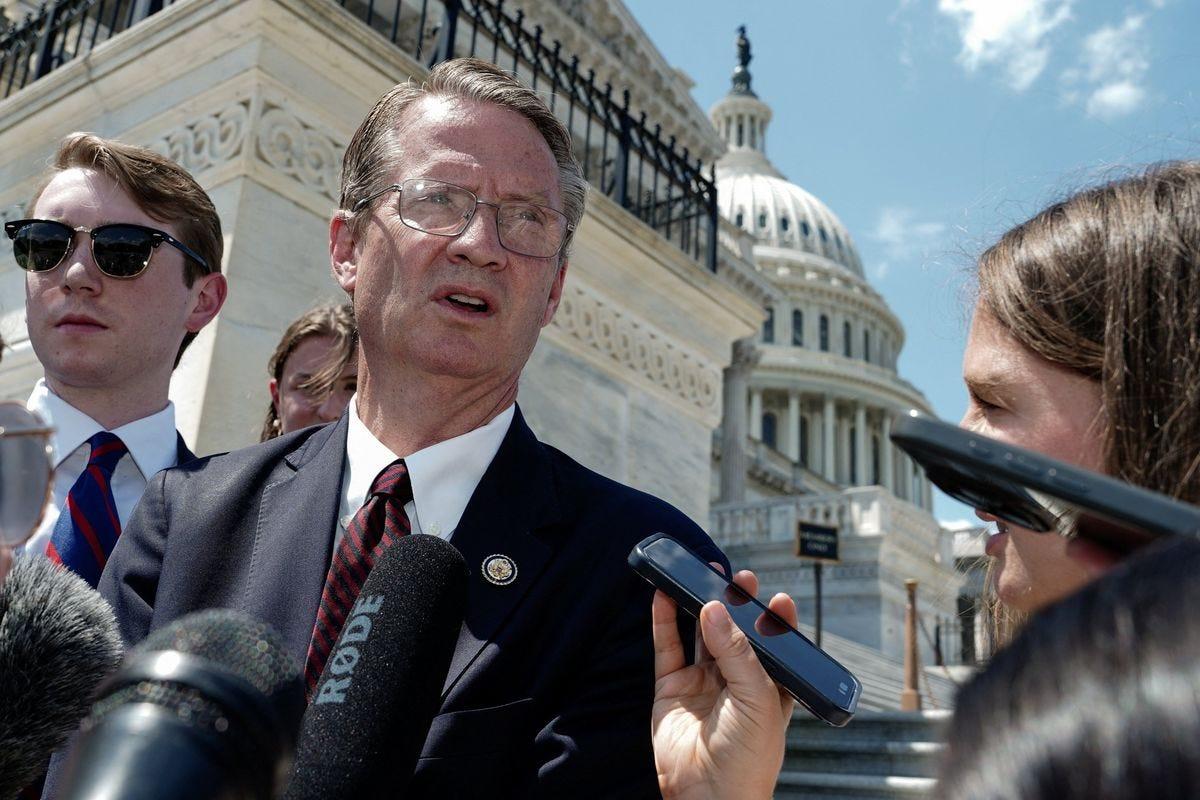
RawStory reports that Rep. Tim Burchett, a Tennessee Republican, confirmed Sunday that he was “100%” planning to try to block Democratic nominee Darializa Avila Chevalier from taking her House seat in January if she wins New York’s 13th Congressional District in November.
According to the New York Post reporting cited by RawStory, Burchett pointed to a since-deleted online joke in which Avila Chevalier referred to using an American flag as a napkin. He characterized that post as “disavowing” the Constitution. The article does not establish what procedure Burchett intends to use, whether other lawmakers support him, or whether his effort could succeed.
The election had not occurred when the story was published. The Post said Republican nominee Jomo M. Williams faced slim odds because of the district’s voting history. First Amendment lawyer Ari Cohn and Tennessee journalist Jamie Satterfield condemned Burchett’s announcement.
The power is in the threat
The operative fact is not that a candidate made a tasteless joke. It is that a sitting member of Congress announced an intention to use institutional power against an opponent who might be chosen by voters.
Burchett is not merely criticizing Avila Chevalier or campaigning for Williams. He is proposing action after the election, contingent on the Democrat winning. That shifts the contest from persuading voters to challenging whether their choice will be honored.
One representative’s declaration is not the same as a completed institutional act. RawStory provides no evidence that Burchett can carry out the plan alone. But an incumbent openly proposing it still matters: congressional office supplies the platform, access and potential leverage that turn partisan resentment into more than online abuse.
The flag is the decoy
Burchett’s stated rationale redirects attention from his proposed conduct to Avila Chevalier’s deleted post. The flag joke may be juvenile or offensive. The reporting does not establish that it constitutes constitutional “disavowal,” much less that it provides a valid basis to reject an election winner.
That framing converts symbolic offense into a pretext for institutional punishment. It asks readers to litigate a napkin joke while the officeholder’s announced response—trying to prevent a duly elected opponent from being seated—escapes equivalent scrutiny.
Cohn’s criticism identifies the contradiction: Burchett invokes constitutional fidelity while proposing to obstruct the consequence of an election. The article is strongest when it presents that conflict plainly. Its detour into Burchett’s earlier Air Force One “ride” controversy adds outrage but little explanatory value.
Agency belongs to the incumbent
Nothing in the reporting suggests confusion about who initiated this. Burchett confirmed the plan himself. Avila Chevalier made the post attributed to her; Burchett chose to treat it as grounds for targeting her possible seating.
That distinction matters because political coverage often lets powerful actors disappear inside words such as “controversy” or “outrage.” The outrage did not create the event. Burchett’s announcement did. Critics reacted to a sitting lawmaker declaring that an electoral victory might not be enough for his opponent to take office.
Nor should Williams or the district’s voters be made responsible for Burchett’s choice. The Republican candidate’s reported weakness explains the stakes, not the decision. The institutional actor is the incumbent congressman proposing intervention after voters act.
Losing becomes disqualification
The larger pattern is the conversion of political defeat into a claim that the winner is unfit to govern. A weak electoral position is answered not with a better candidate or argument, but with a search for some supposed offense that can justify overriding the result.
Here, the alleged disqualification is not misconduct in office or a reported legal barrier. It is an online joke recast as betrayal of the Constitution. That is scapegoating dressed as principle: magnify an opponent’s symbolic transgression, then use it to rationalize a far more consequential exercise of power.
The danger lies in making this logic routine. Elections become provisional whenever officeholders reserve the right to decide that the other side’s winner is too offensive to seat. The ballot still occurs, but incumbents claim a veto over what it means.
Thanks to Raw Story
Source: Outrage as MAGA lawmaker openly admits plot to block seating of Dem candidate: ‘Shameful’
This is a public episode. If you'd like to discuss this with other subscribers or get access to bonus episodes, visit paulstsmith.substack.com/subscribe


