


ÜBER DIESE EPISODE

In June of 2018, following a campaign initiated by activist employees within the company, Google announced its intention not to renew a US Defense Department contract for Project Maven, an initiative to automate the identification of military targets based on drone video footage. Defendants of the program argued that that it would increase the efficiency and effectiveness of US drone operations, not least by enabling more accurate recognition of those who are the program’s legitimate targets and, by implication, sparing the lives of noncombatants. But this promise begs a more fundamental question: What relations of reciprocal familiarity does recognition presuppose? And in the absence of those relations, what schemas of categorization inform our readings of the Other? The focus of a growing body of scholarship, this question haunts not only US military operations but an expanding array of technologies of social sorting. Understood as apparatuses of recognition (Barad 2007: 171), Project Maven and the US program of targeted killing are implicated in perpetuating the very architectures of enmity that they take as their necessitating conditions. Taking any apparatus for the identification of those who comprise legitimate targets for the use of violent force as problematic, this talk joins a growing body of scholarship on the technopolitical logics that underpin an increasingly violent landscape of institutions, infrastructures and actions, promising protection to some but arguably contributing to our collective insecurity. Lucy Suchman’s concern is with the asymmetric distributions of sociotechnologies of (in)security, their deadly and injurious effects, and the legal, ethical, and moral questions that haunt their operations. She closes with some thoughts on how we might interrupt the workings of these apparatuses, in the service of wider movements for social justice.
Lucy Suchman is a Professor of Anthropology of Science and Technology in the Department of Sociology at Lancaster University, in the United Kingdom.
Lucy Suchman is a Professor of Anthropology of Science and Technology in the Department of Sociology at Lancaster University, in the United Kingdom.
Englisch
Vereinigte Staaten
TRANSKRIPT 🔗
Are you the producer of this podcast?
Add a podcast transcript
Need Audio-to-Text?
Transcribe with Listen411 in Just 60 Seconds
VERGANGENE FOLGEN SUCHEN
Vorhandene Folgen von MIT Comparative Media Studies/Writing durchsuchen.
WEITERE EPISODEN IN DIESEM PODCAST
Sam Gregory is Director of Programs, Strategy & Innovation at WITNESS, which helps people use video and technology to protect human rights; studies relationship between emergent technologies, disinformation, media manipulation, & authoritarianism.
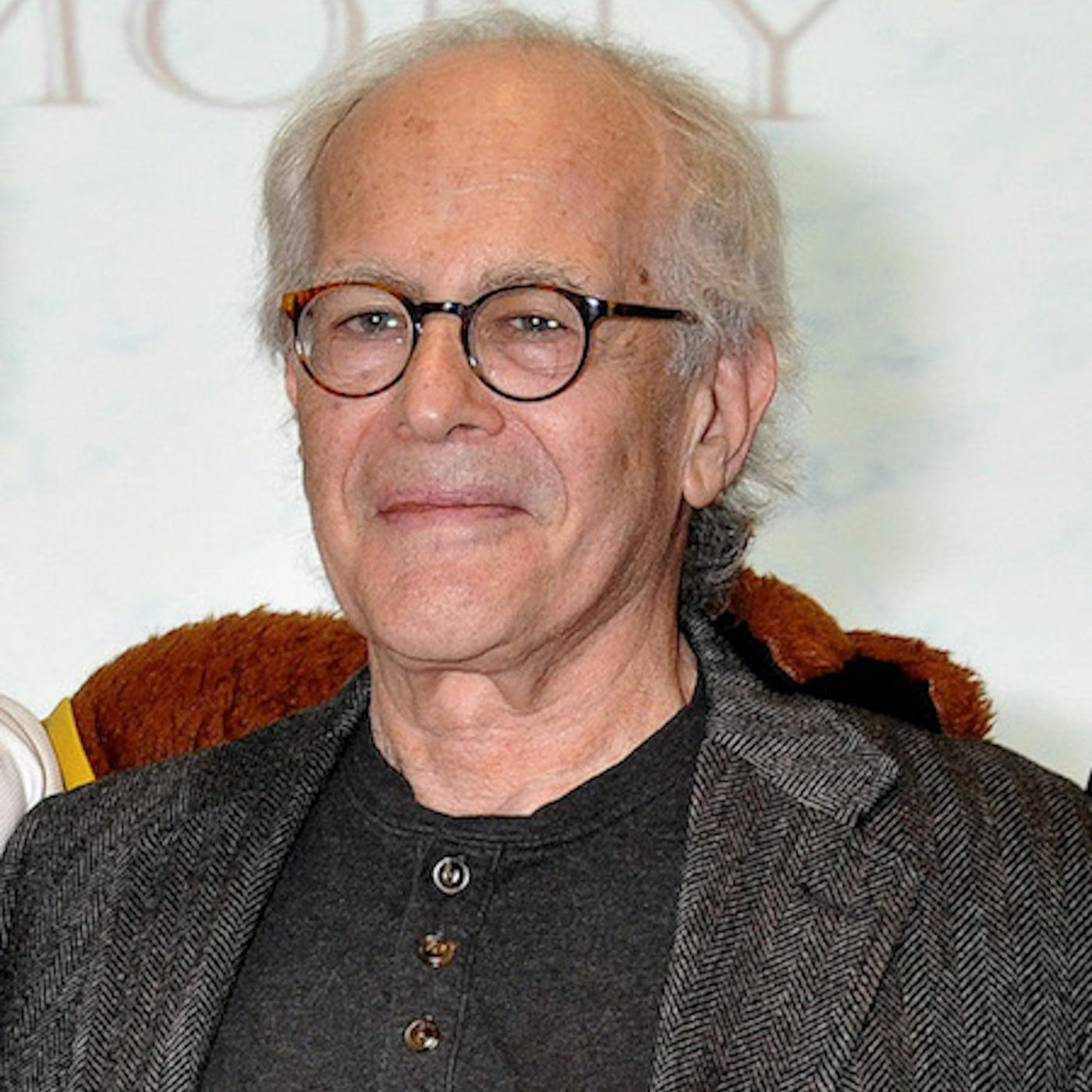
Charles North has published twelve books
of poems, three books of critical prose, and collaborations with artists and other poets. With James Schuyler, he edited the poet/painter anthologies Broadway and Broadway 2. His New and Selected Poems What It Is Like (2011) headed NPR’s Best Poetry Books o…
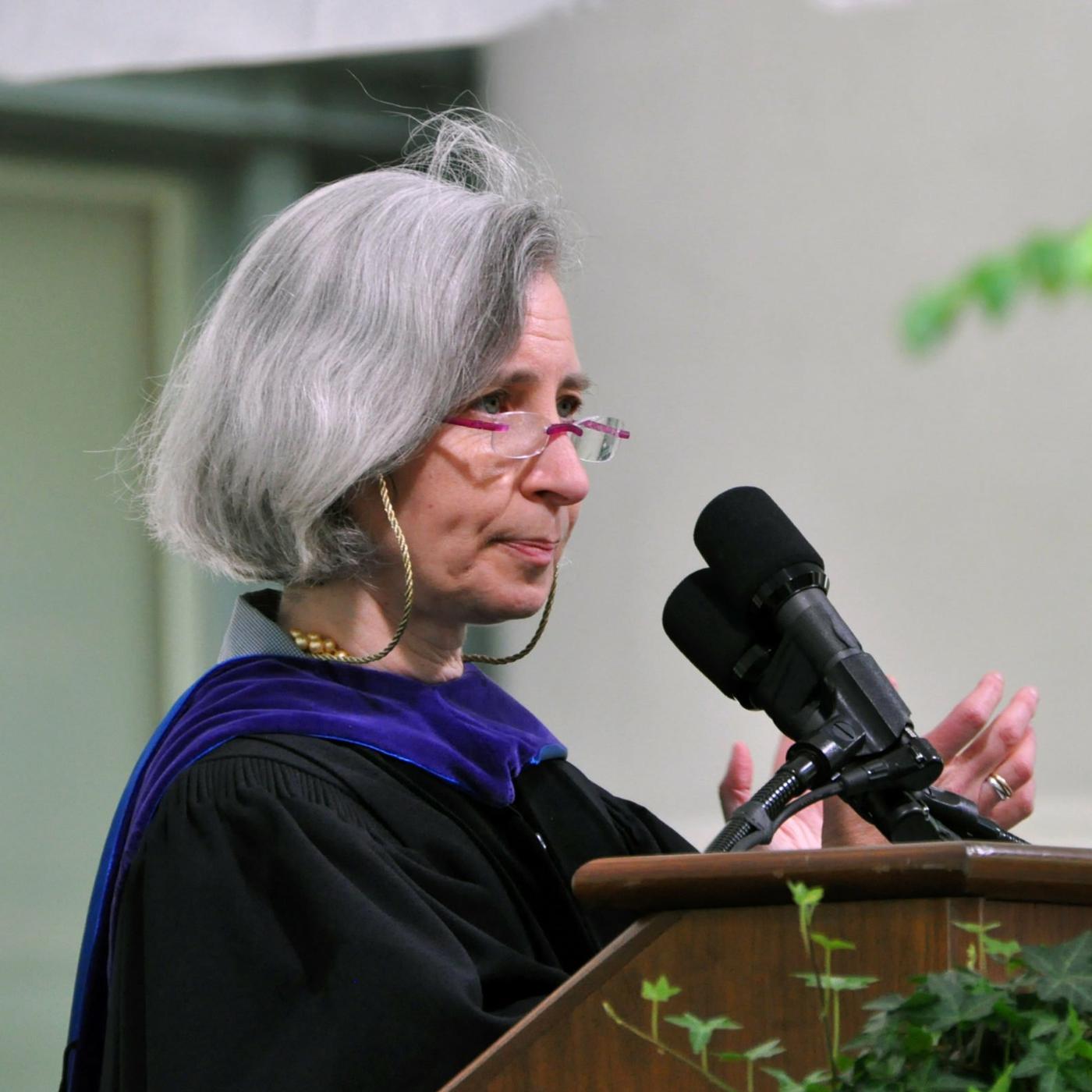
In her 2021 book Saving the News: Why the Constitution Calls for Government Action to Preserve Freedom of Speech, our guest Martha Minow “outlines an array of reforms, including a new fairness doctrine, regulating digital platforms as public utilities, using antitrust authority to regulate the medi…
William Uricchio is Professor of Comparative Media Studies at the Massachusetts Institute of Technology and founder of the MIT Open Documentary Lab, which brings together storytellers, technologists, and scholars to experiment with new documentary.
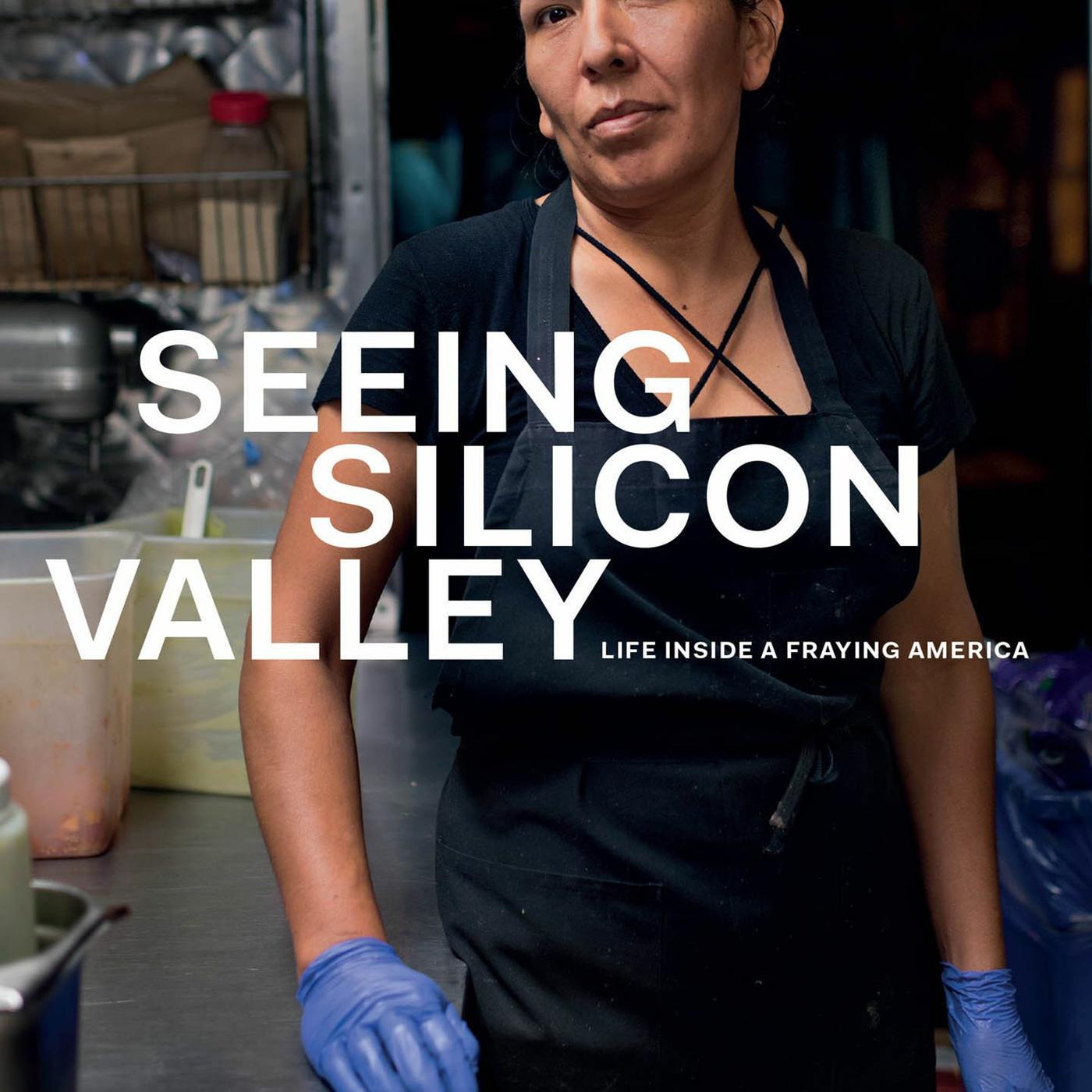
Video also available at https://cms.mit.edu/video-seeing-silicon-valley-mary-beth-meehan-fred-turner.
Acclaimed photographer Mary Beth Meehan and Silicon Valley historian and media scholar Fred Turner discuss their recently published and award-winning book Seeing Silicon Valley: Life inside a Fray…
Rechtliche Hinweise: Der auf dieser Seite eingebettete Podcast und das Bildmaterial stammen von Massachusetts Institute of Technology, das Eigentum seines Eigentümers ist und nicht mit Listen Notes, Inc. verbunden ist oder von diesen unterstützt wird.
BEARBEITEN
Vielen Dank, dass Sie uns helfen, die Podcast-Datenbank auf dem neuesten Stand zu halten.
