

ÜBER DIESE EPISODE
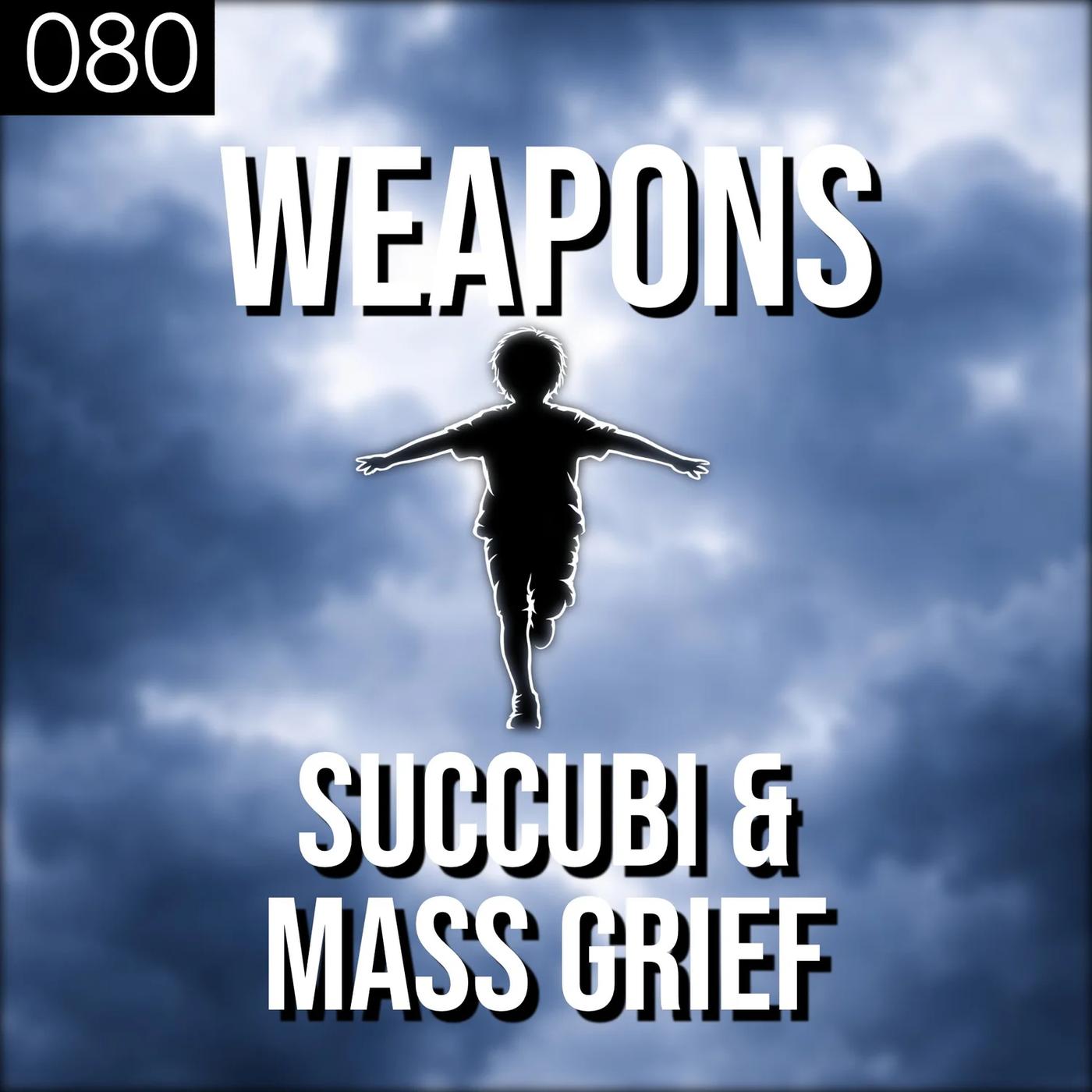
What went wrong with Weapons—and what does it reveal about storytelling, trauma, and the monsters we choose to ignore? In this episode of Cinemental, a filmmaker and a psychiatrist break down why the title Weapons fails the movie, how communities actually recover from devastating events like mass shootings or disappearances, and why the film’s multi-perspective structure works better than you might think.
We dive into the psychology of collective grief and what real healing looks like for a town in crisis, then pivot into craft—exploring how multiple POV storylines can still follow tight, satisfying structure when done right. And finally, we make the case for one of the most underutilized horror archetypes in modern cinema: the succubus. Why has such a psychologically rich monster been left behind—and what could filmmakers do with it today?
If you’re into film analysis, screenwriting, horror storytelling, and the psychology behind movies, this one’s for you.
🎬 In this episode:
Why Weapons is a weak title (and what a better one might’ve been)
How towns realistically respond to tragedy and mass trauma
Multi-POV storytelling that still feels clean and structured
Why succubi might be horror’s most wasted villain
🧠 About Cinemental:
A filmmaker and a psychiatrist break down movies through the lens of storytelling and mental health—what works, what doesn’t, and why it matters.
We dive into the psychology of collective grief and what real healing looks like for a town in crisis, then pivot into craft—exploring how multiple POV storylines can still follow tight, satisfying structure when done right. And finally, we make the case for one of the most underutilized horror archetypes in modern cinema: the succubus. Why has such a psychologically rich monster been left behind—and what could filmmakers do with it today?
If you’re into film analysis, screenwriting, horror storytelling, and the psychology behind movies, this one’s for you.
🎬 In this episode:
Why Weapons is a weak title (and what a better one might’ve been)
How towns realistically respond to tragedy and mass trauma
Multi-POV storytelling that still feels clean and structured
Why succubi might be horror’s most wasted villain
🧠 About Cinemental:
A filmmaker and a psychiatrist break down movies through the lens of storytelling and mental health—what works, what doesn’t, and why it matters.
Englisch
Vereinigte Staaten
TRANSKRIPT 🔗
Are you the producer of this podcast?
Add a podcast transcript
Need Audio-to-Text?
Transcribe with Listen411 in Just 60 Seconds
VERGANGENE FOLGEN SUCHEN
Vorhandene Folgen von Cinemental durchsuchen.
WEITERE EPISODEN IN DIESEM PODCAST

What does Jurassic Park reveal about ethics, anxiety, and humanity’s obsession with control—and why does Jurassic Park still define how we think about science in cinema? In this episode of Cinemental, a writer and a psychiatrist break down the psychological, philosophical, and filmmaking legacy of …

In this episode of Cinemental, we break down F1 as both a high-octane spectacle and a character-driven study of ambition under pressure. From its immersive racing sequences and razor-sharp sound design to its use of competition as thematic spine, we ask the big filmmaking question: does the craft s…

In this episode of the Cinemental Podcast, a filmmaker and a psychiatrist break down Free Solo—exploring thrill-seeking behavior, fear, obsession, and the ethics of documentary filmmaking when the stakes are literally life and death.
Is something psychologically wrong with Alex Honnold—or are we mi…
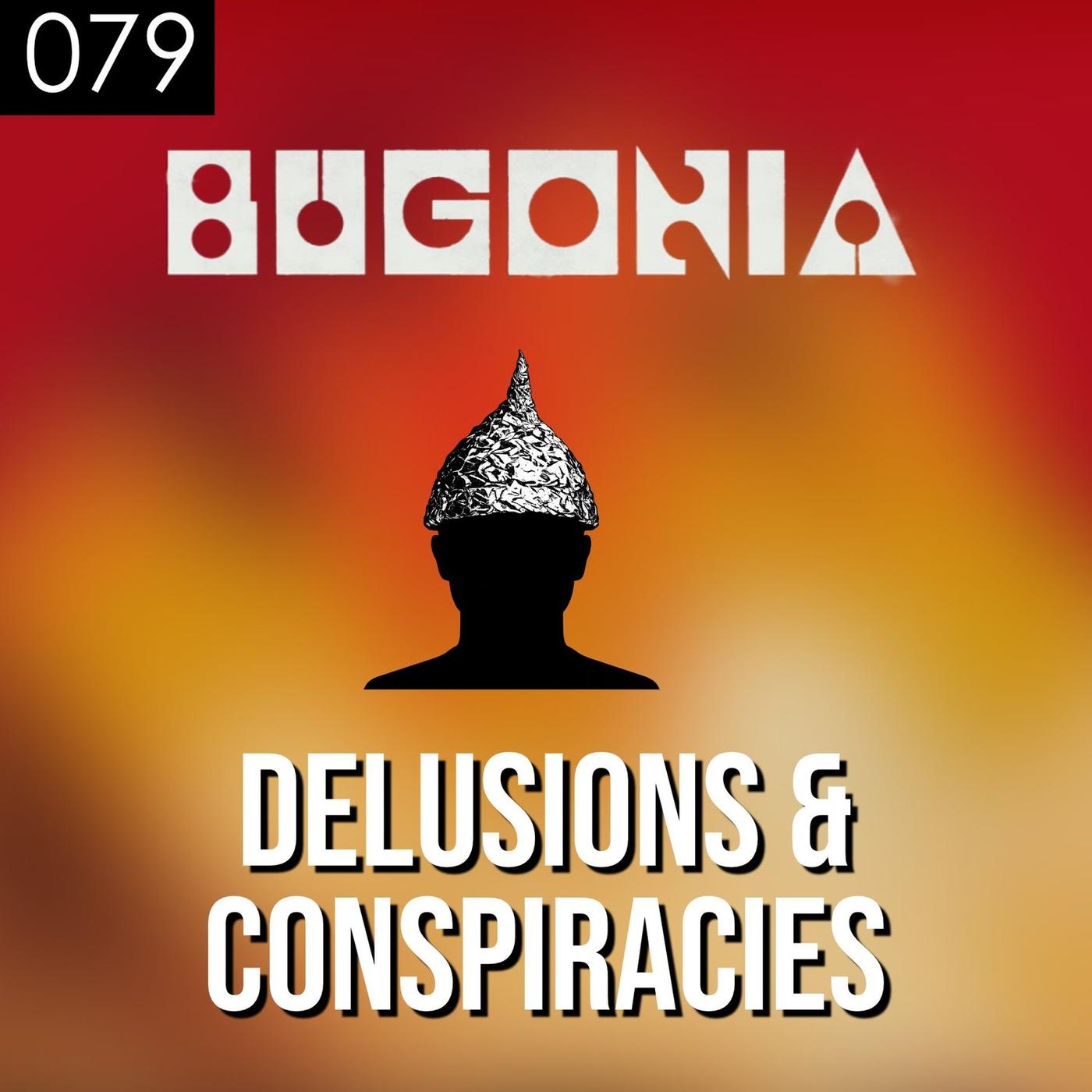
What happens when movies collide with mental health, conspiracy thinking, and delusion? In this episode of the Cinemental Podcast, filmmaker Jeff and psychiatrist Josh dive into the psychology behind delusional disorders, conspiracy theories, and the way films shape how we understand reality.
Usin…
Rechtliche Hinweise: Der auf dieser Seite eingebettete Podcast und das Bildmaterial stammen von The Jones Brothers, das Eigentum seines Eigentümers ist und nicht mit Listen Notes, Inc. verbunden ist oder von diesen unterstützt wird.
BEARBEITEN
Vielen Dank, dass Sie uns helfen, die Podcast-Datenbank auf dem neuesten Stand zu halten.
