

ÜBER DIESE EPISODE

In this episode, MichaelAaron and Richard sit down with behavioral scientist Robert West, creator of the COM-B model, to explore the three forces behind every human behavior: capability, opportunity, and motivation. They discuss why behavior change so often fails, how environments shape decisions more than we realize, and how businesses and governments can design more effective interventions.
Englisch
Vereinigte Staaten
TRANSKRIPT 🔗
Are you the producer of this podcast?
Add a podcast transcript
Need Audio-to-Text?
Transcribe with Listen411 in Just 60 Seconds
VERGANGENE FOLGEN SUCHEN
Vorhandene Folgen von Behavioral Science For Brands: Leveraging behavioral science in brand marketing. durchsuchen.
WEITERE EPISODEN IN DIESEM PODCAST

Courage strategist Rami Dudin joins MichaelAaron and Richard to discuss why distinctive often beats different, using SickKids' $1.3 billion fundraising turnaround, CIBC's no-fee campaign, and neobank scarcity tactics like Monzo's golden ticket to show why owning one idea can perform …

Guinness made you wait, Avis was second, VW was small. Andy Nairn and Richard unpack why owning a flaw beats hiding one, and how the same instinct led Lucky Generals to raise its own size in pitches before a prospect could ever hold it against them.

Charles Spence's book Gastrophysics argues that taste is built by every sense, not just the tongue. MichaelAaron and Richard work through the evidence: classical music lifting restaurant spend 10%, heavy cutlery raising willingness to pay 16%, rounder chocolate read as 50% creamier, and what b…

MichaelAaron and Richard explore why charity donations are especially resistant to typical marketing tactics. They unpack behavioral studies on anchoring, present preference bias, reciprocity, and overhead aversion that show small shifts in framing and timing can raise donations by double digits.
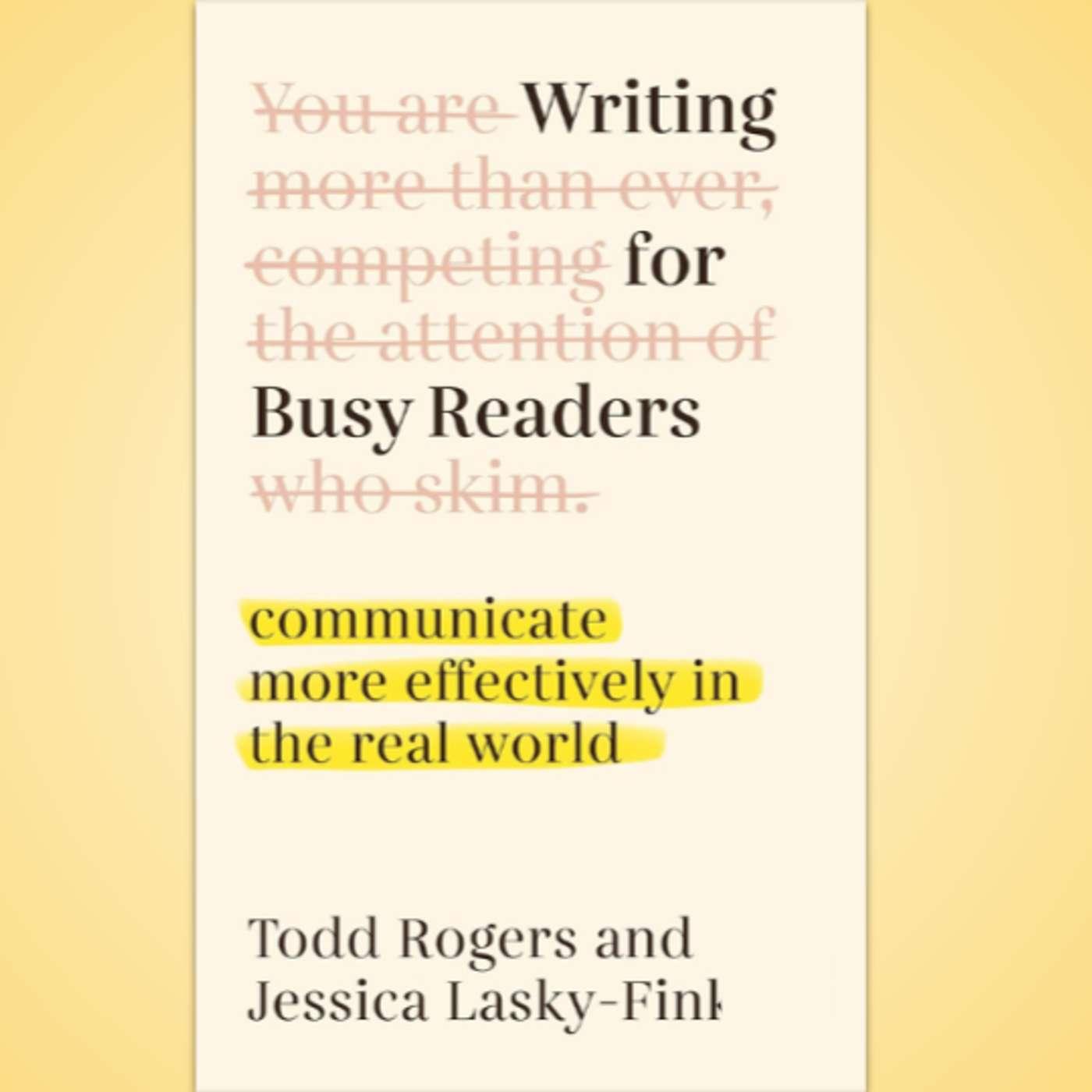
MichaelAaron and Richard unpack Writing for Busy Readers by Todd Rogers and Jessica Lasky-Fink: six evidence-backed principles for readers who skim rather than read. Why a 49-word email beat a 127-word one, why subheadings doubled newsletter clicks, and why making a task easy beats making it exciti…
Rechtliche Hinweise: Der auf dieser Seite eingebettete Podcast und das Bildmaterial stammen von Consumer Behavior Lab, das Eigentum seines Eigentümers ist und nicht mit Listen Notes, Inc. verbunden ist oder von diesen unterstützt wird.
BEARBEITEN
Vielen Dank, dass Sie uns helfen, die Podcast-Datenbank auf dem neuesten Stand zu halten.
