

ÜBER DIESE EPISODE
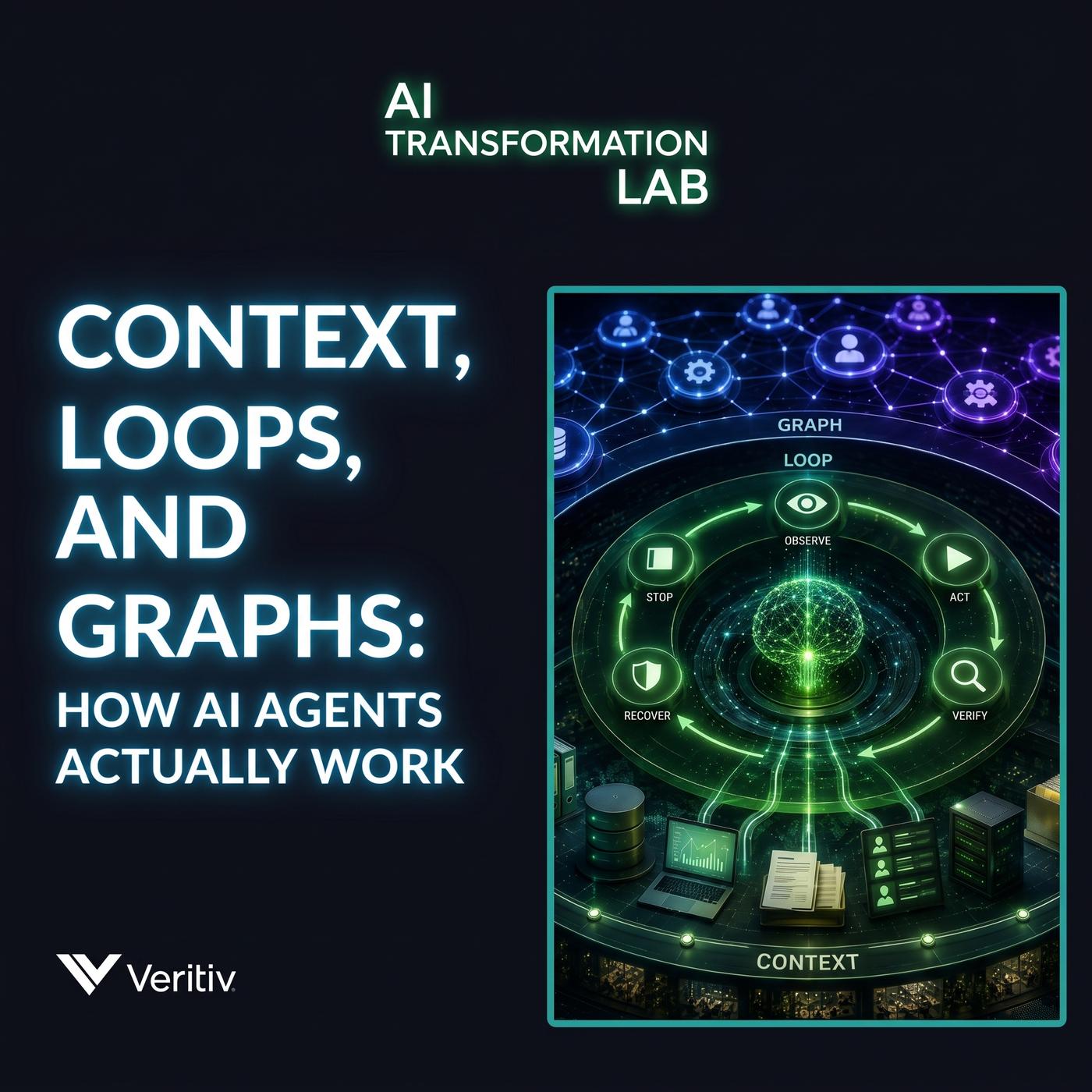
The vocabulary of agentic AI has turned over five times in about eighteen months — prompt engineering, context engineering, harness engineering, loop engineering, and now graph engineering. For a business leader, the reasonable reaction is to tune it out.
Chris Bradley argues the churn is hiding something worth understanding. Those terms don't replace each other; they stack. And each one names a layer of the same discovery: that the model is not what separates an AI program that works from one that doesn't.
He starts with the picture that makes the stack obvious — the brilliant new hire seated at a desk with no system logins, asked to process an order. From there he walks the context layer and its two halves, access and knowledge, and why grounded context is the highest-leverage way to reduce the verification burden that comes with confident, fluent, wrong output. Then the harness — the runnable environment around the model, and the reason Veritiv built its own for order processing across multiple ERPs and heavily customized systems, deliberately model-agnostic. Then the loop, where reliability actually comes from: what the agent checks its work against, what happens on failure, and when it stops. And finally the graph — coordinating many agents, which turns out to be an org design problem with familiar failure modes.
He closes with an escalation ladder for choosing the layer, a caution against re-platforming every time the field renames something, and the principle that holds as these systems get more elaborate: work distributes across nodes, accountability does not.
Englisch
Vereinigte Staaten
TRANSKRIPT 🔗
Are you the producer of this podcast?
Add a podcast transcript
Need Audio-to-Text?
Transcribe with Listen411 in Just 60 Seconds
VERGANGENE FOLGEN SUCHEN
Vorhandene Folgen von AI Transformation Lab durchsuchen.
WEITERE EPISODEN IN DIESEM PODCAST
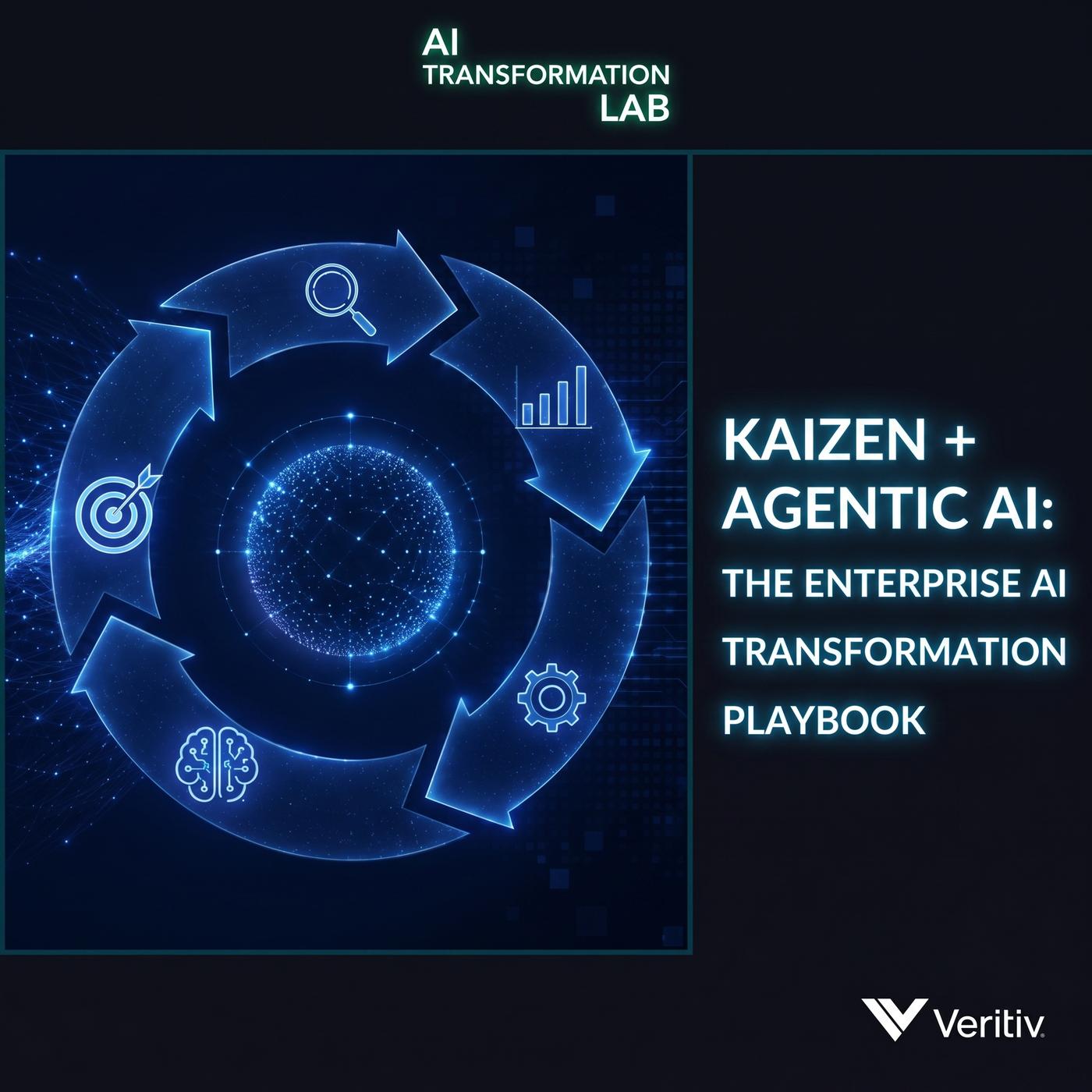
AI won't fix a broken process — it just helps you run it faster. That's the trap most organizations are walking into: pointing powerful agents at workflows that were never worth doing in the first place, and cementing the waste in place.
In this episode, Chris Bradley makes the case that Continuous…
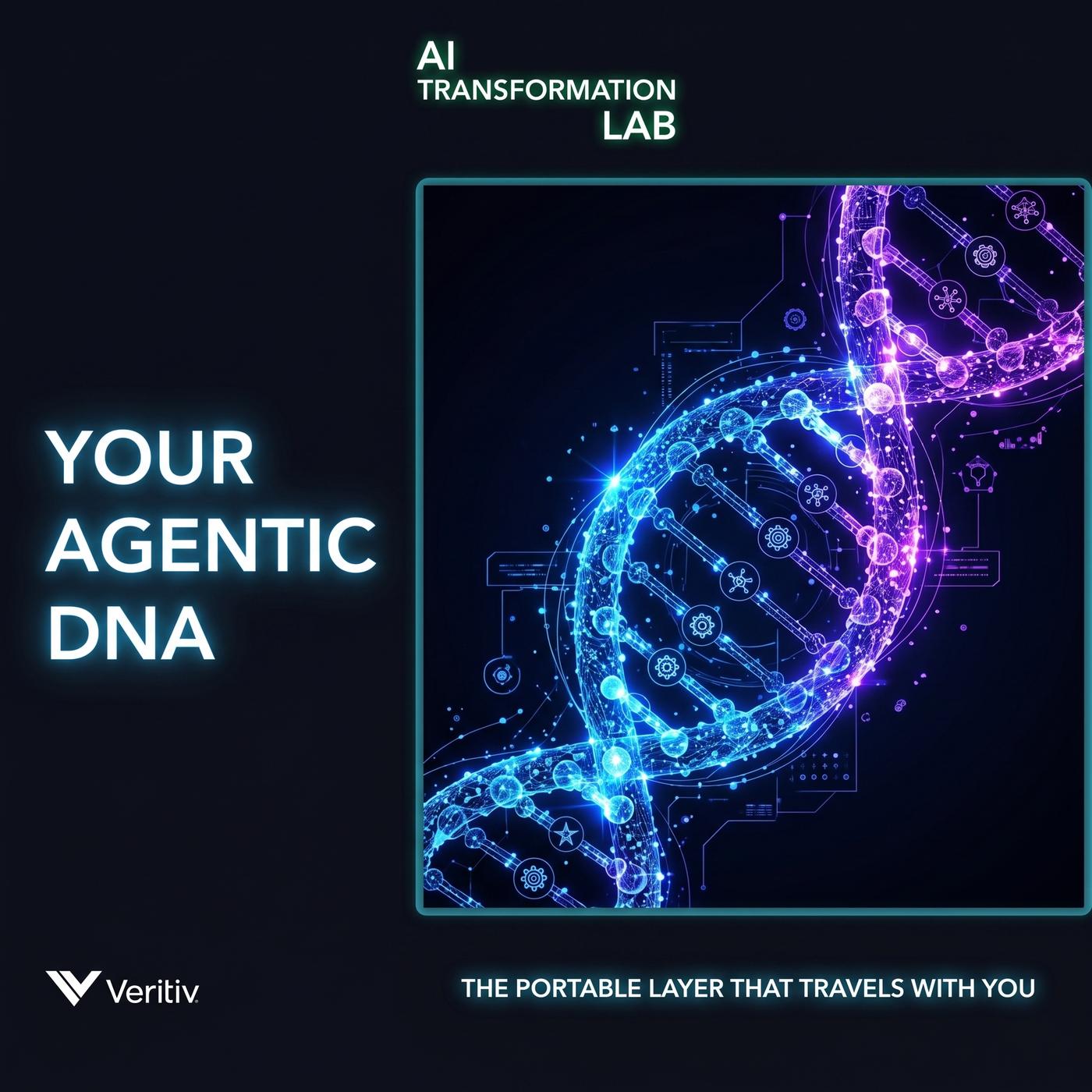
Four years of ChatGPT history. Two years of Claude projects. Custom instructions, saved memories, accumulated context built up across thousands of conversations. And then a new harness ships — Cowork, Claude Code, Codex — and suddenly the question isn't which AI do I use. It's how do I move what I'…

On April 16th, OpenAI shipped a capability expansion that turned Codex from a coding tool into a true agentic super app. Computer use, in-app browser, GPT Image 2.0, persistent memory, and a plugin ecosystem of ninety-plus integrations — layered on top of the desktop release from February.
The prac…

In Episode 1, I mentioned a competitive analysis I ran in thirty minutes that would have taken two weeks. A global network analysis — fifty-plus competitor locations, fifteen manufacturing hubs, proximity calculations, coverage gaps, and a full action plan for leadership.
I never finished that stor…
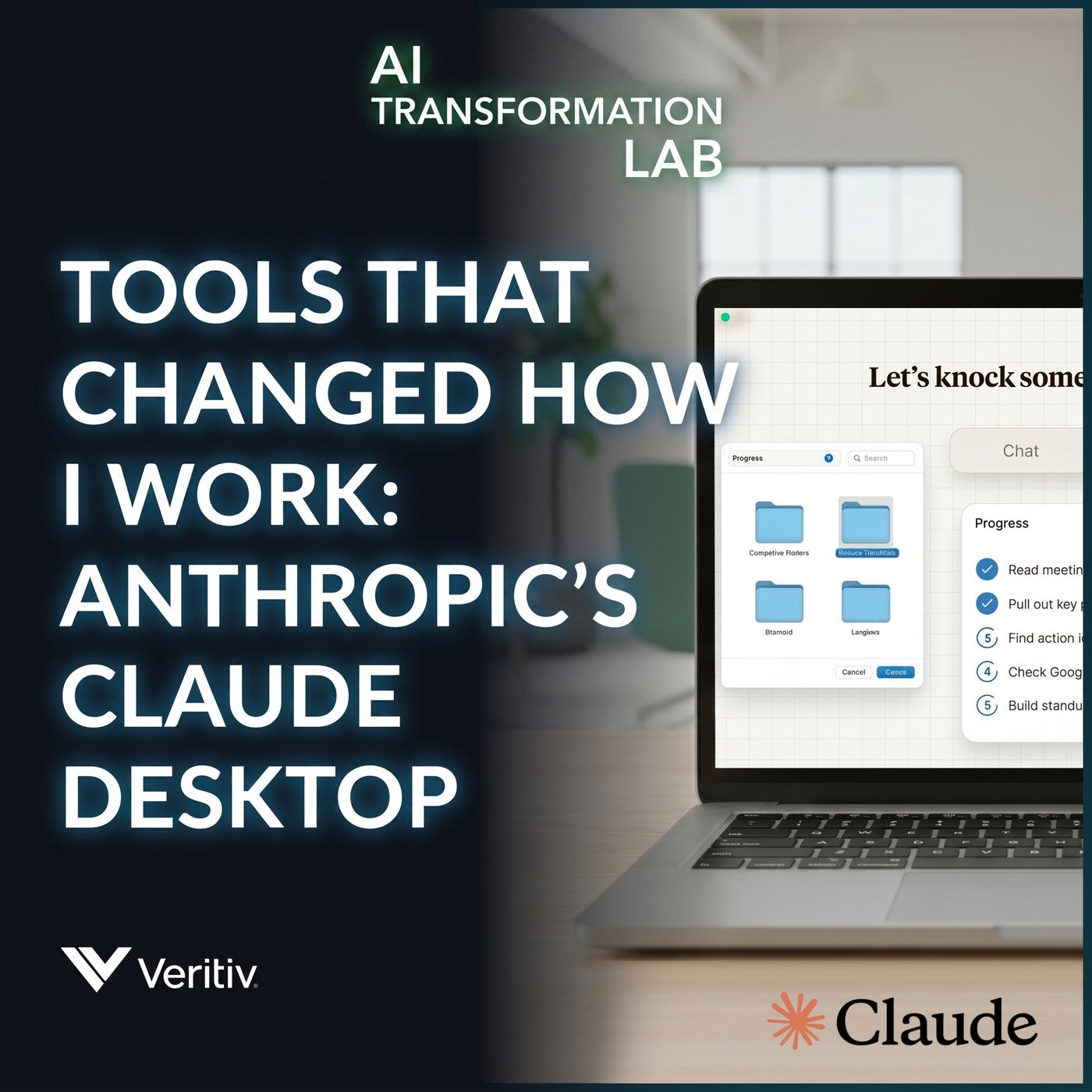
The big three AI labs are all building superapps — but each is packaging them differently. Google blurs everything together inside Antigravity. OpenAI is consolidating into Codex. Anthropic took a third path: three distinct surfaces inside one Claude desktop app — Chat, Cowork, and Code.
In this ep…
Rechtliche Hinweise: Der auf dieser Seite eingebettete Podcast und das Bildmaterial stammen von Veritiv, das Eigentum seines Eigentümers ist und nicht mit Listen Notes, Inc. verbunden ist oder von diesen unterstützt wird.
BEARBEITEN
Vielen Dank, dass Sie uns helfen, die Podcast-Datenbank auf dem neuesten Stand zu halten.
