

OM DENNE EPISODE
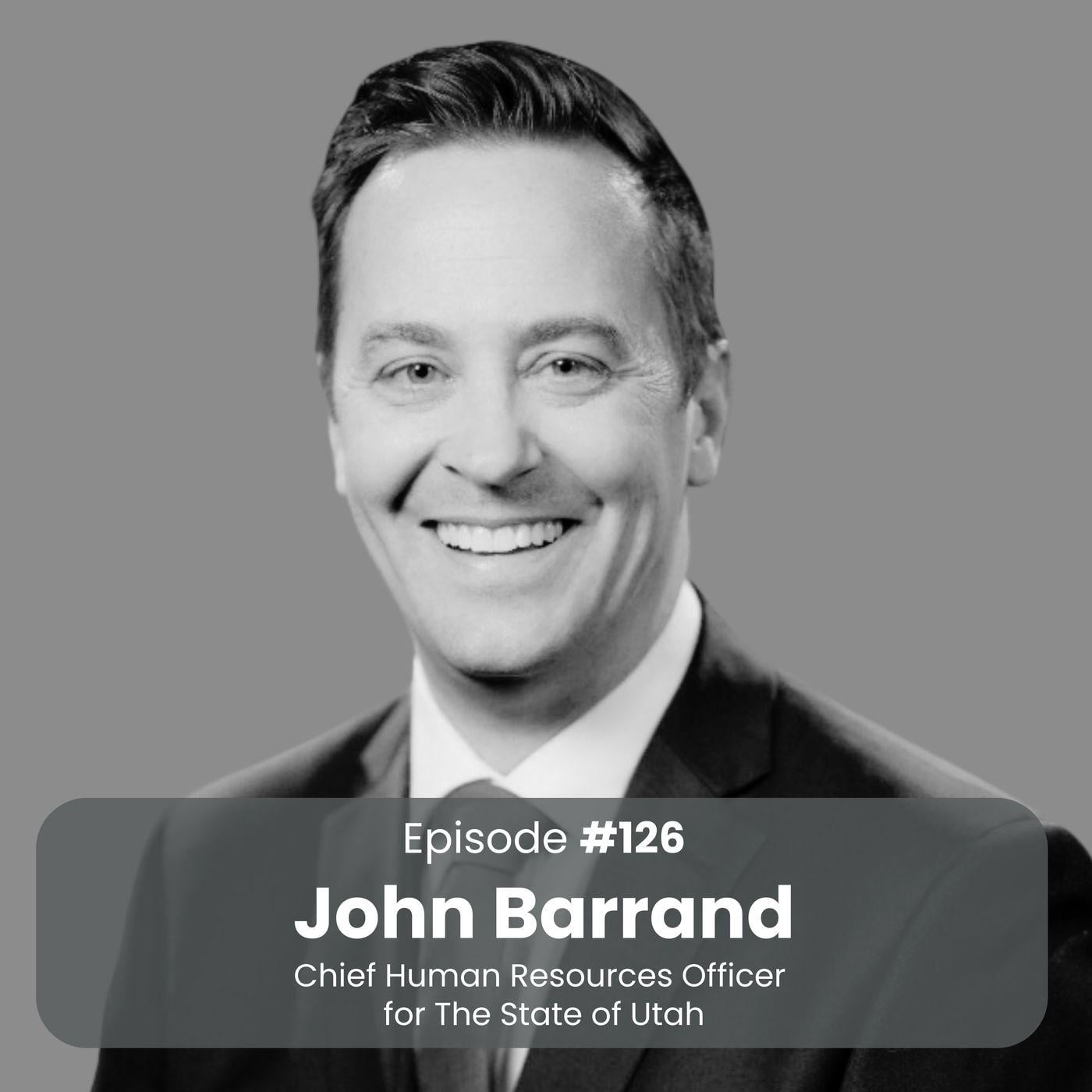
In this episode, we sit down with John Barrand, CHRO for the State of Utah, to discuss an inspiring transformation in public sector performance management. John led a bold effort to overhaul Utah’s performance management system—moving it from a culture of “adequacy” and silence to one focused on learning, growth, connection, and accountability. John shares how he and his team achieved legislative change requiring quarterly check-ins, implemented management training, and shifted the state’s mindset around performance and development.
You will want to hear this episode if you are interested in...
Performance Management is a Sector-Spanning Challenge
Performance management has a notorious reputation, often maligned as bureaucratic and misaligned. These challenges aren’t confined to just the private sector. Public organizations often face a wealth of bureaucracy and challenges that can inhibit transformation, compounded by a cultural tendency towards silence and an adequacy mindset.
When John assumed his role in 2021 for the state of Utah, over 70% of employees had an “unknown” performance rating, and only 16% had received annual reviews. The pervasive culture of silence fostered disengagement and suspicion, and performance management, where it occurred, was simply about maintaining adequacy—a relic from nearly a century and a half of defensive bureaucracy.
From Compliance to Connection
The first pivotal move was defining purpose. Clarity on the “why” behind performance management is crucial. For Utah, the why was growth: enabling employees to learn and grow while retaining top talent—shifting away from the punitive roots of performance management. As John says: “Employees don’t want feedback, they want connection. They don’t want evaluation, they want attention”.
One of the new steps John took was to require quarterly check-in conversations with all employees. The effect was transformational: from just 16% of employees having annual reviews to 89% participating in four quarterly check-ins within the first year. This regular cadence broke the culture of silence, making communication a legal and cultural imperative.
Overhauling the System: What Changed
Where most organizations tinker at the edges, Utah’s public sector embraced bold, structural change. They implemented legislation for conversations, which included quarterly check-ins and annual reviews, demonstrating a high-level commitment to improving performance management.
Only 30% of managers previously had any training, and now, over 87% have been developed in crucial skills such as feedback, resilience, and collaboration. Utah also funds performance management by reallocating cost-of-living adjustments and introducing performance-driven bonuses. Goals now consist of both output-aligned objectives and developmental “how” objectives, pushing employees to reflect on and improve their impact.
Evidence of a Transformed Culture
Performance conversations have become increasingly meaningful. The organization saw a 40% increase in first-year exits for cause—not a sign of ruthless weeding out, but of identifying and addressing performance issues sooner, thereby improving overall...
You will want to hear this episode if you are interested in...
- [01:16] Initial state of Utah’s performance management system
- [06:23] Value of continuous learning and curiosity in government
- [10:06] Defining the “why” for performance management in Utah
- [17:02] Risks and Resistance in Systemic Change
- [20:06] Quarterly employee check-ins initiative
- [25:59] Balancing fairness and measurement without alienating staff
- [34:28] Creation of a system-wide talent mobility program
- [40:01] Development of incentive structures and bonus allocations
- [44:22] Sustainability and future of the program
Performance Management is a Sector-Spanning Challenge
Performance management has a notorious reputation, often maligned as bureaucratic and misaligned. These challenges aren’t confined to just the private sector. Public organizations often face a wealth of bureaucracy and challenges that can inhibit transformation, compounded by a cultural tendency towards silence and an adequacy mindset.
When John assumed his role in 2021 for the state of Utah, over 70% of employees had an “unknown” performance rating, and only 16% had received annual reviews. The pervasive culture of silence fostered disengagement and suspicion, and performance management, where it occurred, was simply about maintaining adequacy—a relic from nearly a century and a half of defensive bureaucracy.
From Compliance to Connection
The first pivotal move was defining purpose. Clarity on the “why” behind performance management is crucial. For Utah, the why was growth: enabling employees to learn and grow while retaining top talent—shifting away from the punitive roots of performance management. As John says: “Employees don’t want feedback, they want connection. They don’t want evaluation, they want attention”.
One of the new steps John took was to require quarterly check-in conversations with all employees. The effect was transformational: from just 16% of employees having annual reviews to 89% participating in four quarterly check-ins within the first year. This regular cadence broke the culture of silence, making communication a legal and cultural imperative.
Overhauling the System: What Changed
Where most organizations tinker at the edges, Utah’s public sector embraced bold, structural change. They implemented legislation for conversations, which included quarterly check-ins and annual reviews, demonstrating a high-level commitment to improving performance management.
Only 30% of managers previously had any training, and now, over 87% have been developed in crucial skills such as feedback, resilience, and collaboration. Utah also funds performance management by reallocating cost-of-living adjustments and introducing performance-driven bonuses. Goals now consist of both output-aligned objectives and developmental “how” objectives, pushing employees to reflect on and improve their impact.
Evidence of a Transformed Culture
Performance conversations have become increasingly meaningful. The organization saw a 40% increase in first-year exits for cause—not a sign of ruthless weeding out, but of identifying and addressing performance issues sooner, thereby improving overall...
Engelsk
USA
eksplicit indhold
I DENNE EPISODE
UDSKRIFT 🔗
Are you the producer of this podcast?
Add a podcast transcript
Need Audio-to-Text?
Transcribe with Listen411 in Just 60 Seconds
SØG BLANDT TIDLIGERE EPISODER
Søg efter gamle afsnit af Workplace Stories by RedThread Research.
ANDRE EPISODE I DENNE PODCAST
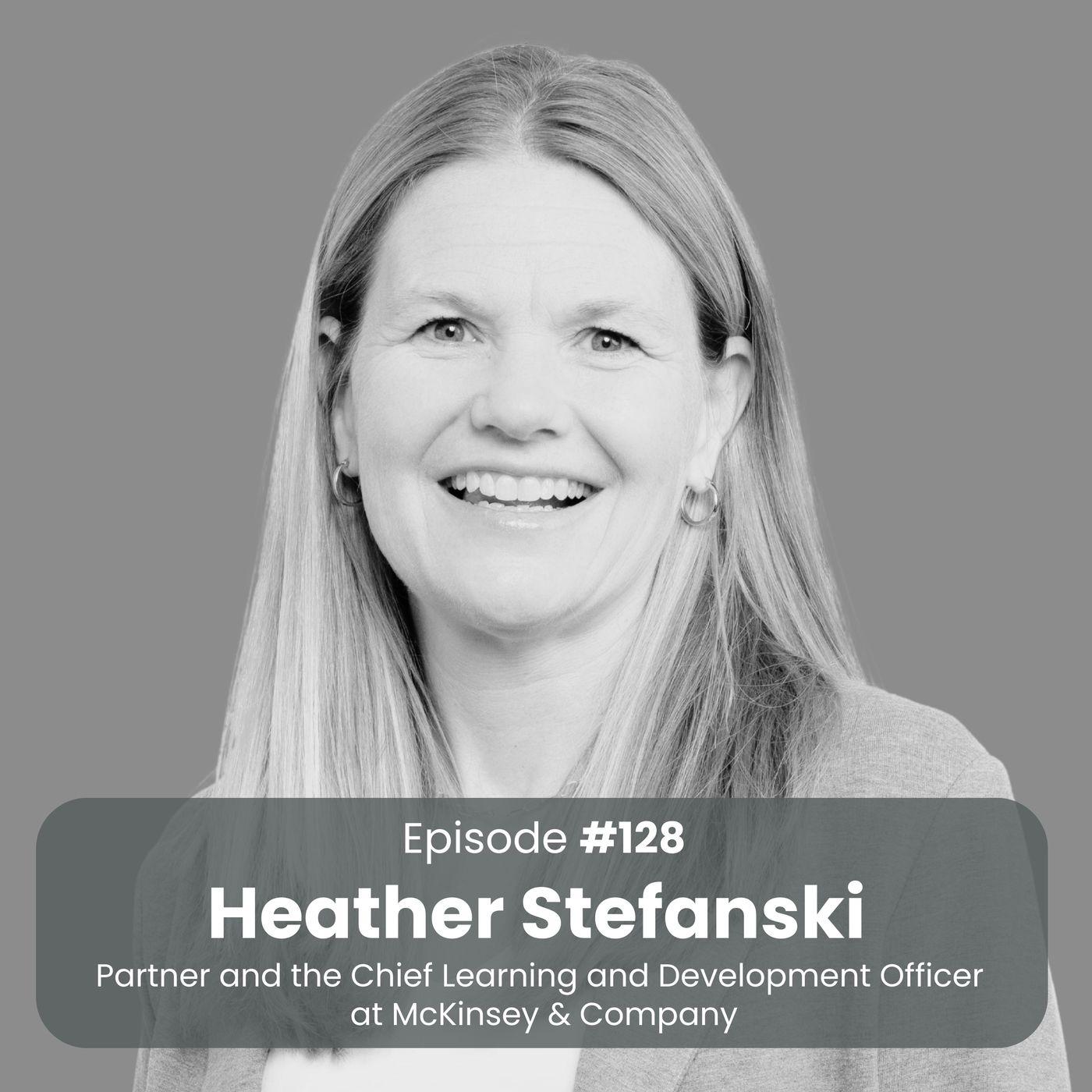
This week on the podcast, we welcome Heather Stefanski, Chief Learning and Development Officer at McKinsey & Company. We explore how organizations like McKinsey are reimagining employee development for the age of AI, shifting learning into the flow of work, focusing on systems and purposeful ap…

Learning and Development (L&D) is at a crossroads. As artificial intelligence (AI) accelerates changes in the workplace, L&D’s traditional stronghold—the creation and curation of content—is rapidly losing its strategic value. In this episode, I discuss the rapidly evolving intersection of A…
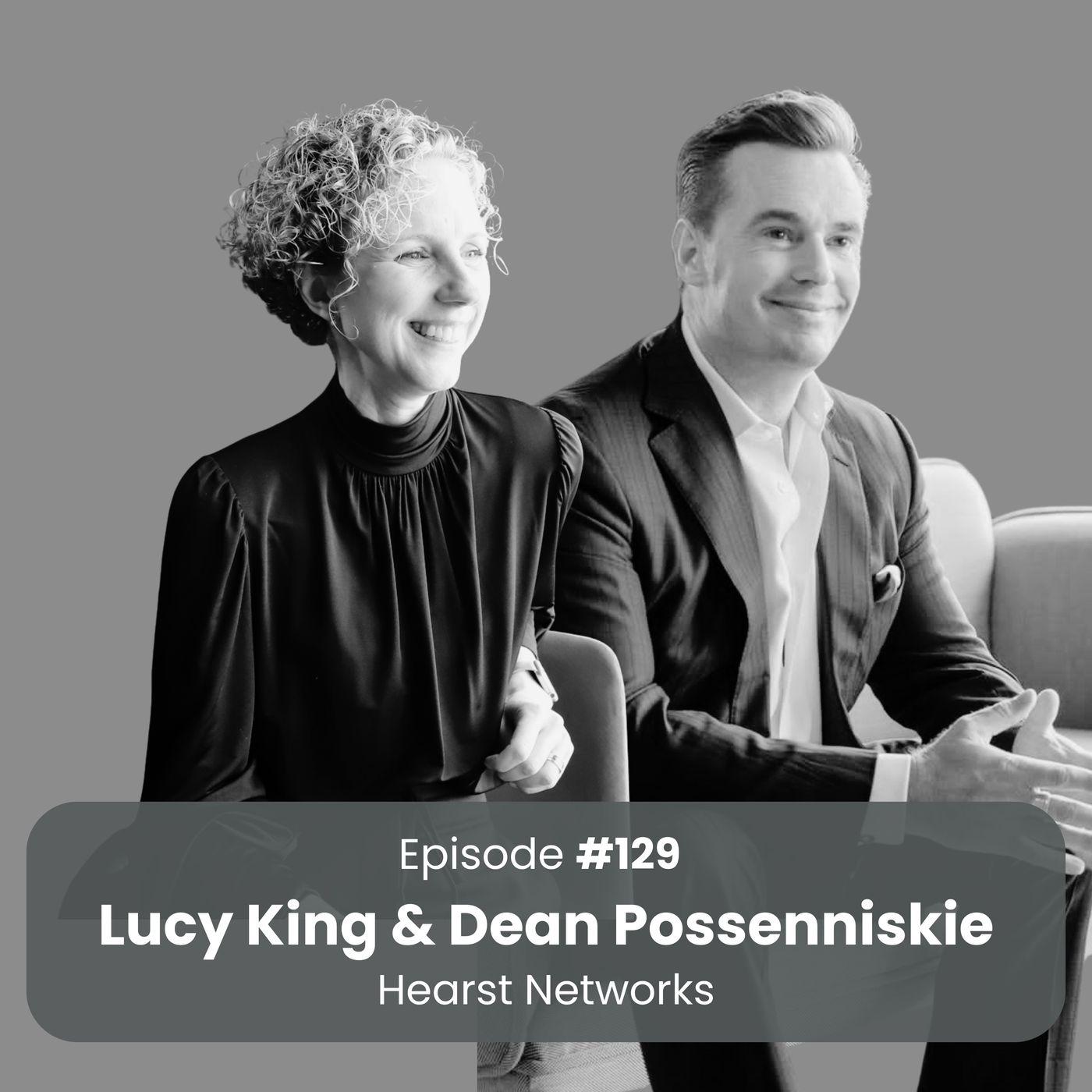
Organizational change is now a constant rather than a phase. Few stories illustrate this better than Hearst Networks’ journey, as shared by Dean Possenniskie, CEO, and Lucy King, Chief People Officer, on this episode of Workplace Stories. Moving from a legacy cable business into a diversified, high…
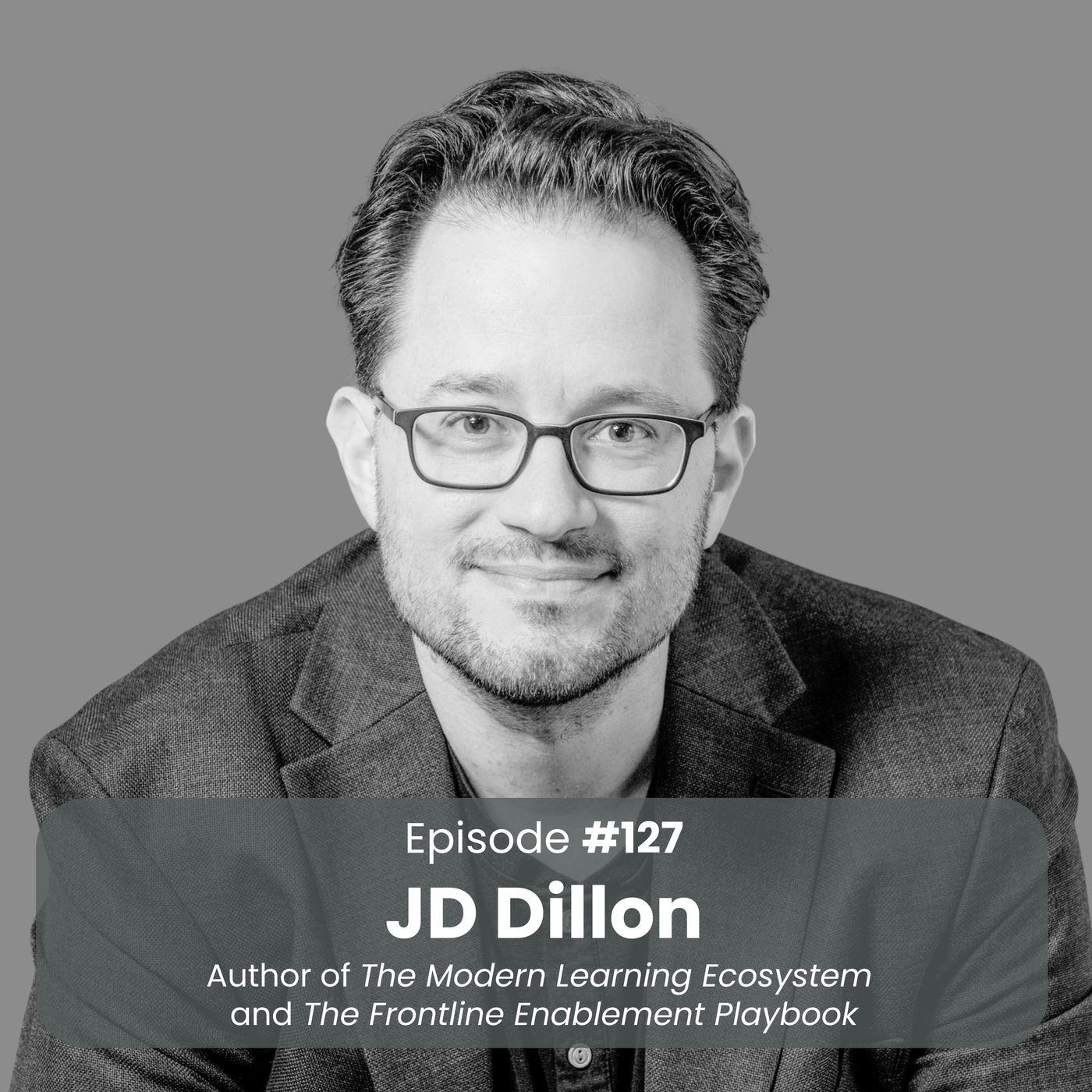
Frontline workers form the massive, beating heart of the global workforce, constituting up to 80% of all employees. But their enablement, experience, and upward mobility often remain quietly neglected. We sit down with J.D. Dillon, author of the upcoming Frontline Enablement Playbook, to dissect th…
Ansvarsfraskrivelse: Podcasten og kunstværket, der er indlejret på denne side, er fra Stacia Garr & Dani Johnson, som tilhører dens ejer og ikke er tilknyttet eller godkendt af Listen Notes, Inc.
REDIG
Tak fordi du hjælper med at holde podcast-databasen opdateret.
