
OM DENNE EPISODE
What actually determines how people vote? Is it the economy? Crime? Immigration? Their children? And how much does the answer depend on which consequence has finally reached their house?
Because people have political opinions, and then they have experiences. Those two things can coexist comfortably for years—until the experience starts making the opinion look ridiculous.
A man can support every criminal justice theory his party produces. Then somebody steals his car while he’s putting groceries in it. Suddenly, he has a few practical questions about the program. Where is the criminal? Where is the car? And why is the person explaining the criminal’s difficult circumstances acting as though the victim has interrupted something?
That voter didn’t necessarily become a conservative. He became involved.
And involvement changes your attention. Before the carjacking, crime was something he evaluated through a television screen. Now he evaluates it through an insurance deductible. The distance between those two positions can be measured in dollars, inconvenience, and the realization that the person who wrote the policy gets to go home without dealing with any of it.
Groceries make the same argument every week. Politicians can tell you what an economic indicator means. Your grocery cart tells you what your paycheck means. You remember what you bought before. You know what you put back today. Nobody needs to explain purchasing power to a woman who has been buying food for the same family for twenty years.
And here’s something politicians consistently misunderstand: people can recognize an improvement and still be angry about the damage that preceded it. If the rate of price increases slows down, the family budget doesn’t automatically recover everything it lost. The politician wants credit for the direction of the chart. The shopper would like the rest of her money.
But direct experience is only part of this. You don’t have to be personally robbed to recognize that somebody is stealing from you.
Which brings us to Minnesota.
When you hear about fraud involving money intended to feed children, you should hear more than a distant scandal. You should remember how that money got there. Somebody worked for it. Somebody had it withheld from a paycheck. Somebody running a business calculated what he owed and sent it in.
Then the people entrusted with it allowed criminals to get their hands on it.
That’s why I think the issues in this election connect more closely than the political consultants admit.
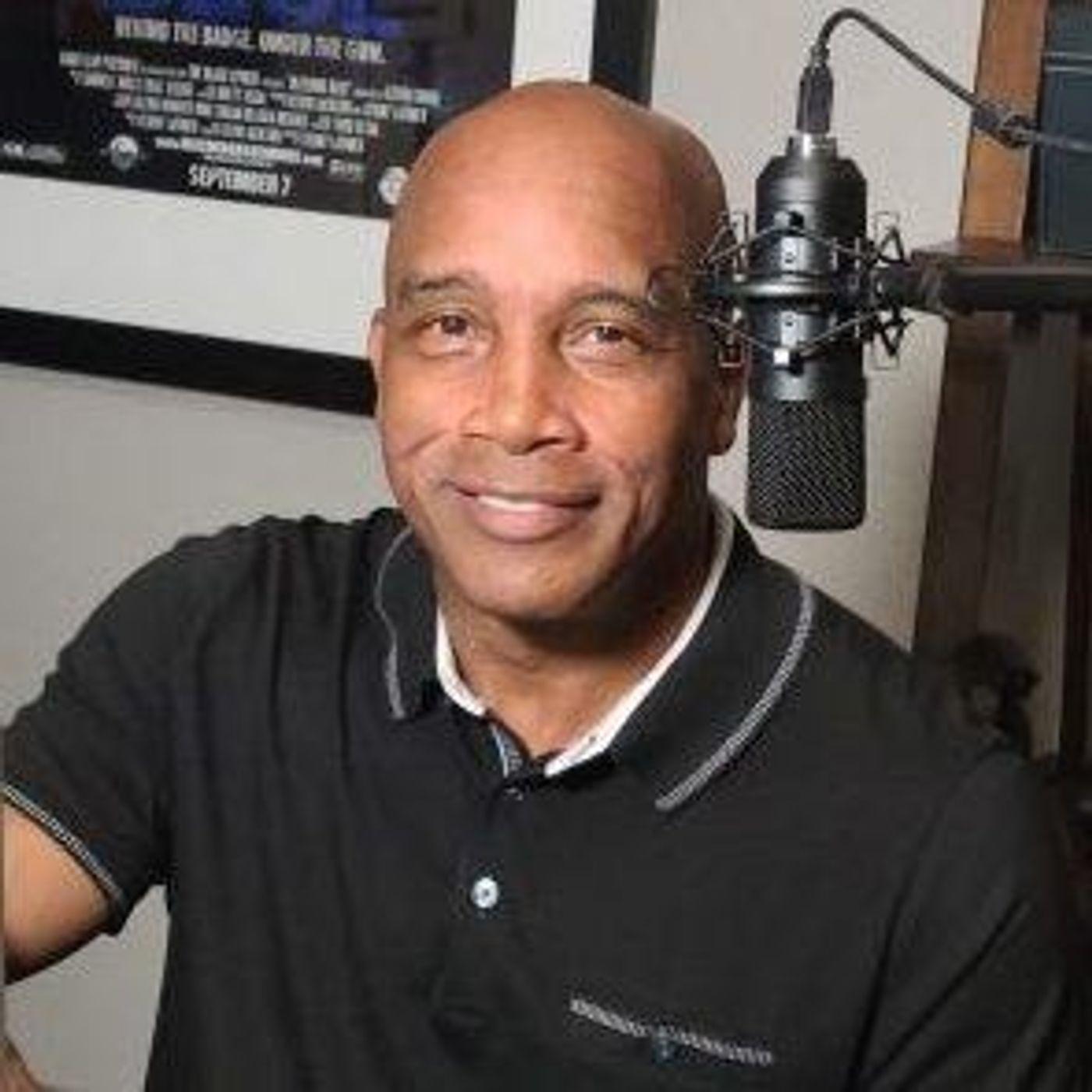
Kevin Jackson has been called, the "white-collar" Joe Rogan. Given their similar backgrounds in TV, comedy, and martial arts, it's easy to see why people enjoy Kevin's show so much.
Hosted by Simplecast, an AdsWizz company. See pcm.adswizz.com for information about our collection and use of personal data for advertising.