

OM DENNE EPISODE
Explore the podcast → www.ibm.com/think/podcast/the-coherence-times
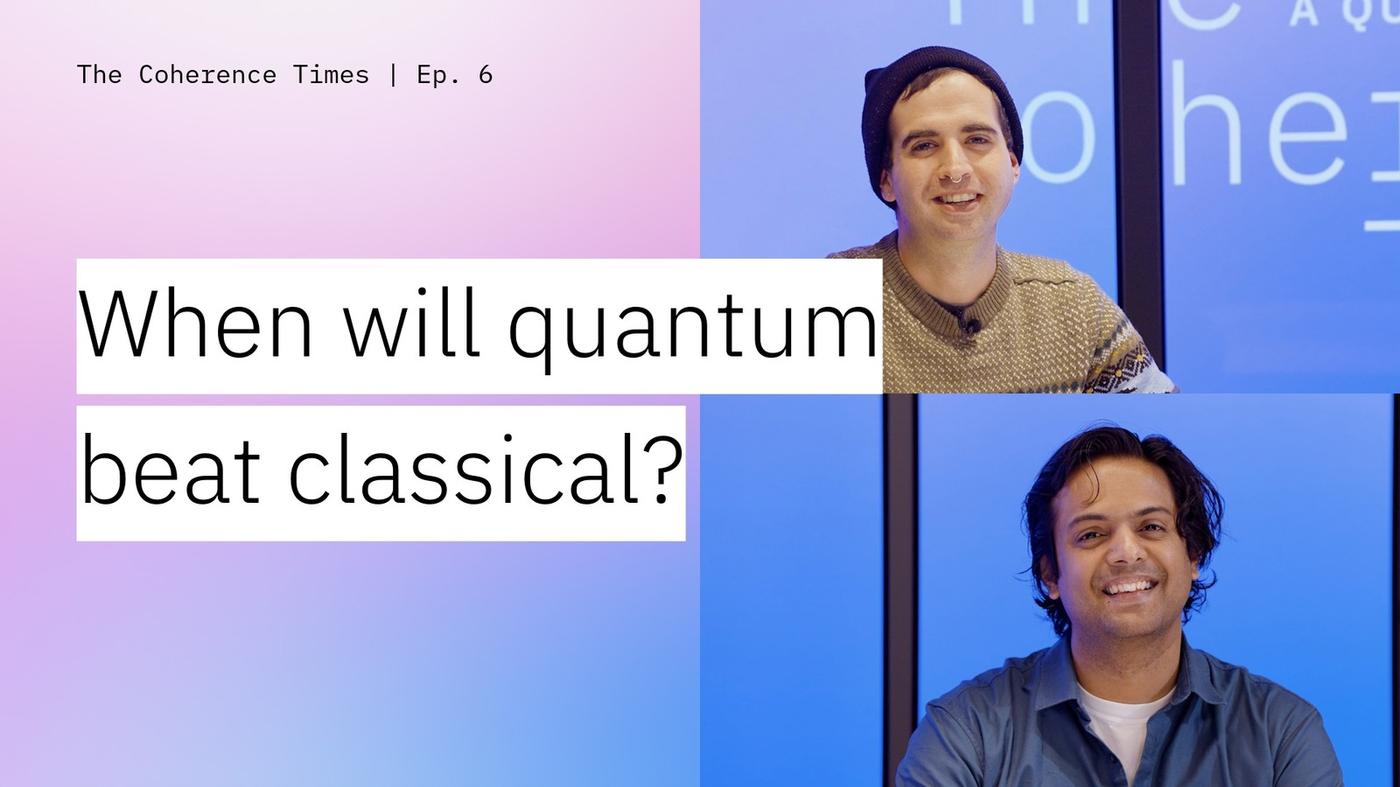
Quantum computers have the potential to solve some valuable scientific problems faster, more accurately, or more cost-effectively than any classical computer. They haven't reached this point yet, but when they do, they will have achieved what we call "quantum advantage," a long sought scientific and engineering milestone that will mark the beginning of an exciting new era of computation. So, when will quantum advantage arrive? What methods are researchers and developers to enable their search for advantage? How will we know when it gets here? In this episode of The Coherence Times, we sit down with IBM Principal Research Scientist Abhinav Kandala to discover how, and when, quantum computers will beat classical computers.
00:00 - Introduction
4:37 - What is quantum advantage?
22:38 - How do we look for quantum advantage
26:48 - How close are we to quantum advantage?
The opinions expressed in this podcast are solely those of the participants and do not necessarily reflect the views of IBM or any other organization or entity.
Check out the IBM Quantum Platform → https://quantum.cloud.ibm.com
Quantum Advantage Tracker here → http://quantum-advantage-tracker.github.io
Engelsk
USA
UDSKRIFT 🔗
Are you the producer of this podcast?
Add a podcast transcript
Need Audio-to-Text?
Transcribe with Listen411 in Just 60 Seconds
SØG BLANDT TIDLIGERE EPISODER
Søg efter gamle afsnit af The Coherence Times .
ANDRE EPISODE I DENNE PODCAST
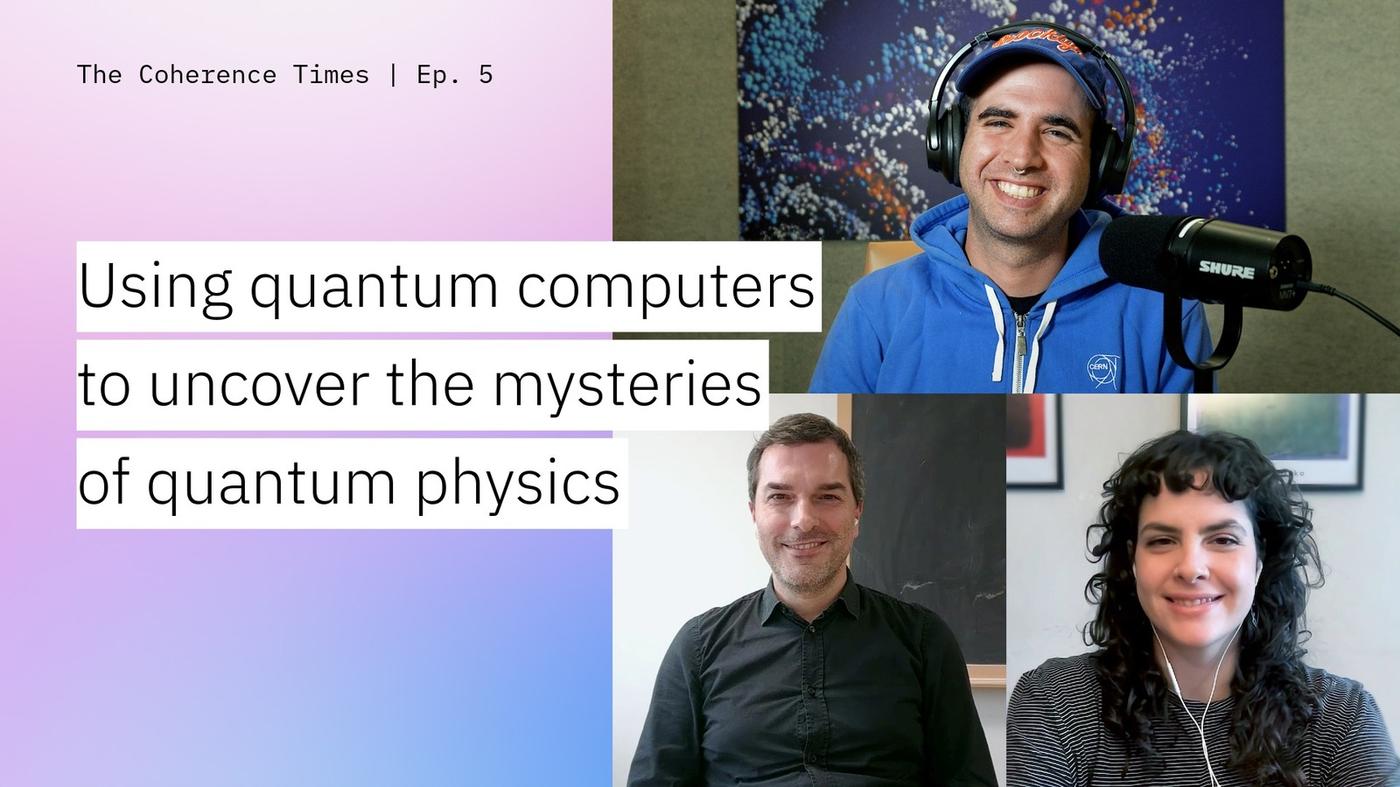
One of the most promising application areas for quantum computers involved their ability to simulate the most fundamental behaviors of the tiny subatomic particles that make up the matter and forces that shape our universe. Because of their tiny size, these particles are subject to the complex a…
Season 2 of The Coherence Times Podcast has arrived! Follow along as host Ryan Mandelbaum interviews quantum computing experts about the latest developments in quantum algorithms, hardware, systems, and more. Learn how researchers and engineers around the world are pushing the boundaries of what…
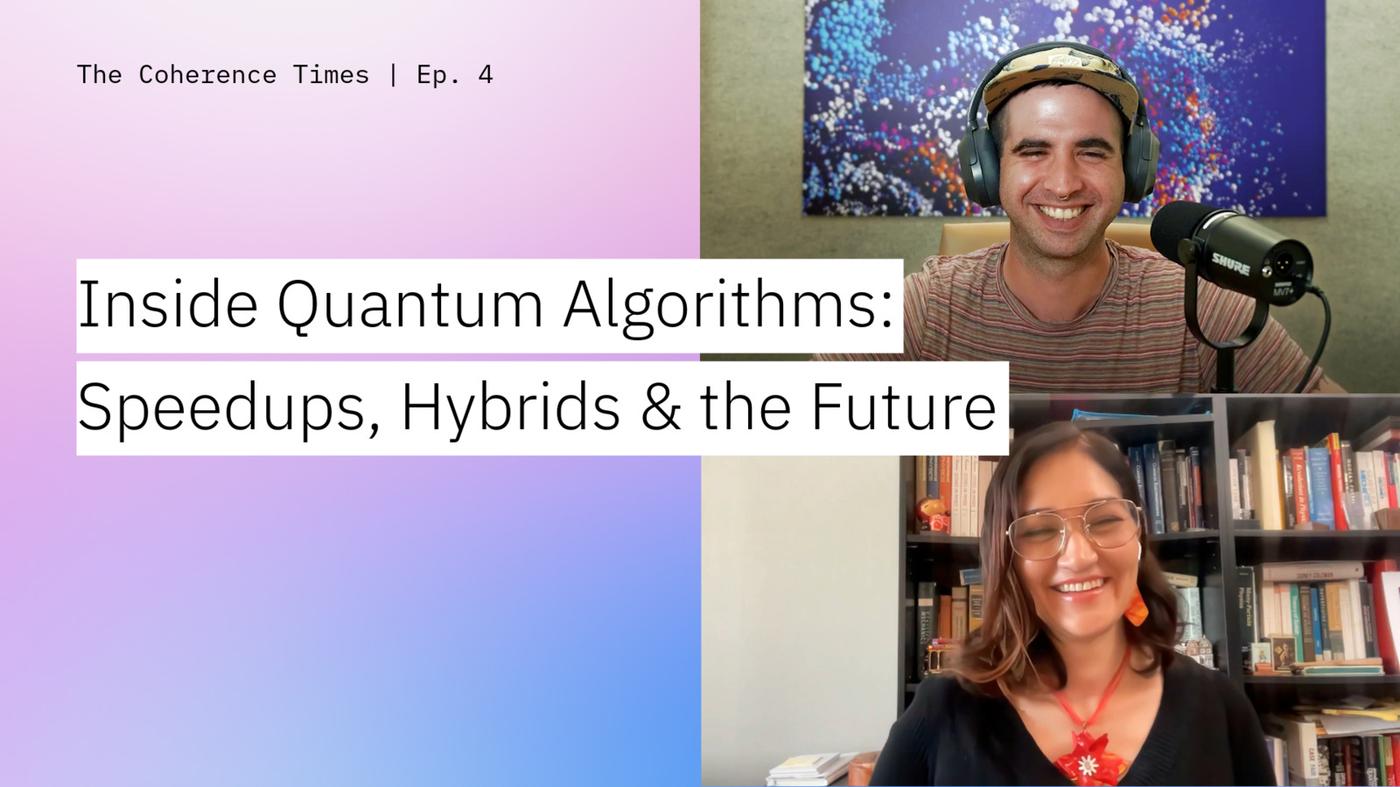
What are algorithms, and why are they so important to computing? In this episode of The Coherence Times, we dive into the fascinating world of quantum algorithms and explore their complicated relationship with their classical counterparts. From the early “vacuum tube days” of quantum computation…
It was almost exactly ten years ago, on May 4, 2026, that IBM put the first quantum computer on the cloud. This was a seminal moment in computing history. For the first time, anyone could run quantum circuits on a real quantum computer from anywhere with an internet connection. That single act to…
Ansvarsfraskrivelse: Podcasten og kunstværket, der er indlejret på denne side, er fra IBM, som tilhører dens ejer og ikke er tilknyttet eller godkendt af Listen Notes, Inc.
REDIG
Tak fordi du hjælper med at holde podcast-databasen opdateret.
