WEBVTT
00:00:38.210 -->
00:00:38.929Hi, everybody.
00:00:39.009 -->
00:00:44.129It's Tim Hagen from Progress Coaching, and I want to introduce the concept again.
00:00:44.369 -->
00:00:51.250But if this is the first time you've seen this or seen me for that matter, the concept is called learning-based coaching.
00:00:51.489 -->
00:00:56.769You know, we have all these battles of human-based coaching versus AI-based coaching.
00:00:56.929 -->
00:00:58.129We actually do both.
00:00:58.450 -->
00:01:00.849See, I think I go back to Dr.
00:01:01.009 -->
00:01:05.250Tasha Yurik's work in her New York Times bestseller Insight.
00:01:05.810 -->
00:01:12.210And she says in her study that 95% of the people said in a survey, I'm highly self-aware.
00:01:12.449 -->
00:01:15.569When she tested them, only 10% were.
00:01:15.810 -->
00:01:21.890That means 85% of people, according to her study, significantly lack self-awareness.
00:01:22.049 -->
00:01:27.329Now, ironically, for 32 years owning this company, I've always said coaching's a two-step process.
00:01:27.490 -->
00:01:29.650Number one, it's getting people to look in the mirror.
00:01:29.810 -->
00:01:32.530Number two, it's getting them to take action on number one.
00:01:32.689 -->
00:01:35.810Yet few people do number one arbitrarily on their own.
00:01:35.969 -->
00:01:38.930So I thought, boy, this is kind of unique 30 some years later.
00:01:39.090 -->
00:01:40.370And I love her work.
00:01:40.530 -->
00:01:41.490I love it.
00:01:42.370 -->
00:01:44.530So then I thought, well, wait a minute.
00:01:44.689 -->
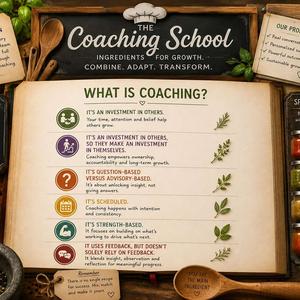
00:01:45.650What is coaching?
00:01:45.810 -->
00:01:46.609Let's start there.
00:01:46.770 -->
00:01:47.810What is coaching?
00:01:48.050 -->
00:01:51.490Coaching is about looking in the mirror and taking action on it.
00:01:51.650 -->
00:01:53.169It's all about self-awareness.
00:01:53.250 -->
00:01:54.689Let me give you an example.
00:01:54.930 -->
00:01:59.490If you have someone with a negative attitude and you go up and say, Bob, you have a negative attitude, cut it out.
00:01:59.650 -->
00:02:02.129What does Bob really think when you say that?
00:02:02.370 -->
00:02:05.330Does he honestly go, Yeah, you're right.
00:02:05.409 -->
00:02:06.129There was an issue.
00:02:06.210 -->
00:02:07.409My wife tells me all the time.
00:02:07.650 -->
00:02:15.169No, he comes up with every reason to discount your feedback, your insight, your coaching, whatever you want to call it.
00:02:15.409 -->
00:02:17.250Because we have walls of resistance.
00:02:17.330 -->
00:02:18.689It's tough to look in the mirror.
00:02:18.770 -->
00:02:20.849We don't like what we see a lot of the time.
00:02:21.009 -->
00:02:23.009So I'll ask you another question.
00:02:23.729 -->
00:02:32.770How many courses did you take semester or year long in high school or college and how to seek and accept feedback professionally?
00:02:33.409 -->
00:02:34.849I bet you it's zero.
00:02:35.090 -->
00:02:38.449And so then we have to go back to what is coaching?
00:02:38.609 -->
00:02:47.169Coaching is about talent development, it's about somebody to look in the mirror, or about us as coaches to get somebody to look in the mirror and take action.
00:02:47.250 -->
00:02:48.370And it starts with strengths.
00:02:48.530 -->
00:02:49.650Gallup reports.
00:02:49.889 -->
00:02:53.729If we lead with people's strengths, they'll engage eight times more.
00:02:54.370 -->
00:02:58.769So when you think about that, and and the Harvard study by Dr.
00:02:58.849 -->
00:03:07.250Teresa Amable reports 76% of the people in her study were at their happiest, most motivated state when they were progressing and improving in their job.
00:03:07.329 -->
00:03:09.729It was not reward recognition or money.
00:03:09.969 -->
00:03:13.889So it begs the question: how do we bring all these things together?
00:03:14.209 -->
00:03:20.370So coaching from the pandemic absolutely skyrocketed.
00:03:20.689 -->
00:03:25.810Because we can do this, we can have a virtual session, we can do a phone, we can do FaceTime on our phones.
00:03:26.530 -->
00:03:28.929And we started to realize people were struggling.
00:03:29.090 -->
00:03:31.489There was stress, there was anxiety.
00:03:32.370 -->
00:03:34.209People needed to talk to other people.
00:03:34.449 -->
00:03:36.289We felt cooped up in our homes.
00:03:36.530 -->
00:03:38.689The coaching industry skyrocketed.
00:03:38.769 -->
00:03:51.090Now, just recently in 2026, I read a report, and I think it's by the ICF, the International Coaching Federation, that stated that human-based coaching was up 10.7% this year.
00:03:51.489 -->
00:03:54.289Like, wow, that's kind of cool.
00:03:54.530 -->
00:03:57.329Now we have both AI and human-based coaching.
00:03:57.409 -->
00:04:12.849So I'm not against or for one, but if I can get someone to look in the mirror through an AI agent, and I'm going to tease you, reading a book, watching a video, it goes back to where does coaching really start?
00:04:13.169 -->
00:04:19.009I think number one, there has to be thought provocation or learning stimulation.
00:04:19.170 -->
00:04:20.689I know that sounds corny.
00:04:20.850 -->
00:04:26.610I played a video for a team the other day, and it's a company that's having a lot of success.
00:04:26.850 -->
00:04:31.250Stress is high, workload is crazy, their words, not mine.
00:04:31.569 -->
00:04:38.530And I played a video of a family where the kid got in the basketball game and he was the manager of the basketball team.
00:04:38.610 -->
00:04:39.730He had Down syndrome.
00:04:39.889 -->
00:04:42.050And I said, just everybody kind of digest this.
00:04:42.129 -->
00:04:43.730I lowered my voice.
00:04:44.530 -->
00:04:47.090I could have said, you know, you all need perspective.
00:04:47.329 -->
00:04:52.689What I did as a coach, hopefully well, is I facilitated the perspective.
00:04:53.010 -->
00:04:55.650I facilitated perspective.
00:04:55.970 -->
00:04:59.170And I asked everybody to write down the words at the start of the session.
00:04:59.250 -->
00:05:01.730I heard things like overwork, stressed, anxiety.
00:05:01.890 -->
00:05:07.490Within four minutes of that video, I said, now write down a word that represents your emotional feeling or state.
00:05:07.970 -->
00:05:13.890Humbled, excited, energized, lump and throat was one of the phrases.
00:05:15.090 -->
00:05:17.650Within three or four minutes of watching the video.
00:05:18.210 -->
00:05:22.850So thought provocation, stimulation, step one.
00:05:23.330 -->
00:05:25.250Step two, questions.
00:05:25.810 -->
00:05:28.930See when you ask me, Tim, what are you willing to do to lose weight?
00:05:29.010 -->
00:05:31.090And I say, I'm willing to work out every day.
00:05:31.170 -->
00:05:32.050I now own it.
00:05:32.210 -->
00:05:35.250Now, if you tell me, Tim, you got to lose weight, you better start working out.
00:05:35.410 -->
00:05:37.810My first thing is, how dare you?
00:05:38.610 -->
00:05:44.050And so it's step one, learning, thought provocation, learning stimulation.
00:05:44.210 -->
00:05:45.970Step two, questions.
00:05:46.370 -->
00:05:51.090And then the questions have to morph or transition into actions.
00:05:51.250 -->
00:05:53.090Let me show you what I'm talking about.
00:05:53.970 -->
00:06:00.050So this is a diagram that we put together, and this is the concept of learning-based coaching.
00:06:00.370 -->
00:06:03.890So when you think about learning-based coaching, we have learning.
00:06:03.970 -->
00:06:12.129It could be a podcast, it could be a video, it could be a workshop, it could be a seminar, it could be reading a book, watching a video, uh, observing someone on the team and journaling.
00:06:12.290 -->
00:06:16.370And then the coaching is the questions.
00:06:16.610 -->
00:06:17.330What did you learn?
00:06:17.410 -->
00:06:18.610What are you learning about yourself?
00:06:18.689 -->
00:06:20.450You're positively committed to.
00:06:21.090 -->
00:06:22.610What actions are you going to take?
00:06:22.689 -->
00:06:24.290Well, I need to role play and practice more.
00:06:24.370 -->
00:06:25.890I'd love to do that with you.
00:06:26.129 -->
00:06:28.129Learning projects every week.
00:06:28.370 -->
00:06:34.610I want you to read an article out of this book and email me two things that you put into practice.
00:06:34.770 -->
00:06:35.970You get the idea.
00:06:36.290 -->
00:06:38.850See, the whole goal is to stimulate.
00:06:39.810 -->
00:06:44.450Step two to start to ask questions to begin the coaching process.
00:06:44.770 -->
00:06:48.290Step three, how are you going to apply this in the real world?
00:06:48.370 -->
00:06:53.090And more importantly, how do you and I know you've applied this in the real world?
00:06:53.810 -->
00:06:55.890So here's the aha lesson.
00:06:56.930 -->
00:07:02.689We don't need AI, and we certainly don't need humans to coach.
00:07:03.890 -->
00:07:10.610And as I was crafting this out, I was sharing it with someone in my office, and he said, Oh my gosh, that is really cool.
00:07:10.770 -->
00:07:12.210I said, It is, isn't it?
00:07:12.530 -->
00:07:17.970I said, This is really something that we need to think more strategically about.
00:07:18.050 -->
00:07:20.689Now I want to challenge my training friends.
00:07:21.330 -->
00:07:27.170This is not about training, this is about learning stimulation.
00:07:27.650 -->
00:07:31.970And so when you learn, it's different than attending training.
00:07:32.129 -->
00:07:33.890By the way, I love training.
00:07:34.050 -->
00:07:37.890I just think the training folks have been really sold short.
00:07:38.129 -->
00:07:39.250Well, we need more training.
00:07:39.330 -->
00:07:45.730No, we do not need more training, and we certainly don't need better training because the training industry for decades has done a phenomenal job.
00:07:45.890 -->
00:07:49.810It's always been the training reinforcement, the learning application.
00:07:49.970 -->
00:07:52.450That's always been the challenge.
00:07:52.610 -->
00:07:54.210I'll give you another example.
00:07:54.450 -->
00:07:57.010We tend to throw technology at things.
00:07:57.330 -->
00:08:02.370Do you know that at one point over 75% of CRMs failed for sales teams?
00:08:02.530 -->
00:08:03.730But it was great technology.
00:08:03.890 -->
00:08:04.210Why?
00:08:04.370 -->
00:08:07.410Because the human, the rep, doesn't put everything into the CRM.
00:08:07.650 -->
00:08:11.090When we have people attend training, well, I took a couple nuggets away.
00:08:11.250 -->
00:08:13.250I always take a couple nuggets away.
00:08:13.569 -->
00:08:15.650No, how are you really applying this?
00:08:15.810 -->
00:08:17.490I'm going to give you one more example.
00:08:17.730 -->
00:08:22.610Just talking to a VP of sales at a company, and he said, We don't have time to practice.
00:08:22.770 -->
00:08:24.530I said, then don't.
00:08:25.250 -->
00:08:28.530But your competition practices two to three times a week.
00:08:28.689 -->
00:08:32.210They role play, they get scored, they give each other feedback, they smile.
00:08:32.289 -->
00:08:38.370Oh, by the way, they love, they love to role play and practice to prepare for each and every sales call.
00:08:38.689 -->
00:08:40.76945 seconds, I said that to him.
00:08:41.809 -->
00:08:43.569And you could see his face.
00:08:54.370 -->
00:08:55.649Numbers were down.
00:08:56.929 -->
00:09:01.970His attitude sucked because he thought, you know, I've been doing this a long time.
00:09:02.129 -->
00:09:05.569Yeah, we can have a lot of experience in not doing things right.
00:09:05.889 -->
00:09:09.089Experience is not a rite of passage to not practice.
00:09:09.329 -->
00:09:12.929So I said to him, Who's your favorite author?
00:09:13.250 -->
00:09:15.569And he ends up telling me a couple sales authors.
00:09:15.649 -->
00:09:18.209And I said, You know, there's a great site out there called Sales Hack.
00:09:18.289 -->
00:09:26.370Have you ever thought about sending the newsletter out every week and just asking people how they would put this into application, how they would put this into practice?
00:09:26.529 -->
00:09:28.209And did you put it into practice?
00:09:28.370 -->
00:09:30.769And he starts writing it down feverishly.
00:09:31.250 -->
00:09:43.409So coaching can come from a source, it can come from an AI agent, it can come from a manager, it can come from a peer, it can come from an outside coach.
00:09:43.569 -->
00:09:45.169I happen to have four of them.
00:09:45.490 -->
00:09:51.730So what we also have to realize, and I cannot believe I'm saying this.
00:09:53.009 -->
00:09:56.610For years, for 32 years, I hear it all the time.
00:09:56.849 -->
00:09:58.289I don't have time to coach.
00:09:58.370 -->
00:09:59.889I hear it, I understand it.
00:10:00.049 -->
00:10:03.490I don't fully agree with it, but I don't fully disagree with it now.
00:10:03.969 -->
00:10:13.490And what if there was a source that could stimulate the coaching process and help leaders coach without using all of their own time?
00:10:13.809 -->
00:10:15.490And it's learning-based coaching.
00:10:15.649 -->
00:10:17.569So let me show you this diagram again.
00:10:17.809 -->
00:10:20.689I think for me, this is one of the most exciting things.
00:10:20.849 -->
00:10:26.370I'll even share with you we launched a new initiative of the client called webinar-based coaching.
00:10:26.529 -->
00:10:28.049The learning is the webinar.
00:10:28.209 -->
00:10:30.049We ask questions right within the session.
00:10:30.129 -->
00:10:40.289Afterwards, we have four weeks of follow-up lessons, and then we do an end of the quarter, end-of-the-month assessment where they actually have to quantify what they adapted, what they put into action.
00:10:40.529 -->
00:10:42.529That's what learning-based coaching is.
00:10:42.689 -->
00:10:48.689So, what if learning was the stimulation that started the coaching process?
00:10:49.250 -->
00:10:50.289What's your feedback?
00:10:50.370 -->
00:10:51.089Let me know your thoughts.
00:10:51.250 -->
00:10:56.209And if you're intrigued, send me a note on LinkedIn saying, hey, I'd like to learn more about learning-based coaching.
00:10:56.370 -->
00:11:00.129Not only do we have a course, we have a whole product line called Sidekick.
00:11:00.289 -->
00:11:16.370We have a whole product line called Assess to Coach that stimulates and uses learning that actually tees it up to the point where we literally build executive summaries, self coaching plans, and then coaching plans for the managers to administer as a result of learning based coaching initiative.
00:11:16.610 -->
00:11:20.849We literally start the ball rolling and make it easier for leaders to coach.
00:11:20.929 -->
00:11:21.889Let me know your thoughts.
00:11:22.049 -->
00:11:23.409Thanks, everybody.