

OM DENNE EPISODE
More at https://www.philosophytalk.org/shows/margaret-cavendish.
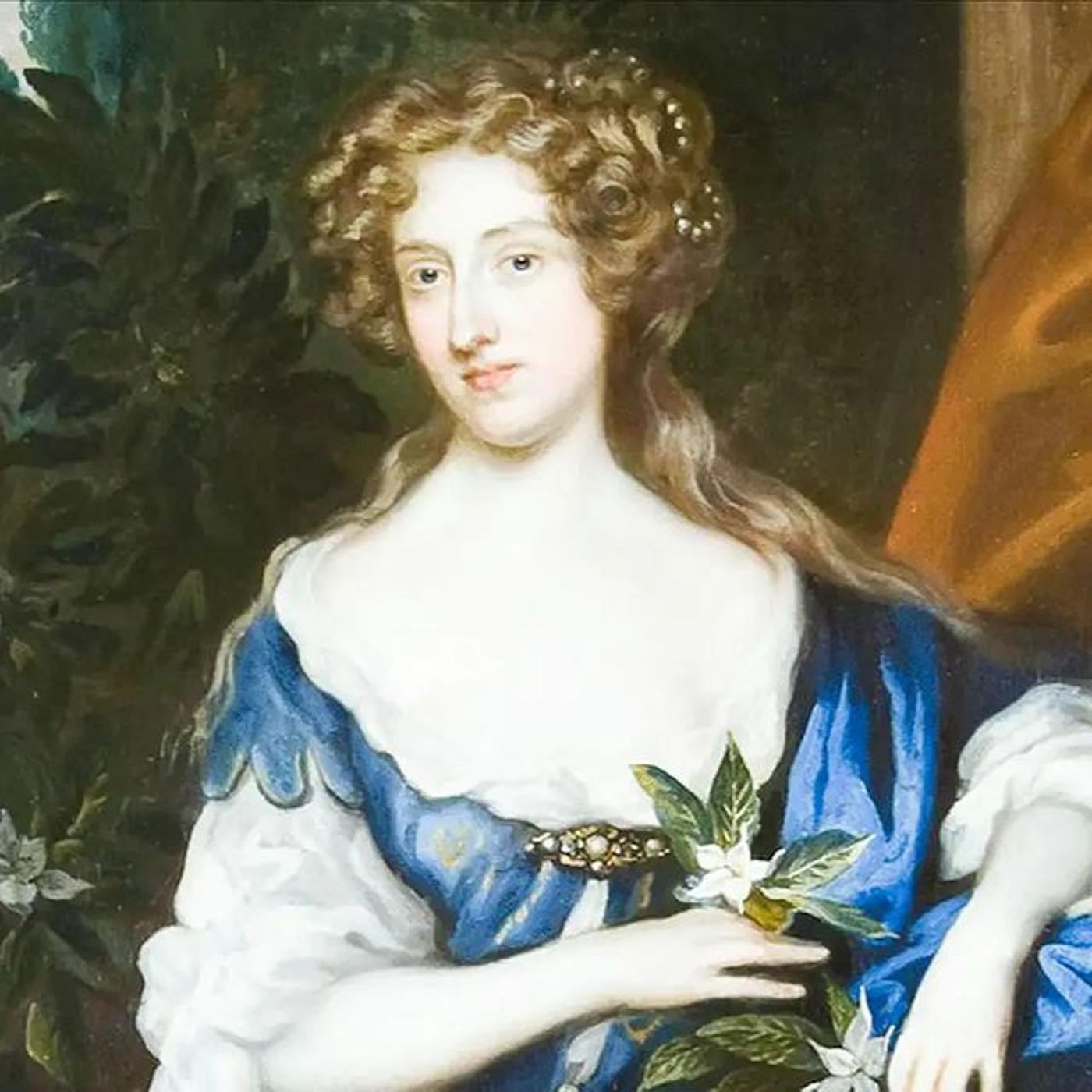
Margaret Cavendish was a writer of poetry, philosophy, polemics, histories, plays, and utopian fiction. She employed many different genres as a way to overcome access barriers for women and build an audience for her subversive philosophical ideas. So, what was so radical about Cavendish's views? Why did she think all matter, even rocks, was at least partially rational? And how did she anticipate the term "epistemic injustice" 400 years before it was coined? Josh and Ray explore the life and thought of Margaret Cavendish with Karen Detlefsen from the University of Pennsylvania, co-editor of "The Routledge Handbook of Women and Early Modern European Philosophy."
Margaret Cavendish was a writer of poetry, philosophy, polemics, histories, plays, and utopian fiction. She employed many different genres as a way to overcome access barriers for women and build an audience for her subversive philosophical ideas. So, what was so radical about Cavendish's views? Why did she think all matter, even rocks, was at least partially rational? And how did she anticipate the term "epistemic injustice" 400 years before it was coined? Josh and Ray explore the life and thought of Margaret Cavendish with Karen Detlefsen from the University of Pennsylvania, co-editor of "The Routledge Handbook of Women and Early Modern European Philosophy."
Engelsk
USA
UDSKRIFT 🔗
Are you the producer of this podcast?
Add a podcast transcript
Need Audio-to-Text?
Transcribe with Listen411 in Just 60 Seconds
SØG BLANDT TIDLIGERE EPISODER
Søg efter gamle afsnit af Select Episodes.
ANDRE EPISODE I DENNE PODCAST
More at https://www.philosophytalk.org/shows/mary-astell.
Mary Astell (1666–1731) was an English philosopher and writer who advocated for equal rights for women. While she described marriage as a type of “slavery,” she was also a staunch conservative who claimed that women who did marry should acc…
More at www.philosophytalk.org/shows/elisabeth-bohemia.
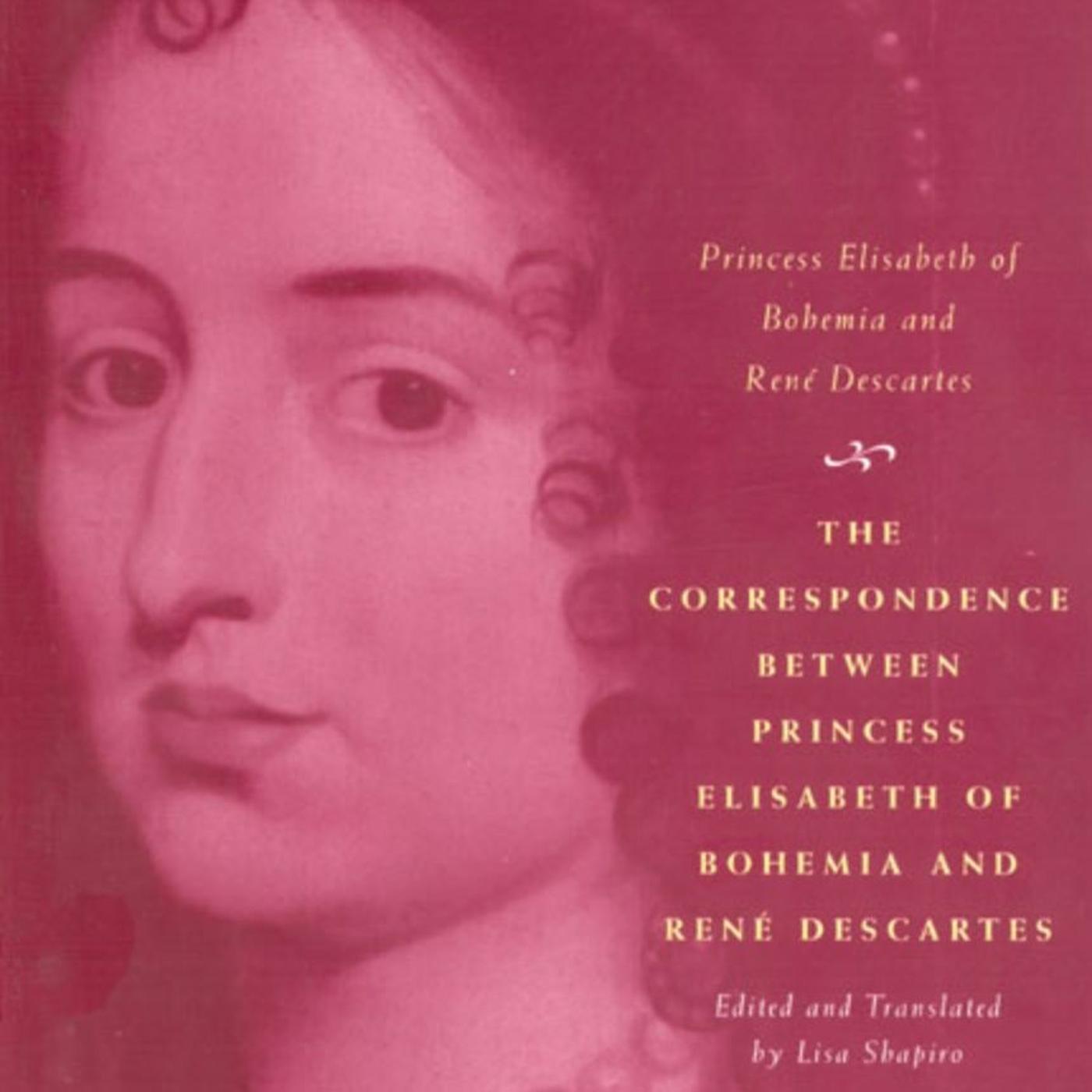
Princess Elisabeth of Bohemia (1618–1680) is best known for her correspondence with René Descartes. In her letters, she articulated a devastating critique of his dualist theory of mind, in particular on the impossibility of mind-body interact…

More at www.philosophytalk.org/shows/mind-sharing.
Mind reading might sound like the stuff of science fiction. But in philosophy and psychology, mind reading is something that human beings do whenever we try to guess what another person is thinking. Could it be that people are also natural born mi…
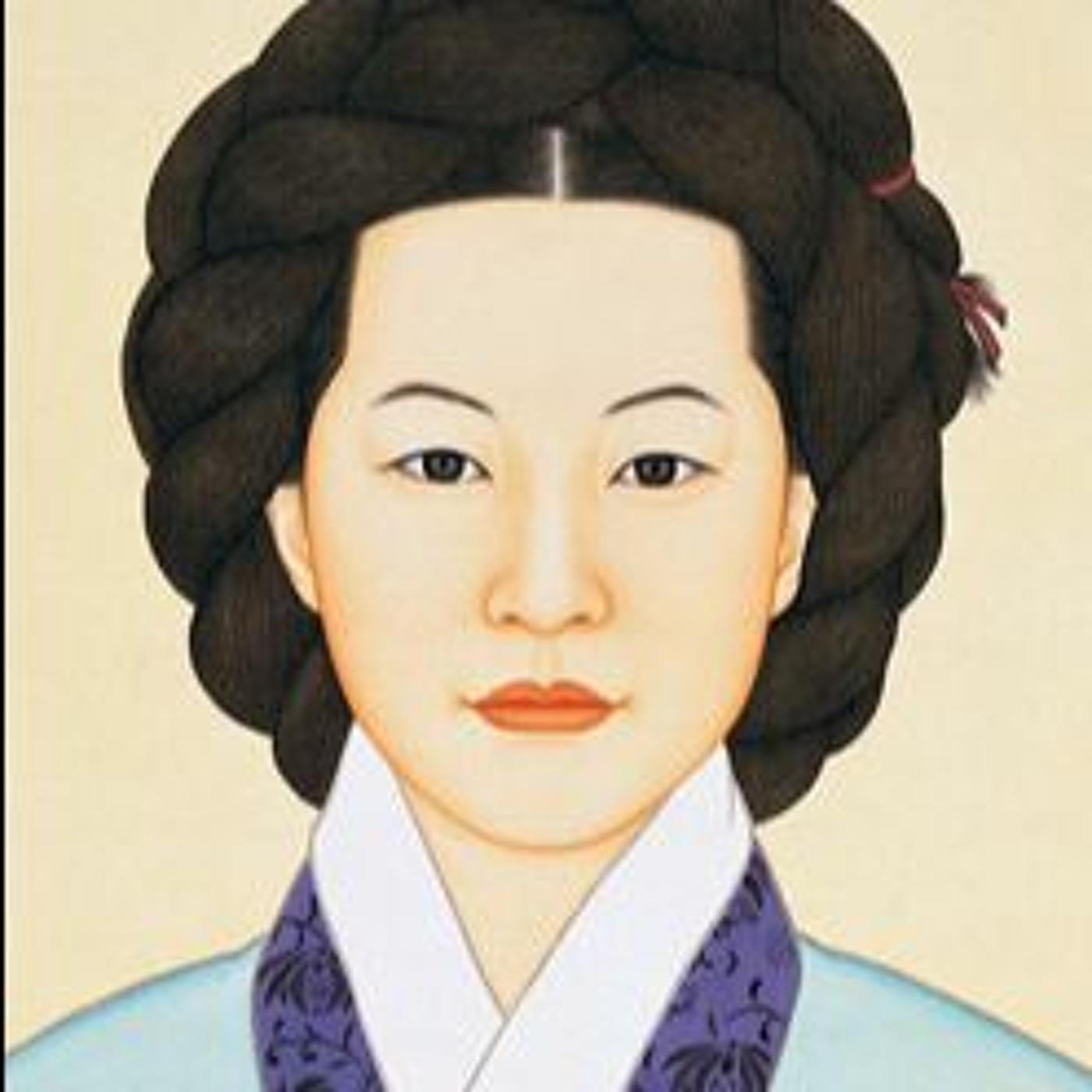
More at https://www.philosophytalk.org/shows/im-yunjidang.
18th-century Korean philosopher Im Yunjidang was the first Confucian to argue for women’s equality in matters of morality and to claim that women, just like men, can be sages. She also argued that it isn't just what you do that matters mor…
Ansvarsfraskrivelse: Podcasten og kunstværket, der er indlejret på denne side, er fra Philosophy Talk, som tilhører dens ejer og ikke er tilknyttet eller godkendt af Listen Notes, Inc.
REDIG
Tak fordi du hjælper med at holde podcast-databasen opdateret.
