

OM DENNE EPISODE

Raising Expectations with Pastor Joe Schofield
Medicare Advantage Disruptions, Part D Reforms, and Open Enrollment Realities with Steve Kavazood
Pastor Joe Schofield and his co-hosts welcome Medicare advisor Steve Kavazood to break down unprecedented Advantage plan terminations, Part D prescription drug overhauls, and essential enrollment strategies for seniors.
Opening Faith Affirmation, Co-Host Introductions, and Welcoming Steve Kavazood
Pastor Joe Schofield opens the Monday broadcast of Raising Expectations by testifying to faith in Jesus Christ, praising His sacrifice on the cross and celebrating the eternal hope believers possess. He checks in with his nationwide broadcast team, introducing Dr. Paul Hall in Lompoc, California, and Pastor Ron Greer in McKinney, Texas, while noting that Dr. Craig Thayer and Stephanie Thayer in Dalton, Georgia are absent due to temporary family emergencies. Seated alongside his wife, Melva Schofield, a graduate of Southwestern Baptist Theological Seminary, Schofield introduces returning guest Steve Kavazood, founder of My Insurance Solutions in Santa Rosa, California. Schofield commends Kavazood as a dedicated Christian professional who has guided seniors through health insurance decisions since 2012. Kavazood announces that he officially aged into Medicare at sixty-five in August, gaining firsthand insight into appointment delays and system challenges while balancing support for his expanding family of daughters and grandchildren.
Massive Policy Disruptions and Navigating Plan Terminations
Kavazood details the unprecedented disruptions sweeping senior healthcare, reporting that insurance carriers have terminated roughly 4.7 million Medicare Advantage policies due to shrinking financial margins. In addition, 1.2 million stand-alone Part D prescription drug plans and another 4.5 million combined drug packages are ending. Drawing from personal agency experience servicing over one thousand clients, Kavazood notes that carrier restructuring required rewriting six hundred policyholders in a single year, requiring an expanded support staff to prevent lapses. He cautions that up to twenty percent of beneficiaries routinely ignore postal notices, risking an abrupt loss of coverage on New Year's Day when attempting to fill prescriptions or visit doctors. Kavazood recounts an extreme case where an agent uncovered six years of unopened mail, finding the client had unwittingly forfeited Medicaid, Medicare, and drug coverage. He emphasizes that healthcare choices directly influence personal finances and daily independence, warning that carrier disruptions demand immediate attention from families and caregivers.
PPO Terminations, Veteran Benefits, and Annual Notice Letters
Explaining program structures, Kavazood contrasts original Medicare Parts A and B paired with Medigap supplements against Medicare Advantage Part C. He warns that ninety percent of Advantage preferred provider organizations, or PPOs, are terminating this year because insurers struggle to manage unchecked out-of-network costs. Beneficiaries must carefully examine their annual notice of change letters to identify service area reductions. Kavazood points out that many seniors enroll for zero-dollar premiums and ancillary perks such as dental, vision, and transportation rather than core clinical coverage. However, carriers are aggressively curbing dental allotments and reducing Part B premium givebacks, which previously refunded twenty to two hundred dollars monthly. In response to Melba Schofield's question regarding military families, Kavazood clarifies that TRICARE For Life requires twenty years of service and often leaves ambulance transport or dental gaps, while improper guidance causes veterans to delay Part B enrollment and incur permanent lifetime penalties.
Core Coverage Rules, Deductibles, and Special Needs Plans
At Ron Greer's request, Kavazood outlines the fundamentals of Medicare. Part A covers inpatient hospital stays and skilled nursing, funded through payroll taxes, while Part B carries a standard monthly premium of 202 dollars and ninety cents to handle outpatient clinics, diagnostic testing, emergency care, and preventative screenings. Because standard coverage leaves a twenty percent coinsurance gap, beneficiaries choose between traditional Medigap supplements or Part C Medicare Advantage HMOs that coordinate managed care through defined primary physician networks. Addressing market shifts in Texas, Kavazood explains that insurers exiting a region face a mandatory three-year absence before returning. He describes the surge of chronic special needs plans, known as C-SNPs, and dual-eligible plans for low-income seniors. Because the federal government provides higher reimbursements to insurers for managing chronic conditions such as diabetes and cardiovascular disease, carriers frequently offer these targeted HMO packages with zero-dollar premiums and specialized wellness monitoring.
Prescription Drug Rules, GLP-1 Coverage, and Broker Commissions
The discussion turns to pharmaceutical coverage as Melba Schofield shares her relief at paying only twenty-six dollars for insulin after previously spending hundreds under former employer plans. Kavazood explains that legislation has capped insulin copays at thirty-five dollars for a thirty-day supply, phased out the donut hole coverage gap, and established a catastrophic drug spending ceiling of twenty-four hundred dollars. Responding to Greer's inquiry regarding popular GLP-1 medications like Ozempic, Wegovy, and Zepbound, Kavazood notes that federal rules required Part D formularies to add them, capping approved copays at fifty dollars, though off-label weight loss use creates availability shortages. He alerts seniors to the federal bridge program for non-formulary access. Kavazood then reveals a troubling industry shift: major insurance carriers have terminated broker commissions for prescription drug management and selected Advantage plans, forcing ethical agents to conduct arduous formulary reviews without compensation while unscrupulous competitors simply abandon seniors to navigate bureaucracy alone.
Extended Enrollment Windows, Fraud Warnings, and Closing Blessing
Reviewing annual enrollment timelines, Kavazood reminds listeners that the standard fall enrollment period closes December seventh. However, seniors impacted by carrier service area reductions receive an extended special enrollment window lasting until February twenty-fourth, while the general open enrollment period from January first through March thirty-first permits an additional Advantage plan revision. He warns against pervasive Medicare fraud, aggressive robocalls, and deceptive marketers who enroll seniors improperly and vanish after collecting commissions. Rather than remaining isolated in embarrassment after a bad policy switch, seniors should consult trusted physicians and seek vetted guidance through established broker networks. Kavazood provides the toll-free telephone number for My Insurance Solutions to connect beneficiaries nationwide with licensed advisors. Pastor Joe Schofield thanks Kavazood for his selfless advocacy, closes the hour with an intercessory prayer placing his family and business in God's grace, and invites listeners to return the following week.
Engelsk
USA
I DENNE EPISODE
UDSKRIFT 🔗
Are you the producer of this podcast?
Add a podcast transcript
Need Audio-to-Text?
Transcribe with Listen411 in Just 60 Seconds
SØG BLANDT TIDLIGERE EPISODER
Søg efter gamle afsnit af Raising Expectations with Pastor Joe Schofield.
ANDRE EPISODE I DENNE PODCAST

Raising Expectations with Pastor Joe Schofield
Prayer Life, Family Time, and Leading Teams That Win with Stephen Greek
Texas high school football coach Stephen Greek returns to Raising Expectations for a second week, walking Pastor Joe Schofield, Melva Schofield, and Ron Greer through his daily p…
Raising Expectations with Pastor Joe Schofield
Championship Comebacks, Coaching Your Own Kids, and Faith That Wins with Stephen Greek
Texas high school football coach and author Stephen Greek joins Pastor Joe Schofield and the Raising Expectations team to talk about championship comebacks, coachi…
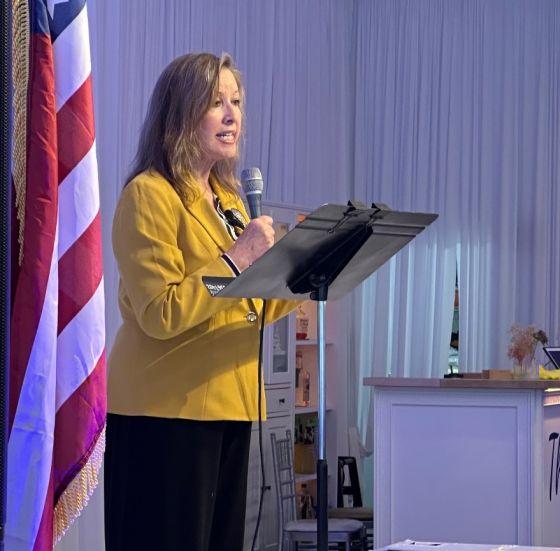
Dr. Gloria Romero “is a historic reformer, education leader and first woman in California history to serve as State Senate Majority leader! She built a reputation as one of the legislatures most effective and independent voices”.
Dr. Romero “has spent her career fighting to expand opportunity, imp…

Guest, Teri Werner, part 2, Healing the Residue: Faith, Forgiveness, Trauma, and the Road to Restoration
https://trainwrecktotriumph.com/
Healing the Residue
Terry Warner centers the episode on what she calls “residual remnant realities,” meaning the emotional, physical, relational, and spiritual…

Guest, Teri Werner, COVID Angels, Courage, and Conviction: Finding Faith Through Trauma and Speaking Up in Uncertain Times
A Testimony of Isolation and Faith
Terry Warner centers the episode on what she calls her “COVID angels,” recounting a severe hospitalization in which she was isolated from h…
Ansvarsfraskrivelse: Podcasten og kunstværket, der er indlejret på denne side, er fra Pastor Joe Schofield, som tilhører dens ejer og ikke er tilknyttet eller godkendt af Listen Notes, Inc.
REDIG
Tak fordi du hjælper med at holde podcast-databasen opdateret.
