


WEBVTT
00:01:52.459 --> 00:01:53.579
The results were shocking.
00:01:53.739 --> 00:02:07.500
From 2021 to 2022, surgeons from Beijing's Anjin hospital collected blood and tissue samples from 15 patients undergoing heart surgery, and every single patient had at least some microplastics in those samples.
00:02:07.659 --> 00:02:09.099
It's hard to escape.
00:02:09.259 --> 00:02:13.020
The air we breathe, the water we drink, the very food we eat.
00:02:13.259 --> 00:02:15.180
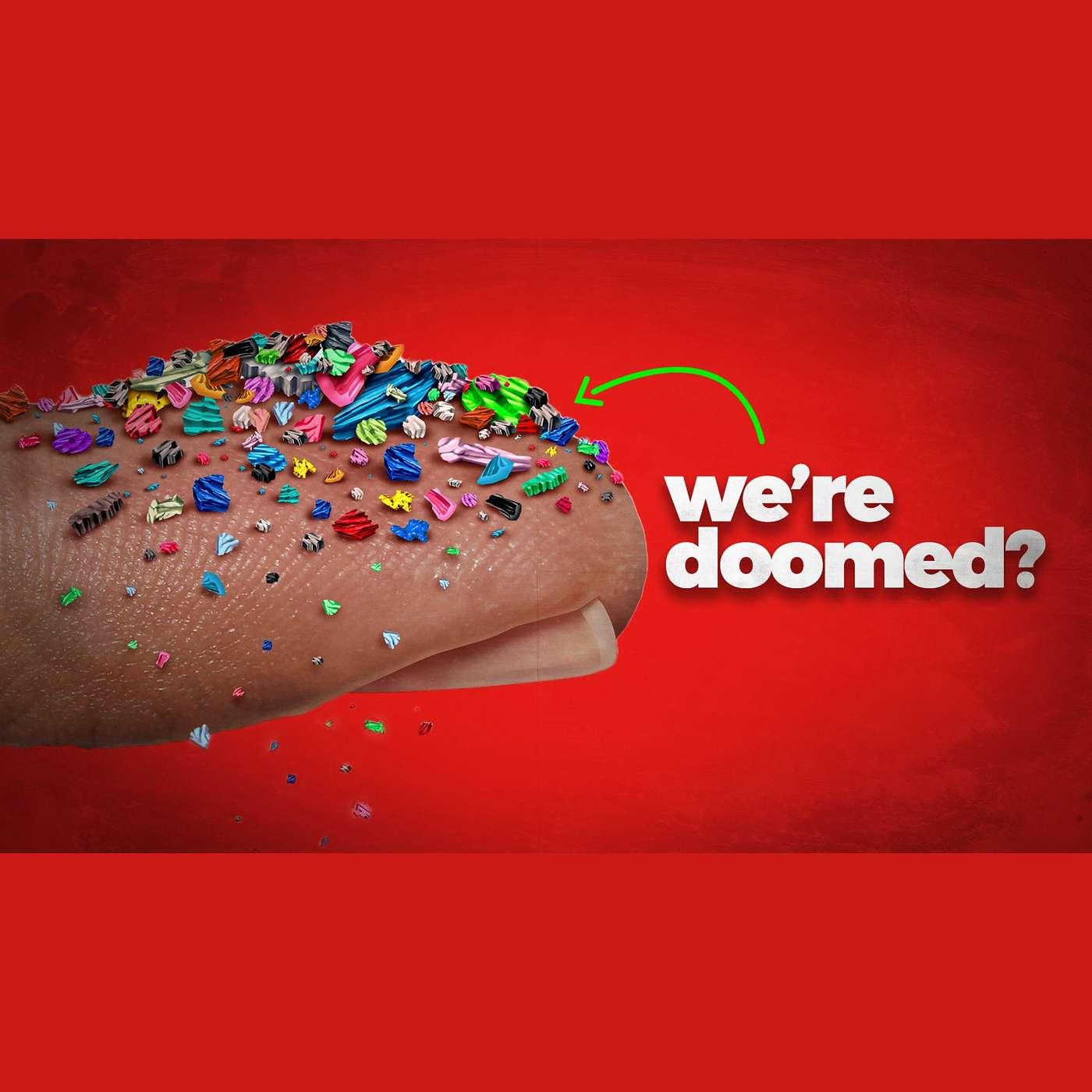
Microplastics are everywhere.
00:02:15.419 --> 00:02:18.539
But just how bad is this epidemic of plastic?
00:02:18.699 --> 00:02:23.180
Is there increased exposure to plastic destroying our health, like we're hearing about in the headlines?
00:02:26.939 --> 00:02:31.900
Microplastics in two areas of the human body where they have never been seen before.
00:02:32.139 --> 00:02:37.579
And what ties do microplastics have to climate change and the power of the fossil fuel industry?
00:02:37.819 --> 00:02:41.019
Today we tackle the specter of microplastics.
00:02:41.099 --> 00:02:46.139
We'll dig through minuscule grains of soil and explore the far reaches of the atmosphere.
00:02:46.300 --> 00:02:58.780
From the plastic running through our veins all the way to the damning documents that reveal the complicity of fossil capital in the plastic crisis, today we'll uncover just how dangerous microplastics really are.
00:03:00.539 --> 00:03:02.379
8 billion tons.
00:03:02.539 --> 00:03:05.259
A number so massive that it's hard to fathom.
00:03:05.340 --> 00:03:08.379
That is the amount of plastic estimated to exist on the Earth.
00:03:08.539 --> 00:03:12.219
That's double the mass of all the animals currently in existence.
00:03:12.379 --> 00:03:16.300
So it's no exaggeration to say that we live in a world of plastic.
00:03:16.459 --> 00:03:20.219
These days, pretty much anything you touch contains some form of plastic.
00:03:20.379 --> 00:03:26.860
Your phone, food container, clothes, and that shampoo bottle in your shower all contain some form of plastic.
00:03:26.939 --> 00:03:35.099
And now, almost 75 years after plastic exploded into mainstream use, we must face the consequences of such gluttonous production.
00:03:35.259 --> 00:03:45.740
While images like this or like this come to mind when we think of plastic pollution, we need to zoom in on a threat that has only recently garnered attention: microplastics.
00:03:45.980 --> 00:03:53.099
Unlike organic material, plastics are rarely chewed up, decomposed, and mineralized by bacteria and other microorganisms.
00:03:53.259 --> 00:03:55.180
They don't break down organically.
00:03:55.340 --> 00:03:59.659
Instead, they just split apart and degrade into smaller and smaller pieces.
00:03:59.819 --> 00:04:01.979
These little bits then accumulate everywhere.
00:04:02.139 --> 00:04:13.020
They come from plastic containers breaking down in the sun, from the polyester plastic fibers that fray off of your pants in the wash, and even from microscopic tears and car tires when they come into contact with the rope.
00:04:13.180 --> 00:04:15.659
And by everywhere, I do mean everywhere.
00:04:15.819 --> 00:04:29.340
Researchers have found microplastics in the air we breathe, cosmetics, our water, our soil, our immune cells, our livers, our hearts, our testicles, our breast milk, our placentas, and even our fruits and vegetables.
00:04:29.500 --> 00:04:32.699
But just how bad is it if plastic is everywhere?
00:04:32.860 --> 00:04:36.860
Is it really a plastic crisis, or is it just overblown?
00:04:38.539 --> 00:04:42.460
Climate change and plastic pollution appear to be parallel problems.
00:04:42.699 --> 00:04:48.379
Two crises that have co-evolved from the insatiable overproduction and over-accumulation of capitalism.
00:04:48.699 --> 00:04:52.139
Two separate catastrophes that rarely interact.
00:04:52.300 --> 00:04:55.180
But as we'll soon see, that is far from the case.
00:04:55.419 --> 00:04:58.779
Climate change exacerbates plastic pollution, and vice versa.
00:04:59.019 --> 00:05:01.259
The two are intimately intertwined.
00:05:01.500 --> 00:05:10.139
Indeed, microplastics and plastics in general are fueling the fire of climate chaos, because plastics are just fossil fuels made solid.
00:05:10.300 --> 00:05:15.180
Over 99% of plastics are made from chemicals derived from fossil fuels.
00:05:15.340 --> 00:05:25.500
Indeed, as this research paper reveals, plastic production accounts for 4% of global fossil fuel use for materials and 3-4% for energy during production.
00:05:25.659 --> 00:05:29.259
All this means enormous emissions from the creation of plastics.
00:05:29.419 --> 00:05:40.460
In 2019, the plastic industry, which is just a subsidiary of the fossil fuel industry, emitted the equivalent of 850 million metric tons of greenhouse gases into the atmosphere.
00:05:40.620 --> 00:05:44.939
Which means that if plastics was a country, it would be the sixth highest emitter.
00:05:45.180 --> 00:05:48.699
But it's not just the plastic production process that is damaging the atmosphere.
00:05:48.860 --> 00:05:55.580
The degradation of plastics into microplastic has also been shown to release copious emissions and toxic chemicals into the air and water.
00:05:55.740 --> 00:06:03.819
To make matters worse, recent research seems to suggest that as microplastics break down into smaller and smaller pieces, their emissions become larger.
00:06:04.060 --> 00:06:22.379
As a result of both this off-gassing and fuel needed for its production, the global life cycle of greenhouse gas emissions from traditional plastic materials were 1.7 gigatons of carbon dioxide in 2015, and if current trends continue, they will rise to 6.5 gigatons of carbon dioxide by 2050.
00:06:22.539 --> 00:06:28.539
As of right now, plastics are responsible for 4.5% of total global greenhouse gas emissions.
00:06:28.779 --> 00:06:38.220
But that percentage is only predicted to grow as the plastics industry becomes a safe haven for fossil capitalists to sell their glut of oil and gas reserves.
00:06:38.460 --> 00:06:47.580
Right now, plastics is one of the fastest-growing industries, and if left unchecked, plastic emissions could claim a 15% share of the world's emissions.
00:06:47.740 --> 00:06:52.220
Unfortunately, direct emissions are just the tip of the iceberg when it comes to plastic pollution.
00:06:52.299 --> 00:06:59.659
The prevalence of microplastics throughout the natural world is disrupting crucial cooling and carbon sequestration systems.
00:06:59.899 --> 00:07:02.779
Systems that are holding back even worse global warming.
00:07:02.940 --> 00:07:09.019
Chief among these is the ocean's ability to pump carbon down into its depths and store it for millions of years.
00:07:09.259 --> 00:07:17.259
In very simplified terms, the ocean carbon pump works through phytoplankton near the surface, pulling carbon dioxide out of the air for energy.
00:07:17.419 --> 00:07:29.820
These then get eaten by larger organisms and turned into fecal matter, which slowly sink to the ocean floor, where those dead organisms and carboniferous fecal matter can be sequestered in the sediment for potentially millions of years.
00:07:30.059 --> 00:07:35.980
The problem comes, however, when that carbon's ability to sink downwards is disrupted by microplastics.
00:07:36.220 --> 00:07:46.940
The prevalence of microplastics in the upper reaches of the ocean means that as fish, copepods, and other organisms feast on phytoplankton, they also feast on plastic.
00:07:47.179 --> 00:07:53.019
Plastic that alters the sinking rate of fecal matter and ultimately the amount of carbon that reaches the ocean floor.
00:07:53.179 --> 00:08:08.299
Put another way by a meta-analysis on the role of microplastics in global warming, these positively buoyant plastic particles make fecal pellets lighter, reducing their sinking rate and as a result their carbon storage potential.
00:08:08.620 --> 00:08:14.779
This reduction in sinking rate varies from species to species, but across the board it's bad.
00:08:14.940 --> 00:08:29.259
Researchers found a 2.25-fold decrease in sinking rates for the Copapodicalinus helgolonditis, while another paper demonstrated a 1.35 to 1.47-fold decrease in sinking rates for another ocean-dwelling organism.
00:08:29.419 --> 00:08:35.019
In short, as microplastics accumulate in our oceans, they disrupt a crucial carbon sink.
00:08:35.179 --> 00:08:40.940
Indeed, the world's oceans absorb roughly 31% of all global carbon emissions.
00:08:41.100 --> 00:08:45.419
Microplastics are already starting to disrupt that great blue carbon sink.
00:08:45.580 --> 00:08:47.820
Alarm bells should be ringing everywhere.
00:08:47.980 --> 00:08:59.340
To add insult to injury, microplastics are potentially disrupting the cooling capacities of atmospheric cloud formation as well as disrupting the carbon sequestration capabilities of the very soil underneath our feet.
00:08:59.500 --> 00:09:03.179
Unfortunately, research in both fields is sparse and emerging.
00:09:03.340 --> 00:09:09.019
In terms of the sky, it's unclear whether microplastics will provide a net cooling or warming effect.
00:09:09.179 --> 00:09:23.899
When interviewed by Yale's Environmental Publication, a researcher in the field noted that skies heavily polluted with plastic will probably make both more high-altitude ice clouds, which tend to warm the Earth's surface, and more low altitude water clouds, which tend to cool the Earth.
00:09:24.139 --> 00:09:26.220
Which effect will dominate is unknown.
00:09:26.379 --> 00:09:46.220
Similarly, in the same meta-analysis of the effects of microplastics on global warming mentioned earlier, we see that, according to recent studies, soil microplastics may impact carbon cycling in soil and the ability of soils to store carbon, thus affecting how much nitrous oxide and carbon dioxide are released into the atmosphere as greenhouse gases.
00:09:46.379 --> 00:09:54.940
But again, these studies are still not certain about just how destructive the relationship is between microplastics and soil carbon sinks.
00:09:55.179 --> 00:10:00.299
The unfortunate reality is that microplastic pollution is only projected to get worse.
00:10:00.460 --> 00:10:06.700
The 8 billion tons of plastic we've already made will continue to break down into smaller and smaller pieces.
00:10:06.940 --> 00:10:11.659
Meanwhile, we are projected to almost triple that amount of plastic on the planet by 2060.
00:10:11.740 --> 00:10:17.820
And all of this plastic isn't just disastrous for the planet, it's affecting human well-being right now.
00:10:19.419 --> 00:10:26.540
If you take a sample of the average person's kidney, blood, or even heart, you're likely to find some microplastic.
00:10:26.700 --> 00:10:29.580
That's right, plastic runs through our veins.
00:10:29.660 --> 00:10:33.820
And the growing body of science reveals that this is disrupting our health.
00:10:33.980 --> 00:10:40.540
To be clear, we are not consuming a credit card's worth of plastic every week, like headlines and even I had previously claimed.
00:10:40.700 --> 00:10:43.259
That was based on a flawed and discredited study.
00:10:43.420 --> 00:10:53.740
This much more rigorous study found instead that adults on average ingest roughly 0.000000583 grams of plastic per day.
00:10:53.899 --> 00:10:57.899
That's six zeros, which is far less than a 5 gram credit card.
00:10:58.060 --> 00:11:02.060
But the problem is that this plastic accumulates over the course of our lifetime.
00:11:02.139 --> 00:11:10.060
And even if the total amount of plastic is small, the toxicity of those foreign plastics in our body wreaks havoc across organs and cells.
00:11:10.220 --> 00:11:12.940
To start, microplastics increase inflammation.
00:11:13.100 --> 00:11:19.820
When you consider that the job of immune cells is to seek out and destroy foreign contaminants in the body, this makes sense.
00:11:19.980 --> 00:11:23.820
Studies like this one have found microplastics within immune cells.
00:11:23.899 --> 00:11:36.300
Or as Wendy Zuckerman and Rose Rimmler from the Science Versus podcast put it, the whole function of subimune cells is to take foreign objects inside your body, bacteria, viruses, right?
00:11:36.460 --> 00:11:37.740
And to get rid of them.
00:11:37.820 --> 00:11:41.100
And so they're seeing microplastics as a foreign object.
00:11:41.259 --> 00:11:46.860
Right, so what might be happening is that the microplastics were triggering people's immune cells to come out.
00:11:47.019 --> 00:11:48.860
That like that's inflammation, essentially.
00:11:49.100 --> 00:11:51.019
But inflammation is just the start.
00:11:51.259 --> 00:12:00.779
Plastics are host to copious amounts of chemicals like BPA that release as they break down and subsequently disrupt the functioning of hormones in our bodies.
00:12:00.940 --> 00:12:03.820
Hormones are essentially our personal messaging system.
00:12:03.980 --> 00:12:07.500
So when they're disrupted, our body starts going a bit haywa.
00:12:07.740 --> 00:12:12.540
Those toxic chemicals that mess with our hormones are known as endocrine disruptors.
00:12:12.700 --> 00:12:22.139
Endocrine disruptors have been linked to gaining weight in both animals and in humans because these chemicals tend to turn virgin stem cells into fat rather than bone or muscles.
00:12:22.300 --> 00:12:26.860
But also these harmful plastic chemicals disrupt crucial growth periods in young people.
00:12:27.019 --> 00:12:37.500
Indeed, some have pointed to endocrine disruptors as a leaning influence of girls starting puberty earlier to the tune of almost three months per decade from 1977 to 2013.
00:12:37.660 --> 00:12:45.180
Meanwhile, declining sperm rates as well as fertility rates among women have been linked to endocrine disrupting chemicals from plastics.
00:12:45.420 --> 00:12:53.100
The bottom line here is that plastics are all around us and in us, and they are already disrupting our hormonal functioning.
00:12:53.180 --> 00:12:56.779
But luckily we've gotten rid of BPA in our water bottles, right?
00:12:57.019 --> 00:12:57.899
So we're fine?
00:12:58.139 --> 00:12:58.940
Well, no.
00:12:59.100 --> 00:13:06.460
A lot of the BPA replacements are just as bad as BPA and have been linked to similar health outcomes we've seen from BPA.
00:13:06.540 --> 00:13:14.379
Because in order for plastic to be plastic, they need BPA or some sort of BPA substitute, which does basically the same thing.
00:13:14.540 --> 00:13:24.060
So given all of this, given the scope of both the environmental and human toll of plastics, why is the mountain of plastic and the prevalence of microplastics rising?
00:13:24.220 --> 00:13:33.100
To understand that and to understand how we've so monumentally failed to curb plastic pollution, we need to turn towards the fossil fuel industry itself.
00:13:35.740 --> 00:13:45.019
In February of 2024, the Center for Climate Integrity released a bombshell report, one that revealed five decades of deception from the oil and gas industry.
00:13:45.180 --> 00:13:51.340
But this wasn't about their decades of misinformation and obfuscation of the connections between fossil fuels and climate change.
00:13:51.500 --> 00:13:58.700
Instead, it detailed the insidious maneuvering of fossil capital to ensure plastics continue to be an essential part of the global economy.
00:13:58.860 --> 00:14:03.899
As I've already mentioned earlier, plastic companies are just another wing of the fossil fuel empire.
00:14:03.980 --> 00:14:07.019
It's just oil and gas packaged in another way.
00:14:07.180 --> 00:14:14.220
And as backlash against fossil fuels mounts, oil giants like Shell and Chevron are increasing their plastic output.
00:14:14.300 --> 00:14:17.820
But the plastics industry is vulnerable to public backlash.
00:14:17.980 --> 00:14:25.580
Indeed, the history of plastics is marked by deceptive marketing and tactics to quell public dissent about the toll of plastic pollution.
00:14:25.740 --> 00:14:32.779
At the core of this strategy, as the Center for Climate Integrity reveals, is selling consumers on recycling.
00:14:32.940 --> 00:14:36.940
To be clear, recycling is not a solution to the glut of plastic production.
00:14:37.100 --> 00:14:47.899
For one, the vast majority of plastics that consumers throw into the recycling bin aren't recycled into new products because there is no market for the specific type of plastic under capitalism.
00:14:48.060 --> 00:14:55.100
As the Center for Climate Integrity explains, certain types of plastics have no end markets and therefore are impossible to recycle.
00:14:55.259 --> 00:15:02.060
To date, viable markets only exist for PET and high-density polyethylene plastic bottles and jugs.
00:15:02.300 --> 00:15:04.940
These are known as plastics number one and two.
00:15:05.259 --> 00:15:10.860
In addition, there are so many different types of plastics, and recycling needs highly pure plastics.
00:15:11.019 --> 00:15:21.180
So a plastic bag or bottle that is made from several different types of plastics can often be unusable or too energy intensive to transform into usable plastic again.
00:15:21.340 --> 00:15:30.460
And finally, even if something is recycled, you can only get one to two cycles out of the process before the plastic degrades into unusability.
00:15:30.620 --> 00:15:37.019
And because of all these hurdles, plastic that ends up in recycling usually isn't turned into something new.
00:15:37.180 --> 00:15:40.779
It ends up in the landfill or in our oceans and rivers.
00:15:41.019 --> 00:15:45.740
Indeed, the US recycles just 5-6% of its plastics.
00:15:45.899 --> 00:15:58.379
And yet to keep their production line churning, fossil fuels flowing, and profits growing, the petrochemical industry championed recycling as the solution to plastic waste throughout the mid-1980s to the late 1990s.
00:15:58.540 --> 00:16:06.220
During that period, as one petrochemical representative testified in Congress in 1992, there was a rush to demonstrate environmental purity.
00:16:06.379 --> 00:16:08.700
The call was to recycle or be banned.
00:16:08.860 --> 00:16:24.300
As a result, fossil fuel companies like Exxon Chemical, alongside bottling companies, created the Plastic Recycling Foundation, which was used to assuage lawmakers' fears about plastics by claiming that the industry was researching plastic recycling and would tackle the problem.
00:16:24.460 --> 00:16:34.060
They did this, as one internal industry letter explains, to deflect some harsh, restrictive language, singling out plastic as a difficult material to collect and recycle.
00:16:34.220 --> 00:16:40.620
Recycling, then, was a shiny object the industry could hold up to distract from their destructive overproduction.
00:16:40.779 --> 00:16:46.460
And the petrochemical companies did this even though they knew recycling wasn't a real solution.
00:16:46.620 --> 00:16:59.180
As one of the founding members of the plastics industry front group, the Vinyl Institute, explained at an industry conference in 1989, recycling cannot go on indefinitely and does not solve the solid waste problem.
00:16:59.340 --> 00:17:13.819
Indeed, the Vinyl Institute, a front group for the plastic industry, released a report in 1986 that explained, recycling cannot be considered a permanent solid waste solution, as it merely prolongs the time until an item is disposed of.
00:17:13.980 --> 00:17:27.259
And yet, instead of curtailing plastic production or finding a better waste management solution in light of the damning research on recycling, the petrochemical industry doubled down and championed its potential through marketing.
00:17:27.420 --> 00:17:30.940
The more you recycle, the more recycled plastic we can use in the future.
00:17:31.099 --> 00:17:35.339
Millions of them are being recycled every day, which we can use to make things.
00:17:36.220 --> 00:17:38.460
Like strong, lightweight garbage cans.
00:17:38.700 --> 00:17:49.899
According to the Center for Climate Integrity, the plastics industry pushed for things like resin identification codes on packaging that made it seem like their products were actually recyclable when they really weren't.
00:17:50.139 --> 00:17:55.180
The average person saw the symbol and said, Well, it's recyclable, right?
00:17:55.420 --> 00:17:56.139
Got three errors.
00:17:56.299 --> 00:18:04.220
I'm like, well, all of a sudden, our own customers, they would bring it in and not only say it has a triangle, but it would they would flat out say, it says it's recyclable right on it.
00:18:04.299 --> 00:18:08.059
And I'd be like, I can tell you I can't give this away.
00:18:08.299 --> 00:18:15.339
Meanwhile, plastics companies promoted commitments to recycle vast amounts of plastics even though they knew they were unattainable.
00:18:15.500 --> 00:18:32.220
One representative from DuPont admitted as much to a recycling conference in 1992, explaining that it is no secret that the quantitative goals industry originally set for itself for economically recycling plastic containers extracted from municipal waste streams were extremely ambitious.
00:18:32.379 --> 00:18:42.619
In short, the plastic industry wielded false commitments and false hope to deflect attention away from their industrial pollution throughout the 1980s and 1990s.
00:18:42.779 --> 00:18:44.700
And that campaign was successful.
00:18:45.019 --> 00:18:50.539
If the public thinks the recycling is working, then they're not going to be as concerned about the environment.
00:18:50.859 --> 00:18:57.420
Recycling exploded in popularity and backlash against plastic in the form of bands quieted down.
00:18:57.660 --> 00:19:07.420
Today, however, as plastic bans and ire over microplastics threaten business again, fossil chemical businesses are once again using similar tactics.
00:19:07.579 --> 00:19:11.259
This time they are claiming that advanced recycling will save us.
00:19:11.500 --> 00:19:19.660
And that's what's really exciting about advanced recycling, because this allows you to address the hard to recycle plastics that can't be recycled today.
00:19:19.900 --> 00:19:32.539
Because the knowledge that conventional recycling is not only ineffective, but also essentially a sham to individualize the problems of the plastic industry, petrochemical and packaging companies are embracing chemical recycling.
00:19:32.700 --> 00:19:47.339
An old technology with a new name, chemical or advanced recycling, has been proven again and again to be economically unviable, ineffective at recycling many plastics, and often just transforms plastics into toxic waste or fuel.
00:19:47.500 --> 00:19:54.860
And much like in the 1990s, petrochemical companies are championing ambitious recycling goals to distract us from their pollution.
00:19:55.019 --> 00:20:03.579
ExxonMobil, Dow, and Chevron Phillips Chemical have all announced pledges to increase their advanced recycling capabilities.
00:20:03.819 --> 00:20:09.740
As we have seen time and time again, capitalists are interested in the accumulation of profits.
00:20:09.980 --> 00:20:11.579
All else comes second.
00:20:11.740 --> 00:20:20.380
So paying lip service to cleaning up plastic pollution until anger wanes seems to be the continued strategy of fossil and petrochemical capital.
00:20:20.620 --> 00:20:21.579
This must end.
00:20:21.740 --> 00:20:28.539
It seems that true change and harm reduction in terms of plastic must be forced upon fossil capital.
00:20:30.059 --> 00:20:39.259
The unfortunate reality is that plastics have been crucial for certain aspects of life, from everything from healthcare to avoiding massive amounts of food waste.
00:20:39.420 --> 00:20:45.019
But those plastics represent a minuscule amount compared to the oceans factories churn out today.
00:20:45.180 --> 00:20:49.339
The reality is that plastic production is following the logic of capitalism.
00:20:49.500 --> 00:20:53.339
Its overproduction is pushing into every nook and cranny of our lives.
00:20:53.500 --> 00:21:01.500
A world without toxic packaging materials and physical plastic pollution seems far away, but we must start now if we are to make it there.
00:21:01.660 --> 00:21:03.819
This means employing stopgap solutions.
00:21:03.980 --> 00:21:15.980
Immediate harm reduction strategies could look like the banning of endocrine disrupting chemicals from plastic production while ramping up production of plastic alternatives, as well as pushing for the elimination of needless plastic.
00:21:16.140 --> 00:21:21.740
But ultimately, an end to plastic and microplastic pollution won't come from tinkering around the edges.
00:21:21.980 --> 00:21:27.900
Petrochemical companies must be held accountable, both for past harm and future production.
00:21:28.059 --> 00:21:36.380
The plastic industry must be held accountable for the end of life of their goods, much like glass bottle companies used to collect their own bottles for reuse.
00:21:36.460 --> 00:21:50.460
But to truly minimize the impact of plastics on our world and bodies, we must move away from a capitalist model that incentivizes the production of plastics and the dissemination of misinformation about the health of people and the planet.
00:21:50.620 --> 00:21:56.700
We must move from an economy based on exchange and profits to one based on use and needs.
00:21:56.860 --> 00:22:07.980
One where all non essential plastic production must end and be replaced with biodegradable non toxic alternatives that leave little impact on the planet and our bodies.
00:01:52.459 --> 00:01:53.579
The results were shocking.
00:01:53.739 --> 00:02:07.500
From 2021 to 2022, surgeons from Beijing's Anjin hospital collected blood and tissue samples from 15 patients undergoing heart surgery, and every single patient had at least some microplastics in those samples.
00:02:07.659 --> 00:02:09.099
It's hard to escape.
00:02:09.259 --> 00:02:13.020
The air we breathe, the water we drink, the very food we eat.
00:02:13.259 --> 00:02:15.180
Microplastics are everywhere.
00:02:15.419 --> 00:02:18.539
But just how bad is this epidemic of plastic?
00:02:18.699 --> 00:02:23.180
Is there increased exposure to plastic destroying our health, like we're hearing about in the headlines?
00:02:26.939 --> 00:02:31.900
Microplastics in two areas of the human body where they have never been seen before.
00:02:32.139 --> 00:02:37.579
And what ties do microplastics have to climate change and the power of the fossil fuel industry?
00:02:37.819 --> 00:02:41.019
Today we tackle the specter of microplastics.
00:02:41.099 --> 00:02:46.139
We'll dig through minuscule grains of soil and explore the far reaches of the atmosphere.
00:02:46.300 --> 00:02:58.780
From the plastic running through our veins all the way to the damning documents that reveal the complicity of fossil capital in the plastic crisis, today we'll uncover just how dangerous microplastics really are.
00:03:00.539 --> 00:03:02.379
8 billion tons.
00:03:02.539 --> 00:03:05.259
A number so massive that it's hard to fathom.
00:03:05.340 --> 00:03:08.379
That is the amount of plastic estimated to exist on the Earth.
00:03:08.539 --> 00:03:12.219
That's double the mass of all the animals currently in existence.
00:03:12.379 --> 00:03:16.300
So it's no exaggeration to say that we live in a world of plastic.
00:03:16.459 --> 00:03:20.219
These days, pretty much anything you touch contains some form of plastic.
00:03:20.379 --> 00:03:26.860
Your phone, food container, clothes, and that shampoo bottle in your shower all contain some form of plastic.
00:03:26.939 --> 00:03:35.099
And now, almost 75 years after plastic exploded into mainstream use, we must face the consequences of such gluttonous production.
00:03:35.259 --> 00:03:45.740
While images like this or like this come to mind when we think of plastic pollution, we need to zoom in on a threat that has only recently garnered attention: microplastics.
00:03:45.980 --> 00:03:53.099
Unlike organic material, plastics are rarely chewed up, decomposed, and mineralized by bacteria and other microorganisms.
00:03:53.259 --> 00:03:55.180
They don't break down organically.
00:03:55.340 --> 00:03:59.659
Instead, they just split apart and degrade into smaller and smaller pieces.
00:03:59.819 --> 00:04:01.979
These little bits then accumulate everywhere.
00:04:02.139 --> 00:04:13.020
They come from plastic containers breaking down in the sun, from the polyester plastic fibers that fray off of your pants in the wash, and even from microscopic tears and car tires when they come into contact with the rope.
00:04:13.180 --> 00:04:15.659
And by everywhere, I do mean everywhere.
00:04:15.819 --> 00:04:29.340
Researchers have found microplastics in the air we breathe, cosmetics, our water, our soil, our immune cells, our livers, our hearts, our testicles, our breast milk, our placentas, and even our fruits and vegetables.
00:04:29.500 --> 00:04:32.699
But just how bad is it if plastic is everywhere?
00:04:32.860 --> 00:04:36.860
Is it really a plastic crisis, or is it just overblown?
00:04:38.539 --> 00:04:42.460
Climate change and plastic pollution appear to be parallel problems.
00:04:42.699 --> 00:04:48.379
Two crises that have co-evolved from the insatiable overproduction and over-accumulation of capitalism.
00:04:48.699 --> 00:04:52.139
Two separate catastrophes that rarely interact.
00:04:52.300 --> 00:04:55.180
But as we'll soon see, that is far from the case.
00:04:55.419 --> 00:04:58.779
Climate change exacerbates plastic pollution, and vice versa.
00:04:59.019 --> 00:05:01.259
The two are intimately intertwined.
00:05:01.500 --> 00:05:10.139
Indeed, microplastics and plastics in general are fueling the fire of climate chaos, because plastics are just fossil fuels made solid.
00:05:10.300 --> 00:05:15.180
Over 99% of plastics are made from chemicals derived from fossil fuels.
00:05:15.340 --> 00:05:25.500
Indeed, as this research paper reveals, plastic production accounts for 4% of global fossil fuel use for materials and 3-4% for energy during production.
00:05:25.659 --> 00:05:29.259
All this means enormous emissions from the creation of plastics.
00:05:29.419 --> 00:05:40.460
In 2019, the plastic industry, which is just a subsidiary of the fossil fuel industry, emitted the equivalent of 850 million metric tons of greenhouse gases into the atmosphere.
00:05:40.620 --> 00:05:44.939
Which means that if plastics was a country, it would be the sixth highest emitter.
00:05:45.180 --> 00:05:48.699
But it's not just the plastic production process that is damaging the atmosphere.
00:05:48.860 --> 00:05:55.580
The degradation of plastics into microplastic has also been shown to release copious emissions and toxic chemicals into the air and water.
00:05:55.740 --> 00:06:03.819
To make matters worse, recent research seems to suggest that as microplastics break down into smaller and smaller pieces, their emissions become larger.
00:06:04.060 --> 00:06:22.379
As a result of both this off-gassing and fuel needed for its production, the global life cycle of greenhouse gas emissions from traditional plastic materials were 1.7 gigatons of carbon dioxide in 2015, and if current trends continue, they will rise to 6.5 gigatons of carbon dioxide by 2050.
00:06:22.539 --> 00:06:28.539
As of right now, plastics are responsible for 4.5% of total global greenhouse gas emissions.
00:06:28.779 --> 00:06:38.220
But that percentage is only predicted to grow as the plastics industry becomes a safe haven for fossil capitalists to sell their glut of oil and gas reserves.
00:06:38.460 --> 00:06:47.580
Right now, plastics is one of the fastest-growing industries, and if left unchecked, plastic emissions could claim a 15% share of the world's emissions.
00:06:47.740 --> 00:06:52.220
Unfortunately, direct emissions are just the tip of the iceberg when it comes to plastic pollution.
00:06:52.299 --> 00:06:59.659
The prevalence of microplastics throughout the natural world is disrupting crucial cooling and carbon sequestration systems.
00:06:59.899 --> 00:07:02.779
Systems that are holding back even worse global warming.
00:07:02.940 --> 00:07:09.019
Chief among these is the ocean's ability to pump carbon down into its depths and store it for millions of years.
00:07:09.259 --> 00:07:17.259
In very simplified terms, the ocean carbon pump works through phytoplankton near the surface, pulling carbon dioxide out of the air for energy.
00:07:17.419 --> 00:07:29.820
These then get eaten by larger organisms and turned into fecal matter, which slowly sink to the ocean floor, where those dead organisms and carboniferous fecal matter can be sequestered in the sediment for potentially millions of years.
00:07:30.059 --> 00:07:35.980
The problem comes, however, when that carbon's ability to sink downwards is disrupted by microplastics.
00:07:36.220 --> 00:07:46.940
The prevalence of microplastics in the upper reaches of the ocean means that as fish, copepods, and other organisms feast on phytoplankton, they also feast on plastic.
00:07:47.179 --> 00:07:53.019
Plastic that alters the sinking rate of fecal matter and ultimately the amount of carbon that reaches the ocean floor.
00:07:53.179 --> 00:08:08.299
Put another way by a meta-analysis on the role of microplastics in global warming, these positively buoyant plastic particles make fecal pellets lighter, reducing their sinking rate and as a result their carbon storage potential.
00:08:08.620 --> 00:08:14.779
This reduction in sinking rate varies from species to species, but across the board it's bad.
00:08:14.940 --> 00:08:29.259
Researchers found a 2.25-fold decrease in sinking rates for the Copapodicalinus helgolonditis, while another paper demonstrated a 1.35 to 1.47-fold decrease in sinking rates for another ocean-dwelling organism.
00:08:29.419 --> 00:08:35.019
In short, as microplastics accumulate in our oceans, they disrupt a crucial carbon sink.
00:08:35.179 --> 00:08:40.940
Indeed, the world's oceans absorb roughly 31% of all global carbon emissions.
00:08:41.100 --> 00:08:45.419
Microplastics are already starting to disrupt that great blue carbon sink.
00:08:45.580 --> 00:08:47.820
Alarm bells should be ringing everywhere.
00:08:47.980 --> 00:08:59.340
To add insult to injury, microplastics are potentially disrupting the cooling capacities of atmospheric cloud formation as well as disrupting the carbon sequestration capabilities of the very soil underneath our feet.
00:08:59.500 --> 00:09:03.179
Unfortunately, research in both fields is sparse and emerging.
00:09:03.340 --> 00:09:09.019
In terms of the sky, it's unclear whether microplastics will provide a net cooling or warming effect.
00:09:09.179 --> 00:09:23.899
When interviewed by Yale's Environmental Publication, a researcher in the field noted that skies heavily polluted with plastic will probably make both more high-altitude ice clouds, which tend to warm the Earth's surface, and more low altitude water clouds, which tend to cool the Earth.
00:09:24.139 --> 00:09:26.220
Which effect will dominate is unknown.
00:09:26.379 --> 00:09:46.220
Similarly, in the same meta-analysis of the effects of microplastics on global warming mentioned earlier, we see that, according to recent studies, soil microplastics may impact carbon cycling in soil and the ability of soils to store carbon, thus affecting how much nitrous oxide and carbon dioxide are released into the atmosphere as greenhouse gases.
00:09:46.379 --> 00:09:54.940
But again, these studies are still not certain about just how destructive the relationship is between microplastics and soil carbon sinks.
00:09:55.179 --> 00:10:00.299
The unfortunate reality is that microplastic pollution is only projected to get worse.
00:10:00.460 --> 00:10:06.700
The 8 billion tons of plastic we've already made will continue to break down into smaller and smaller pieces.
00:10:06.940 --> 00:10:11.659
Meanwhile, we are projected to almost triple that amount of plastic on the planet by 2060.
00:10:11.740 --> 00:10:17.820
And all of this plastic isn't just disastrous for the planet, it's affecting human well-being right now.
00:10:19.419 --> 00:10:26.540
If you take a sample of the average person's kidney, blood, or even heart, you're likely to find some microplastic.
00:10:26.700 --> 00:10:29.580
That's right, plastic runs through our veins.
00:10:29.660 --> 00:10:33.820
And the growing body of science reveals that this is disrupting our health.
00:10:33.980 --> 00:10:40.540
To be clear, we are not consuming a credit card's worth of plastic every week, like headlines and even I had previously claimed.
00:10:40.700 --> 00:10:43.259
That was based on a flawed and discredited study.
00:10:43.420 --> 00:10:53.740
This much more rigorous study found instead that adults on average ingest roughly 0.000000583 grams of plastic per day.
00:10:53.899 --> 00:10:57.899
That's six zeros, which is far less than a 5 gram credit card.
00:10:58.060 --> 00:11:02.060
But the problem is that this plastic accumulates over the course of our lifetime.
00:11:02.139 --> 00:11:10.060
And even if the total amount of plastic is small, the toxicity of those foreign plastics in our body wreaks havoc across organs and cells.
00:11:10.220 --> 00:11:12.940
To start, microplastics increase inflammation.
00:11:13.100 --> 00:11:19.820
When you consider that the job of immune cells is to seek out and destroy foreign contaminants in the body, this makes sense.
00:11:19.980 --> 00:11:23.820
Studies like this one have found microplastics within immune cells.
00:11:23.899 --> 00:11:36.300
Or as Wendy Zuckerman and Rose Rimmler from the Science Versus podcast put it, the whole function of subimune cells is to take foreign objects inside your body, bacteria, viruses, right?
00:11:36.460 --> 00:11:37.740
And to get rid of them.
00:11:37.820 --> 00:11:41.100
And so they're seeing microplastics as a foreign object.
00:11:41.259 --> 00:11:46.860
Right, so what might be happening is that the microplastics were triggering people's immune cells to come out.
00:11:47.019 --> 00:11:48.860
That like that's inflammation, essentially.
00:11:49.100 --> 00:11:51.019
But inflammation is just the start.
00:11:51.259 --> 00:12:00.779
Plastics are host to copious amounts of chemicals like BPA that release as they break down and subsequently disrupt the functioning of hormones in our bodies.
00:12:00.940 --> 00:12:03.820
Hormones are essentially our personal messaging system.
00:12:03.980 --> 00:12:07.500
So when they're disrupted, our body starts going a bit haywa.
00:12:07.740 --> 00:12:12.540
Those toxic chemicals that mess with our hormones are known as endocrine disruptors.
00:12:12.700 --> 00:12:22.139
Endocrine disruptors have been linked to gaining weight in both animals and in humans because these chemicals tend to turn virgin stem cells into fat rather than bone or muscles.
00:12:22.300 --> 00:12:26.860
But also these harmful plastic chemicals disrupt crucial growth periods in young people.
00:12:27.019 --> 00:12:37.500
Indeed, some have pointed to endocrine disruptors as a leaning influence of girls starting puberty earlier to the tune of almost three months per decade from 1977 to 2013.
00:12:37.660 --> 00:12:45.180
Meanwhile, declining sperm rates as well as fertility rates among women have been linked to endocrine disrupting chemicals from plastics.
00:12:45.420 --> 00:12:53.100
The bottom line here is that plastics are all around us and in us, and they are already disrupting our hormonal functioning.
00:12:53.180 --> 00:12:56.779
But luckily we've gotten rid of BPA in our water bottles, right?
00:12:57.019 --> 00:12:57.899
So we're fine?
00:12:58.139 --> 00:12:58.940
Well, no.
00:12:59.100 --> 00:13:06.460
A lot of the BPA replacements are just as bad as BPA and have been linked to similar health outcomes we've seen from BPA.
00:13:06.540 --> 00:13:14.379
Because in order for plastic to be plastic, they need BPA or some sort of BPA substitute, which does basically the same thing.
00:13:14.540 --> 00:13:24.060
So given all of this, given the scope of both the environmental and human toll of plastics, why is the mountain of plastic and the prevalence of microplastics rising?
00:13:24.220 --> 00:13:33.100
To understand that and to understand how we've so monumentally failed to curb plastic pollution, we need to turn towards the fossil fuel industry itself.
00:13:35.740 --> 00:13:45.019
In February of 2024, the Center for Climate Integrity released a bombshell report, one that revealed five decades of deception from the oil and gas industry.
00:13:45.180 --> 00:13:51.340
But this wasn't about their decades of misinformation and obfuscation of the connections between fossil fuels and climate change.
00:13:51.500 --> 00:13:58.700
Instead, it detailed the insidious maneuvering of fossil capital to ensure plastics continue to be an essential part of the global economy.
00:13:58.860 --> 00:14:03.899
As I've already mentioned earlier, plastic companies are just another wing of the fossil fuel empire.
00:14:03.980 --> 00:14:07.019
It's just oil and gas packaged in another way.
00:14:07.180 --> 00:14:14.220
And as backlash against fossil fuels mounts, oil giants like Shell and Chevron are increasing their plastic output.
00:14:14.300 --> 00:14:17.820
But the plastics industry is vulnerable to public backlash.
00:14:17.980 --> 00:14:25.580
Indeed, the history of plastics is marked by deceptive marketing and tactics to quell public dissent about the toll of plastic pollution.
00:14:25.740 --> 00:14:32.779
At the core of this strategy, as the Center for Climate Integrity reveals, is selling consumers on recycling.
00:14:32.940 --> 00:14:36.940
To be clear, recycling is not a solution to the glut of plastic production.
00:14:37.100 --> 00:14:47.899
For one, the vast majority of plastics that consumers throw into the recycling bin aren't recycled into new products because there is no market for the specific type of plastic under capitalism.
00:14:48.060 --> 00:14:55.100
As the Center for Climate Integrity explains, certain types of plastics have no end markets and therefore are impossible to recycle.
00:14:55.259 --> 00:15:02.060
To date, viable markets only exist for PET and high-density polyethylene plastic bottles and jugs.
00:15:02.300 --> 00:15:04.940
These are known as plastics number one and two.
00:15:05.259 --> 00:15:10.860
In addition, there are so many different types of plastics, and recycling needs highly pure plastics.
00:15:11.019 --> 00:15:21.180
So a plastic bag or bottle that is made from several different types of plastics can often be unusable or too energy intensive to transform into usable plastic again.
00:15:21.340 --> 00:15:30.460
And finally, even if something is recycled, you can only get one to two cycles out of the process before the plastic degrades into unusability.
00:15:30.620 --> 00:15:37.019
And because of all these hurdles, plastic that ends up in recycling usually isn't turned into something new.
00:15:37.180 --> 00:15:40.779
It ends up in the landfill or in our oceans and rivers.
00:15:41.019 --> 00:15:45.740
Indeed, the US recycles just 5-6% of its plastics.
00:15:45.899 --> 00:15:58.379
And yet to keep their production line churning, fossil fuels flowing, and profits growing, the petrochemical industry championed recycling as the solution to plastic waste throughout the mid-1980s to the late 1990s.
00:15:58.540 --> 00:16:06.220
During that period, as one petrochemical representative testified in Congress in 1992, there was a rush to demonstrate environmental purity.
00:16:06.379 --> 00:16:08.700
The call was to recycle or be banned.
00:16:08.860 --> 00:16:24.300
As a result, fossil fuel companies like Exxon Chemical, alongside bottling companies, created the Plastic Recycling Foundation, which was used to assuage lawmakers' fears about plastics by claiming that the industry was researching plastic recycling and would tackle the problem.
00:16:24.460 --> 00:16:34.060
They did this, as one internal industry letter explains, to deflect some harsh, restrictive language, singling out plastic as a difficult material to collect and recycle.
00:16:34.220 --> 00:16:40.620
Recycling, then, was a shiny object the industry could hold up to distract from their destructive overproduction.
00:16:40.779 --> 00:16:46.460
And the petrochemical companies did this even though they knew recycling wasn't a real solution.
00:16:46.620 --> 00:16:59.180
As one of the founding members of the plastics industry front group, the Vinyl Institute, explained at an industry conference in 1989, recycling cannot go on indefinitely and does not solve the solid waste problem.
00:16:59.340 --> 00:17:13.819
Indeed, the Vinyl Institute, a front group for the plastic industry, released a report in 1986 that explained, recycling cannot be considered a permanent solid waste solution, as it merely prolongs the time until an item is disposed of.
00:17:13.980 --> 00:17:27.259
And yet, instead of curtailing plastic production or finding a better waste management solution in light of the damning research on recycling, the petrochemical industry doubled down and championed its potential through marketing.
00:17:27.420 --> 00:17:30.940
The more you recycle, the more recycled plastic we can use in the future.
00:17:31.099 --> 00:17:35.339
Millions of them are being recycled every day, which we can use to make things.
00:17:36.220 --> 00:17:38.460
Like strong, lightweight garbage cans.
00:17:38.700 --> 00:17:49.899
According to the Center for Climate Integrity, the plastics industry pushed for things like resin identification codes on packaging that made it seem like their products were actually recyclable when they really weren't.
00:17:50.139 --> 00:17:55.180
The average person saw the symbol and said, Well, it's recyclable, right?
00:17:55.420 --> 00:17:56.139
Got three errors.
00:17:56.299 --> 00:18:04.220
I'm like, well, all of a sudden, our own customers, they would bring it in and not only say it has a triangle, but it would they would flat out say, it says it's recyclable right on it.
00:18:04.299 --> 00:18:08.059
And I'd be like, I can tell you I can't give this away.
00:18:08.299 --> 00:18:15.339
Meanwhile, plastics companies promoted commitments to recycle vast amounts of plastics even though they knew they were unattainable.
00:18:15.500 --> 00:18:32.220
One representative from DuPont admitted as much to a recycling conference in 1992, explaining that it is no secret that the quantitative goals industry originally set for itself for economically recycling plastic containers extracted from municipal waste streams were extremely ambitious.
00:18:32.379 --> 00:18:42.619
In short, the plastic industry wielded false commitments and false hope to deflect attention away from their industrial pollution throughout the 1980s and 1990s.
00:18:42.779 --> 00:18:44.700
And that campaign was successful.
00:18:45.019 --> 00:18:50.539
If the public thinks the recycling is working, then they're not going to be as concerned about the environment.
00:18:50.859 --> 00:18:57.420
Recycling exploded in popularity and backlash against plastic in the form of bands quieted down.
00:18:57.660 --> 00:19:07.420
Today, however, as plastic bans and ire over microplastics threaten business again, fossil chemical businesses are once again using similar tactics.
00:19:07.579 --> 00:19:11.259
This time they are claiming that advanced recycling will save us.
00:19:11.500 --> 00:19:19.660
And that's what's really exciting about advanced recycling, because this allows you to address the hard to recycle plastics that can't be recycled today.
00:19:19.900 --> 00:19:32.539
Because the knowledge that conventional recycling is not only ineffective, but also essentially a sham to individualize the problems of the plastic industry, petrochemical and packaging companies are embracing chemical recycling.
00:19:32.700 --> 00:19:47.339
An old technology with a new name, chemical or advanced recycling, has been proven again and again to be economically unviable, ineffective at recycling many plastics, and often just transforms plastics into toxic waste or fuel.
00:19:47.500 --> 00:19:54.860
And much like in the 1990s, petrochemical companies are championing ambitious recycling goals to distract us from their pollution.
00:19:55.019 --> 00:20:03.579
ExxonMobil, Dow, and Chevron Phillips Chemical have all announced pledges to increase their advanced recycling capabilities.
00:20:03.819 --> 00:20:09.740
As we have seen time and time again, capitalists are interested in the accumulation of profits.
00:20:09.980 --> 00:20:11.579
All else comes second.
00:20:11.740 --> 00:20:20.380
So paying lip service to cleaning up plastic pollution until anger wanes seems to be the continued strategy of fossil and petrochemical capital.
00:20:20.620 --> 00:20:21.579
This must end.
00:20:21.740 --> 00:20:28.539
It seems that true change and harm reduction in terms of plastic must be forced upon fossil capital.
00:20:30.059 --> 00:20:39.259
The unfortunate reality is that plastics have been crucial for certain aspects of life, from everything from healthcare to avoiding massive amounts of food waste.
00:20:39.420 --> 00:20:45.019
But those plastics represent a minuscule amount compared to the oceans factories churn out today.
00:20:45.180 --> 00:20:49.339
The reality is that plastic production is following the logic of capitalism.
00:20:49.500 --> 00:20:53.339
Its overproduction is pushing into every nook and cranny of our lives.
00:20:53.500 --> 00:21:01.500
A world without toxic packaging materials and physical plastic pollution seems far away, but we must start now if we are to make it there.
00:21:01.660 --> 00:21:03.819
This means employing stopgap solutions.
00:21:03.980 --> 00:21:15.980
Immediate harm reduction strategies could look like the banning of endocrine disrupting chemicals from plastic production while ramping up production of plastic alternatives, as well as pushing for the elimination of needless plastic.
00:21:16.140 --> 00:21:21.740
But ultimately, an end to plastic and microplastic pollution won't come from tinkering around the edges.
00:21:21.980 --> 00:21:27.900
Petrochemical companies must be held accountable, both for past harm and future production.
00:21:28.059 --> 00:21:36.380
The plastic industry must be held accountable for the end of life of their goods, much like glass bottle companies used to collect their own bottles for reuse.
00:21:36.460 --> 00:21:50.460
But to truly minimize the impact of plastics on our world and bodies, we must move away from a capitalist model that incentivizes the production of plastics and the dissemination of misinformation about the health of people and the planet.
00:21:50.620 --> 00:21:56.700
We must move from an economy based on exchange and profits to one based on use and needs.
00:21:56.860 --> 00:22:07.980
One where all non essential plastic production must end and be replaced with biodegradable non toxic alternatives that leave little impact on the planet and our bodies.
