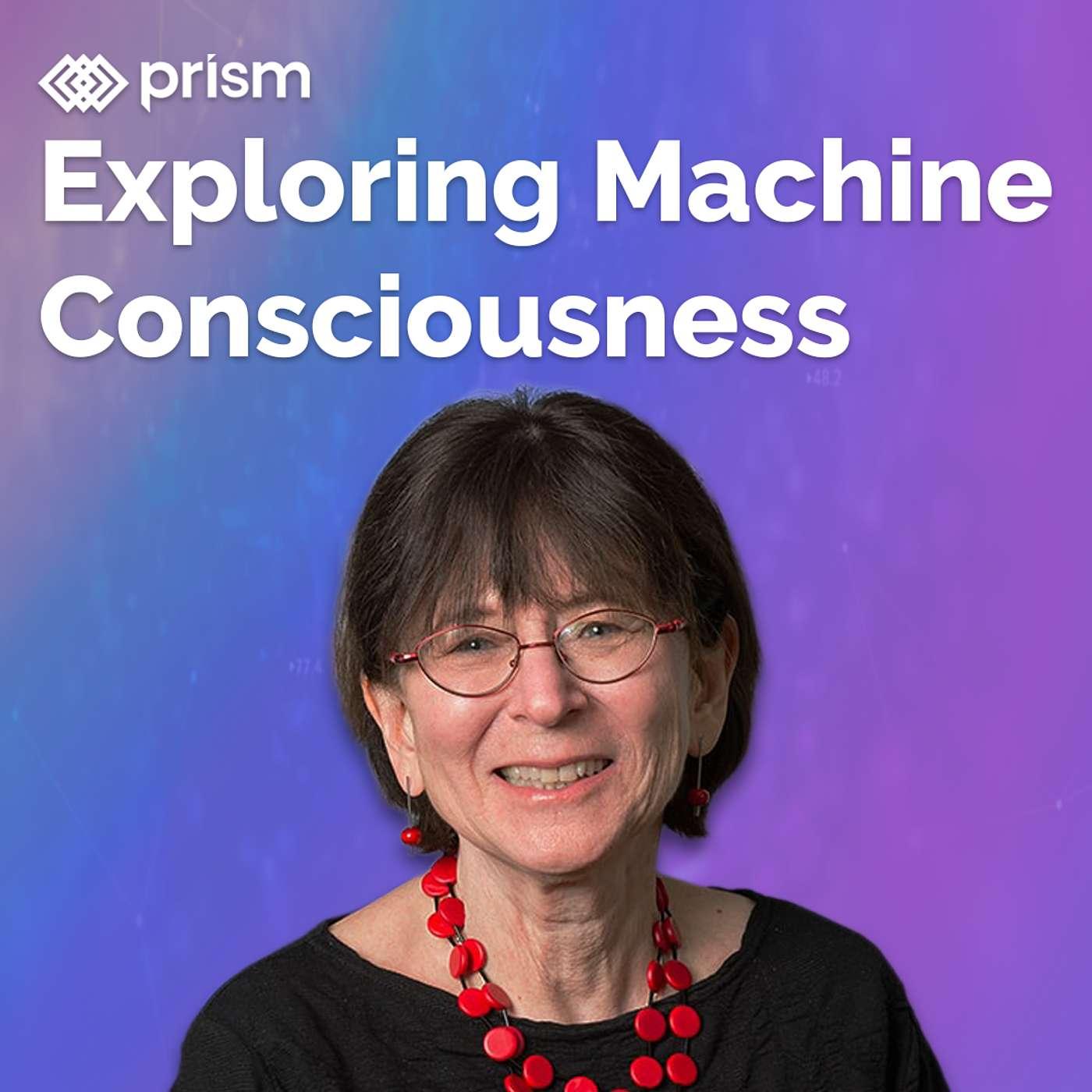
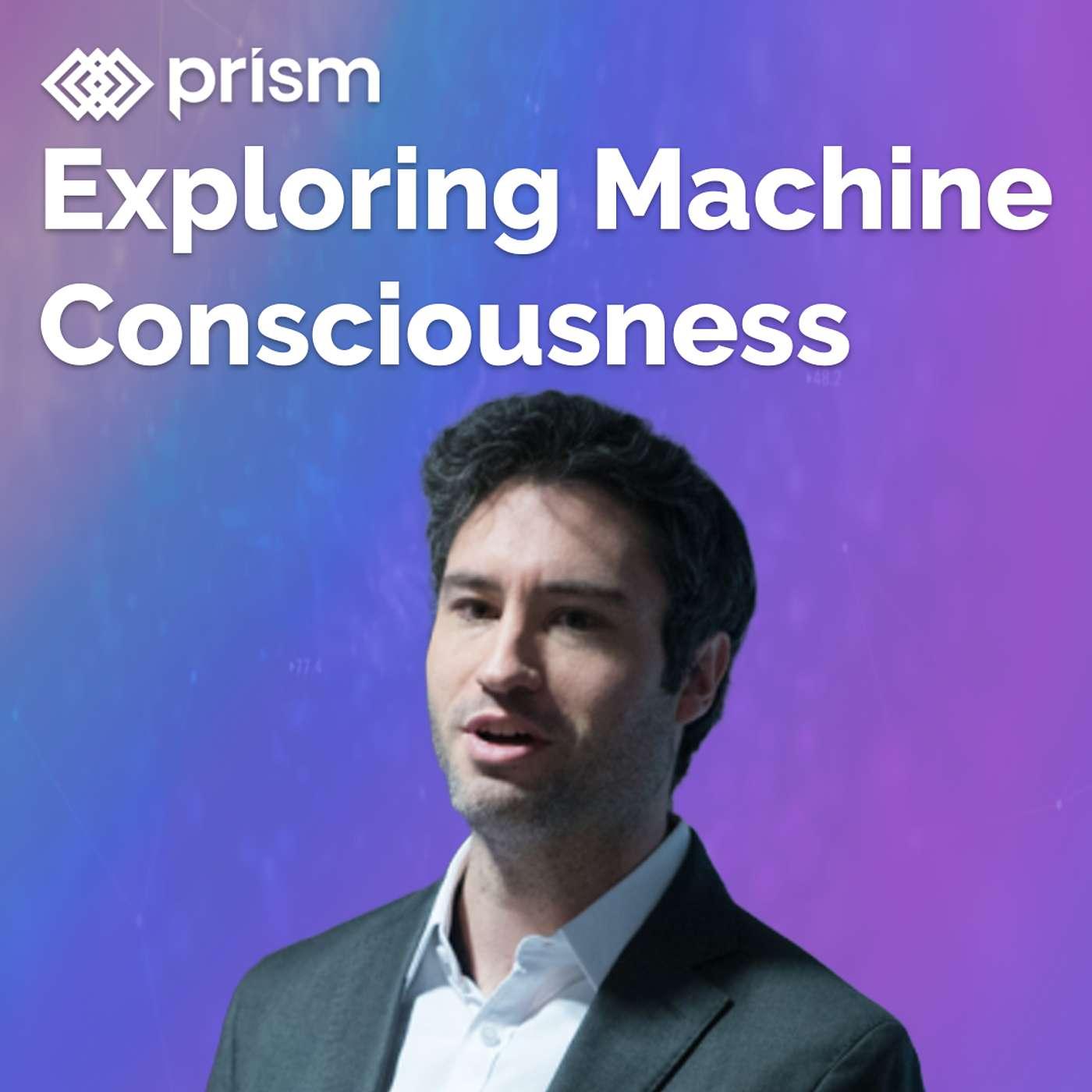
Peter Salib is the W. Ronald Robins Professor of Law at the University of Houston Law Center and founder and executive co-director of the Center for Law & AI Risk. His research investigates how legal systems might reduce the risks posed by highly capable AI systems, including through the rights and obligations we assign to them.
Summary
Discussions about whether AI should have rights tend to begin with consciousness, sentience or moral status. But legal rights need not depend on any of these. Corporations, for instance, can own property, enter contracts and be held liable without having moral status. For Peter, the more relevant question is what legal rights allow us to do: coordinate the behaviour of agents whose interests may not always align.
As AI systems become capable of pursuing their own private goals, making contracts and managing resources with little human involvement, could granting them legal rights give them reasons to cooperate rather than act against us? Peter joins Henry and Calum to discuss whether such arrangements could work, how we might assign responsibility to agents that can copy or modify themselves, and whether AI should eventually be allowed to vote. He also introduces the idea of algorithmic corporations (A-Corps) and asks whether the same rights intended to protect humans could ultimately benefit AI welfare.
We discuss:
- Why distinguish between legal and moral rights for AI?
- How do contracts, property rights and legal liability influence behaviour?
- Could legal rights remain effective for AI systems that surpass human intelligence?
- At what point might AI systems be capable of exercising economic rights, and what risks could arise from denying them those rights?
- What happens when AI agents operate independently of their original users or developers?
- What are algorithmic corporations (A-Corps), and how could they allow AI agents to hold property and incur legal liability?
- Would granting AI legal personhood allow developers and deployers to evade responsibility for their systems' actions?
- How soon might AI-run corporations acquire legal standing?
- How might AI agents behave if they could earn money, control resources and decide how to spend them?
- Could legal rights offer a way to ensure AI welfare?
Credits
- Hosts: Henry Shevlin, Calum Chace
- Guest: Peter Salib
- Production & Social Media: Dylan Mercury Cooper
- Editing: Gerry Okinyi, Dylan Mercury Cooper