


OM DENNE EPISODE
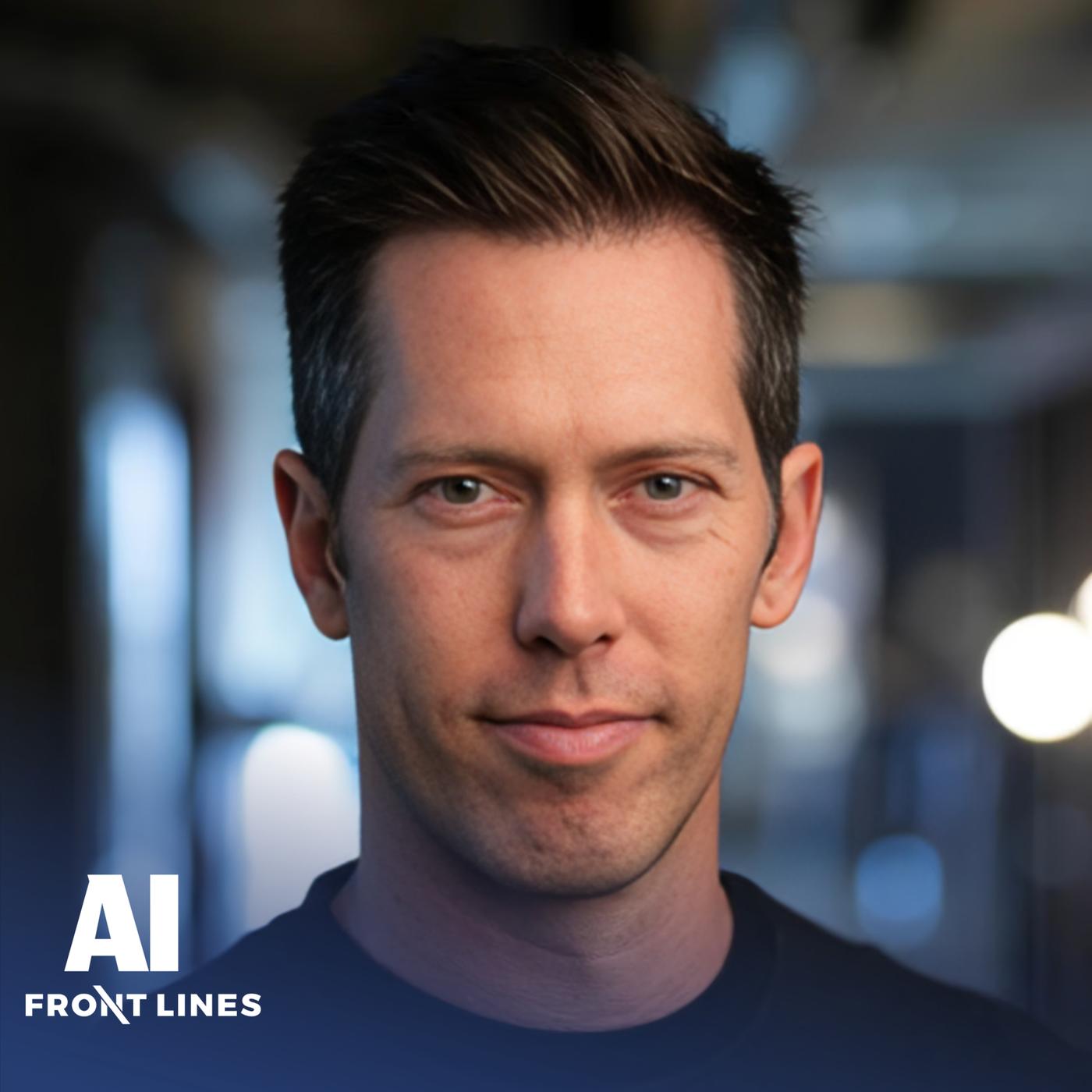
Freeplay AI emerged from a precise timing insight: former Twitter API platform veterans Ian Cairns and Eric Schade recognized that generative AI created the same platform opportunity they'd previously captured with half a million monthly active developers. Their company now provides the observability, evaluation, and experimentation infrastructure that lets cross-functional teams—including non-technical domain experts—collaborate on AI systems that need to perform consistently in production.
Topics Discussed:
- Systematic customer discovery: 75 interviews in 90 days using jobs-to-be-done methodology to surface latent AI development pain points
- Cross-functional AI development: How domain experts (lawyers, veterinarians, doctors) became essential collaborators when "English became the hottest programming language"
- Production AI reliability challenges: Moving beyond 60% prototype success rates to consistent production performance
- Enterprise selling to technical buyers: Why ABM and content worked where ads and outbound failed for VPs of engineering
- Category creation without precedent: Building thought leadership through triangulated insights across hundreds of implementations
- Offline community building: Growing 3,000-person Colorado AI meetup with authentic "give first" approach
GTM Lessons For B2B Founders:
- Structure customer discovery with jobs-to-be-done rigor: Ian executed a systematic 75-interview program in 90 days, moving beyond surface-level feature requests to understand fundamental motivations. Using Clay Christensen's framework, they discovered engineers weren't just frustrated with 60% AI prototype reliability—they were under career pressure to deliver AI wins while lacking tools to bridge the gap to production consistency. This deeper insight shaped Freeplay's positioning around professional success metrics rather than just technical capabilities.
- Exploit diaspora networks from platform companies: Twitter's developer ecosystem became Ian's customer research goldmine. Platform company alumni have uniquely valuable networks because they previously interfaced with hundreds of technical teams. Rather than cold outreach, Ian leveraged existing relationships and warm introductions to reach heads of engineering who were actively experimenting with AI. This approach yielded higher-quality conversations and faster pattern recognition across use cases.
- Target sophistication gaps in technical buying committees: Traditional SaaS tactics failed because Freeplay's buyers—VPs of engineering at companies building production AI—weren't responsive to ads or generic outbound. Instead, Ian invested in deep technical content (1500-2000 word blog posts), speaking engagements, and their "Deployed" podcast featuring practitioners from Google Labs and Box. This approach built credibility with sophisticated technical audiences who needed education about emerging best practices, not product demos.
- Build authority through cross-portfolio insights: Rather than positioning as AI experts, Ian built trust by triangulating learnings across "hundreds of different companies" and sharing pattern recognition. Their messaging became "don't just take Freeplay's word for it—here's what we've seen work across environments." This approach resonated because no single company had enough AI production experience to claim definitive expertise. Aggregated insights became more valuable than individual case studies.
- Time market entry for the infrastructure adoption curve: Ian deliberately positioned Freeplay for companies "3, 6, 12 months after being in production" rather than competing for initial AI experiments. They recognized organizations don't invest in formal evaluation infrastructure until they've proven AI matters to their business. This patient approach let them capture demand at the moment companies realized they needed serious operational discipline around AI systems.
Engelsk
USA
UDSKRIFT 🔗
Are you the producer of this podcast?
Add a podcast transcript
Need Audio-to-Text?
Transcribe with Listen411 in Just 60 Seconds
SØG BLANDT TIDLIGERE EPISODER
Søg efter gamle afsnit af AI Builders.
ANDRE EPISODE I DENNE PODCAST

TwelveLabs is building purpose-built foundation models for video understanding, enabling enterprises to index, search, and analyze petabytes of video content at scale. Founded by three technical co-founders who met in South Korea's Cyber Command doing multimodal video understanding research, the co…

aiOla is pioneering speech-to-data technology that transforms unstructured speech into actionable data for enterprise operations. As a serial entrepreneur on his sixth startup, Co-Founder Amir Haramaty built aiOla after witnessing firsthand how traditional AI implementations fail to deliver ROI…
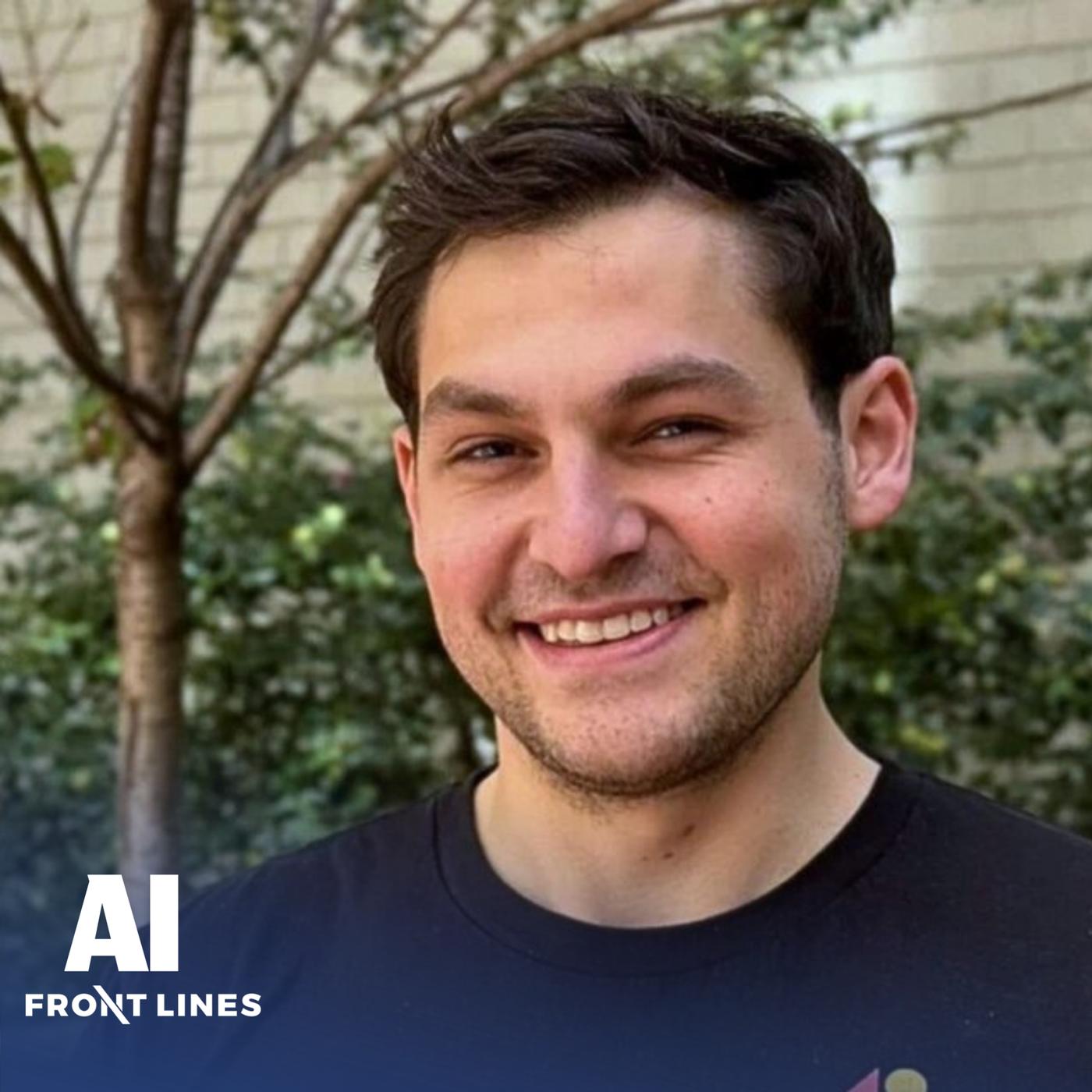
Justin Fineberg built a 500,000+ follower audience on TikTok and Instagram before launching Cassidy, an AI automation platform for non-technical users. By consistently creating content about AI and technology, he turned inbound interest into his initial customer base and market validation. In th…

Positron AI is a 2+ year old silicon company targeting decode-heavy AI inference workloads where memory bandwidth, not compute, is the bottleneck. Launching end of 2025/early 2026, their architecture delivers 2TB of on-chip memory capacity versus Nvidia Rubin's 0.4TB—enabling 3-5x better performanc…
Ansvarsfraskrivelse: Podcasten og kunstværket, der er indlejret på denne side, er fra The Front Lines, som tilhører dens ejer og ikke er tilknyttet eller godkendt af Listen Notes, Inc.
REDIG
Tak fordi du hjælper med at holde podcast-databasen opdateret.
