

ABOUT THIS PODCAST 🔗
From Learning for Justice and host Hasan Kwame Jeffries, Ph.D., Teaching Hard History brings us the crucial history we should have learned through the voices of leading scholars and educators. The series, which includes four seasons that originally aired from 2018 to 2022, begins with the long and brutal legacy of slavery and reaches through the victories of and violent responses to the Civil Rights Movement and Black Americans' experiences during the Jim Crow era to the issues we face today.
Join us as we relaunch this podcast series, highlighting an episode each week and including a new resource page with key points from the conversation, resources and connections for building learning experiences.
Join us as we relaunch this podcast series, highlighting an episode each week and including a new resource page with key points from the conversation, resources and connections for building learning experiences.
Hosts:
Update frequency:
every 16 days
Average audio length:
64 minutes
Guest interviews
Video podcast
English
United States
70 episodes
since May 10, 2018
episodic
AUDIENCE OF THIS PODCAST 🔗
~90.47% of listeners are from United States.
🇺🇸
US
90.47%
🇨🇦
CA
6.16%
🇳🇱
NL
1.40%
🇹🇷
TR
0.84%
🇧🇩
BD
0.28%
🇵🇪
PE
0.28%
🇷🇴
RO
0.28%
🇪🇸
ES
0.28%
Others
0.01%
* Data source: directly measured on Listen Notes. real-time
LATEST EPISODE 🔗
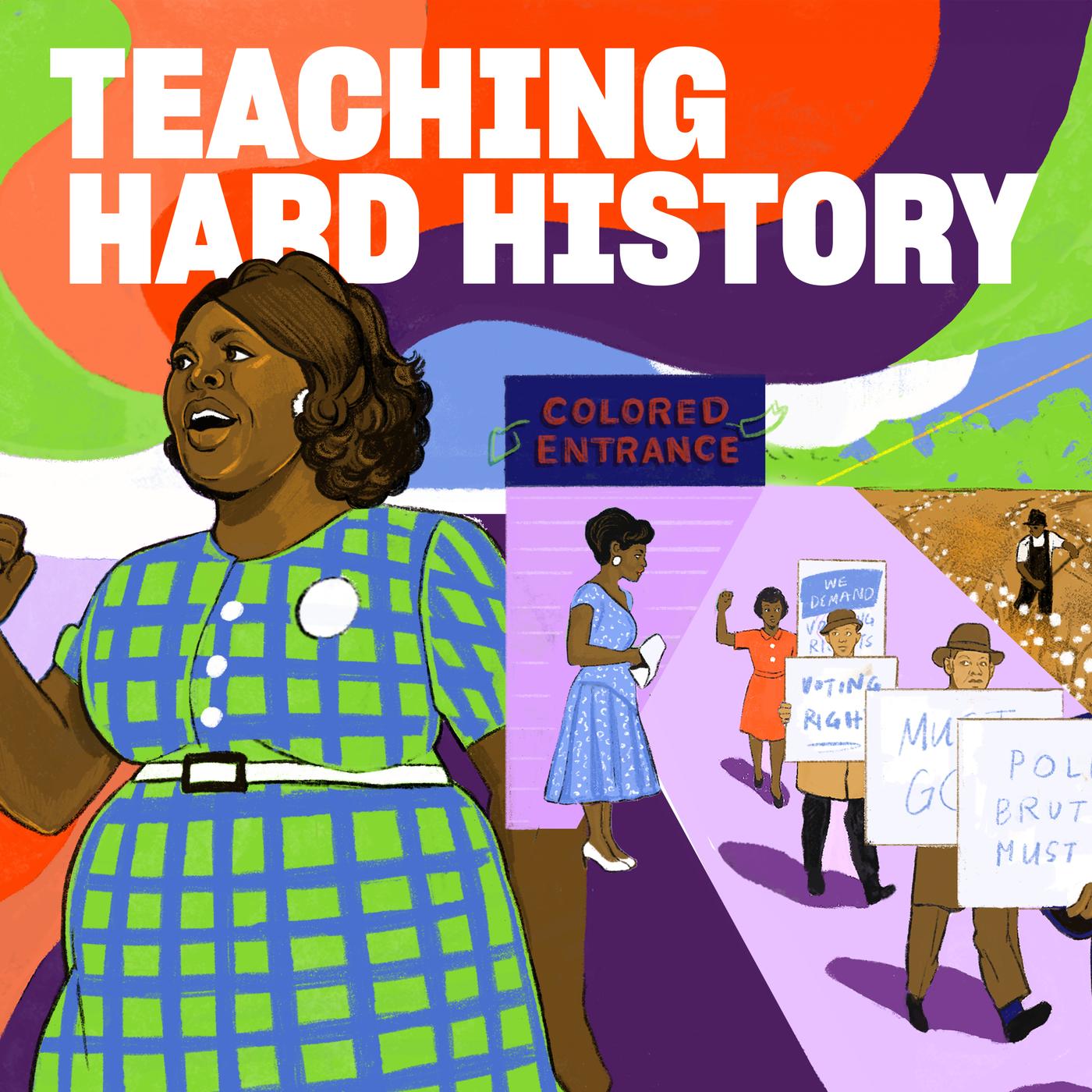
Constitutional and legal historian Paul Finkelman explains the critical role slavery played in the founding of the United States and how the politics of slavery shaped the U.S. Constitution in ways that are still evident today. Join host Hasan Kwame Jeffries, Ph.D., and Learning for Justice, a proj…
SEARCH PAST EPISODES
Search past episodes of Teaching Hard History.
PREVIOUS EPISODES 🔗

Film historian Ron Briley returns with more suggestions for teaching through film — from thought-provoking documentaries and feature films to miniseries. Spanning productions from the works of Ken Burns to the blockbuster Black Panther, this episode offers essential background information and pract…

Film has long shaped our nation's historical memory — for good and bad. Film historian Ron Briley offers ways to responsibly use films in the classroom to more accurately frame the narrative of American slavery and Reconstruction. Join host Hasan Kwame Jeffries, Ph.D., and Learning for Justice, a p…

The experiences of enslaved people varied greatly based on a variety of factors, including time, location, crop, labor performed, size of slaveholding and gender. Yet, most students leave school thinking enslaved people lived like the biased representation in Gone With the Wind. Deirdre Cooper Owen…

For a more complete picture of enslaved people's experiences, we need to expand our understanding of resistance. Kenneth S. Greenberg, Ph.D., examines the numerous ways enslaved African Americans incorporated resistance into every aspect of their lives, offering a lens to help students see how ensl…
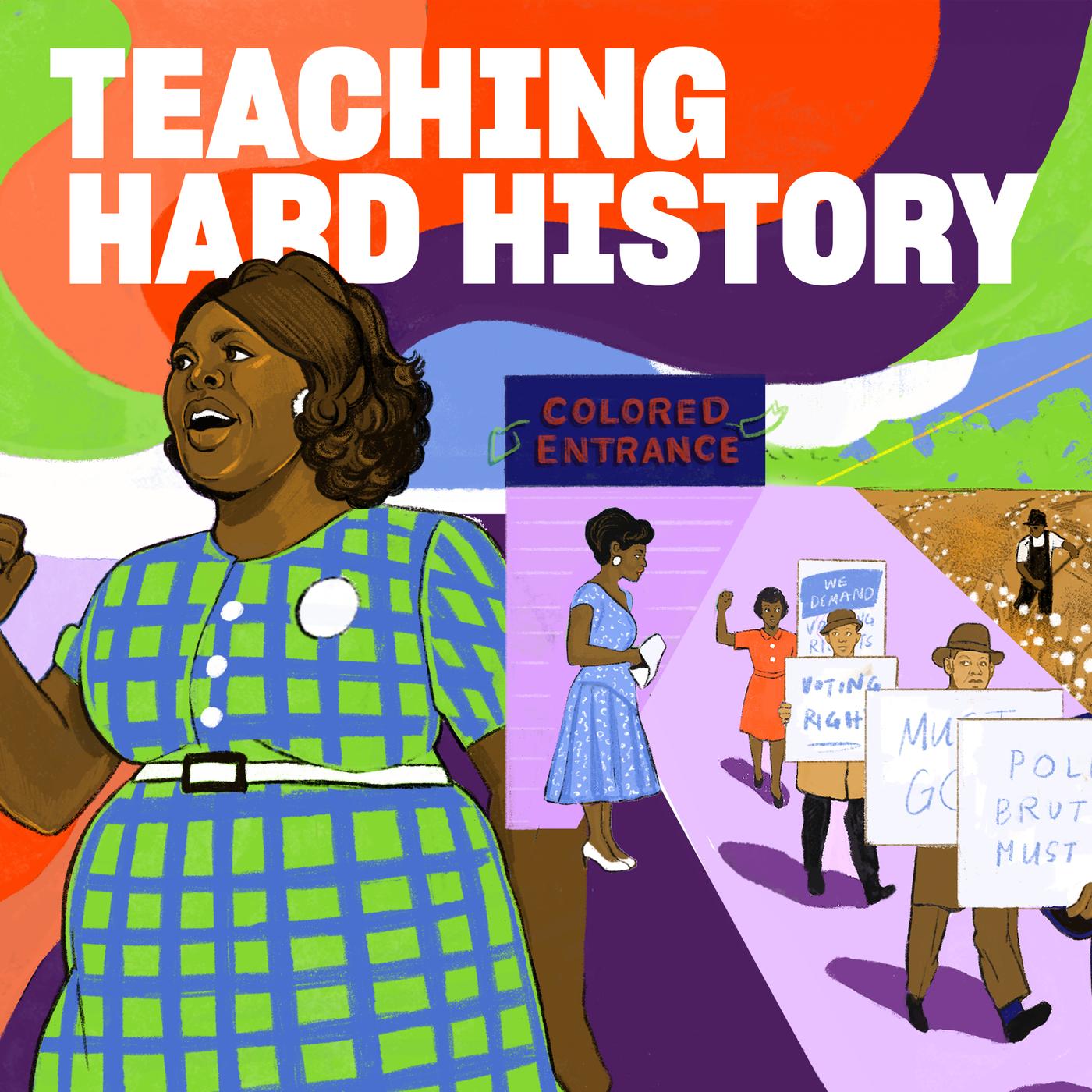
In learning about slavery, students often ask, "Why didn't enslaved people run away or revolt?" Lindsay Anne Randall explains "process drama" — a method to help build empathy and understand the risks and complexities that enslaved individuals faced. Join host Hasan Kwame Jeffries, Ph.D., and Learni…
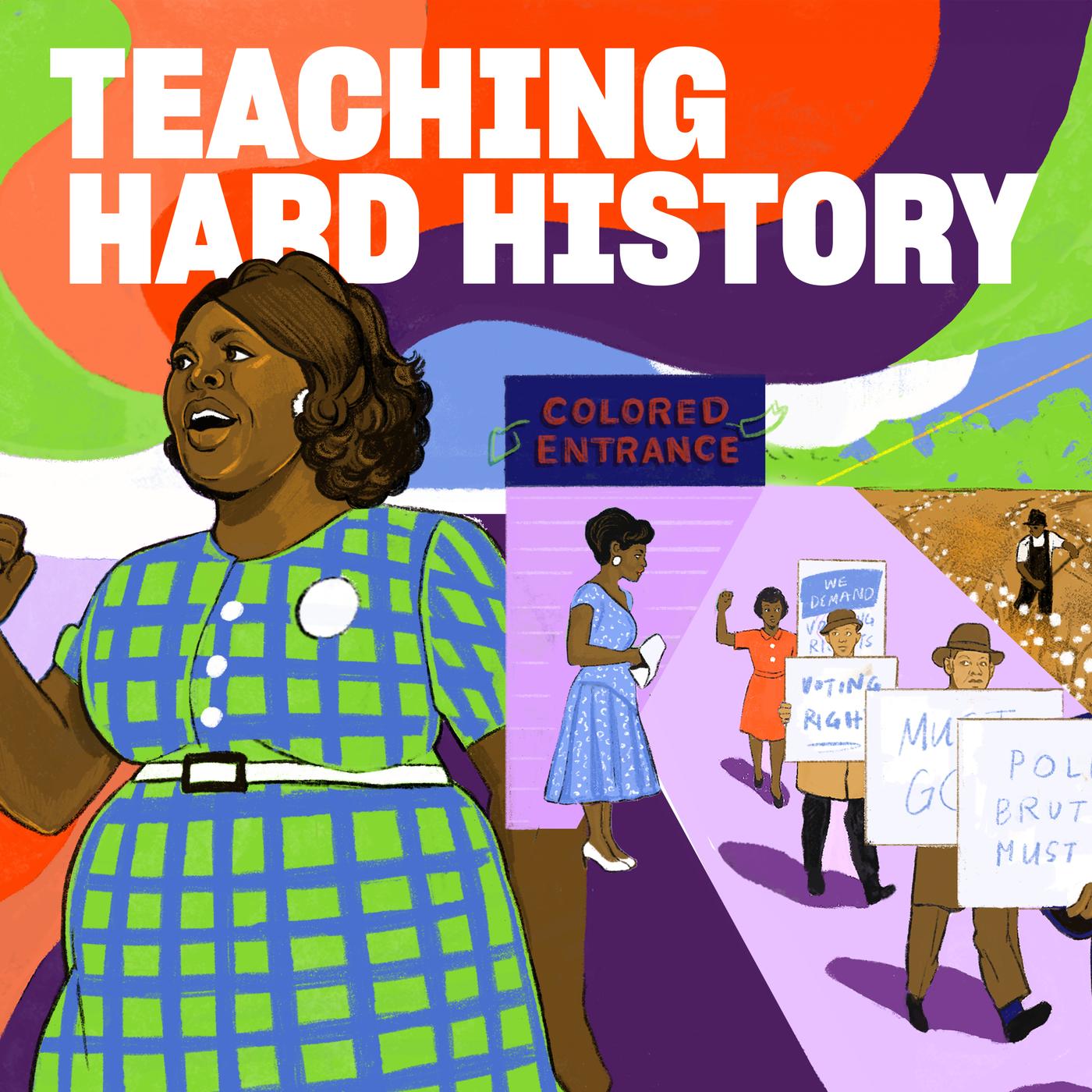
In many ways, the U.S. has fallen short of its ideals. How can we explain this to students — particularly in the context of discussing slavery? Salem State University professor Steven Thurston Oliver shares practical strategies for teaching hard history and creating supportive classroom environment…
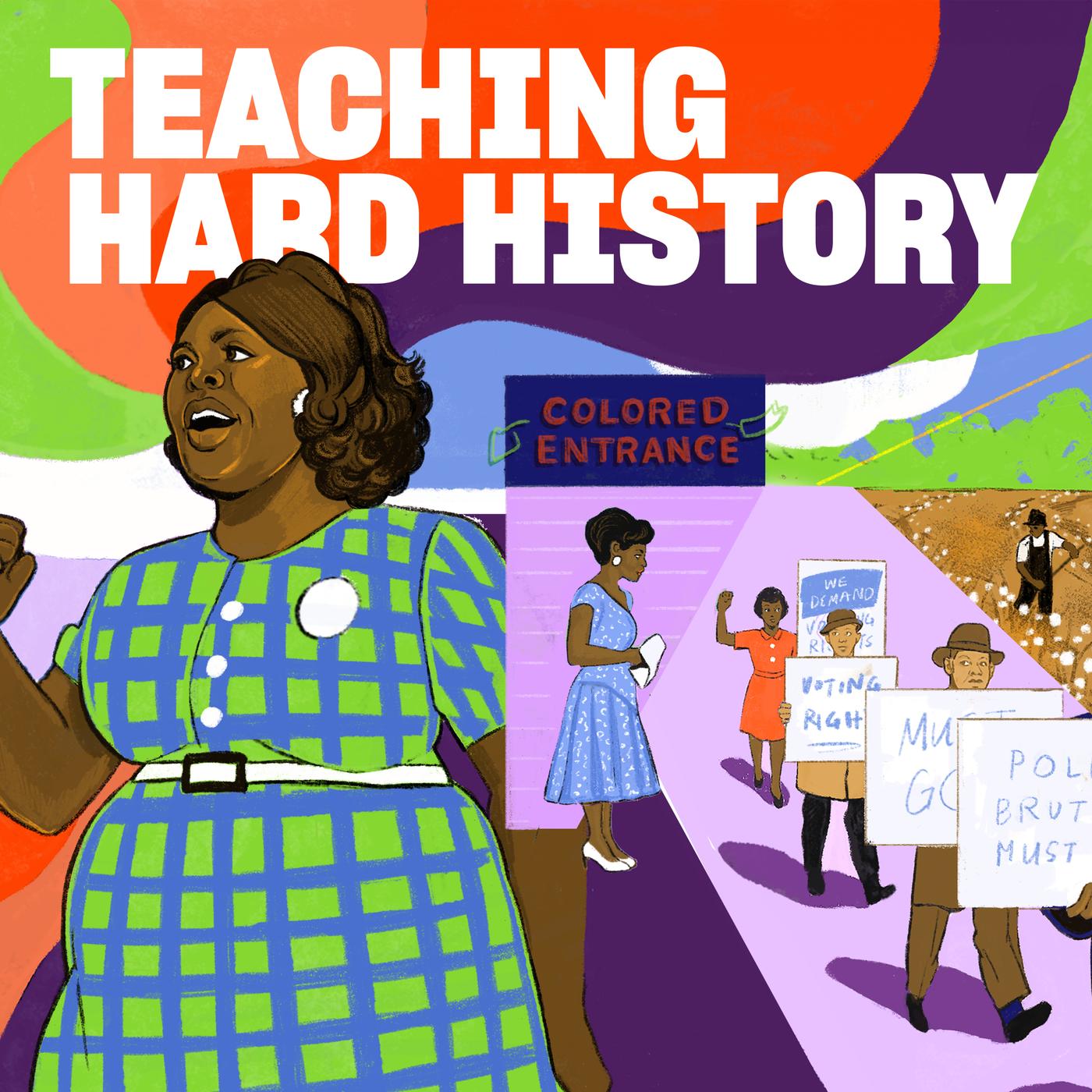
When we think of slavery as a strictly Southern institution, we perpetuate a "dangerous fiction," according to historian Christy Clark-Pujara. Avoid the trap with this episode about the role the North played in perpetuating slavery and the truth behind the phrase "slavery built the United States." …
Salem State University professor Bethany Jay returns to examine how the actions of free and enslaved African Americans shaped the progress of the Civil War and contributed to emancipation. Join host Hasan Kwame Jeffries, Ph.D., and Learning for Justice, a project of the Southern Poverty Law Center …
What really caused the Civil War? In this episode, Salem State University Professor Bethany Jay examines the complex role that slavery played in causing the Civil War and outlines ways to teach this history and clarify our understanding of the Confederacy. Join host Hasan Kwame Jeffries, Ph.D., and…
Disclaimer: The podcast and artwork embedded on this page are from Learning for Justice, which is the property of its owner and not affiliated with or endorsed by Listen Notes, Inc.
PODCAST SEARCH ENGINE
You can use our website to search 3,832,074 podcasts and 196,964,107 episodes by people, places, or topics.

I have no special talent. I am only passionately curious, and
I listen to podcasts.
‐ Albert "Llamacorn" Einstein
SEARCH PAST EPISODES
Search past episodes of Teaching Hard History.
CLAIM THIS PODCAST
Why to claim podcasts?
If you are a podcaster, the best way to manage your podcasts on Listen Notes is by claiming your Listen Notes
podcast pages.
It is a great, free way to engage the podcast community and increase the visibility of your podcasts.
After claiming your Listen Notes podcast pages, you will be able to:
✓
Manually refresh the RSS feed to sync up
✓
Get a verified badge (
✓
) alongside with your podcast name on Listen Notes
✓
Post classified ads for sponsorship,
guests, co-hosts,
cross-promotion...
✓
Respond to listener comments on Listen Notes
✓
Use speech-to-text techniques to transcribe your show and
edit transcripts
✓
Improve the presence of your podcasts, e.g., self-service
podcaster interview...
✓
If you share your Listen Notes page and at-mention @ListenNotes
on X (formerly Twitter),
our official X (formerly Twitter) account will retweet to promote
your show to our followers.
Coming soon:
◯ Self-service promotion on Listen Notes
◯ Track your podcast stats on Listen
Notes, e.g., listens, page
views...
◯ Manage episodes
EDIT
Thank you for helping to keep the podcast database up to date.
