

ABOUT THIS PODCAST 🔗
Hosted by award-winning story coach K.M. Weiland, the Helping Writers Become Authors podcast will take you deep into story theory, writing techniques, and all the incredible wisdom of story. There is no such thing as "just a story." Come along to find out how to write YOUR best story, astound the world, and (just maybe) change your life!
Hosts:
Update frequency:
every 17 days
Average audio length:
14 minutes
English
United States
738 episodes
since June 7, 2009
episodic
AUDIENCE OF THIS PODCAST 🔗
~88.22% of listeners are from United States.
🇺🇸
US
88.22%
🇷🇴
RO
2.00%
🇨🇦
CA
2.00%
🇭🇰
HK
1.29%
🇸🇬
SG
1.17%
🇦🇺
AU
0.82%
🇨🇿
CZ
0.70%
🇮🇳
IN
0.70%
🇬🇧
GB
0.58%
🇸🇪
SE
0.58%
🇳🇱
NL
0.35%
🇰🇷
KR
0.23%
🇧🇪
BE
0.23%
🇹🇼
TW
0.11%
🇵🇭
PH
0.11%
🇱🇰
LK
0.11%
🇸🇦
SA
0.11%
🇷🇺
RU
0.11%
🇩🇰
DK
0.11%
🇮🇱
IL
0.11%
🇮🇩
ID
0.11%
🇿🇦
ZA
0.11%
Others
0.14%
* Data source: directly measured on Listen Notes. real-time
LATEST EPISODE 🔗
If you've ever wondered how to write subtext without leaving readers confused—or explaining so much that the subtext disappears—these five principles can help.
Subtext is everything a story communicates without saying it outright. It can deepen characters, relationships, dialogue, worldbuilding, a…
SEARCH PAST EPISODES
Search past episodes of Helping Writers Become Authors.
PREVIOUS EPISODES 🔗
Character misdirection does more than set up clever betrayals. By using False Allies and False Enemies, writers can deepen conflict, complicate character arcs, and create plot twists that feel both surprising and inevitable.
In this video, I explore four variations of character misdirection: the F…
What is an Impact Character, and how can this supporting character help you show a believable character arc instead of simply telling readers your protagonist has changed?
Character arcs are largely internal, which creates an obvious challenge for writers: how do you dramatize a changing worldview…
How do you identify your writing weaknesses? And, even more importantly, how can you tell if something really is a weakness? In this episode, I share five ways writers can recognize recurring craft problems, strengthen weak areas, and distinguish poor execution from intentional writing style.
Ever…
What if the Lie the Character Believes isn't really a lie?
For years I've taught the Lie the Character Believes as the foundation of character arc. But over time, I've come to see that this concept may point toward something much deeper than just a mistaken belief.
In this episode, I explore thre…
A great ending is about much more than resolving the plot. Why do satisfying story endings stay with us for years, while others leave us empty? In this video, I explore the psychology of story endings.
When we think about writing endings, we often focus on tying up loose ends or delivering a drama…
Why do we need heroic stories? More than entertainment, the best stories shape our imaginations, awaken courage, and remind us who we can become when life asks something difficult of us.
In this episode, I share a recent experience that affirmed the way I think about heroic fiction. After unexpect…
When we talk about mythic fiction, it's easy to assume mythic stories are created through familiar ingredients: archetypes, symbolism, old myths, epic structure.
But I don't think that's where mythic storytelling begins.
In this post/podcast, I explore seven practices and mindsets that help write…
What makes a story feel truly mythic?
Many writers assume mythic fiction comes from borrowing archetypes, retelling old myths, or layering symbolic imagery into a story. While there is immense value in studying mythology, fairy tales, folklore, and archetypal storytelling traditions, something imp…
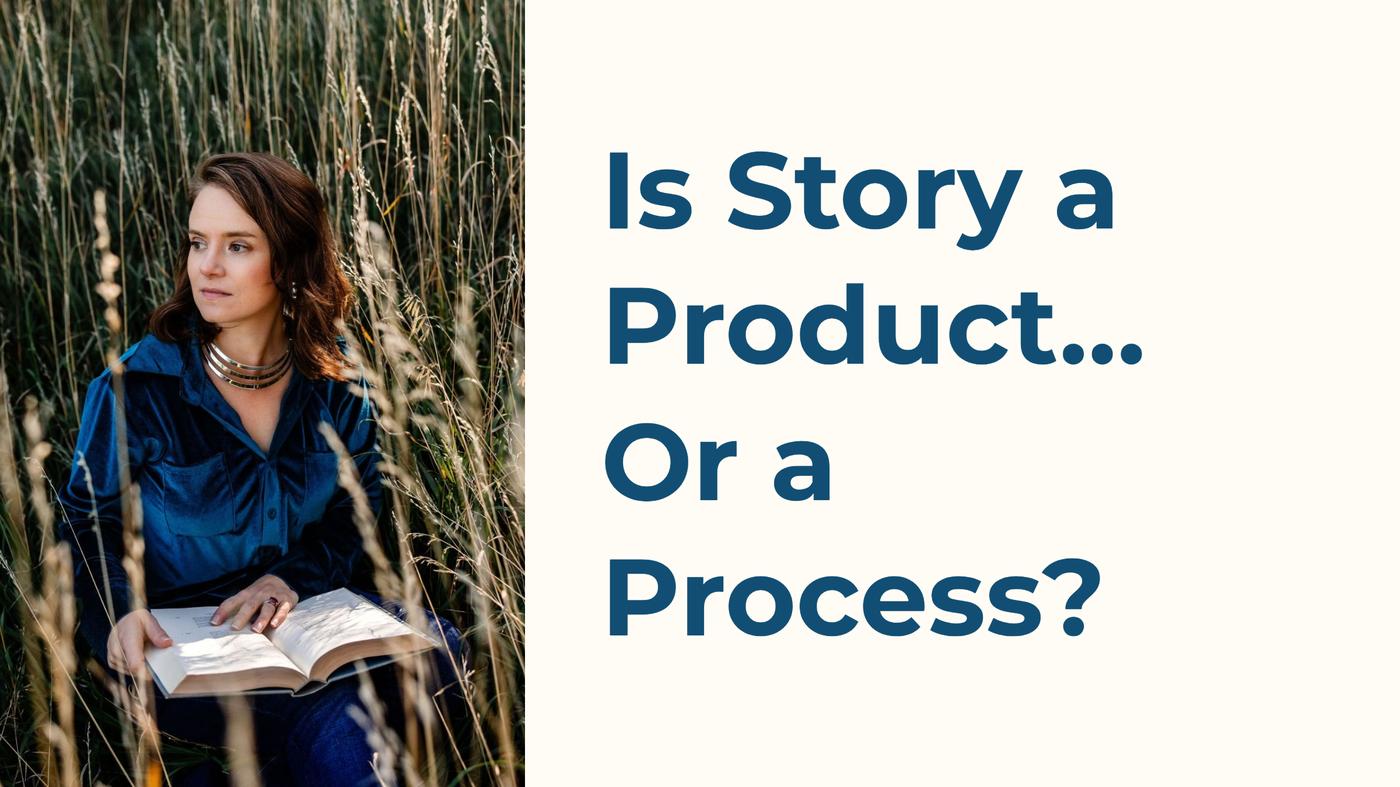
For most of human history, stories were not primarily viewed as commercial products to be sold. Story functioned first as myth, meaning-making, entertainment, cultural memory, and a way of understanding ourselves and the world around us. But in today's marketplace-driven culture, storytelling exist…
Disclaimer: The podcast and artwork embedded on this page are from K.M. Weiland, which is the property of its owner and not affiliated with or endorsed by Listen Notes, Inc.
PODCAST SEARCH ENGINE
You can use our website to search 3,826,711 podcasts and 196,151,218 episodes by people, places, or topics.

An investment in knowledge pays the best interest, so I listen to podcasts.
‐ Benjamin "Llamacorn" Franklin
SEARCH PAST EPISODES
Search past episodes of Helping Writers Become Authors.
CLAIM THIS PODCAST
Why to claim podcasts?
If you are a podcaster, the best way to manage your podcasts on Listen Notes is by claiming your Listen Notes
podcast pages.
It is a great, free way to engage the podcast community and increase the visibility of your podcasts.
After claiming your Listen Notes podcast pages, you will be able to:
✓
Manually refresh the RSS feed to sync up
✓
Get a verified badge (
✓
) alongside with your podcast name on Listen Notes
✓
Post classified ads for sponsorship,
guests, co-hosts,
cross-promotion...
✓
Respond to listener comments on Listen Notes
✓
Use speech-to-text techniques to transcribe your show and
edit transcripts
✓
Improve the presence of your podcasts, e.g., self-service
podcaster interview...
✓
If you share your Listen Notes page and at-mention @ListenNotes
on X (formerly Twitter),
our official X (formerly Twitter) account will retweet to promote
your show to our followers.
Coming soon:
◯ Self-service promotion on Listen Notes
◯ Track your podcast stats on Listen
Notes, e.g., listens, page
views...
◯ Manage episodes
EDIT
Thank you for helping to keep the podcast database up to date.
