
ABOUT THIS PODCAST 🔗
Welcome to e-Governance Academy’s podcast to discover the future of governance. e-Governance Academy has assisted digital transformation globally in more than 145 countries. Our experts will share their insights and worldwide examples on how digital technology could benefit every society. Tune in for the digital government podcast every Wednesday!
Update frequency:
every 23 days
Average audio length:
30 minutes
Guest interviews
English
United States
181 episodes
since Aug. 5, 2020
episodic
AUDIENCE OF THIS PODCAST 🔗
~75.35% of listeners are from Ireland.
🇮🇪
IE
75.35%
🇰🇪
KE
13.21%
🇺🇸
US
7.01%
🇽🇰
XK
3.23%
🇵🇭
PH
0.26%
🇯🇵
JP
0.26%
🇳🇬
NG
0.17%
Others
0.51%
* Data source: directly measured on Listen Notes. real-time
LATEST EPISODE 🔗

What happens when AI agents start making decisions, managing workflows and interacting with public services, and are governments ready for the shift?
In this episode of the Digital Government Podcast, Federico Plantera brings together Luukas Ilves, co-founder of The Agentic State initiative and for…
SEARCH PAST EPISODES
Search past episodes of Digital Government Podcast.
PREVIOUS EPISODES 🔗

What does it take to build military cyber defence capacity from the ground up, and how can international assistance create capabilities that last?
In this episode of the Digital Government Podcast, Merle Maigre, Head of Cybersecurity at the eGA, speaks with senior cybersecurity expert Pirit Pikker …

As AI makes cyberattacks faster, cheaper and more widely accessible, how can governments keep essential services running and protect public trust?
In this episode of the Digital Government Podcast, Merle Maigre, Head of Cybersecurity at the eGA, speaks with Madis Tapupere, former CTO of the Estonia…
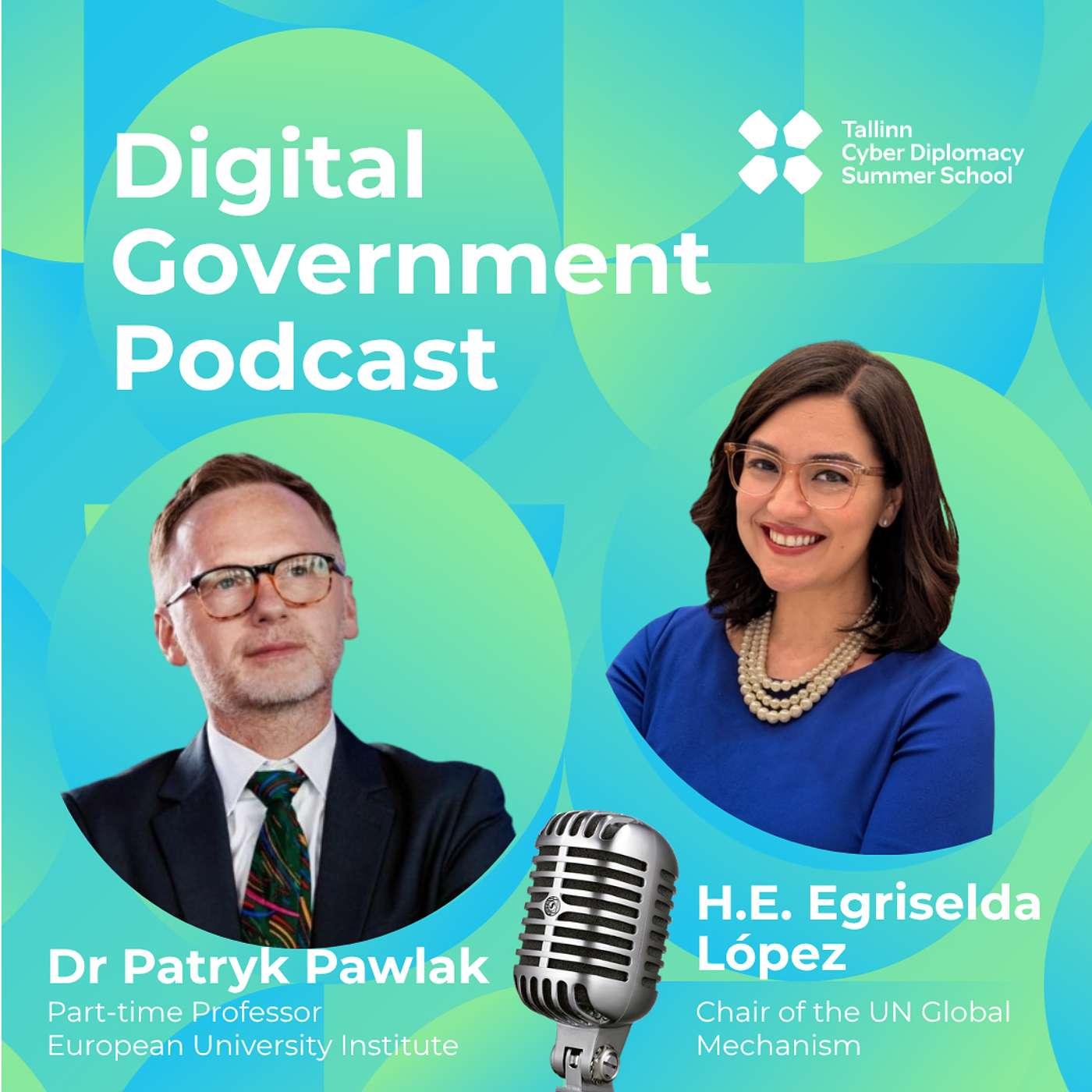
At this year's Tallinn Cyber Diplomacy Summer School, one question kept coming up: how can international cyber agreements move beyond diplomatic language and translate into real action?
The question is particularly timely as the United Nations Global Mechanism prepares for its upcoming meeting…
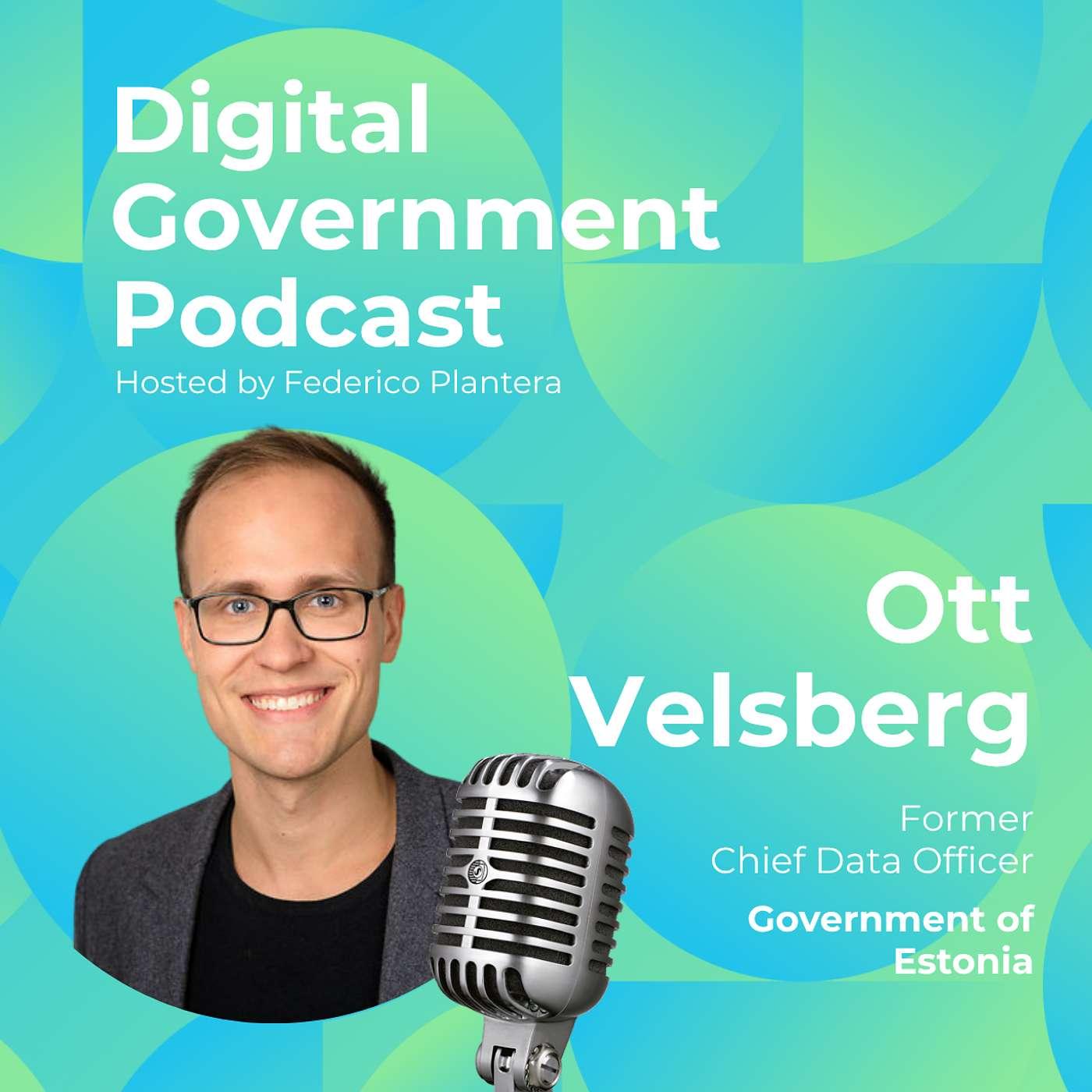
The last time Ott Velsberg appeared on this podcast was early 2022. Popular LLMs had not yet been released. The conversation was about how AI could support data-driven decision-making in government – a topic that felt, at the time, more prospective than operational.
Four years on, with Estonia coun…

When governments across Europe try to modernise, the challenge is rarely that they lack ambition or resources. More often, what is missing is the space to think carefully before acting – to understand what the actual problem is, what has already been tried elsewhere, and who inside the administrati…

Thirty years ago, Estonia launched Tiger Leap, a programme that put computers and internet in every school and, in many ways, laid the groundwork for a digital society what we have known to call e-Estonia. Today, the country is attempting something just as ambitious with artificial intelligence (AI…
Governments are racing to adopt AI in public services. EU-funded projects show the pace is only accelerating. But this push raises a deeper question: what lies beneath? Too often, the answer is the same – weak or uneven digital foundations.
Digital public infrastructure (DPI) can help integrate and…
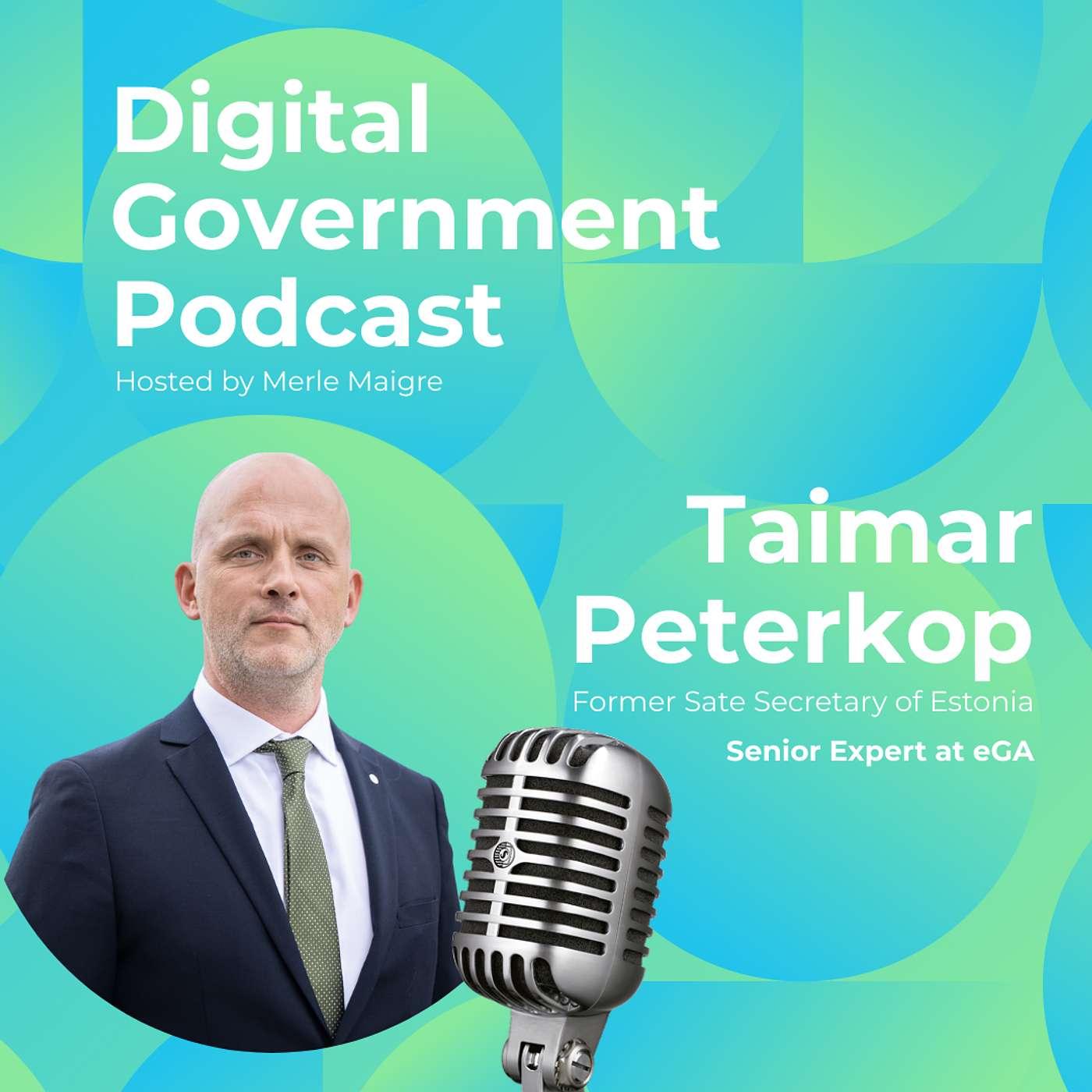
Leadership in the public sector has always demanded resilience. This is best exemplified by three elements: 1) the ability to hold long-term vision steady while reacting to short-term pressures, 2) to build consensus across institutions that do not naturally cooperate, and 3) to keep an organisatio…

Following Estonia’s example, Ukraine is launching a Personal Data Access Monitoring Subsystem embedded in Trembita, the government’s secure data exchange platform. The mechanism allows every Ukrainian to see who accessed their personal data stored in government registers.
In this episode we host Yu…
Disclaimer: The podcast and artwork embedded on this page are from e-Governance Academy, which is the property of its owner and not affiliated with or endorsed by Listen Notes, Inc.
PODCAST SEARCH ENGINE
You can use our website to search 3,839,030 podcasts and 198,337,894 episodes by people, places, or topics.

An investment in knowledge pays the best interest, so I listen to podcasts.
‐ Benjamin "Llamacorn" Franklin
SEARCH PAST EPISODES
Search past episodes of Digital Government Podcast.
CLAIM THIS PODCAST
Why to claim podcasts?
If you are a podcaster, the best way to manage your podcasts on Listen Notes is by claiming your Listen Notes
podcast pages.
It is a great, free way to engage the podcast community and increase the visibility of your podcasts.
After claiming your Listen Notes podcast pages, you will be able to:
✓
Manually refresh the RSS feed to sync up
✓
Get a verified badge (
✓
) alongside with your podcast name on Listen Notes
✓
Post classified ads for sponsorship,
guests, co-hosts,
cross-promotion...
✓
Respond to listener comments on Listen Notes
✓
Use speech-to-text techniques to transcribe your show and
edit transcripts
✓
Improve the presence of your podcasts, e.g., self-service
podcaster interview...
✓
If you share your Listen Notes page and at-mention @ListenNotes
on X (formerly Twitter),
our official X (formerly Twitter) account will retweet to promote
your show to our followers.
Coming soon:
◯ Self-service promotion on Listen Notes
◯ Track your podcast stats on Listen
Notes, e.g., listens, page
views...
◯ Manage episodes
EDIT
Thank you for helping to keep the podcast database up to date.
