
ABOUT THIS PODCAST 🔗
Practical, Evidence Based Strategies for Challenging Students.
Update frequency:
every 21 days
Average audio length:
45 minutes
English
United States
50 episodes
since Dec. 2, 2016
episodic
AUDIENCE OF THIS PODCAST 🔗
~71.24% of listeners are from United States.
🇺🇸
US
71.24%
🇦🇺
AU
11.18%
🇬🇧
GB
6.70%
🇨🇦
CA
5.43%
🇳🇿
NZ
2.23%
🇮🇪
IE
1.91%
🇫🇷
FR
0.31%
🇺🇿
UZ
0.31%
🇳🇱
NL
0.31%
🇨🇭
CH
0.31%
Others
0.07%
* Data source: directly measured on Listen Notes. real-time
LATEST EPISODE 🔗

Prof. Sandra Chafouleas is a Board of Trustees Distinguished Professor and Neag Endowed Professor in the Department of Educational Psychology within the Neag School of Education. She also serves as the founder and
Co-Director of the UConn Collaboratory on School and Child Health (CSCH). She has a…
SEARCH PAST EPISODES
Search past episodes of Trauma Informed Education.
PREVIOUS EPISODES 🔗
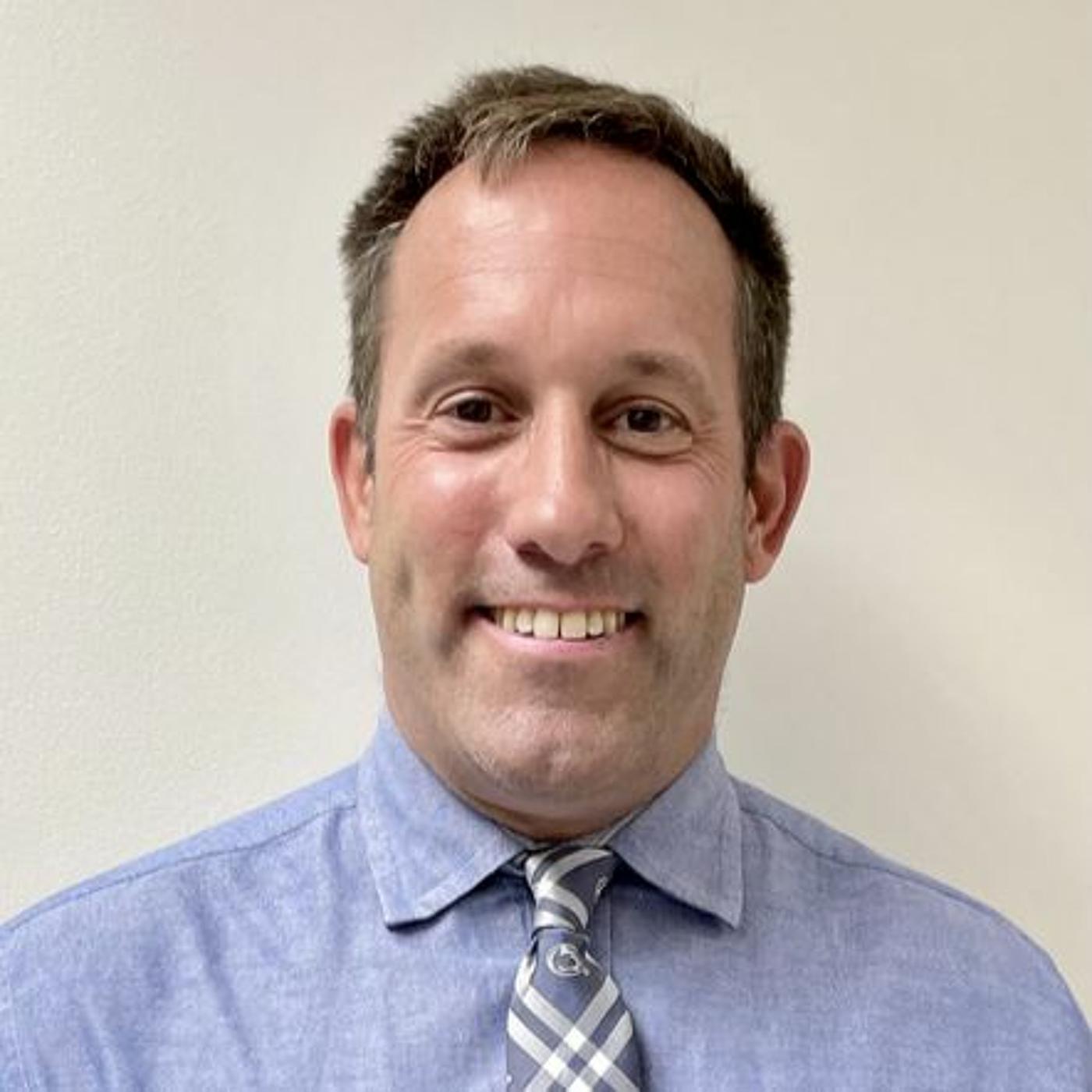
Dr Michael Gaskell is the Principal of Hammarskjold Middle School in East Brunswick, New Jersey, USA. Michael writes extensively on school culture, trauma, and educational leadership, he is a mentor to new principals through the New Jersey Leaders to Leaders program and regularly presents on topics…

Joanna Schwartz holds a Master of Education, and a Master of Counseling with a concentration in holistic studies. Joanna is the founder of Toolbox for Teachers an organization that provides workshops on the topics of mental health in schools, social and emotional learning, trauma informed education…
A Relationship-Based Approach to Supporting Students with Deni Melim by Dr. Kay Ayre

Louise Michelle Bombèr is qualified as both a specialist teacher, a therapist and a Dyadic Developmental Psychotherapy (DDP) certified practitioner. She has worked with individual pupils, classes, whole school settings, local authorities, teachers and support staff across both the primary and secon…
Bearing witness to the emotional pain and challenges of students can take its toll on educators. Under pressure to support students, teachers may be forced to confront their own social and emotional challenges. The social neuroscience of education shed light on experiences and needs linked to the c…
The call for trauma-informed education is growing as the profound impact trauma has on the children’s ability to learn in traditional classrooms is recognized. For children who have experienced abuse and neglect their behaviour is often highly reactive, aggressive, withdrawn or unmotivated. They st…

Some students find it difficult to engage in their learning. Emotional and cognitive difficulties can affect a student’s motivation to learn and may make it difficult for them to participate in class-based educational activities. Music is a unique medium of engagement and creative communication. Th…
Despite trauma-informed education gaining credibility and popularity, educational leaders continue to battle systems to implement innovative and evidence-informed practices. The relentless advocacy for staff and students pushes principals to grow – both professionally and personally. So how do lead…
The implementation of trauma-informed practices in schools requires leaders to attend to the safety and wellbeing of their staff, just as much as they attend to these needs in their students. So how can trauma-informed practices help with caring for teachers, and maintaining group cohesion amongst …
Disclaimer: The podcast and artwork embedded on this page are from Dr. Kay Ayre, which is the property of its owner and not affiliated with or endorsed by Listen Notes, Inc.
PODCAST SEARCH ENGINE
You can use our website to search 3,839,030 podcasts and 198,337,894 episodes by people, places, or topics.

If I have seen further than others, it is by listening to podcasts and standing upon the shoulders of
giants.
‐ Isaac "Llamacorn" Newton
SEARCH PAST EPISODES
Search past episodes of Trauma Informed Education.
CLAIM THIS PODCAST
Why to claim podcasts?
If you are a podcaster, the best way to manage your podcasts on Listen Notes is by claiming your Listen Notes
podcast pages.
It is a great, free way to engage the podcast community and increase the visibility of your podcasts.
After claiming your Listen Notes podcast pages, you will be able to:
✓
Manually refresh the RSS feed to sync up
✓
Get a verified badge (
✓
) alongside with your podcast name on Listen Notes
✓
Post classified ads for sponsorship,
guests, co-hosts,
cross-promotion...
✓
Respond to listener comments on Listen Notes
✓
Use speech-to-text techniques to transcribe your show and
edit transcripts
✓
Improve the presence of your podcasts, e.g., self-service
podcaster interview...
✓
If you share your Listen Notes page and at-mention @ListenNotes
on X (formerly Twitter),
our official X (formerly Twitter) account will retweet to promote
your show to our followers.
Coming soon:
◯ Self-service promotion on Listen Notes
◯ Track your podcast stats on Listen
Notes, e.g., listens, page
views...
◯ Manage episodes
EDIT
Thank you for helping to keep the podcast database up to date.
