


এই এপিসোড সম্বন্ধে
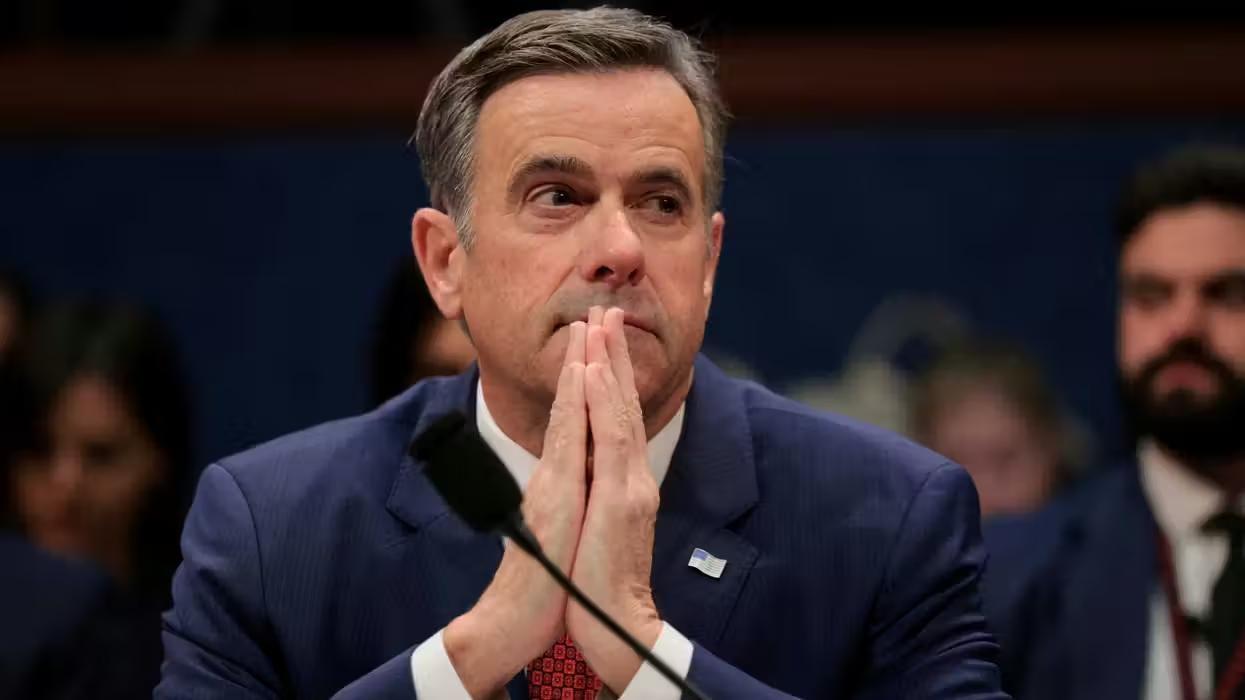
Central Intelligence Agency (CIA) Director John Ratcliffe in Washington, D.C., U.S., March 19, 2026. REUTERS/Kylie Cooper
The CIA’s “Adult in the Room” Is Serving the Man Who Owns the Room
The Decision-Maker Is John Ratcliffe
The relevant fact is not that the CIA marked its 79th anniversary on September 18. It is that CIA Director John Ratcliffe controls the authority, personnel, and public credibility of an institution built to give presidents information they may not want. Former officers John Sipher and Julia Curlee argue that Ratcliffe has instead used that position to reinforce President Donald Trump’s preferred political narratives.
That is not bureaucratic drift. Ratcliffe has agency. According to the former officials, he selectively released questionable intelligence, supported disputed declassifications, tolerated retaliation against intelligence personnel, and permitted old analysis to be withdrawn when its subjects displeased the administration.
Help fuel the work. Independent analysis doesn’t fund itself:☕ Buy us a coffee
Politicization Is a Method, Not a Mishap
Ratcliffe’s conduct predates his current post. As director of national intelligence in 2020, he released unverified Russian intelligence concerning Hillary Clinton while acknowledging that it might contain exaggeration or fabrication. The disclaimer did not neutralize the act. It documented that he knew the material was unverified before lending it institutional legitimacy.
The political method is straightforward: take an allegation useful to the president, attach the prestige of the intelligence apparatus, and release it into public debate. The government’s seal supplies credibility that the underlying claim has not earned. Uncertainty becomes a shield for propaganda rather than a reason for restraint.
Silence Is Also an Exercise of Power
Sipher and Curlee describe a serving CIA officer being publicly identified and forced out, other intelligence officials being fired after delivering unwelcome judgments, and established analysis being retracted. They also point to Ratcliffe’s silence when then-Director of National Intelligence Tulsi Gabbard stood with FBI agents during the seizure of 2020 ballots in Fulton County, Georgia.
That silence should not be mistaken for passivity. A director who speaks when declassification serves the administration and disappears when intelligence power intrudes into domestic electoral politics is making a choice about what the institution will permit. Selective silence is how officials preserve plausible deniability while subordinates learn which truths carry professional costs.
The “Adult” Label Conceals Complicity
Calling Ratcliffe the “adult in the room” lowers the standard from independence to comparative composure. The phrase asks whether an official appears steadier than other Trump appointees, not whether he is performing his constitutional role.
This is a familiar piece of Washington misdirection. Institutional surrender becomes moderation when conducted without shouting. An official receives credit for tone while using his office to validate conspiracy theories, punish dissent, and weaken the distinction between intelligence work and presidential grievance. Professional polish does not mitigate that conduct. It makes the conduct easier to normalize.
Congress Chose Spectatorship
The source identifies another center of power: Congress. The post-Church Committee safeguards separating the CIA from domestic politics did not create or enforce themselves. Legislators possess oversight authority, investigative machinery, appropriations power, and the ability to impose consequences. According to Sipher and Curlee, Congress has mostly watched.
That is institutional cowardice, not helplessness. When lawmakers decline to defend boundaries they are empowered to enforce, those boundaries become optional. Ratcliffe may be carrying out the politicization, but congressional inaction enables it.
An Intelligence Service Recast as Political Property
The larger pattern is the conversion of supposedly independent institutions into instruments of personal rule. The objective need not be total control of every analyst or every report. It is enough to punish inconvenient findings, reward useful ones, and teach the bureaucracy that loyalty determines which facts survive.
The damage extends beyond any single declassification or dismissed officer. Intelligence loses its value when analysis is filtered through the leader’s grievances, while official secrecy and prestige remain available to authenticate those grievances. The institution still looks like an intelligence service. Its authority, however, is increasingly spent as political currency—and the officials capable of stopping that conversion have found observation more comfortable than resistance.
Thanks to Alter Net
Source: CIA officials sound alarm as Trump chief pushes agency to breaking point
Systemic Error is a reader-supported publication. To receive new posts and support my work, consider becoming a free subscriber.
We warned them.We told them.We shouted from the rooftops.We plead.We begged.They didn’t listen.Now, we all will suffer.Y’all know what to do, right?VOTE BLUE! 💙Vote as if your life — nay, our country — depend on it.Because, this time, and every time, it does.
This is a public episode. If you'd like to discuss this with other subscribers or get access to bonus episodes, visit paulstsmith.substack.com/subscribe


