

এই এপিসোড সম্বন্ধে

AI can generate code faster than your team can review, test, or release it. That extra output can turn the next stage of software delivery into a bottleneck.
Matt Hargett, Consulting Principal Engineer at Callstack, joins Łukasz Chludziński to examine how AI agents change the software development lifecycle (SDLC). Drawing on nearly 30 years of experience, from QA at McAfee to agent workflows today, Matt explains how to find the current constraint and anticipate where work will pile up next.
In this episode, we discuss:
➡️ Why an on-time release can still lose money through support and infrastructure costs
➡️ How to give agents goals, context, and explicit quality expectations
➡️ How coverage-guided fuzzing can become an overnight testing and repair loop
➡️ How deployment bottlenecks grow release batches, and where phased rollouts and over-the-air updates fit
➡️ When to rethink Jira tickets and handoffs between teams
➡️ How to measure whether AI adoption improves delivery through support load, uptime, and production feedback
Which part of your delivery process would struggle if coding got twice as fast? Share your experience in the comments, and subscribe for more React Universe On Air conversations.
Check out episode resources on our website ➡️ https://clstk.com/4yF4yjl
Catch more React Universe On Air episodes 🎧 https://clstk.com/4B1G9q4
Sign up for our newsletter ✉️ https://clstk.com/3VsrLXB
Follow us on X 🐦 https://x.com/callstackio
Chapters:
00:00 Faster coding, same deployment bottleneck
00:54 Meet Matt Hargett
02:07 QA at McAfee in 1997
07:19 Product economics and estimation
11:49 Mapping the SDLC in the AI era
16:25 Shipping, quality, and operating costs
22:34 Delegating to agents: goals and guardrails
25:21 Coverage-guided fuzzing explained
28:06 Overnight testing and repair loops
30:06 How agents change engineering roles
36:55 Do agents still need Jira tickets?
44:16 Using customer pain to prioritize improvements
49:41 Finding your next delivery bottleneck
54:07 Phased deployments, staging, and telemetry
57:06 Examining how teams really work
01:01:18 Improving the SDLC incrementally
01:03:06 Measuring outcomes and getting outside help
01:06:52 Closing thoughts
ইংরেজি
মার্কিন যুক্তরাষ্ট্র
প্রতিলিপি 🔗
Are you the producer of this podcast?
Add a podcast transcript
Need Audio-to-Text?
Transcribe with Listen411 in Just 60 Seconds
অতীতের এপিসোডগুলি অনুসন্ধান করুন
React Universe On Air এর অতীতের এপিসোডগুলি অনুসন্ধান করুন।
এই পডকাস্টের অন্যান্য পর্বগুলি৷
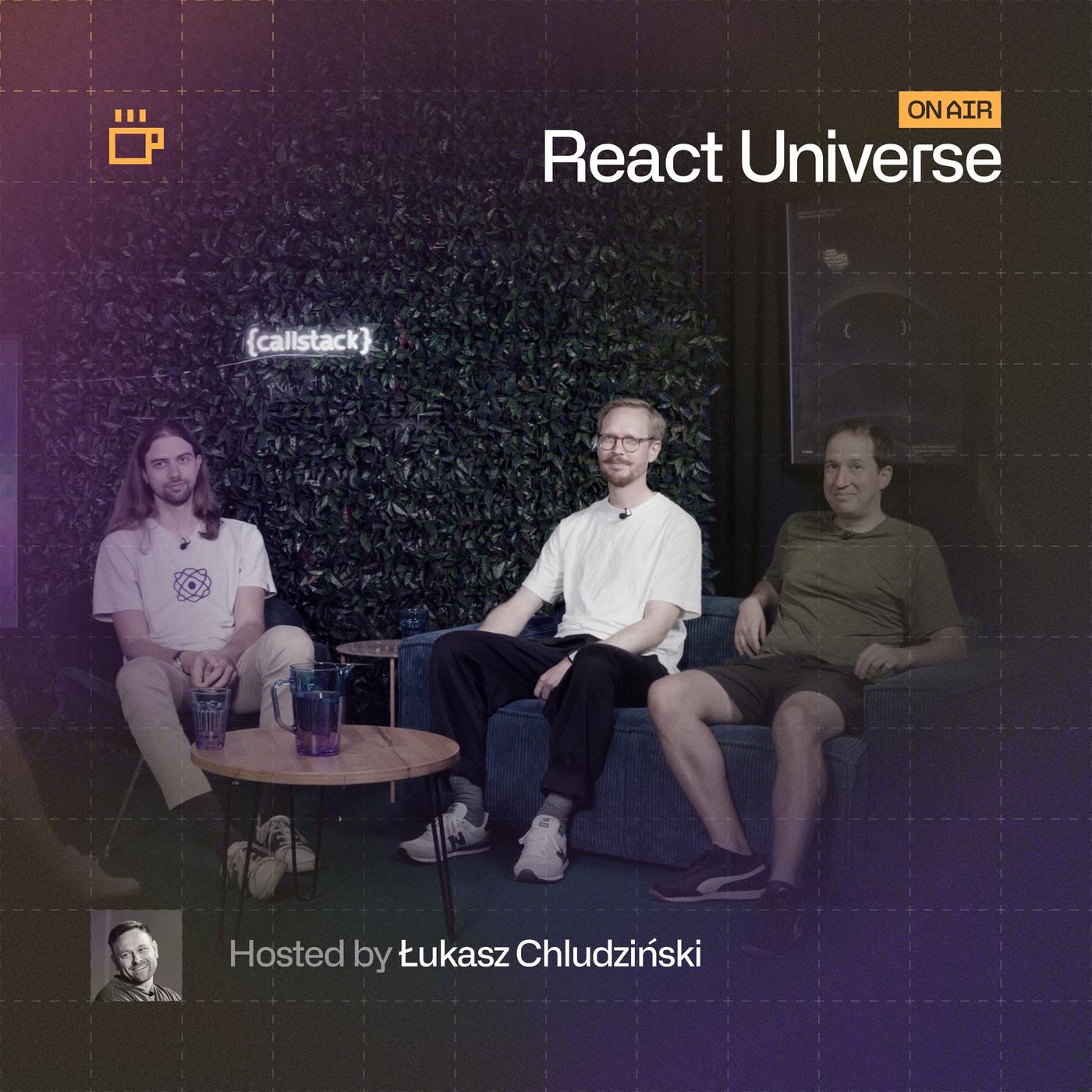
What really happens when React Native’s core contributors gather behind closed doors?
In this episode of React Universe On Air, recorded live at React Universe Conf 2025, host Łukasz Chludziński sits down with Joel Arvidsson, Jay Meistrich, and Thibault Malbranche to unpack the hottest debates and…
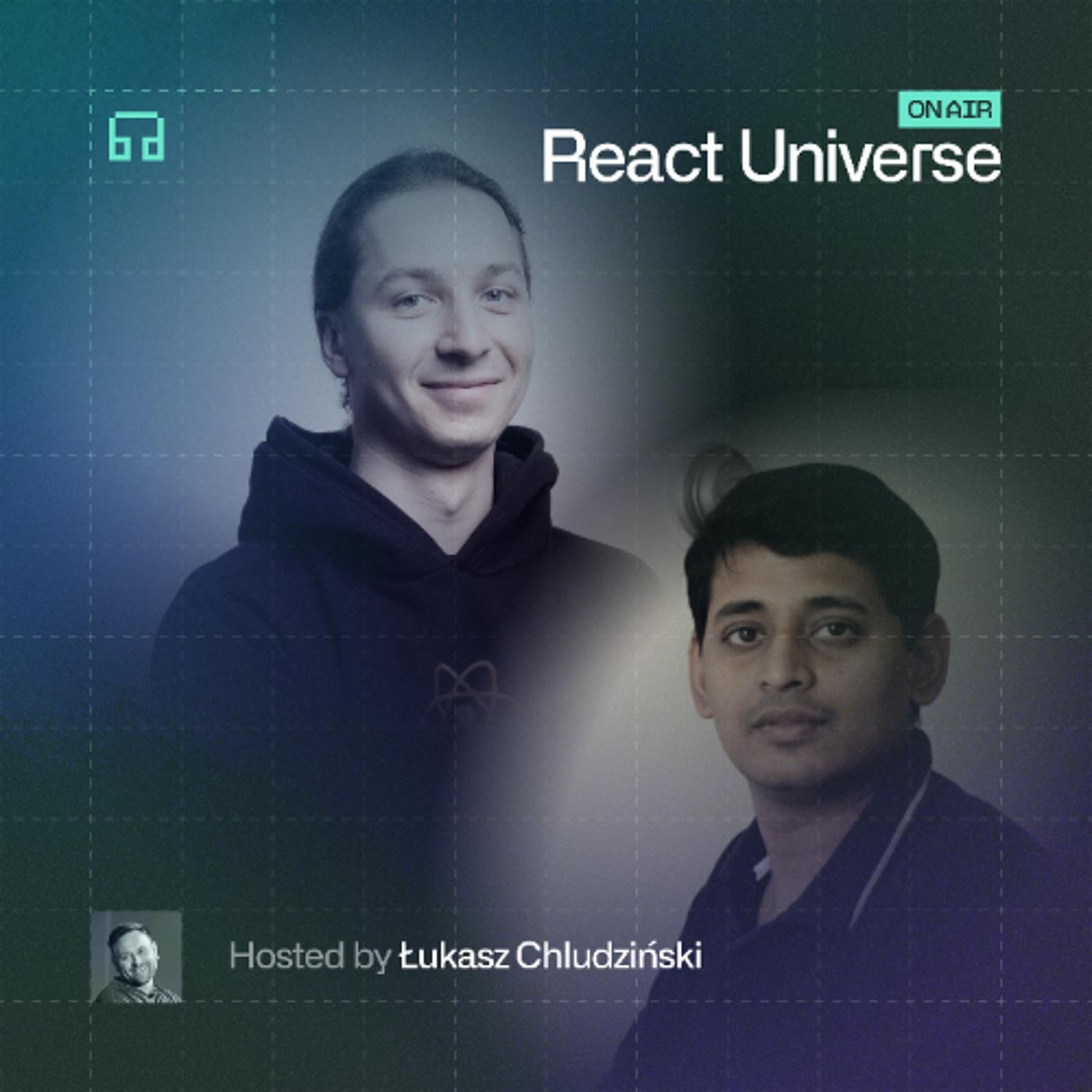
It’s a practical, developer‑focused look at the early days of React Native on VR: what works today, what’s different from mobile, and why so many app ideas translate better than you might expect.
Chapters:
00:00 Introduction to React Native on Meta Quest
01:10 Meet the guests: Jan Jaworski and Ram…
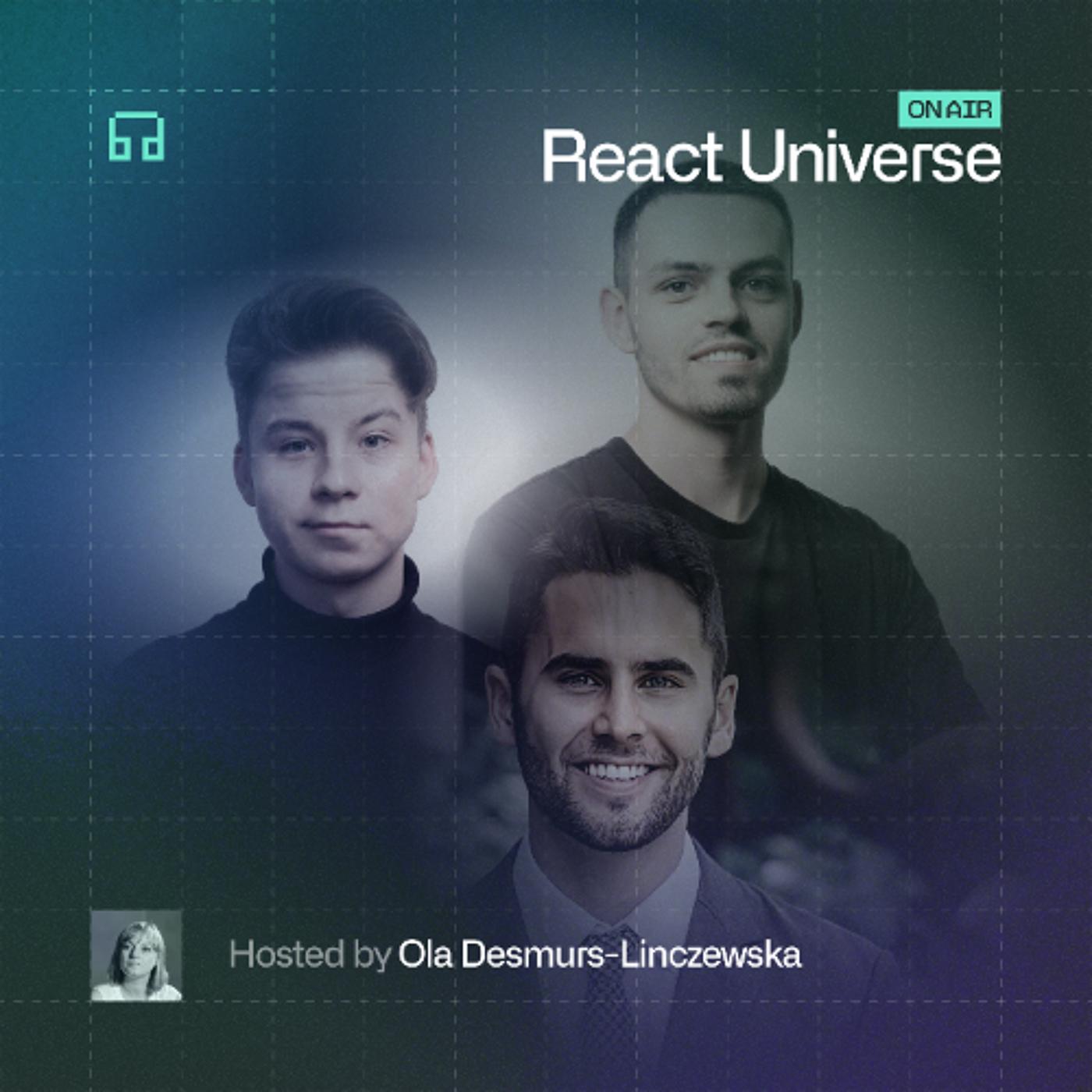
Vercel’s v0 iOS app is built with React Native, but it looks and feels like a fully native iOS product.
In this episode of React Universe On Air, we go deep into how the v0 mobile app was built: from choosing Expo and going iOS-first, to writing native modules, fixing low-level React Native issues…
The NFL runs on tight deadlines. Every kickoff and Super Bowl demands that millions of fans get flawless live video, stats, and fantasy features, whether they’re on iPhones, Xboxes, or connected TVs.
In this episode of React Universe On Air, Mike Grabowski talks with Michael Blanchard (Director of…
This year, React Universe On Air is doing something different for Christmas. No guests, demos, or framework updates. Instead, Ola Desmurs Linczewska tells a Christmas story.
A (Secure) Christmas Carol is a holiday fairytale for JavaScript and React Native developers. Set on Christmas Eve, it follo…
দাবি পরিত্যাগ: এই পৃষ্ঠায় এম্বেড করা পডকাস্ট এবং আর্টওয়ার্ক Callstack থেকে এসেছে, যা এর মালিকের সম্পত্তি এবং Listen Notes, Inc দ্বারা অনুমোদিত বা অনুমোদিত নয়৷
সম্পাদনা
পডকাস্ট ডেটাবেস আপ টু ডেট রাখতে সাহায্য করার জন্য আপনাকে ধন্যবাদ।
