
এই এপিসোড সম্বন্ধে
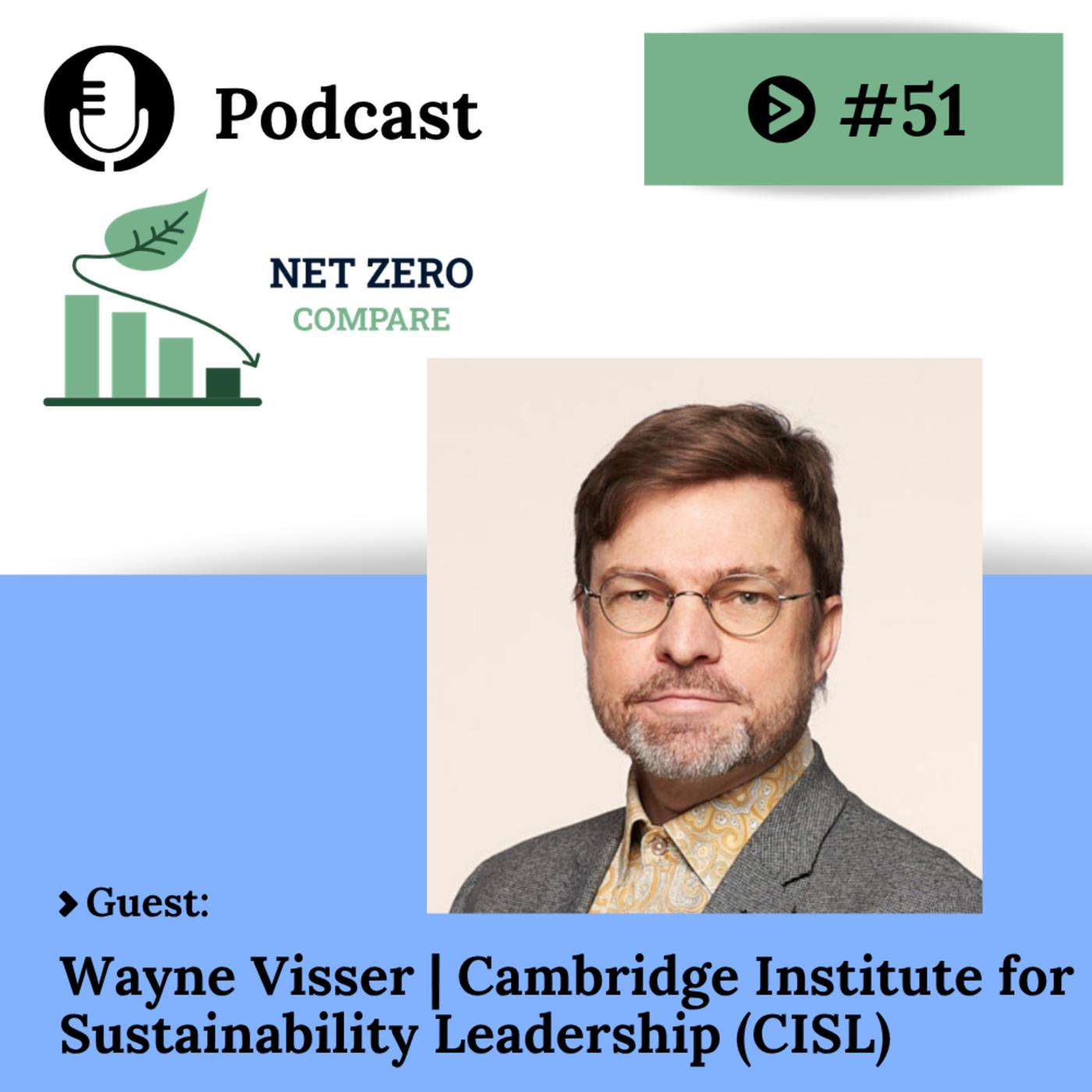
🎯 In this episode: Wayne Visser joins Net Zero Compare to discuss how businesses can distinguish genuinely transformative climate technologies from hype and identify solutions that are ready to scale.
The conversation explores the technologies reshaping energy, industry, food, mobility, construction, and environmental management, drawing on ideas from Visser’s forthcoming book, Technologies of Hope: An Earth-Saving Mission. He explains that promising climate technologies should be evaluated not simply by how innovative they sound, but by whether they can deliver meaningful environmental improvements, reduce costs, improve performance, and achieve widespread adoption. Visser highlights solar power, wind energy, battery storage, and electric vehicles as technologies that have already moved well beyond the experimental stage. At the same time, challenges such as grid capacity, permitting, infrastructure, supply chains, and political resistance can still determine how quickly they scale. The discussion also examines harder-to-abate sectors including steel, cement, chemicals, plastics, and construction materials. Technologies such as electric arc furnaces, green hydrogen, lower-carbon cement, bioplastics, and engineered timber could significantly reduce emissions, but many still face cost, infrastructure, or adoption barriers. Another key theme is the growing role of environmental data, AI, and robotics. Earth information systems can help companies monitor deforestation, methane emissions, biodiversity, and climate risks, while AI and robotics are creating practical applications in precision agriculture, waste sorting, reforestation, logistics, and environmental monitoring. Visser also emphasizes that no climate technology is impact-free. Batteries, renewable energy systems, digital infrastructure, and electric vehicles all require materials, energy, water, land, and supply chains. The goal is therefore not to search for perfect technologies, but to compare alternatives, understand lifecycle impacts, manage risks, and continue improving performance. For companies, the main takeaway is to build a repeatable process for evaluating emerging technologies. Businesses should look at technical readiness, market adoption, cost trends, infrastructure requirements, lifecycle impacts, data quality, and relevance to their core operations. Visser encourages organizations to experiment through pilots and partnerships, invest early where a technology could transform their market, and avoid chasing trends that lack evidence of real-world value.
🔗 Read the full article:
https://netzerocompare.com/podcasts/net-zero-compare-podcast/wayne-visser-cambridge-institute-for-sustainability-leadership
📍 Guest: Wayne Visser, Cambridge Institute for Sustainability Leadership
https://www.linkedin.com/in/waynevisser/
🎙 Interview by: Karol Kaczmarek, Co-Founder of Net Zero Compare
https://www.linkedin.com/in/karol-kaczmarek-39a29651/
#WayneVisser #ClimateTechnology #CleanTechnology #RenewableEnergy #EnergyStorage #ArtificialIntelligence #GreenHydrogen #SustainableInnovation #NetZero #NetZeroCompare
***
At Net Zero Compare, we deliver clear, data-backed insights for decision-makers navigating ESG reporting, net-zero compliance, and clean energy adoption.
🌐 https://netzerocompare.com📩 Contact us: info@netzerocompare.com📚 Explore the Academy: https://netzerocompare.com/academy📰 Read more insights: https://netzerocompare.com/articles