

Brody Sams: He basically said and he played professionally at the highest level. Like he was playing at Ajax with Zlatan Ibrahimovic growing up and, you know, has gone to World Cups and things like that. And he told me, Yeah, you you haven't played at a high level, so you're gonna have this problem like You versus the person who has played, a hundred and fifty games, two hundred games, top level, Like, who do you think they're gonna pick? So you have to find something that's gonna allow you to to differentiate yourself from that. And for me what I chose was just I'm gonna outwork everyone.
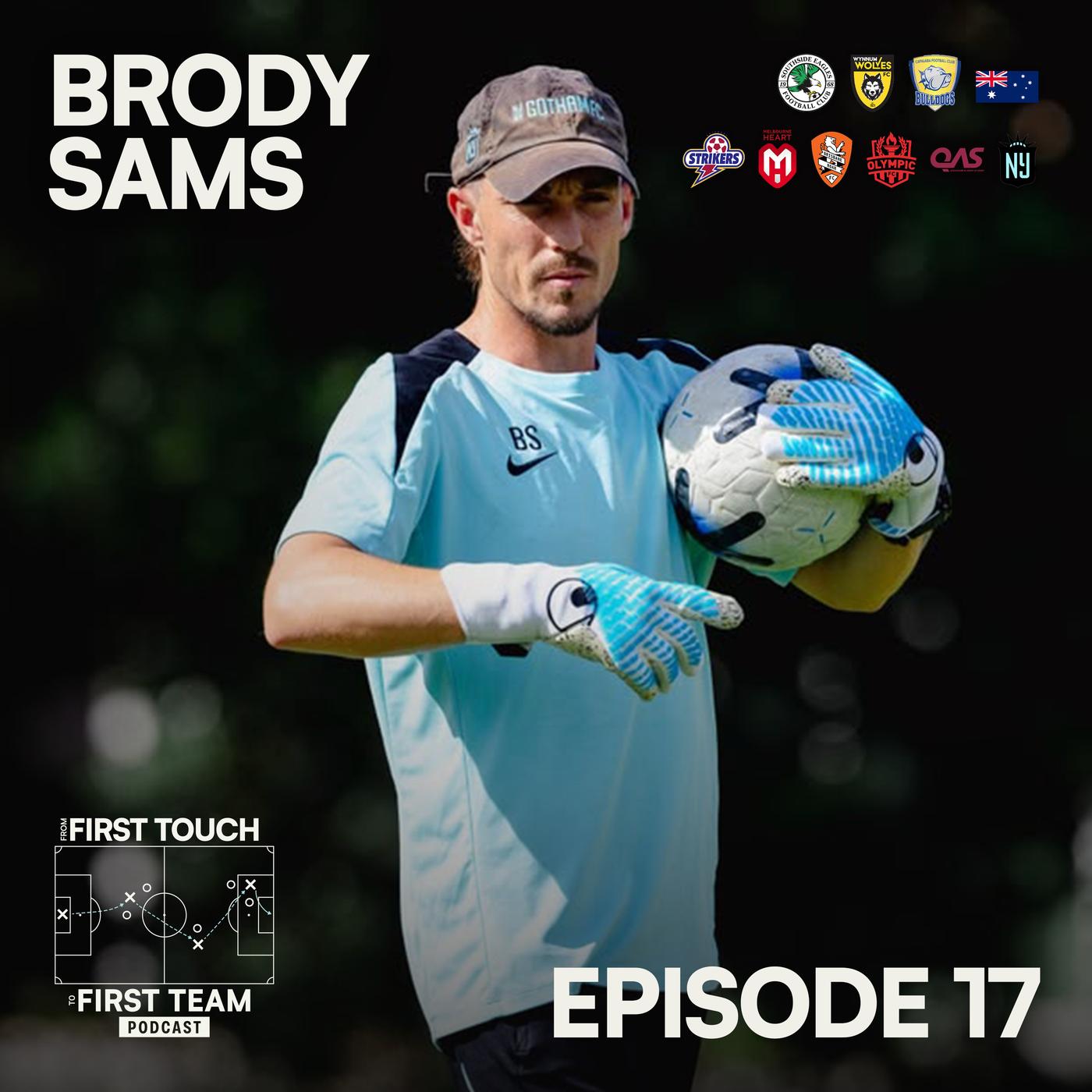
Jani Schmidt: Welcome back to From First Touch to First Team. I'm Jan, your host, and this episode is part of a growing series on this show where we go beyond the player journey and sit down with people who have built a full time career in professional football without ever playing at the professional level themselves. And today's guest might be the most compelling example of that yet. I'm calling the United States to sit down with Brody Sams, a goalkeeper coach who grew up in Australia, fell in love with football watching the two thousand two World Cup at eleven years old, had his playing career cut short by injuries at eighteen, spent years pumping balls, folding kids and working sixteen hour days just to stay inside the game, and is now a professional goalkeeper coach and a major league soccer in the US. In this episode we get into what his journey actually looked like from Brisbane to the US what it takes to build a coaching career when nobody handed you anything, and whatever young goalkeeper and player out there can take from his story into their own training. Before we get into it, every episode on this show exists for the players and parents who need it most. Help us get it to them. Share this with one person in your life who is on the journey. Leave a review on Spotify or Apple Podcast and on Instagram. Share the reel and drop a comment. That one action tells the algorithm this content deserves a bigger audience and we can help more people. Thank you for that and now enjoy the episode with Brody. Brody, good afternoon, hi to the US. How's the day been? How you going, my man?
Brody Sams: How you doing? Good, thank you. it's been a good day. We we played last night, so we just had a recovery for those who played this morning and got some training minutes into those who didn't get get any minutes last night or had low minutes. So it's been a good day and and now we're gonna have two days off, much needed. So yeah, it's all good. How are
Jani Schmidt: Okay.
Brody Sams: you?
Jani Schmidt: Was it a successful game?
Brody Sams: I mean we drew we drew one one with Portland. They're not an easy team. They're they're doing well this year. I personally hate anything but winning, so yeah. That's just how it is.
Jani Schmidt: That's a good start to the podcast in terms of already like a bit of a mentality background from you. And yeah, first of all, welcome to the podcast from First Touch for First Team. I'm really excited to have you on board as another part of a series where we're talking not to professional footballers, where we're talking to different guests that are working in the space of professional football. In your case, that's being a goalkeeper coach in a professional team environment. Before we jump into the full episode, maybe you can give our guests a short introduction about yourself, who is a Broly Sam's.
Brody Sams: Sure. Well, I mean, first of all, it's it's a real honor to be on the podcast. I I love the work that you do and I love podcasts, so it's awesome to be involved. thank you. a little bit about me. I guess yeah, I've I've been in coaching now for about thirteen, fourteen years professionally, and in football for another ten years on top of that. loved it. I fell in love with it when I was a when I was a kid. I played cricket and rugby as a kid and that kind of helped me with the goalkeeping side of things. Plus I didn't like running. So that back then I thought it was good just to sit there and and take the shots. and then eventually like, you know, I it was I'm quite short, so playing professionally wasn't gonna wasn't gonna cut it. so I sort of was thinking, all right, what's what's next? And I went to start studying a a teaching degree and and to get some coaching alongside of that and then some opportunities opened up for me at the RAW and and yeah, I s I stayed there for like seven years, had a little bit of a side quest for for a year and a half and then got back into coaching and and then a year after that I basically moved to America for a crazy opportunity that I I couldn't turn down. So that's the that's I guess a short version of my my journey. Who am I? I l I love football but yeah, jump in.
Jani Schmidt: I'm gonna jump in survey with a question. Obviously you said about like different sports that you played as a kid. What was your first contact point with football then? Like what was it that made you fall in love with the game and how did you start?
Brody Sams: So I I I still remember it clear as day to be honest. I I was eleven. It was two thousand and two. The two thousand and two FIFA World Cup was happening. England were playing Brazil. and I remember just watching these guys. I honestly didn't really know what soccer was. before that as a sport. I was like, What is this? and everyone started playing it, all my friends started playing it after that World Cup and I yeah, that was it. I just fell in love with it. Like I can't really say anything else. I d I never looked back. I was obsessed.
Jani Schmidt: Yeah. And then you played yourself throughout your youth, throughout the others finishing school or like what was that journey like?
Brody Sams: Yeah, so I I played sort of from from eleven to I finished playing twenty twenty one. was when I finished playing. I got injured at about eighteen, which was when I was like, you know, maybe maybe a career in football is or as player is not not gonna happen. so I played, you know, eleven up to eighteen, played from the youth all the way up to the the seniors, and first team and You know, I loved playing but yeah, I just I I didn't think the the the playing career was gonna work. and when I f first figured out what coaching was, I also fell in love with that straight away and I like, I need to do this. Like this is probably the second best thing I could be doing if I'm not playing, so I'm gonna give it a crack.
Jani Schmidt: Okay, and then back then when you decided, I've done the playing part, it's not gonna take me to maybe a level where I can make it a full-time career. And you decided to say, okay, coaching is very interesting to me, that's something I could do. I challenged then, you know, to kind of like around that topic. I imagine back then, because still till today, it's not that big of a difference, but in Australia, making a living with coaching is very challenging, right? There's not many full-time jobs. The game is... getting bigger and bigger but it's still not as big as for example in Europe or maybe not in the US. Did people say to you, are you crazy? How are you going to work full time in football?
Brody Sams: Yeah, yes. most people and especially like the people close to me who like family and and friends, like what they were used to in Australia isn't someone working in full time sport for their whole life. It was like it's a bit of a pipe dream kind of thing. I mean I they were never not supportive of dreams, but they were alwa always like you should probably study and and get a job and and do that kind of thing. 'cause is it really likely that you're gonna make a career out of this you know? Maybe not, but for me that was like a bit of a I'll I'll prove you wrong kind of thing, like let's see what I can do. and and you know, I I still don't know how I ended up here doing what I'm doing like every day, to be honest. you know, I know what I did, but I sometimes still have to pinch myself to go, how is it like how how is it true? Really? But you know, here we are.
Jani Schmidt: Maybe over your last years, over the journey from like starting to coach and getting into Brisbane, moving to the US, are maybe two or three key parts from your perspective that you say, they got me onto the right trajectory. These are the learnings that I made or these are the steps that I took to really get to the level that you're at now.
Brody Sams: I so I think early on w in my coaching career, I mean I was lucky to get an opportunity at the RAW through the assistant coach of the youth team back then. they needed a goalkeeping coach to cover for a week. He knew of me from school actually, and he knew I'd just done a coaching license. I'd just gone through and done my C license. and And and that was my introduction to to coaching there for a week, which was actually coaching some of the guys that I went to school with who are better goalkeepers than I was. so that that was interesting. But I then met Jason Keaton, who was the the first team goalkeeping coach at the Brisbane Raw for I don't know, five or six years. and he was probably one of the the first people to to really impact me in terms of how I coached. and he sort of took me from how I was coaching, which was how I was coached, to why are you coaching, what are you actually coaching for? and he sort of gave me my why behind what I coach and what drives me still now, which is all about the game and using the game to drive what I do and why I do it. so that was early on, that was in like Two thousand and twelve, two thousand thirteen, he really sorted to change my mind on on how to coach as a goalkeeper, goalkeeper coach. and then I guess building relationships, we we were lucky to have Nadine Angerer come over to play for the women's team, the German International in twenty
Jani Schmidt: Yeah.
Brody Sams: thirteen and fourteen. And I was working with Jason, he and I were both working with the women's team at that moment. So I was able to like, you know learn from her and and pick her brains. Like I'd sit with her after training sessions and watch her training with the German national team and ask her these questions about how you trained and why and what do you like and all these sort of things. And, you know, it was a it was a good couple of years 'cause, you know, she has her way of working and she's one of the best in the world. And you know, I was just sort of a a young kid at that stage, trying to learn and soak it all up. and I guess that was it. Like just trying to put yourself in the room with people who are way better than you so you can learn off them. and and make yourself kind of useful around the place so that you're able to provide a service. Cause in all of these clubs in Australia it's you know, it's not just one job. You have to do many, many jobs, you know, and so And I'm sure we'll talk about this later, but I ended up helping th with things like the equipment and pumping the balls up and folding the kit and all that sort of thing. which I ended up becoming an equipment manager for a couple of years as well. and I think all of these things are what helped me in Australia because there aren't the full time jobs, but I would always advise someone like Get in there, get your hands dirty, try and get the hours and experience. like yeah, get the courses, do the courses as well, but the hours and experience and spending time on the grass, asking questions to people who are better than you, helped me massively. Like I still draw upon things from ten, fifteen years ago.
Jani Schmidt: Yeah, amazing. I think that's important to reflect on like that being open minded and being like willing to do anything to soak up all the information that I around. The next question that I then have for you that just came into my mind is someone could have said to you, I looked at you and be like, he never played professionally as a goalkeeper. He never, you know, got to to certain levels. Who is he to then coach professional goalkeepers? Was there ever that thought in your head and how did you deal with it? Or how did you then start to show people it's like, nah, I know what I'm doing because I spent so much time learning and coaching that I can help these players.
Brody Sams: Yeah, honestly I still have that some days. Like, you know, the the old imposter syndrome is a is a is a real thing. But I think the the way that I found to I guess silence that that inner critic or that voice inside that's not necessarily always true was just to do the like make sure you've done the preparation. You have to have done the work and you have to almost have done more and I got told this again early on, probably twenty thirteen, by another one of my mentors. He basically said and he played professionally at the highest level. Like he was playing at Ajax with Zlatan Ibrahimovic growing up and, you know, has gone to World Cups and things like that. And he told me, Yeah, you you haven't played at a high level, so you're gonna have this problem like You versus the person who has played, you know, a hundred and fifty games, two hundred games, top level, whatever it is. Like, who do you think they're gonna pick? So you have to find something that's gonna allow you to to differentiate yourself from that. And for me what I chose was just I'm gonna outwork everyone. Like I I chose that route and I chose just trying to get more experience than everyone on the on the as much as I could, like coaching as many hours as I could, as many different people as I could, researching all the other coaches around the world everywhere looking at what they did, how do they work, why do they work that way? and and just yeah, basically always finding a way to how can I be better, how can I be more prepared? Have I left any stone unturned? That's what's gonna give me the best chance at maybe trying to beat someone who's played professionally, but that's that's what I did. That's what I would advise to do and and you know I still work like that, I still work hard and I still try and leave no stone unturned and you know, at the end of the day I've just gotten hopefully a little bit better at that over ten, fifteen years.
Jani Schmidt: What is then for you the most important part between a goalkeeper coach and the goalkeepers? How do you approach that part and what is maybe then something that you can give them that maybe a goalkeeper coach to play professionally that is only focused on that part that can't give them?
Brody Sams: I mean two things come to mind. The first one is I mean, relationship comes to mind first, like first and foremost, and how to and you know, I'm there for them. I'm there to help them individually try and become the best version of themselves that they can. So can I help basically help them get out of their own way and realise where they're where they're you know, got blockers in their own mindset or approach or whatever it might be, like I'm just there to help them in those moments. and also ask them you know, what has worked and what hasn't worked for them. Like who like who am I to tell someone exactly what to do all of the time? Like people know themselves and and they've had experiences that work. And so I'm just trying to put them in an environment where you know, they can allow their strengths to to to sort of come out and also where they can learn about how to develop and improve their any weaknesses that they've got. And that's that's the best thing that I can do. And You know, when it comes to the differentiation that I would say is that I've tried to put all of the years that maybe a professional goalkeeper has put into playing as a as a player, it's quite a selfish thing. It's about you and you're only thinking about you. I've I've done that, but I've done it completely just for goalkeepers. so
Jani Schmidt: Yeah.
Brody Sams: you know the the volume of what I've I've spent my life sort of trying to understand and master and things like that. I've spent more time probably than someone coming out of the game at, you know, late 30s, 40, you know, I've already done fifteen years of of high level work to try and bridge that gap. And again, that's driven from the question before of how can I make sure that I put myself in the best position to to be able to do the job. maybe it's better than than someone who's just been playing. y y you know, you hear that all the time about some of the best coaches aren't the best players. So that's that's that's probably the f thing for me, but developing relationships with the with the with the players is the key one.
Jani Schmidt: Then from all these years that you've coached, if you now would talk to a young footballer out there that's a goalkeeper, that's going for the youth ranks on the 13s and upwards, what would be maybe your one or two key points be for them to constantly think about in their training week, regardless of the team that they're playing in, regardless of the culture they have, the playing style? But what would be maybe your one or two points that you say, this is something that you constantly need to think and focus about?
Brody Sams: So, I mean with goalkeeping it's obviously a specialist position. you know, there's a lot of technical skill that you need to like kind of develop and learn. However, I think that there there has to be an emphasis put on that. something that I find is missed with a lot of people is that there's their understanding of the game. And you can get that just by watching football. Just watch the game. But don't watch it as a spectator. Watch it where you're trying to see the patterns. You're trying to see a couple of passes ahead. you're trying to see what the person on the ball is doing based on the picture that they can see around them and learning to interpret those pictures, learning to interpret the pieces of information, you know, in the game. can help you figure out, especially as a goalkeeper when it comes to positioning and communication, trying to prevent things. If you can read the game and you can like anticipate the game and see what's gonna happen before it happens, then you know you're gonna give yourself the best chance to prevent the shot. And then it's also trying to understand the position or put it putting the importance on everything before the shot as well as the stuff as the shot or after the shot. Because most of goalkeeping training is all about the fancy save after the shot and flying over hurdles and this and that. It's like but you can do a lot more work and a lot of the details actually before the shot. And and if you spend more time on that earlier in your career, you won't have to spend so much time on it later trying to fix it or even unlearn certain things. to then relearn. And so I mean, even in the professional environment, that's still happening now. And so I think that, you know, what have they missed? They've missed learning the game at a at an earlier age, watching the game, trying to ask questions about the game and and using the game as the teacher because the game the game is the teacher.
Jani Schmidt: Yeah, that, do you feel like that's the same kind of challenge that players in the US have due to time differences to Europe and not being able to constantly go into a stadium and watch high quality live football? Because I feel like that's the biggest challenge for players here in Australia. That the main feedback that I give a lot of players or even parents when I was like, how can my son or daughter become technically more smarter or more educated? the main fee picker give them look, you can play the game as much as you want, but if you're not watching it, if you not watch what the players on the highest level, like you said, in your position are doing, whether that's a goalkeeper, centerback, midfielder, striker, there's always gonna be that little piece missing because I don't think there's, we can explain how it happens, but just players watching more games on a high level, they're gonna see the game differently. Do you feel like that's the same challenge in the US?
Brody Sams: I mean I think that they've got a little bit more access to football with the time zones and things like that. I I think the problem here is that they've got so many other sports and so many other distractions. but it but it comes to the same thing. They probably just don't watch enough football. Yeah, a hundred percent. I mean I think that the w the World Cup here just gone, I think that that will help a lot. But yeah, y watching football is key. Like I remember I mean, this is years ago now, but it used to be like the Monday night highlight show of the English Premier League was where I would watch and learn from and you'd watch the one show on the Sunday or on SBS or whatever it was. And you just watch and you go, Why does that player do that? Why do they do that? Why did they do that? And then you figure you start seeing the patterns and you know, it definitely helps.
Jani Schmidt: Do you find it that hard yourself being a coach that when you just want to go and watch a random game of football, like the World Cup, like, you know, any other games in terms of life, do you find it hard to switch that coaching brand off and just enjoy the game?
Brody Sams: Yeah, yeah, o I always
Jani Schmidt: Yes.
Brody Sams: find myself getting caught up in like the goalkeeper or what a you know, maybe they could be a bit higher or they could stand here or what are they thinking there? Always. Always.
Jani Schmidt: Yes. Do you think on that topic of the World Cup, you think that's going to have another big impact on football in the US?
Brody Sams: Yeah, I I I hope so. I mean, being here, it was an incredible like buzz around the country and and like in the women's game in the last five years there's already been such a like, you know, massive growth in the league, in in all areas of the league. you know, and I'm sure that's gonna keep happening in the men's game and I think just the awareness of football or soccer as they call it here, You know, I think that will improve ma like increase massively because it was a big World Cup. Like, you know, there was a lot of people around and there was a big hype. So I hope so. And there's a lot of people here. So Yeah.
Jani Schmidt: I mean, I think here in Australia, everyone is hoping the same, like a lot of people that like are in the football industry as in terms of coaches, are a bit worried that like there was this big hype around the Socceroos. And now everyone was a football fan and now the World Cup is gone. It's going to be another four years. Now the A-league is starting, but no one is really going to change the way they watch football because they're not going to go into the stadiums and all of that. Hopefully, hopefully they can prove me wrong. Hopefully it's going to change here in Australia as well. That is going to continue. Maybe come back a little bit more to your story first again. So you mentioned you were part of the Brisbane raw setup without getting too much into detail of like how the exact steps were. But what would you say then? How did it occur and what did you have to do to land a gig in the US?
Brody Sams: So a good thing it's not very a long story. I guess I go back to the working with Nadine in twenty thirteen, fourteen. She eventually came over to actually I think it was straight after her time in Australia, she came to Portland here, wor played, and then became their director of goalkeeping. and and I'd given her my resume and said, if you want to pass this on to anyone ever, feel free and So it was yeah, it was like seven years later or something that I get a random call as a result of that resume that I gave her and and she'd passed it on and basically the rest is history. So it was lucky. I I honestly think that there was no one willing to take the low pay the low paycheck at that time
Jani Schmidt: Ha ha ha.
Brody Sams: here. So they they chose to take the the random Australian guy. So yeah, that's where we're at. That's the short version.
Jani Schmidt: That's a very short version. maybe talk us through your... No, no, no, I want to get one or
Brody Sams: You want a longer version?
Jani Schmidt: two more details. let's say the first thought process when that opportunity came in, what state were you in in terms of where were you working, what were you doing, and were you ready just to pick up everything and say, okay, this is an opportunity, I'm going to take it.
Brody Sams: Yeah, mate, honestly, it was it was crazy. So I I didn't expect it. I I had just actually quit. I was like four or five months out of quitting. Like I'd full-time work. I'd left the RAW for a little bit. I'd and then I went to work for a sports tech startup. and then I got slowly back into coaching it again, and then started coaching back at the Raw Women's again. so I'd actually just left that sports tech startup because I was like, you know what? I love football, I love coaching. I'm gonna maybe maybe see if I can go full-time coaching in terms of building an academy. So that would have meant having to do private sessions in the morning, you know, doing something during the day, private sessions in the afternoon, working for a club in the evening, you know, ever five, six days a week, sort of thing. and and that was what I was gonna basically try and do. And And then it was round one and I was still I was coaching with the raw women's as well, so it was looking to be like a split kind of thing. it was I think it
Jani Schmidt: Yeah.
Brody Sams: was round round one of the the A League women's of that season. and I I got a random WhatsApp text of a morning from a a number I didn't know and I didn't really use WhatsApp because everyone's in Australia, so I don't you know, I just had it. And it was talking about this place called Gotham, which I didn't know about. I just thought it was like a spam text about Batman or something random. So I had no had no idea what it was. And and then I had to Google the guy. and the guy was actually the head coach of Gotham at the time. and Gotham was in the NWSL. they just rebranded from Sky Blue and and everything like that. So basic.
Jani Schmidt: And if I'm correct, Sky Blue was already back then like one of the biggest women's clubs in the US, no?
Brody Sams: No, so it so it was actually the worst. It was actually like the laughing stock. Yeah, it was the it was like the laughing
Jani Schmidt: really? okay.
Brody Sams: stock le league, the league worst pretty much consistently for a while. Like it was funny, the one of the wa the last things that I said to one of the guys in Australia, before coming over here, he's like, You know where you're going, right? I was like I don't, actually. I don't know where I'm going, but I'm gonna do it anyway. And he's like, You're going to the laughing stock of the American League and I was like, Bring it on, let's go. So, yeah, it was small the smallest club, you know, most probably under resourced or one of the most under resourced at the time, back in the end of twenty twenty one, going it did start with twenty twenty two, and and had a bit of a rebuild there, rebranded, all that sort of stuff. So Yeah, that was that was very interesting. And you know, the whole transition, so from that round one, I think it was only about a month or two months by the time I'd gone through the interview process, so a couple more phone calls and they're like, Yeah, we offer you the contract. So then I put some clothes into a suitcase, one and a half suitcases and got on a plane and moved to America and I'd never I'd never been before. but it was the start of an adventure, that's for sure.
Jani Schmidt: Amazing. Love it. So would you say that was like the first time you got that feeling that maybe like a professional player would have of like signing their first contract overseas and like going off to a new adventure?
Brody Sams: I I think so. Like I mean it it's changed my life personally. Like I I couldn't have expected any of the things to have happened the way that they've happened. let alone that I'd be able to experience it firsthand, which is which is cool. Didn't think I'd be over in America, I didn't think I'd be over here for five years. Like i it was wild, but to get an opportunity to be able to move overseas and and do this full time with world class athletes was like you know, obviously a dream come true. it was basically the start of a whole new like, you know, you're going into the bottom start again of a whole new journey. you know, so it was very daunting and there's a lot of nerves and and everything, but a a bunch of excitement. Like, you know, I n I didn't think it was gonna happen. You know, I was always working on the side, like I I always had the belief in the back that by working hard and putting yourself in in situations you know, to to experience as much as you can on the pitch, learn as much as you can. You know, maybe you'll give yourself the opportunity for for something to happen. Who knows what it is, when it is, where it is, but, you know, maybe it'll happen. And I just I held that belief as long as I could. And when it didn't look like that was gonna happen, I I held that belief. So I
Jani Schmidt: Yeah.
Brody Sams: definitely, you know, there's there's something to this whole belief thing.
Jani Schmidt: And I mean, like, it's not for everyone to say, okay, I'm just going to pack up my things, go to one of the smallest clubs in the league in the US, move your whole life and then just jump into a whole different pond. Maybe two questions on that. One, what was the level like back then between like A-League and over there? And what would you say, what are the levels and the differences now?
Brody Sams: okay, so when I came here, I mean the level here was was still pretty professional. I'll the best way I could put it was it was on par with where the A League men's was around that twenty nineteen twenty in terms of like the resources and how it felt like you were training in training grounds but they might have been someone else's training ground. You were playing in stadiums but they were someone else's stadiums and you didn't get many fans or or whatever it was. That was the start of it and and compared to, you know, Australia it was quite Austral the women's football anyway was quite a a big jump. The quality of players is you know, that there's a massive talent pool here in America and obviously they've got the the best one of the best national teams in the world and and consistently perform. So the the quality of players here was good you know, then. And I think now it's just it's grown so much. Like the NWSL now attracts some of the best players in the world. the standards have to match that. You know, you don't attract the best players in the world if you don't have the what's going on behind the scenes at the same level. So, you know, here I guess they're kind of it's growing the way that it really could and should. I think I think it's probably the pinnacle of of women's soccer, you know, around with the WSL in the U in in the UK and England. but unfortunately I think that And I ha obviously I've lost a little bit of touch in the in the women's game in Australia, but since the World Cup it it seems like they didn't take advantage of it, you know, like it was a massive success in 2023. And you know, they just they just need some more investment and and and to to give the girls and the coaches the right resources, even if it's just minimum, you know, just to start getting full time so that they don't have to work three or four jobs or whatever it is, you know, so that they can really start putting themselves in into the players, you know, the coaches putting themselves into the helping the players and the players putting themselves into the craft of being a professional player, as opposed to having to leave and going to work. And I think that's the difference here. Like the girls here are treated like the players here are treated like professionals. You know they demand that. You know, there there's no second job. They're And and we can hold them accountable as staff now. You know what I mean? Like we can't say,
Jani Schmidt: Thanks.
Brody Sams: you you've stayed up till whatever 'cause you had to work overnight shift like I can't but now it's like, no, this is it. This is your job. You're here to be the best
Jani Schmidt: Yeah.
Brody Sams: in the world, so let's go. I think that the only thing you can do within Australia is try have that approach, have that mindset so that if it does come and when it does come, that whoever does that and has that mindset's gonna be the one sort of floating to the top and and is ready to to take that opportunity when it comes. But hopefully the investment comes because that's probably
Jani Schmidt: Yeah, I totally agree. it's a shame after even me speaking to a fair few different players, like the females that are playing and the elite women said like, yeah, you know, we're bouncing in between the elite season, then they're going back into an MPL club to still keep playing because the season is too short to earn a little bit of money. Then they all have like, at least like you said, one job, maybe a second job. But then after one season, they're going to have to move like somewhere else. Then they have to find a new job again, that's just part time. And many of them are saying as well, it's like, it is very challenging because No one really wants to hire you if you're saying like, I'm going to be here for three months and then who knows where I'm going to go after. And as you said, it's spot on. I feel like the investment has to come, unfortunately. And yeah, it's even for the A-League men, it's not happening as much. think the players are fine now, but I think even the coaching side is still, there can be lots of improvement of like the jobs below the head and assistant coach. are still not funded enough. that's, think from my perspective, what I've seen here in Australia is the biggest challenge that you can't provide many coaches with a full-time position. why would anyone like you say, I'm going to craft the coaching side for many, many years, because I know that if I get better and better, I'm going to get a full-time job.
Brody Sams: W what I did was unsustainable. Like it's it's i
Jani Schmidt: Then, yeah.
Brody Sams: incredibly unsustainable. I was very, very, very, very lucky, you know, and and you know, I worked a a job cooking in between coaching shifts as well. Like the days were sixteen hour long, eighteen hour you can't you can't do it forever, but you crazy. I was like, I don't want to do anything other than this, so I'll just give it everything I have. But do I advise that to everyone? Is it the most healthy thing? Probably not. But yeah, you know, at the same time it's like you have to push, you have to do those things to try and get what you know, the experiences that you want to get, you know, if especially if you want to be in the top, the top's a small place.
Jani Schmidt: I mean, I think it's the same for everyone in sport, right? It's the same thing for a player. If you want to make it to a certain level, you're going to have to craft every single day, Monday to Sunday. There's no days off. There's a recovery day, but the recovery day, even then you've got to have to do your mobility. You're going to have to do your stretches. You're going to have to make a recovery run. You have to be ready every single day. So I think it goes hand in hand. You've given us now a good insight in terms of what was your coaching or like your daily life back in the days. What does... the coaching life or the everyday life look like for you now being in a professional environment and a goalkeeper coach.
Brody Sams: Yeah, I mean so I guess the day today it's it's it's focused. We're pretty planned, so we're planned every week and every sort of day fairly in advance to try and make it run like clockwork. but you know, we're arrived to the office sort of in the mornings, we'll have our coaching meetings, to prepare for the session and just check if anything's happened overnight with medical and performance and all the departments. you know, make sure everyone's on the same page for what we're delivering for the session. you know, then we'll have team meeting so we'll prepare the the players for the session and we'll also on certain days there's certain things to look at based on the opponents or a review of the game we've just done or a preview of the game we've come up, whatever whatever needs to be covered, we'll have that team meeting and then and then we'll have activation and head to the pitch and and train. and then after training is usually time we we have lunch and then and then it's time for like individual meetings or unit meetings or any extra team meetings that we have. So I'll as a goalkeeping coach I'll either meet with individuals to go through individual clips and work through their individual plan. or we'll review the game or we'll go through what we're sort of doing for the week based on the upcoming opponent. so that's sort of the afternoon and then and then once that's finished the coaches will all sit down and we'll start preparing we'll we'll review the the day and how it's gone and then we'll start preparing the next day next day's training and and whatever needs to to happen on on there and then and then in between all of that I I sort of fit in the analysis of you know for the goalkeepers I I do the analysis of their training so review clips we have you know the match review things that we sort of use to help develop their individual program as well. and then obviously the the preview for the next opponent. So how they score their goals, how they take their corners and their free kicks and how they attack. so fitting that all in in between everything else and and making sure the goalkeepers are ready in that stage. So that's the that's the general general day to day and and then I fit in a little personal bit of personal life in there as well if I can
Jani Schmidt: Yes.
Brody Sams: at the end of it. you know, I I I've recently found an indoor rock climbing gym, so I love I love to like do some bouldering and things like that. I think bouldering is great fun. and it's a bit of a like a meditative practice, so a bit of mindfulness. So I enjoy that. Try and get a bit of that happening or or music. And they're the they're the two things I do outside of
Jani Schmidt: Thanks.
Brody Sams: football. So yeah, I'm I'm pretty
Jani Schmidt: Loved.
Brody Sams: pretty happy, yeah.
Jani Schmidt: On the question around like you as a coach for goalkeepers, that maybe this question can go into two different layers. The first layer is how do you guys track progress in terms of improvements for the goalkeepers? And then two, following on that, what would you suggest? How can young goalkeepers track their progress on certain topics that are goalkeeper related?
Brody Sams: Yeah, of course. So we have we have a development model of goalkeeping. It's like technical, tactical, physical, psychological, is our our main core pillars. And then we also have sort of like a social element or leadership element and then a personal life element, I guess. and they're like the six areas of goalkeeping that we track and measure. and the I think the the key for me is to balance them all out, not just focus purely on technical, which is where most of goalkeeping historically especially has come from. so so having that that broad spectrum. And then essentially like we we track every day, so we're pretty rigorous with it. We film everything. we make notes on like the reps and the qualities. and we're always aiming for efficiency and effectiveness with what they're doing. So We base everything around perception, decision making and execution or action at the end of the day. So are they seeing the right things, are they taking in the right information to make the right decisions to then hopefully make the right technical action in the game? And that's that's everything we go back to. Like that's how we hold everyone accountable. So whenever they do something, it's what were you looking at, what were you seeing, were you scanning, were you able to see the right information? And we yes or no. If it's no, then that's where we we'll be looking. Next question, you know, did you make the right decision based on that information? Yes or no? Next question, so on and so forth. and that's how we really prioritize what the fo really clear focus is for the individual. And we just do that fairly regularly so that we can track one trends and see how things are going and see what's consistently a pattern. and then Yeah, see if there's any gaps or anything that new pops up or or whatever it might be. Or if what we're looking at isn't a trend, it's just happened once off, you know, or a or
Jani Schmidt: Yes.
Brody Sams: a couple of times. Because what we're really looking for is the ha the habits and the trends, to try and develop the f like the I guess the foundational, the fundamental part of whatever that is. so that's that's kind of the yeah.
Jani Schmidt: And if you translate that now to individual players by themselves that don't have access yet to a full coaching staff or
Brody Sams: Yeah.
Jani Schmidt: goalkeeper coach, what would you suggest? What are maybe one or two small parts that someone could do in their weekly schedule or how they can reflect for themselves?
Brody Sams: I mean so a big one for me is r reflecting is a huge a huge concept in itself. I guess two parts that come to mind. One is having a reflection just at the end of the day, like a journaling practice almost, and and asking yourself like how you felt in in the situations, did you get success in those situations? And r learning how to relate or understand yourself in terms of what you like what your state of mind and state of being was at that time. Because that is actually going to drive anything else that you do. So the more earlier you can get like a little bit in tune with your own self, in tune with your own thoughts and feelings. Was I stressed? Was I did I feel under pressure in this moment? Whatever it was. and then maybe that meant that I didn't get the outcome or success that I was aiming for. Okay, cool. So now we can work on dealing with pressure. Because it's not about being unsuccessful as as a passer, it's about what everything before, as we said earlier. So for me, trying to gain that self awareness about who you were in that moment and what happened, because chances are when we're training, when we're playing, like where our instincts are happening, the habits are happening, you know, it's a lot of it is unconscious. So the reflection after is so important. That's what makes it conscious. and for me that's one of the most important things. And and as a goalkeeper specifically, if a shot goes in, for example, that's fine. Where did the shot go in the goal? What happened like where was the striker and why did they put it there? They've obviously seen that part of the goal, or that goal was empty, whatever it is. And that now you if you reverse engineer what how the goal was scored, you'll be able to figure out what it any goalkeeper could do in that situation again g to give them the best chance of success next time. And and
Jani Schmidt: Yeah, very good.
Brody Sams: if you do that consistently over and over again, it's about getting yourself in the the best chance of success. It's not about guaranteeing success, it's about finding the things that you can do over and over and over again. Those principal things, scanning, looking around, seeing information, having the ability to decide quickly and then execute. on that. If you reflect well, you're gonna be conscious of it and it's gonna help you refine that process and then it's gonna give you the best chance of hopefully being successful in a situation. But there's gonna be so many chances at times that you're gonna fail. Great. Failure is o but it failure is great when you reflect and when you use it to learn. And that's the thing, you know, you hear these quotes like we own we we win or we learn. That's it. But you don't just learn by not reflecting. You learn that's learning
Jani Schmidt: Yes.
Brody Sams: is ref is the reflection process. So I always talk, even now with my goalkeeping co goalkeepers, find your reflection process. Most of the time we want to get our like emotions and our, I'm so bad, or I made a mistake, or I did this, or they should have done this, or that happened, or this. Forget all of that. What happened? And what do you what would anyone need to do? Not you, anyone need to do. To stop that happening again if it's talking about preventing a goal.
Jani Schmidt: Yeah.
Brody Sams: And that that that's it. Find a clear have clear questions. Bang, thanks for coming. And in the, you know, the clear questions for the the decision making. Did I see the right thing? Was I looking in the right spot? Yes or no? Okay, well and then next one. Did I then make the right decision? Or could I make the right decision based on what I saw? Yes or no. Then therefore
Jani Schmidt: And fast enough.
Brody Sams: Yeah, and and the the next and then that's it. Then it's like about the speed and then it's about the but but if I'm if I'm looking that way and I need to see the thing that's over there to make the decision that's gonna make me successful in that situation, I need to be training how to see there, none of the other things. So
Jani Schmidt: Yeah. Very good. Very good.
Brody Sams: so that's the key, is is really, really don't underestimate that reflection. If you reflect well You're gonna limit your mistakes for when you turn up tomorrow and you keep doing that, make that a habit. Like if there's anything you take away from this, it's that. Like reflect, reflect, reflect.
Jani Schmidt: Now, as we're speaking about, obviously, the levels in goalkeepers and goalkeeping, goalkeepers are a unique position, right? In professional teams, the higher the level gets, always have at least three goalkeepers. Only one is able to play. There's a lot of times goalkeepers, a second goalkeeper, a third choice goalkeeper, they have to wait a long time to get a shot to actually get game time. From your perspective over the last years, what is maybe then The one thing that coaches look at is like, okay, this is why the goalkeeper is number one, this is why this goalkeeper is number two, and this goalkeeper number three. But what is it about these gaps that coaches are like, nah, he's my clear number one, he's my clear number two, he's my clear number three. What would you say, have you seen over the past in terms of decision making from yourself, but also then from head coaches?
Brody Sams: For me the main the difference maker for everyone is a this. And this is connection to this. That's the difference maker. Because at this level, you expect these people have the technical skills. They have to have they have
Jani Schmidt: For everyone who's just listening, maybe explain where you were just pointing at and what it's about.
Brody Sams: sorry, sorry, yes. I okay. I forgot that most people probably can't see me. So it's it's just it's about what's going on in between the the ears, the mind. The mind. What's going on in the mind and the connection to the heart and making sure that those two things are working together. Like we talk about optimizing the state before, like the state of being. That's a big part of it. The mind is the is the difference. Like the attitude that someone has Or the is the difference between one person and another person in a certain situation is is the is the mindset is gonna be the difference maker? Who's got the who's got the ability to get through a tough moment, who's got the resilience, who's got the open mindedness, who's got the ability to bounce back quick, who's got the ability to ha have that reflection process locked down as a habit so I can move from one moment to the next more efficiently. as opposed to someone who's getting caught up in the goal that they let in and then time's gone by and I'm not present. I'm no longer in the moment. Performance only happens in the moment. So that's the difference, is is the mindset and the approach of the mind. So learning about psychology, learning about that's why I said reflecting. Learn about who you are. Figure out what annoys you. Figure out what puts you under pressure. Figure out what stresses you so that you can learn how to mitigate that or or or you know, develop practices to help you with those because if you get on top of those in performance when it's the heat of the battle, those things won't be the natural thing to come out. It'll be the meditation that you work on. It'll be the mindfulness that you've worked on. And all of that stuff will allow your mind to work at the optimal level. And then that's going to be the difference maker that I say. Is is the key. Because, you know, at this level people can catch, people can dive, people can kick, they can make the big saves, but that one who's got the most decisiveness, because they've trained themselves on where to look at the right time, you know, to move their body in the right time, to do all the things, it all comes from here.
Jani Schmidt: I think this is all very valuable information and I hope the players are not only gonna listen to this and be like, I'm gonna try that one day. It's like, now start your process as soon as you can. If we would go away from the topic of like what happens in the mind, if you would have to give like a task or a drill to individual goalkeepers that they can do to improve their technique, whether that's with their feet, whether it's with their hands, is there something simple that you've seen over the last years that someone can do? to, I don't know, train their hand-eye coordination, to train their feet, what would be something that you guys use or would recommend to just an individual player without any other access. Maybe a ball, a wall, a tennis ball, whatever it might be, something simple.
Brody Sams: You said it. A ball on a wall. A b like a ball on a wall. Honestly.
Jani Schmidt: Okay, same thing for goalkeepers, yeah?
Brody Sams: Like honestly it's football. Like and the good thing about football is you can almost do it anywhere. The har the hard thing about goalkeeping is you can't do everything because it's quite generally you're you're reacting to another player doing something. but with a ball on a wall, like, you know, I'll be honest, I used to sit outside my my fence against a concrete wall w outside my house every day. Just kicking, working on first touch, kicking, working on first touch. Work on different types of first touches. So that you don't have to think about first touch or ball strike. And then you can spend all your time thinking about where's space? Where's pressure? How am I where am I where's my team? How can I take advantage of When I get the ball back and I can exploit space and really help our team score a goal in possession or when the ball's at your feet, that's one. and then I mean and it
Jani Schmidt: Is there anything for the hands? Is there anything that you do with that?
Brody Sams: Yeah, I mean if you if you can you can always kick it like you can always volley the ball, half volley the ball so it kicks up more to your to your hands and and catch and you can do with tennis balls, things like that. You know, there's you can get the things like the strobe the the strobe lights where you can react, you can put them on a wall and you can react to them to help with hand-eye coordination. But without someone else kicking a ball, it's kind of hard to do all of the the defending actions. but you can practice, like you can bounce the ball on the ground and and work on jumping to to go and catch a ball above your head. You can there there's a many, many things you can do. you can put balls either side of you and work on diving and how to approach you know, the ball when you're diving and how to step and how to transfer weight on over your you know, from one foot to the next to then make an extension save to the side. So th there's all of these sort of things that you can do on your own that like I still do individually with the goalkeepers before and after training. So it's the more you can do now the better, you know, for sure.
Jani Schmidt: I want to come to the next topic of the conversation. We have already touched base on a little bit the difference in levels of the US and Australia and the professional women's game. Let's keep it with the women's that's the field and the topic for today. there are clear differences in terms of funding and how the game is set up. But what would you say is maybe something that has been done well in the US in the female game? I've seen videos of like... Female teams now having their own stadium that's not even attached to the men's game, crowds filling the space. What is maybe something that you've seen over the last years being right in it that they've done very well that maybe Australia could look at and try to not maybe copy, but like take things away from it that can improve the game over here?
Brody Sams: I mean you're yeah, you're right. It's grown it's grown a lot over here. I think Kansas, like Kansas City is one of those teams, Kansas City Current, they have set the tone for a lot of the rest of us here in America and then a lot of the rest of the world in terms of women's sports, 'cause they're the team who you're saying have their own stadium. They they're one of the first teams to build their own dedicated women's training facility. they built their own training stadium to to have the match and then they were selling out like, you know, fifteen thousand people every every weekend and you know, it just looks amazing for football. It's an intimidating place to go and play when you're playing against them. And the other teams to to do that as well. You know, you've got Portland who who, you know, they get twenty five thousand at their their games every weekend. Angel City in LA, they're getting twenty thousand every weekend. Like th there's been games this year that the mar like the marketing is in the on the business side for the clubs is they're putting a r a lot of emphasis on that. That's for sure. and I can speak first hand because they did that with Gotham. Like we traditionally play out of the the Sports Illustrated Stadium in New Jersey and we sort of get, you know, maybe about ten thousand people to our game, sometimes fifteen. but we then we had a a game at a baseball stadium in New York City and it was like we had like forty three thousand people there on a Wednesday night. On on a Wednesday night when there was like air pollution. So people are there. People want to watch. People want to see the people play like i the marketing is obviously a massive massive part of that and as as investment goes into business side of things in the clubs that really helps. There's been huge growth in the business side of clubs to try and get more tickets to try and sell tickets you know that means they want to attract the best players to try and attract fans and things like that. So there's a lot of work work there that I think you know Australia could probably do a little bit more of the it's like almost everything outside of the football Is is I mean it's a little bit Americanized, obviously it's here, like it's
Jani Schmidt: Yes.
Brody Sams: flat the lights and the it's flashy things, but But you know, that's that's w what it is. you know, and at the end of the day, it's an entertainment product. So the clubs and everyone have to figure out maybe it's not just about the football on the on the day, it's about the whole day, the whole experience on the day, creating more experiences for fans to engage and things like that, with the clubs, with the players, and making it feel like they're a lot closer with the players and that they know them and and that's another thing, like the access to the players that you know, the media do and everything like that here that the fans get is is heaps. Like there's a lot of inside access. And, you know, I remember when I was in Australia, I was trying to watch like what are the best in the world doing? I wanna see what they're doing. So I'd be on the YouTube or the documentaries trying to watch these things, you know, because that's what we had 'cause we we No one would let us in in Australia because everyone's like, no, private, keep the door shut. We can't let anyone in. We can't share. So like people are open here. They're sharing. Like we share between clubs, you know, because it's about making the game better. It's about bak making everyone better. So, you know, that's
Jani Schmidt: Yeah, I think that's an important one. That everyone understands that they, besides on the football field when the game is played, there you have
Brody Sams: Yeah.
Jani Schmidt: to be the biggest rivals, but everything that happens around that, work together,
Brody Sams: Yeah.
Jani Schmidt: find ways if teams are coming from interstate, how can we get the most fans and how can we interact, how can we improve that part? And I think... It speaks for the US now that one of the biggest players in female football, being Australian Stamker, comes to that league. But even here on a smaller scale, think in Australia you have now a few players that played in the Matildas, they're coming back to the A-League Women's, they're playing here. But I don't see anything around that. You see a signing post, but then there is no build-up happening. like, hey, there's someone that's played in the World Cup, there's someone played on the biggest stage in female football. Surely we're going to showcase that. Surely we're going to show young girls out there, hey, there's your idols playing in a small stadium in I don't know, in Leichhardt in Sydney, but you can just go there and you're literally five meters away from a star in the game rather than having to go to a massive stadium where you're going to be 50 meters away. I think there's massive opportunity, but it's, yeah, as you said, it's not fully used or maybe that's something that Australia can look at and try to copy a few things.
Brody Sams: I I hope so. I really do. I mean, they've got the potential there because, you know, at the end of the day, it's not about like it's not like the lack of quality that we like we have good players, we have we've got good coaches, like in in men's and women's. Like they obviously exist. You you they're there. It's just the the the ecosystem around it, I think I don't know what it needs. I don't know if if it's not even the right thing, but fresh voices, new people like People who are bit more, I don't know, open minded. I don't know if one thing of coming over here is seeing how open minded people are. Like being in Australia it was quite oft often it was difficult to get opportunity because everyone was like, No, very closed, very like my circle, my network and I just don't know if that's really conducive to trying to be the best. Like I don't know. That's just my opinion though.
Jani Schmidt: Yes, no, that's think it's a very valuable opinion and I'm sure a lot of people feel the same or feel similar senses. To bring the conversation towards the last part where I'm going to fire out a few questions onto you, maybe get into one or two more details. One question that I didn't have prepared, maybe you can give us an insight. All the jerseys that are hanging behind you for those watching it on video.
Brody Sams: Yes.
Jani Schmidt: Why are they hanging there? What are the players? What are the stories? Maybe one or two stories behind it.
Brody Sams: Okay, hang on. I might be able to show you. Just give me one sec.
Jani Schmidt: Yeah.
Brody Sams: So if I just move this a little bit, I've got my Brisbane Raw jersey up there, the orange one. So
Jani Schmidt: Yes.
Brody Sams: that was from 2021. And then the next jersey to that is the Gotham jersey from 2022. Then the next one, the stripey one, that one, 2023.
Jani Schmidt: Yeah.
Brody Sams: This was 2024. This was one of the goalkeeping jerseys from 2025. And this was One of our goalkeeping jerseys from the FIFA Club World Championship at the beginning of this year. So I try to get a jersey every year signed by the group of people that I get to work with, no matter what. because you know every season is different and and you know in the sport it's it's the people that you get to come across something, incredibly special people and sometimes you you get to meet them for two months, three months, sometimes you get to be be with them for years. sometimes you never see them again. and that's just the reality of it. So I try and keep these little mementos of the journey.
Jani Schmidt: Yeah, love it. We're now talking already a lot about the topic of players, people that you get to work with. Who's maybe so far been the best female goalkeeper that you got to watch live?
Brody Sams: Unlucky I get to work with Anne Katherine Berger every day. she's unbelievable. She like she's a special human being. her life journey has been a special life journey. I think her as a goalkeeper, if anyone watches her, like she she can do some special things on the pitch. so I'm I get tingles. Like I get to work with her every day. I don't really know what I get to say. Like I it's it's unreal. I get to try
Jani Schmidt: Yes.
Brody Sams: and shoot and score against her every day and then turn around her and go like why didn't you save that one? Or what you know, it just i it it it's it's a dream come true, you know. I she's she's and she's the best goalkeeper that I've I've seen, so
Jani Schmidt: Take a step quickly into the brain of a goalkeeper coach. When you're doing like, you know, like as a fan or as other coaches, like I'm a team coach, individual players coach. You always look at the goalkeeper training and like, does the goalkeeper coach like tries to make it easy for you to warm up or does he actually want to score? Like what goes through your head?
Brody Sams: So honestly, I think it's this it's this balance. It's this weird balance between you know not making it too easy, but if you make it too hard, then you're gonna score all and you lose the confidence. So it's just like on that on that balance. And so it's like, how do you kick it just well enough that they really think that they might not get there, but they just get there and they make the good save. but but so that they don't so that it's not too easy and so that you don't score is I mean look, ha I'm just tr I'm just trying to kick the round thing. I'll be honest with you, I'm just trying to kick the round thing. maybe there's some other people who are a lot better than me at kicking the ball, but yeah, it's it's it's not like I'm not shooting to score. I'm not shooting for them to save it every time. I'm I'm trying to give them generally what they're gonna be exposed to on the weekend. other some days I'll make it harder and some days I'll purposefully try and score more goals on them than other days. Some days I'll purposefully kick it a little bit more at them. it depends on what I'm after, if I'm and what what they need. You know, if if they need a little bit of confidence, you know, I'm not gonna go and put a few around them.
Jani Schmidt: Every single bottle to the top corner because you can.
Brody Sams: I'm not I I'm not that good and I'm not that good anyway, even if I could. but yeah, basically, basically. It's just a variety, but i th there is an art there is definitely an art in goalkeeping coaching service, and I think it's an underestimated one in the world of football because we spend all all day every day shooting at goal. And even
Jani Schmidt: Yes.
Brody Sams: the strikers who are paid millions of dollars don't shoot at goal as much as we do. so It's interesting. There's definitely some something to something to take from it. And I I love talking to the strikers about, you know, you know, what about this and what about this? And it's it's i it's interesting, for sure.
Jani Schmidt: So you're obviously an Australian that came from Brisbane over to the US, something that you never expected. That's why on this next question, you can't say the US or where you're at now. Give us a different story. What has been the most unexpected place so far that football has taken you?
Brody Sams: Okay, good question. I mean, look, football has taken me everywhere that I've ever traveled, except for Japan. So before I left Australia, I'd never really traveled apart from Japan, and then everywhere I have gone has been through football. you know, I've gone to Jamaica, I've gone to El Salvador, some some interesting places that really give you you know, perspective on the rest of the world and that that's probably the biggest thing is is going to places you know, and seeing the happiness of the communities no matter what they have around them or what they don't have around them. You know, some of these people within families have have nothing and they have the brightest smiles that you can ever see and are there with the people that they love and and that's that's enough. And for me that that's it's really important to To remember those things, you know, keep with feet in the ground because like quite often we're going a hundred miles an hour and and and often don't think about those things and and it's really important to, you know, stop and smell the roses, I guess, and remember what's important. And and in Australia far, we have it lucky there, man. It's a beautiful country. It's one of the best countries in the on the planet. That's one thing that I've I've realized pretty quick. but yeah, I definitely enjoyed Jamaica. It was a lot of fun. Yeah.
Jani Schmidt: Okay. I love it. I'm going to split this question into two different versions. we obviously always each guest leaves a piece of advice for you. I'm going to do it in two ways because your story is about like not being a player only what is it's working in professional football. So the first part of this question is what would be your best piece of advice to someone that wants to work in football full time? regardless of what position or role that's going to be.
Brody Sams: I guess like I think I said it earlier, put try and put yourself around people who are way smarter than you, way more experienced than you. Learn from them, ask questions, make yourself useful around a football club no matter what it is. Like trying to go into a place thinking I'm gonna do just goalkeeping training and only that or whatever it is, like is probably not realistic. And I don't know if it's like you're gonna get more value out of experiencing all parts of a different pi you know, club like Whether it's a bit of administration or if it's equipment or if it's like whatever. Try and try and make yourself useful around the club, doing the laundry, whatever it might be, you know, go above and beyond. that's something that definitely definitely is a is a big one.
Jani Schmidt: Yeah, love it. Before we come to the advice for players, I have one more question for you. If there's one moment in your coaching career so far, if you could relive it, which one would it be?
Brody Sams: If I could relive it, whoa, wow. I mean we we've done we've we've won a few championships here with Gotham. I think the first one when we won it in twenty twenty three, I think the last like ten minutes of that game where we had a goalkeeper sent off, you know, we were under the pump, no one was expecting us to really win and and we got the win. I think the I can't really remember anything else that has like given me that feeling afterwards of like Wow, this is just how how do we how we done how do we do this? 'cause it was like, how do we do this? We'd come last the year before,
Jani Schmidt: And that's it.
Brody Sams: it was a joke you know, we're bit of a perceivedly a bit of a joke and and I think, you know, that was probably cool. I think the only caveat to being able to relive it that I would say is if I was would be able to bring everyone from Australia to be able to come and watch and be there. That would have been the only
Jani Schmidt: together.
Brody Sams: other thing. But yeah, that's it because probably my biggest coaching moments have come since being at Gotham. don't think I won too much in Australia, always come second. So
Jani Schmidt: Hopefully a few more exciting journeys ahead of you with a very good squad.
Brody Sams: Fingers crossed.
Jani Schmidt: Last question before we go into the advice piece. We have the Women's World Cup come up next year in Brazil. Who do you think is going to win it?
Brody Sams: good question. I better be careful about what I say because we've got like a bunch of girls from different of the like we've got some English national team players, Brazilian, German, you know like Yeah, that's what I mean, I've got everyone. I have to s I
Jani Schmidt: You have the Aussies,
Brody Sams: have to say Australia because that's my country. you know, I hope I hope we do well and look, you know, Australia deserve to be a a known football country. So if we could win a World Cup, maybe that's a bit of fuel to help lift it. I don't know. Like it shouldn't need us it shouldn't take winning a World Cup for that to happen. But I'm gonna say Australia because of that. My next one would be sorry Jess Carter, but Germany. for Anne, because I I you know I I I've been impressed by Anne's foray and the national team in the last few years and I think if sh if she could go to a World Cup and perform there, I think that would be icing on the cake for her and her career and her life. and I think that that would be special and she deserves it.
Jani Schmidt: So then let's make it Germany versus Australia in the final. Then Sam Kerr and Anne Kutyn can battle each other off. And then we see who's going
Brody Sams: Ooh
Jani Schmidt: to be the lucky one who's going to have that one moment in the game that's going to change it.
Brody Sams: We'll see what happens. Anne's pretty good at pulling off those one moment things, so yeah, we'll see.
Jani Schmidt: Perfect. Brody, thanks a lot for coming on. Thanks a lot for sharing your journey. I hope it inspires young players out there, maybe young coaches that are already on that journey that are feeling like, it's so far away. It's unrealistic to get to the professional level. I'm just here in a club doing small jobs, different jobs. It's a lot of work, maybe balancing two or three different jobs. Keep following through, keep following the journey, keep learning. Like you said, get yourself into rooms of people that can challenge you, that can make you better, that can give you that advice that you need. Last part, now it's about the players. What is your best piece of advice for young players, they're trying to reach the highest level, potentially the professional level?
Brody Sams: Ne well, a cliche would be just like don't stop, don't give up, like, you know, don't let the the first few things throw you off your path. If you have a will, you know, you'll find a way, for sure. But I think the one I ri wanted to say was don't underestimate the power of watching the game, spending time off the pitch watching the game. Because It'll make everything you do on the pitch a little bit easier, it'll be a bit quicker, your decision making will be quicker, your recognition of situations will be quicker. All of that is what is gonna help you at the top level as you go. Because obviously you should be training the technical things and the tactical things with the coaching staff and whatever. But if you understand the game of football, if you understand a two versus one or a one v one, and then you just magnify that out to eleven v eleven, you you'll you'll be okay. and you'll give yourself the best chance to succeed at the high highest level 'cause if you know the game, like the special players, the messies, the the the ones we all talk about, they know the game. They know the game so well. So don't underestimate watching the game of football. But not as a spectator.
Jani Schmidt: Not as expected as a player and look what the players in your position are doing best and take the pieces from that. I think that's very good advice Brody. Thanks a lot for that. I will keep following
Brody Sams: Thank you, man.
Jani Schmidt: your journey. I I've looked at the letter you guys are doing quite well at the moment. So hopefully another successful season for you. Hopefully more to come for you as a coach. Good luck for that. And yeah, thanks for coming on, sharing your journey and yeah, good luck for the rest of the season.
Brody Sams: Thank you, man. It was a real, real pleasure. I really appreciate it.
Jani Schmidt: Anything you want to send back to Australia? Anything you want to say?
Brody Sams: look, I mean to er to all the Aussies, anyone who watches this who knows me, I I miss you. and any I appreciate you because obviously you've had an impact in my life if I know you. And I hope you're going well down there and looking after that little island for me.
Jani Schmidt: and eating all the Vegemite in the world.
Brody Sams: Eating all the yeah, d just make sure there's Tim Tams. I just need Tim Tams somewhere. Somewhere, please. Don't run out of Tim Tams.
Jani Schmidt: I'm actually coming over to New York in the end of November, so if we find a way to catch up, I'll make sure I bring you some TimTams, deal?
Brody Sams: Do it man, let me know. You you let me know.
Jani Schmidt: Ahahahahah
Brody Sams: I'll I'll take you to get some good pizza and you you bring me some double coat Tim Tams.
Jani Schmidt: That's perfect. Love it. Brody, thanks a lot. Have a great day.
Brody Sams: See ya Jani Take care, man.
