এই এপিসোড সম্বন্ধে
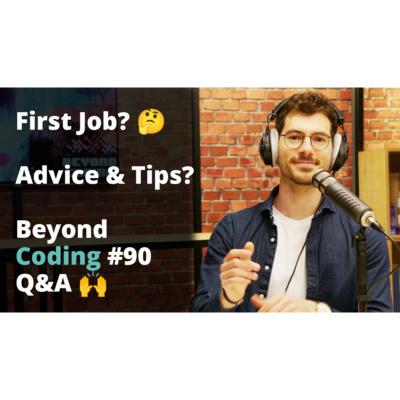
We're back with another Q&A episode! 🙌
Had a blast answering your questions 😁
Let me know if I should do more of these 💬
Xebia Essentials: Resource about Software Development Done Right (not for sale):
https://essentials.xebia.com/cards
Books & Resources by Pat Kua:
https://www.patkua.com/blog/book-recommendations-by-engineering-leaders
Full episode on YouTube ▶️
https://youtu.be/IqcFUeOJ3qE
New episodes every Wednesday with our host 🎙Patrick Akil!
Big shoutout to Xebia for making this episode possible!
OUTLINE:
00:00:00 - Getting ready
00:00:39 - What was your first software development job experience?
00:04:22 - Do you have any tips or advice for new engineers entering the field?
00:07:39 - Is a degree actually required, or are skills enough?
00:09:50 - Drink water advice
00:09:59 - How does a junior developer get their first job?
00:13:39 - What books / resources would you recommend to improve problem solving?
00:17:13 - What resources and practises did you use to improve your problem solving skills?
00:20:42 - What motivates you in your career?
00:24:14 - What is some of the best advice you’ve ever gotten on the podcast?
00:28:38 - What is your new year's resolution for the podcast?
00:30:49 - How do you stay motivated in doing the podcast?
00:32:21 - Do you think you will ever run out of topics for the podcast?
00:34:30 - What is your advice for those that are thinking of starting a podcast?
00:36:19 - Who is your main inspiration in life?
00:38:06 - Mic drop