

معلومات عن هذه الحلقة
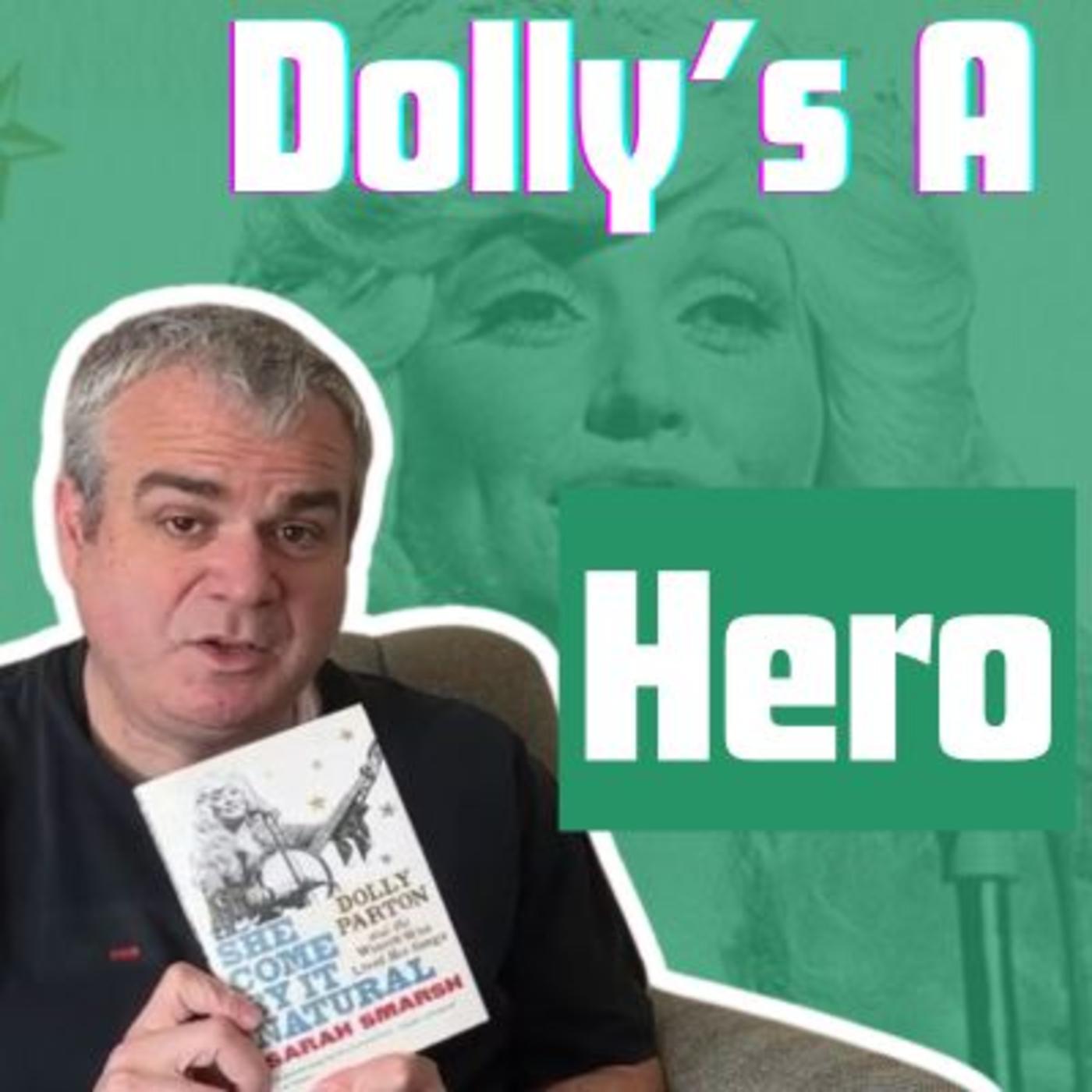
In this episode of the This Bits Brilliant book podcast, Simon Elliott and Paul Ging delve into the amazing, brilliant life of cultural icon Dolly Parton through Sarah Smarsh’s acclaimed book, She Come by It Natural: Dolly Parton and the Women Who Lived Her Songs. The Voice of Working-Class Women
The core of the discussion centers on why Dolly Parton remains a hero, particularly to women who grew up in "working poverty." Smarsh’s book explores how Dolly’s music reflects the lived experiences of women like the author's own mother and grandmother—women who navigated tough lives, multiple divorces, and financial hardship without ever "taking any rubbish from anyone." Although Dolly rarely uses the term "feminist," the hosts discuss how she is a hero to "working-class feminists" for living entirely on her own terms.
Simon highlights the extreme poverty of Dolly’s upbringing in a one-room shack in Arkansas as the fourth of twelve children. Key insights include:
Humble Origins: Her father famously paid the doctor who delivered her with a bag of grain.
Musical Beginnings: Dolly’s first guitar was a homemade instrument fashioned from an old mandolin and two found strings.
The "Coat of Many Colors": The discussion covers the true story behind one of her most famous songs—a coat made of rags by her mother that became a symbol of gratitude rather than shame.
The episode explores how Dolly has been frequently underestimated and judged by men and middle-class feminists for her "town trollop" inspired look. Simon and Paul discuss her sharp business mind, including:
Ownership: Her refusal to give Elvis Presley 50% of the publishing rights to "I Will Always Love You," a decision that showcased her early independence.
Autonomy: Her departure from Porter Wagner's act to "spread her wings," which inspired the lyrics of "I Will Always Love You."
The Look: Her famous retort—"It takes a lot of money to look this cheap"—and her openness about using plastic surgery to maintain the image of "Dolly Parton."
Beyond the music, the hosts praise Dolly's extensive charitable efforts:
Literacy: Her foundation has given away millions of books to children to help them learn to read.
Crisis Relief: Following wildfires in Tennessee, her foundation provided $1,000 a month to 900 families, purposefully reaching out to immigrant communities to provide aid without records or barriers.
Whether you are a die-hard country music fan or simply respect a "brilliant" business mind, this episode illustrates why Dolly Parton is an "entirely admirable human being" whose songs and life story continue to ring true for millions.
The Voice of Working-Class WomenFrom "Properly Dirt Poor" to Global IconBusiness Savvy and Reclaiming Her ImagePhilanthropy and HumanityConclusion