WEBVTT
00:00:01.679 -->
00:00:03.919This is the MTPConnect podcast.
00:00:03.919 -->
00:00:14.480Connecting you with the people behind the life-saving innovations driving Australia's growing life science effects from base to bed side to fit health and well-being.
00:00:14.480 -->
00:00:29.600MTP Connect technology is the traditional island of country that this podcast is recorded on and recognizes the Aboriginal and people of Australia's first storytellers and the holders of third science knowledge.
00:00:33.359 -->
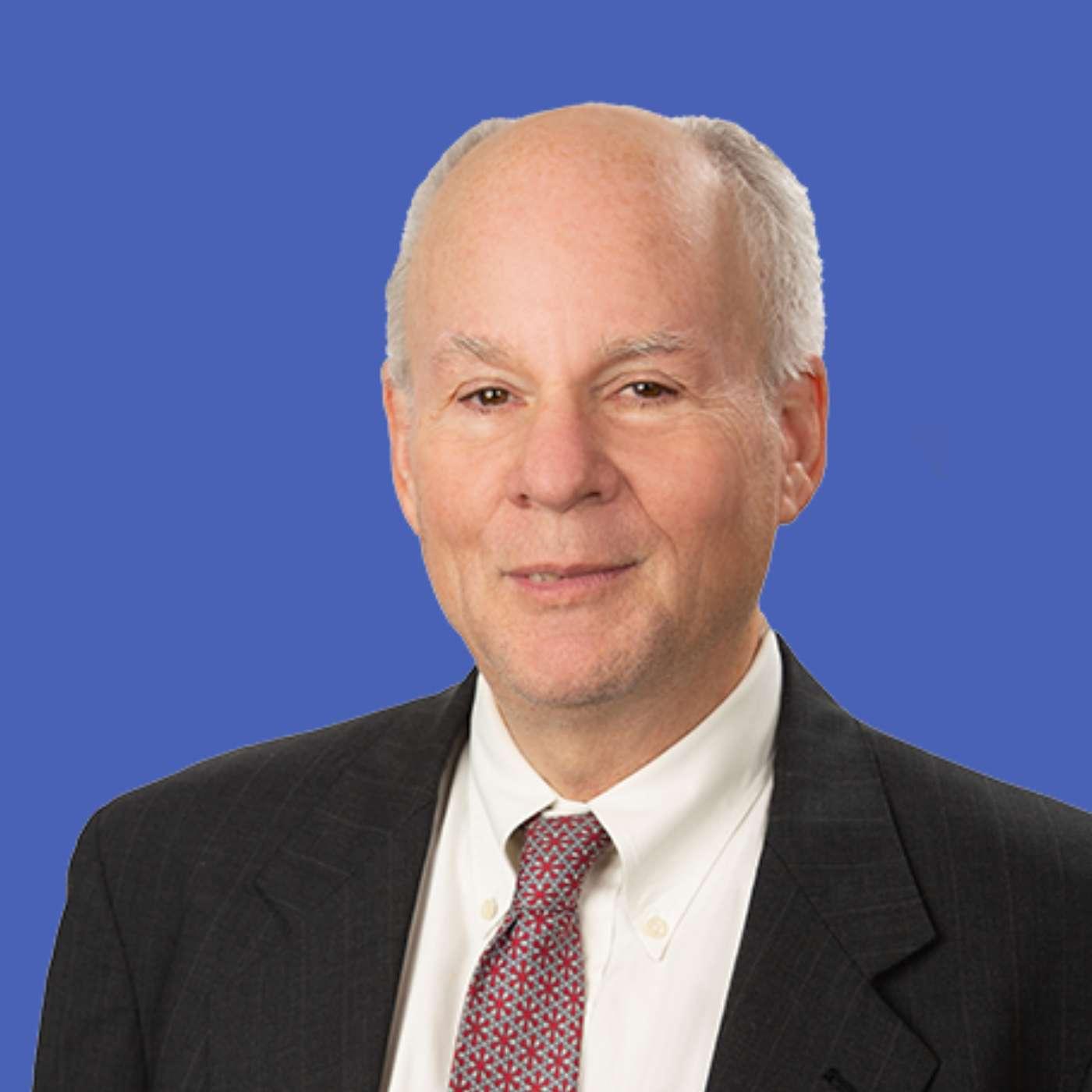
00:00:40.799Jeff Gibbs is a director at Hyman Felt and McMahon, the latest law firm specializing in FDA issues based in Washington, DC.
00:00:40.799 -->
00:00:49.600With over 40 years' experience working with companies ranging from global manufacturers to startups, his expertise is highly regarded in the field.
00:00:49.600 -->
00:01:00.079MTP Connect has brought Jeff back to Australia again, this time for a three-city tour for our seminar and workshop navigating FDA Pathways for Medical Devices.
00:01:00.079 -->
00:01:11.920As an industry growth partner organization, MTP Connect has designed this seminar exclusively for medical science companies participating in the Australian Government's Industry Growth Program.
00:01:11.920 -->
00:01:13.280Welcome, Jeff.
00:01:13.280 -->
00:01:15.120It's great to have you back on the podcast.
00:01:15.519 -->
00:01:17.680It's a pleasure to be back roughly a year later.
00:01:17.680 -->
00:01:18.560It's just wonderful.
00:01:18.959 -->
00:01:30.719So it's great to see you back and talking to medical device startups around Australia about things they have to consider when engaging with the FDA.
00:01:30.719 -->
00:01:35.280What's sort of changed in terms of the FDA and the current government administration?
00:01:35.280 -->
00:01:37.760And what do Australian companies need to be aware of?
00:01:38.239 -->
00:01:39.840Obviously, there's been a lot of change.
00:01:39.840 -->
00:01:42.319There's no way of sugarcoating it.
00:01:42.319 -->
00:01:53.439During our seminars here both here and in Sydney, we talked about changes in FDA and FDA policy for medical devices.
00:01:53.439 -->
00:02:09.439When you look from the top of the government with the president to Secretary Kennedy to the new commissioner at FDA, and then you look at the organization tables for FDA, you see that it's a pretty much complete turnover.
00:02:09.439 -->
00:02:11.520And people matter a lot.
00:02:11.520 -->
00:02:17.039It's not just policy, it's not just not just laws and regulations, but it's what people want to do.
00:02:17.039 -->
00:02:22.960And this administration obviously has different priorities and different ways of doing things.
00:02:22.960 -->
00:02:24.560Almost everyone has gone.
00:02:24.560 -->
00:02:31.120If you look at the senior management within FDA and within the Center for Devices, there have been a lot of changes.
00:02:31.120 -->
00:02:33.599So the center director is the same.
00:02:33.599 -->
00:02:38.719She's the only center director, by the way, who has survived the new administration.
00:02:38.719 -->
00:02:45.680But below her, a lot of people have gone at the at the division level.
00:02:45.680 -->
00:02:50.319There's been turnover at the branch level, turnover at the reviewer level, turnover.
00:02:50.319 -->
00:02:56.639When you look at biostatisticians who are a key part of this, massive turnover, many fewer people.
00:02:56.639 -->
00:03:03.439The headcount is down, morale is down, staffing is down.
00:03:03.439 -->
00:03:14.080We're getting to a point where FDA will sometimes say that they simply cannot meet their deadline and they'll not be able to review something at all or in a timely manner.
00:03:14.080 -->
00:03:17.680It's not like COVID, but we're now seeing more of that.
00:03:18.080 -->
00:03:19.840So it's sort of it's causing delays.
00:03:19.840 -->
00:03:21.120This resourcing change.
00:03:21.520 -->
00:03:21.680Right.
00:03:21.680 -->
00:03:25.280And so companies should not go into this thinking these are the way we've interacted.
00:03:25.280 -->
00:03:29.599This is the way we've interacted with FDA before because things may well change.
00:03:29.599 -->
00:03:30.800Now, a lot is the same.
00:03:30.800 -->
00:03:34.879FDA is still reviewing 510Ks and de novos and PMAs.
00:03:34.879 -->
00:03:43.039Last week they granted a de novo for uh a test for um a product that treats pancreatic cancer.
00:03:43.039 -->
00:03:45.439And so they're they're doing innovative things.
00:03:45.439 -->
00:03:52.400But there's also changes in the way um FDA articulates policy and the policy itself.
00:03:52.400 -->
00:04:06.800Uh so for example, um this last year in 2025, they issued a warning letter to a company called Whoop, uh, having to do with a product that was used to uh measure blood pressure and some other basic parameters.
00:04:06.800 -->
00:04:12.159They, Whoop, thought that it was a general wellness product not subject to FDA regulation.
00:04:12.159 -->
00:04:23.680Um FDA sent them a long warning letter, and it surprised everybody, including the company, but all of industry was surprised because it seemed that FDA was setting out a new policy.
00:04:23.680 -->
00:04:30.639And then in January, FDA issued a new guidance document, which basically undid the warning letter.
00:04:30.639 -->
00:04:33.759Um and there are a couple things that are noteworthy about this.
00:04:33.759 -->
00:04:48.639One is that um FDA reversed the policy through the um reversed what they said in the warning letter, but they did it through issuing a guidance document with really no notice and without any chance to comment.
00:04:48.639 -->
00:05:05.360And FDA has a pol has a regulation which has to do with how they articulate policy and making sure that they're transparent and in um industry and industry meaning interested parties, not just manufacturers, but anyone with an interest has a chance to comment.
00:05:05.360 -->
00:05:06.800They didn't do that.
00:05:06.800 -->
00:05:11.839Um, they just um issued this, and it it seems like they issued it with no publicity.
00:05:11.839 -->
00:05:16.800So you have on multiple levels a very odd way of conducting business.
00:05:16.800 -->
00:05:23.839And then on the other hand, you have um the commissioner announcing uh what seems to be a new policy on real-world evidence.
00:05:23.839 -->
00:05:27.199And as far as we can tell, it's really not very new.
00:05:27.199 -->
00:05:28.399So they're touting this.
00:05:28.399 -->
00:05:31.120There was a town hall meeting this week.
00:05:31.120 -->
00:05:35.839I did not attend because I was in Australia, but the feedback I got was there's nothing new.
00:05:35.839 -->
00:05:38.879So FDA announces big new policy changes.
00:05:38.879 -->
00:05:47.279We're going to uh alter the way we review data to make it much easier for companies to get on the market, but it really does not represent a change.
00:05:47.279 -->
00:05:59.040And then we could go on and on, but let me just give you uh a final example not having to do with devices, um, it has to do with vaccines, a highly controversial area.
00:05:59.040 -->
00:06:06.879Last week, astonishingly, FDA told Moderna that they would not even review their flu um application.
00:06:06.879 -->
00:06:11.120It was a refused uh refusal to uh file.
00:06:11.120 -->
00:06:14.800Um and they just reversed themselves.
00:06:14.800 -->
00:06:24.319So you have in the span of one week this kind of whiplash where FDA says, we're not even gonna look at your application and then changing its mind.
00:06:24.319 -->
00:06:32.240Um, you know, it's it it makes it much less predictable, a much less predictable FDA.
00:06:32.240 -->
00:06:32.720Yeah.
00:06:32.720 -->
00:06:34.879So, you know, what does it mean for companies?
00:06:34.879 -->
00:06:43.920Well, it means you can't assume that the past is prologue and that things that have been done one way may well be done differently in the future.
00:06:43.920 -->
00:06:50.879Fortunately, with devices, there hasn't been anything as controversial uh at a broader political level as vaccines.
00:06:50.879 -->
00:06:54.160But you know, who knows what will come up?
00:06:54.160 -->
00:06:57.680And FDA can change its mind very, very rapidly.
00:06:58.079 -->
00:07:00.319So be prepared for a journey.
00:07:00.800 -->
00:07:01.519It is a journey.
00:07:01.519 -->
00:07:04.160And that means you have to track things carefully.
00:07:04.160 -->
00:07:15.759And that's one of the challenges now is um not making assumptions that what happened a year ago really gives that much of a guidepost, partly because so many people have changed.
00:07:15.759 -->
00:07:18.639Um digital health is a really big issue.
00:07:18.639 -->
00:07:27.040It it's an area with a lot of growth, and we've talked to companies here in Australia, we meaning my colleague Jennifer Newberger and I, um, uh about digital health.
00:07:27.040 -->
00:07:31.759Well, the digital health center at the set CDRH has been decimated.
00:07:31.759 -->
00:07:38.959Um and with the new policy that came out recently on digital products, they were not even consulted, apparently.
00:07:38.959 -->
00:07:43.040It was done without using the experts within the center.
00:07:43.040 -->
00:07:50.879So you do have a very different kind of FDA with people who may have expertise being cut out of the process.
00:07:51.279 -->
00:07:53.839Yeah, it sounds very unpredictable for business.
00:07:54.160 -->
00:07:55.279It is unpredictable.
00:07:55.279 -->
00:07:57.920And that's um a challenge for companies.
00:07:57.920 -->
00:07:59.839It doesn't mean that it you can't succeed.
00:07:59.839 -->
00:08:10.639I mean, here's a company with pancreatic cancer treatment that got through, and we've worked with companies that have navigated successfully, but it does mean the water is a little more turbulent than they have been.
00:08:11.279 -->
00:08:16.319And you you mentioned this sort of um changes around the digital health space.
00:08:16.319 -->
00:08:23.199This is a really fast-moving, emerging sector, I guess, it in medical devices.
00:08:23.199 -->
00:08:28.639What message does that send to people that are developing uh these type of technologies?
00:08:28.720 -->
00:08:31.199Aaron Powell Well, it's definitely important to FDA.
00:08:31.199 -->
00:08:33.039The commissioner has said that.
00:08:33.039 -->
00:08:44.399Um and you know it the the fact that they've changed the policy and the digital health center has been reduced in in size and role doesn't mean that digital health isn't important.
00:08:44.399 -->
00:08:51.120Um digital health is really interesting because it it does have some profound uh applications.
00:08:51.120 -->
00:09:04.799It's a little tricky because you have some digital health, which is not a device, you have digital health, which is general wellness, you have general digital health, which may be a device, but FDA is not going to regulate, and then you have digital health, which FDA will regulate.
00:09:04.799 -->
00:09:16.000And so um companies have to assess where they are on the spectrum and um decide how they're going to handle their their application.
00:09:16.000 -->
00:09:18.720Often it relies it relates to intended use.
00:09:18.720 -->
00:09:23.840Um, during the seminars, we talked about how important intended use and indications for use are.
00:09:23.840 -->
00:09:30.559And so a digital health product may or may not be a device depending on exactly what claims a company makes.
00:09:30.559 -->
00:09:34.799If it is a device, one of the big issues is going to be cybersecurity.
00:09:34.799 -->
00:09:49.039So any company that's thinking about a digital health product that's subject to FDA regulation really needs to think about their cybersecurity approach as well, because FDA is becoming much more rigorous in its expectations for cybersecurity.
00:09:49.440 -->
00:09:51.200Well, that's a good piece of advice there.
00:09:51.200 -->
00:09:54.639You talk about this sort of changing landscape, things changing all the time.
00:09:54.639 -->
00:10:02.480Obviously, your legal firm is following all of the different FDA announcements and moves.
00:10:02.480 -->
00:10:11.600Is this one of the advantages of engaging a specialist regulatory advisor if you are considering taking your product to the U.S.?
00:10:12.159 -->
00:10:13.039Yeah, it is.
00:10:13.039 -->
00:10:30.559Um whether it's our firm or another firm or regulatory consultant, it's really important to have someone or some organization that is following this closely because you can't assume that what happened before is going to satisfy FDA now.
00:10:30.559 -->
00:10:31.840And it could go either way.
00:10:31.840 -->
00:10:36.879It could be that you're thinking you have to do something more than you need to.
00:10:36.879 -->
00:10:47.279For example, FDA has downclassified some products and said that they're no longer class three, which is the highest, most highly regulated product, and they're down to class two.
00:10:47.279 -->
00:10:58.000Uh so it can be um that FDA is uh has changed its policies and things that used to require more work or may have been FDA regulated are not.
00:10:58.000 -->
00:11:03.440So you could be pleasantly surprised, but you don't want to um get be blindsided.
00:11:03.440 -->
00:11:03.759Yeah.
00:11:03.759 -->
00:11:16.879And having um a law firm or consulting firm that works closely with companies all the time provides a big advantage because some of the things that happen, some of the changes are not what you can research.
00:11:16.879 -->
00:11:24.960You can't go on the website, look at FDA's uh policies or 510K summaries or de novos and find out.
00:11:24.960 -->
00:11:33.120Um it's it's things that you learn because someone has had an experience with the FDA and they can tell you what happened with the other company.
00:11:33.120 -->
00:11:38.799Um, not breaking confidentiality, but they'll have more insights than you could possibly get on your own.
00:11:39.120 -->
00:11:46.240Yeah, and obviously that's a time-saving thing as well, because you don't want to be, you know, going down one path and then having to backtrack.
00:11:46.240 -->
00:11:49.120And so obviously there's a benefit in that.
00:11:49.519 -->
00:11:50.960There is, it's a huge benefit.
00:11:50.960 -->
00:12:10.240You know, again, client confidentiality has to confidentiality has to be protected, but even knowing things about reviewers to say, you know, this reviewer has these kinds of expect expectations, or here's the person you should go to at FDA when you have this problem, um, they're uh Ombudsmen, two ombudsmen at the Center for Devices.
00:12:10.240 -->
00:12:12.320And most companies don't know about them.
00:12:12.320 -->
00:12:15.120Well, they can be very helpful in certain situations.
00:12:15.120 -->
00:12:21.440And I was talking with someone in Sydney um about a delicate situation with with FDA.
00:12:21.440 -->
00:12:30.480And it may be that in that case, the Ombudsman um offsman's office might be the place to go to try to figure out how to navigate it.
00:12:30.480 -->
00:12:32.960There are little little things that could be very helpful.
00:12:32.960 -->
00:12:39.120And it may be just one phone call will provide the key piece of information to unlock the the door.
00:12:39.600 -->
00:12:49.279Perhaps from your work in the US at the moment with medical device companies, what are some of the hot topics on the table right now around regulatory approvals?
00:12:49.840 -->
00:12:51.679Cybersecurity is definitely one.
00:12:51.679 -->
00:13:02.080Another is the changing policies, you know, with with um general wellness and clinical decision support software, because there are two new FDA guidance documents on that.
00:13:02.080 -->
00:13:08.480Another um would be um biostatistics.
00:13:08.480 -->
00:13:15.279And this is a recurring topic, you know, it may not be a hot topic, but it's a recurring topic and it's a big one.
00:13:15.279 -->
00:13:22.960And I think a lot of companies underestimate the importance of having statistical input when they're designing their clinical study.
00:13:22.960 -->
00:13:28.879There are statistics and then there are biostatistics, and so people might think that they have a really good statistician.
00:13:28.879 -->
00:13:34.879But if you don't have a biostatistician who's dealt with FDA, then you may not be getting the right kind of advice.
00:13:34.879 -->
00:13:41.200And you think about the investment of a clinical study and how much time and money goes into it.
00:13:41.200 -->
00:13:52.960Without the right biostatistics input, you may design your study the wrong way or may not have the correct um classification uh or uh statistical methodology.
00:13:52.960 -->
00:13:55.600So it's really important to get that kind of feedback.
00:13:55.600 -->
00:14:02.000FDA has lost a lot of biostatisticians, which makes it may make it harder to get input from FDA.
00:14:02.000 -->
00:14:08.960It's something that companies really need to think about a lot when they're doing their studies.
00:14:08.960 -->
00:14:13.759Um the whole pre-submission process um is a hot topic.
00:14:13.759 -->
00:14:18.159So far, FDA has continued to review pre-submissions.
00:14:18.159 -->
00:14:26.240Whether that will continue if there are more funding cuts um or people leave, um, you know, that that's a real question.
00:14:26.240 -->
00:14:29.279The pre-submission process, it's compulsory?
00:14:29.279 -->
00:14:30.080It's optional.
00:14:30.080 -->
00:14:47.120There'll be some products which are so cut and dry um there that although FDA has changed, there are there are guidance documents from FDA, and you can see that there were recent 510Ks for a type of product that you don't really need to do a pre-submission because you don't have any new questions.
00:14:47.120 -->
00:14:52.399Um but there are lots of times when there's ambiguity.
00:14:52.399 -->
00:15:00.000Sometimes companies don't realize that there's ambiguity and they should be doing a pre-submission and they don't know that they ought they ought to.
00:15:00.080 -->
00:15:02.559Um the pre-submission sort of helps clarify.
00:15:03.039 -->
00:15:03.360It does.
00:15:03.360 -->
00:15:06.240Because what it does is allow you to ask FDA questions.
00:15:06.240 -->
00:15:11.759And that FDA feedback is not legally binding, but it is very, very insightful.
00:15:11.759 -->
00:15:21.759Um and while it's not legally binding, um, I would say that if FDA has problems with and issues, that those problems and issues are not going to go away.
00:15:21.759 -->
00:15:30.879Um if FDA uh doesn't have objections, it's it's very helpful to know that they can change their mind, but typically they don't.
00:15:30.879 -->
00:15:42.720Um but it it's it's much more informative on the negative side because if FDA says we don't agree with X or Y, then FDA is very unlikely to change its mind later on.
00:15:42.720 -->
00:15:46.879And you're right about the pre-submission being the focus of this year's seminars.
00:15:46.879 -->
00:15:54.960What I learned last year from the four presentations was what most companies want to talk about was pre-submissions.
00:15:54.960 -->
00:16:01.919Um some were already engaged with FDA on pre-submissions, um, some were going to, some want to know whether they should.
00:16:01.919 -->
00:16:14.240So this year, what we did um was shorten the lectures and then have a workshop on pre-submissions, and which I I think has gone very well both in Sydney and Melbourne.
00:16:14.240 -->
00:16:16.399The participants seem to love it.
00:16:16.720 -->
00:16:19.919You took people through, I guess it's like a real life case study.
00:16:20.240 -->
00:16:29.600Not only was it like a real life case study, but um one of the companies we talked to had a product that was so similar to what we had made up that it was at your age.
00:16:30.240 -->
00:16:36.639So I guess the pre-submission process is a way of beginning your uh relationship with the FDA.
00:16:36.639 -->
00:16:41.360So what's some of the advice that you would give companies about starting that process?
00:16:41.759 -->
00:16:44.720Um, I mean, there are other ways you could interact with FDA first.
00:16:44.720 -->
00:16:54.399There's the breakthrough device designation, but reaching the conclusion that most most often it's better to begin with the pre-submission and then do the breakthrough device designation request.
00:16:54.399 -->
00:17:01.679Um you want it if your first introduction, you want to talk about your device in a way that's not going to create problems later on.
00:17:01.679 -->
00:17:05.440Say, you know, one of the maximums is do no harm.
00:17:05.440 -->
00:17:08.559Um FDA is going to remember what you say.
00:17:08.559 -->
00:17:16.240So you if you say something that turns out to be wrong or inconsistent with what you do later on, that will create issues.
00:17:16.240 -->
00:17:19.440You want to think about the questions that you're going to pose.
00:17:19.440 -->
00:17:30.960And so the purpose of the pre-submission is to provide the background information necessary for FDA to answer your questions, which could be something like here's a proposed intended use.
00:17:30.960 -->
00:17:32.480Does FDA concur?
00:17:32.480 -->
00:17:35.359Um, here's our proposed clinical protocol.
00:17:35.359 -->
00:17:37.519Does FDA concur with that?
00:17:37.519 -->
00:17:50.400If you're if you're doing uh questions about clinical protocol, then don't provide information on your biocompatibility testing or all sorts of other things that are really unrelated to the questions at this time.
00:17:50.400 -->
00:17:57.440Um you want to keep in mind um that FDA has a limited tolerance for the number of questions.
00:17:57.440 -->
00:17:59.359It seems to vary by division.
00:17:59.359 -->
00:18:03.680So some divisions might take three or four questions, some might take more.
00:18:03.680 -->
00:18:11.359Given the constraints on resources, we've had some responses back saying too many questions, we don't have the time.
00:18:11.359 -->
00:18:15.599Uh please consolidate your questions or ask fewer questions.
00:18:15.599 -->
00:18:23.920It's I think really important to have somebody outside the company look at your pre-submission because you know your product well, perhaps too well.
00:18:23.920 -->
00:18:26.559There's so easy to have insular thinking.
00:18:26.559 -->
00:18:26.799Yeah.
00:18:26.799 -->
00:18:28.960And how will FDA perceive it?
00:18:28.960 -->
00:18:50.000And that's where that kind of um third-party review, you know, whether it's a law firm, a consultant, uh an expert biostatistician, um, a clinical medical officer, is so important to try to see what the problems might be and give you that feedback.
00:18:50.000 -->
00:18:53.119And then take that feedback to heart.
00:18:53.119 -->
00:19:04.240Um, there are too many times where companies just don't believe what the naysayer says or they think it's clear, but we we say it's not, and then FDA often has the same comment that we did.
00:19:04.240 -->
00:19:04.559Yeah.
00:19:04.559 -->
00:19:08.640So if you're getting that third-party review um can be important.
00:19:08.640 -->
00:19:11.200Don't make the pre-sub too long.
00:19:11.200 -->
00:19:11.599Yep.
00:19:11.599 -->
00:19:15.920Um, provide enough information so that FDA can provide meaningful feedback.
00:19:15.920 -->
00:19:25.920If you were to do a one-page summary of a clinical protocol, FDA is not going to be able to provide comments on that in any kind of meaningful way because it's too short.
00:19:25.920 -->
00:19:35.440Um, and when you have your pre-submission meeting with FDA and you prepare minutes, and it's the company that prepares the draft minutes, you don't have to include everything.
00:19:35.440 -->
00:19:41.599It's not a narrative, um, it's not a uh transcript, it's the key points.
00:19:41.599 -->
00:19:52.480Um if FDA um disagrees with what you say in at the at in your pre-submission, really, really listen carefully.
00:19:52.480 -->
00:19:57.599Um FDA is not going to ever back off, or almost will never back off those comments.
00:19:57.599 -->
00:20:00.319So you really have to take it to heart.
00:20:00.319 -->
00:20:02.720Uh it's a process, it's not a single event.
00:20:02.720 -->
00:20:05.599And you can do multiple pre-submissions, so you can stage it.
00:20:05.599 -->
00:20:08.000Think about what you want to ask first, second, and third.
00:20:08.000 -->
00:20:08.799Right.
00:20:09.039 -->
00:20:12.000And when would you get to that pre-submission process?
00:20:12.000 -->
00:20:19.680Is it when you're about to start your clinical trials, or is there a particular part in the development phase of the other?
00:20:19.839 -->
00:20:20.559Another great question.
00:20:20.559 -->
00:20:23.920It really depends on on the product and where you are.
00:20:23.920 -->
00:20:33.680There's some um products where you might have a pretty good idea of what you want to do, and the key question is going to be intended use indications for use.
00:20:33.680 -->
00:20:42.799And so you may want to ask about that because the FDA feedback on that subject could have a huge impact on the way you do your clinical study.
00:20:42.799 -->
00:20:47.759But intended use indications for use have to match up with your clinical data.
00:20:47.759 -->
00:20:58.000So um if there's a fundamental disagreement about what you can claim, then you're you're not gonna be able to do your study very effectively.
00:20:58.000 -->
00:20:59.759So that you may have to ask that.
00:20:59.759 -->
00:21:06.000It may be that um in designing the study, in designing your product, you have big questions about biocompatibility.
00:21:06.000 -->
00:21:19.519And before doing clinical studies, you want to get FDA's feedback on biocompatibility or um uh electrical safety or other aspects because you can't do the clinical study until you've done those tests.
00:21:19.519 -->
00:21:21.599So those could be the gatekeeping items.
00:21:21.599 -->
00:21:23.200It really does depend.
00:21:23.200 -->
00:21:32.240Um, some companies could actually ask very early on because um it's much more of a high-level intended use kind of question.
00:21:32.240 -->
00:21:36.960Other companies really are going to be waiting until they've developed a clinical protocol.
00:21:36.960 -->
00:21:38.640So it's much later in the process.
00:21:38.640 -->
00:21:47.119And then, as I said, it could be multiple pre-submissions to reflect the different stages of the development of the product and regulatory thinking.
00:21:47.599 -->
00:21:48.640Great advice.
00:21:48.640 -->
00:21:54.160So, Jeff, you did mention the general wellness devices products.
00:21:54.160 -->
00:21:59.759Are we talking about like Apple Watch monitors or um that type of thing?
00:21:59.759 -->
00:22:02.400Or are we talking about sort of apps on the phone?
00:22:02.799 -->
00:22:02.880No.
00:22:02.880 -->
00:22:07.839These products can be non-devices because of the claims, or they can be devices.
00:22:07.839 -->
00:22:15.759It could be a general wellness product that FDA believes a device, but it's chosen to exercise enforcement discretion.
00:22:15.759 -->
00:22:27.119So you it can be maybe maybe FDA doesn't call it a general wellness device because that's almost an oxymoron, but that's the idea is that it's something that's really intended to be general wellness.
00:22:27.119 -->
00:22:29.680General wellness is low risk.
00:22:29.680 -->
00:22:33.759FDA is simply not going to devote resources to it.
00:22:33.759 -->
00:22:40.400Yes, it could be an app, it could be a watch, it could be something on a laptop.
00:22:40.400 -->
00:22:46.000You could be looking at a screen and it could be something that may be relaxing you.
00:22:46.000 -->
00:22:50.160It could be something that relates to anxiety.
00:22:50.160 -->
00:22:58.160And just think about something in the psychological realm, how depending on what claims you make, it could be regulated very differently.
00:22:58.160 -->
00:23:01.200You know, you could have something that's meditative and relaxing.
00:23:01.200 -->
00:23:02.559Well, that's not regulating.
00:23:02.559 -->
00:23:04.079That's not regulated as a device.
00:23:04.079 -->
00:23:12.880You say it reduces stress levels, you know, that's getting closer to it that's having something closer.
00:23:12.880 -->
00:23:19.680Um and you could have at the other end um treats general anxiety disorder or or major depressive disorder.
00:23:19.680 -->
00:23:21.839Well, that's that's a medical device.
00:23:21.839 -->
00:23:22.319Right.
00:23:22.319 -->
00:23:28.079Um but it could be that that there are lots of different ways of framing those kinds of claims.
00:23:28.079 -->
00:23:34.319So this is an area where it's exploding, um, and companies have all sorts of technologies.
00:23:34.319 -->
00:23:43.039I suppose visual reality glasses could be um another example of a technology which would be used for general wellness.
00:23:43.039 -->
00:23:49.920The technological part is, in a way, much less important to FDA than the intended use indications for use.
00:23:49.920 -->
00:24:00.880You know, what how you administer it or how you deliver it is not really going to govern the FDA regulatory status as much as what claims you make.
00:24:00.880 -->
00:24:04.720Um in the definition of device, there are there are two different ways you get to become a device.
00:24:04.720 -->
00:24:15.279One is intended use to treat a disease or um uh illness or other things, um, or to affect the structure or function of the body.
00:24:15.279 -->
00:24:32.319And it's really the first definition that is going to come up most of the time because it it relates not to something clearly physiological like a defibrillator or a stent, but has to do with what claims you're making and whether that would fall in the first prong of the device definition.
00:24:32.720 -->
00:24:33.039Right.
00:24:33.039 -->
00:24:37.599Which is why this is such an important part of what you're talking with Australian companies about.
00:24:37.599 -->
00:24:38.000Right.
00:24:38.079 -->
00:24:39.519And you know, the definition itself.
00:24:39.519 -->
00:24:42.720You look at and say, what does treat, cure, mitigate, yeah, disease mean?
00:24:42.720 -->
00:24:43.279Yeah.
00:24:43.279 -->
00:24:47.920Um it's yeah, those words themselves are subject to interpretation.
00:24:47.920 -->
00:24:49.920And and there is some case law on this.
00:24:49.920 -->
00:24:56.079There have been court cases on these on these kinds of topics, which you know we help inform how we think about it.
00:24:56.079 -->
00:25:01.039But there's also a lot of policy and a lot of statements by FDA officials and a lot of precedents.
00:25:01.039 -->
00:25:11.519It's it's helpful to look at um what FDA has reviewed and um allowed on the market because that tells you something about what claims they had.
00:25:11.519 -->
00:25:19.279And if your product has the same kinds of claims, then you're much more likely to be viewed by FDA as something that would be regulated as a device.
00:25:19.279 -->
00:25:31.759And those kinds of um documents, the summaries that are available for de novos and 510Ks and PMAs, also give some insight into what kind of data FDA expects for your submission.
00:25:31.759 -->
00:25:38.720So it's useful both as to um if we go down this path, this is the kind of information FDA expects.
00:25:38.720 -->
00:25:42.240And if we go down this path, we're probably gonna be viewed as a device.
00:25:42.240 -->
00:25:48.880So do we want to make these claims or are we going to step back and retrench and have something that's more general wellness?
00:25:49.359 -->
00:25:59.279So thinking about that, you've got an Australian company that's ready to start its clinical trials, a medical device project.
00:25:59.279 -->
00:26:02.480How important is it to have some US data?
00:26:03.039 -->
00:26:04.160Generally, it's gonna be important.
00:26:04.160 -->
00:26:14.559There are been there have been times historically when FDA has allowed devices on the market entirely on um data from outside the US or OUS data.
00:26:14.559 -->
00:26:25.599Um but there's uh um a preference for US data, and the presumption would be that there would be US data for two reasons.
00:26:25.599 -->
00:26:28.720One has to do with representativeness of the data.
00:26:28.720 -->
00:26:38.240I will not use the word diversity anymore because um that's a word that is not used by FDA, but the concept of representativeness is is still there.
00:26:38.240 -->
00:26:39.599Um so that's one issue.
00:26:39.599 -->
00:26:42.799And the other has to do with um clinical practice.
00:26:42.799 -->
00:26:52.240If if a product is being used one way in Australia, but it does not reflect the way US surgeons would use the product, you have an issue as well.
00:26:52.240 -->
00:26:59.200Um it's a good thing to ask FDA about the um use of Australian data.
00:26:59.200 -->
00:27:06.319That's in a presubmission, that could be a great question saying um we believe that it's appropriate to use Australian data.
00:27:06.319 -->
00:27:11.759Um, here's why, um, and and see if FDA agrees.
00:27:11.759 -->
00:27:22.400But it's I think um very important to find out whether FDA will agree because you do not want to get to the end of the study and then have FDA say it's not representative.
00:27:22.880 -->
00:27:25.759So that gives people a good sense of how to approach that.
00:27:25.759 -->
00:27:33.279Another topic that you've discussed during this roadshow is there's a difference between regulatory science and science.
00:27:33.279 -->
00:27:34.720Can you expand on that?
00:27:34.799 -->
00:27:40.000Aaron Powell Someone told me that years ago, from someone from FDA, and I thought that was a really useful insight.
00:27:40.000 -->
00:27:50.880That that scientists are um you used to a world in which they approach things with the scientific methodology, which is not bounded by law.
00:27:50.880 -->
00:27:54.480It's it's bounded in principles of good science.
00:27:54.480 -->
00:27:58.559They don't have to worry about acts of Congress or regulations or policies.
00:27:58.559 -->
00:27:59.839FDA does.
00:27:59.839 -->
00:28:13.599So the science that companies do is not pure science, it's science in a in a different realm uh designed to meet standards that are uh created by Congress and by FDA.
00:28:13.599 -->
00:28:29.119And so think about if you are a clinician and you were doing research and you published your study results, you you would say, here's the percentage of patients who benefited, here's the effectiveness, here's the safety data.
00:28:29.119 -->
00:28:36.559You're not going to worry about whether that shows substantial equivalence to another device, or do the benefits outweigh the risk?
00:28:36.559 -->
00:28:43.599Um that but once you talk about FDA, you're now saying substantial equivalence, or benefits outweigh the risk, the risk.
00:28:43.599 -->
00:28:46.480And that's a different way of framing it.
00:28:46.480 -->
00:28:55.759If you're doing something with diagnostics, you know, you would say here's the sensitivity, here's the specificity, and you know that the data speak for itself.
00:28:55.759 -->
00:29:00.480With FDA, you now have to package it into a regulatory framework.
00:29:00.480 -->
00:29:04.240Um FDA is a guidance document on benefits and risks.
00:29:04.240 -->
00:29:07.599Scientists are not looking at that kind of diet, it's a guidance document.
00:29:07.599 -->
00:29:08.319Yeah, yeah.
00:29:08.319 -->
00:29:14.079And so you're also not worried about precedents on how FDA's handled it for another company.
00:29:14.079 -->
00:29:21.680If I'm if I'm a scientist, I'm going to do what I think is good science and what clin other clinicians think is good clinical practice.
00:29:21.680 -->
00:29:30.160They're not going to see that last year there was a de novo that was uh authorized by FDA, and that's how FDA expects things to do it.
00:29:30.160 -->
00:29:48.160People may um think that it science is science, but science is in the regulatory world is is constrained by laws, not natural laws, not the laws of physics or physiology, but the laws of Congress, the regulations of FDA, the policies of CDRH staff.
00:29:48.799 -->
00:29:52.640So that's a really important aspect, I think, that people may not have considered.
00:29:52.640 -->
00:29:55.039Thank you, Jeff, for dissecting that for us.
00:29:55.359 -->
00:29:56.000Yeah, you're welcome.
00:29:56.000 -->
00:30:04.160It's a conceptual challenge because it seems like science should be science, a good science should be good science, but that's not the case.
00:30:04.160 -->
00:30:09.839And I'm not suggesting in any way that you that um the scientific merits are irrelevant.
00:30:09.839 -->
00:30:16.240You know, good science is very helpful, but the good science ultimately has to be presented into an FDA framework.
00:30:16.240 -->
00:30:20.000If you do bad science, then the chances of getting through are are nil.
00:30:20.000 -->
00:30:23.279Uh and if you have really good solid science, that's a huge plus.
00:30:23.279 -->
00:30:31.680So you know you want to take into consideration, obviously, scientific principles, but they're going to be informed by regulatory um concepts as well.
00:30:32.079 -->
00:30:32.799Yeah, and that's right.
00:30:32.799 -->
00:30:39.680This is about taking something through commercialization so that it's from the bench to the bedside, so to speak, and that's part of that journey.
00:30:39.759 -->
00:30:44.400Aaron Powell And one of the really interesting issues coming up with FDA, one of the hot topics.
00:30:44.400 -->
00:30:50.400I asked about that, is the whole idea of uh home access and getting products more to the consumer.
00:30:50.799 -->
00:30:53.759Direct to consumer, direct to consumer devices.
00:30:54.079 -->
00:31:01.039Right, either that or ones that are prescribed and then used at home as compared to in a clinic or some other medical setting.
00:31:01.039 -->
00:31:04.240And FDA has talked about that as a priority.
00:31:04.240 -->
00:31:11.920You know, the question is whether that's going to be achieved, but it's it's something that's really interesting to reflect on that during COVID, there were a lot of tests.
00:31:11.920 -->
00:31:14.799Diagnostics exactly at home.
00:31:14.799 -->
00:31:21.920So I thought that post-COVID there would be a lot more tests at home because there are real advantages to home collection, home testing.
00:31:21.920 -->
00:31:24.720It's been hard to get those through.
00:31:24.720 -->
00:31:35.279Uh and and home collection devices, or collecting devices for samples to get to a lab is a big topic with FDA these days.
00:31:35.279 -->
00:31:48.160And the challenges of getting collect new collection devices through to uh through FDA and really moving the medical practice more to home, which has many benefits to is something that is a big topic.
00:31:48.160 -->
00:31:52.400And analytically, conceptually, there's a there's a some really interesting issues here.
00:31:52.400 -->
00:32:01.519Think about how if you have something that can be used at home, it may not be quite as good as in a clinic, you know, less sensitive or less specific.
00:32:01.519 -->
00:32:07.920So you might have some more inaccuracies, but you get a lot more people tested and you find out a lot more disease.
00:32:07.920 -->
00:32:17.440And how do you do the trade-off between slightly poor accuracy versus picking up many more cases, which could have a huge public health impact?
00:32:17.440 -->
00:32:20.880And that's a very interesting question to think about.
00:32:20.880 -->
00:32:23.039And it's a hot topic.
00:32:23.039 -->
00:32:23.519Yeah.
00:32:23.519 -->
00:32:29.119And it's not just diagnostics, it's home therapeutics, uh, you know, trying to move those into the home setting.
00:32:29.519 -->
00:32:39.200This is an interesting trend that you've raised, and you know, companies that are looking to do that type of develop that type of product, um, we're obviously going to see more of that.
00:32:39.519 -->
00:32:39.920You will.
00:32:39.920 -->
00:32:55.920And uh one of the big changes in the law since last year was um when I was here, FDA had a rule uh that laboratory developed tests were considered medical devices, and that companies with LDTs were going to have to go through FDA.
00:32:55.920 -->
00:32:59.680We filed a lawsuit on behalf of an organization.
00:32:59.680 -->
00:33:03.119There was another lawsuit filed on behalf of another organization.
00:33:03.119 -->
00:33:19.200And after I spoke, the court struck down that FDA rule, which means that laboratory developed tests are not subject to FDA regulation, which means that there's a whole suite of additional tests that can be done by laboratories without having to go through FDA.
00:33:19.200 -->
00:33:19.680Right.
00:33:19.680 -->
00:33:27.839The issue that's coming up is whether FDA can regulate them, those tests in a backdoor way by trying to restrict collection devices.
00:33:28.000 -->
00:33:28.400Uh-huh.
00:33:28.559 -->
00:33:31.759And so that's another big topic that's coming up.
00:33:31.759 -->
00:33:42.720But because of the um success in the LDT litigation, that allows the possibility for a lot more diversity in in testing that would not be subject to FDA regulation.
00:33:42.720 -->
00:33:45.680A year from now, there'll be other changes.
00:33:45.680 -->
00:33:46.079Yeah.
00:33:46.079 -->
00:33:49.599It it's moving very quickly in all sorts of ways.
00:33:49.920 -->
00:34:00.480One of the other things you've been doing while you're here is consulting one-on-one with some of the startups that are developing medical devices here through their participation in the industry growth program.
00:34:00.480 -->
00:34:04.880Are you are you excited by the Australian innovations that you're seeing?
00:34:05.279 -->
00:34:06.000Absolutely.
00:34:06.000 -->
00:34:07.200It's so much fun.
00:34:07.200 -->
00:34:11.519I I love the innovation, I love the excitement and enthusiasm.
00:34:11.519 -->
00:34:19.039Uh everybody, um, we've done it here in Sydney and and here and in Melbourne and Sydney.
00:34:19.039 -->
00:34:20.320And you've got Brisbane to come.
00:34:20.320 -->
00:34:21.519And Brisbane to come.
00:34:21.519 -->
00:34:28.480And in Sydney, we're we're going to do five, and there's so much interest that we were able to expand it to 10 consultations.
00:34:28.480 -->
00:34:33.519Um, and uniformly they're they're exciting people, they have great ideas.
00:34:33.519 -->
00:34:40.639Uh I think that there may be some naivety, but that's true in the US just as well, just as as much.
00:34:40.639 -->
00:34:50.159Um, but it it's a lot of really clever ideas and and people who have important products or potentially important products.
00:34:50.159 -->
00:34:52.719And and we're very I was very excited to do it.
00:34:52.719 -->
00:34:54.800It was very stimulating to meet these people.
00:34:54.800 -->
00:35:04.400And it's fun from my perspective to get to have someone sit down and I don't know anything about their product, or I got a very brief summary, and then we start talking about it.
00:35:04.400 -->
00:35:07.840And within 25 minutes, you have a good idea of what's going on.
00:35:07.840 -->
00:35:16.320Um, I hope that everyone who went through those discussions got some benefit about how to you know further advance their regulatory strategy.
00:35:16.719 -->
00:35:17.039For sure.
00:35:17.039 -->
00:35:27.519I mean, we've had great feedback from everyone involved in the workshops, and it's been a brilliant addition to the program to have you being able to do those sorts of consultations.
00:35:27.679 -->
00:35:29.679So Yeah, I love it.
00:35:29.679 -->
00:35:31.280I think it's really, really fun.
00:35:31.280 -->
00:35:40.400Um, lecturing, I enjoy lecturing, but to be able to sit down with someone across the table with someone, hear their ideas and say, have you thought about this or have you thought about that?
00:35:40.400 -->
00:35:41.599Um is exciting.
00:35:41.599 -->
00:35:45.760And then it's all it's new, and the things that are new are what really thrill me.
00:35:45.760 -->
00:35:46.000Yeah.
00:35:46.000 -->
00:35:48.480And uh I've been doing this for a long time.
00:35:48.480 -->
00:36:01.039And the some of the things, some of the parts that I like best are just hearing new ideas and being able to help people with how to position their products or how to think about it, or have you considered this, or you know, maybe you want to rephrase that.
00:36:01.039 -->
00:36:04.320That's just a real kick for me, even after all these years.
00:36:04.719 -->
00:36:07.039Great to hear that that that still gives you a buzz.
00:36:07.039 -->
00:36:08.559And yeah, yeah.
00:36:08.559 -->
00:36:10.800And obviously that that is what innovation's about, right?
00:36:10.800 -->
00:36:16.559It's it's you know, creating something new, something different, something to change something.
00:36:16.559 -->
00:36:19.119Um, and it's an exciting space to be in.
00:36:19.519 -->
00:36:19.840It is.
00:36:19.840 -->
00:36:23.920And um, I I've joked over the years about being in the helping profession.
00:36:23.920 -->
00:36:25.760Um in the US, I don't know about Australia.
00:36:25.760 -->
00:36:31.599We talk about helping professional, we'd be teachers and social workers, um, not so much lawyers.
00:36:31.599 -->
00:36:35.360Um, my wife cringes when I say that, but I do feel like it.
00:36:35.360 -->
00:36:47.039If I can help a company come up with a better way to get on the market or avoid a miss misstep, or you know, in the case of LDTs, uh help champion the fight to allow this testing to continue.
00:36:47.039 -->
00:36:49.199I mean, that's that's really helping.
00:36:49.199 -->
00:36:58.400And I feel lucky as a lawyer to be able to do things that help medical device companies and thereby, at least indirectly, help patients and consumers.
00:36:58.800 -->
00:37:09.199Well, well, we really value your your wisdom and your excitement and approach um to the whole regulatory sort of challenges, I guess.
00:37:09.199 -->
00:37:18.480Just to finish up, Jeff, give us your top tip for success if if if you want to get your medical device approved for use in the US.
00:37:19.119 -->
00:37:40.000Well one top tip is uh I mean there are a lot of top tips, but one is you people fall in love with their product, and they really do need to have outside um folks take a look at it from an FDA perspective and and from um a skeptic's viewpoint to try to poke holes in it.
00:37:40.000 -->
00:37:50.719When we have companies prepare for meetings with FDA, we play the role of FDA and try to challenge them, um anticipating questions, anticipating problems.
00:37:50.719 -->
00:37:56.159Sometimes companies just can't do that, and that that that can be a fatal flaw.
00:37:56.159 -->
00:38:03.199So you do need to think about the the weak the potential weaknesses, not just fall in love with your product.
00:38:03.199 -->
00:38:12.719And the other is to have an integrated approach as you go through this, uh it's not just technology, but it's technology with a commercial application.
00:38:12.719 -->
00:38:22.480So keeping in mind this the science, the engineering, the regulatory, the legal, the um the marketing, and the reimbursement.
00:38:22.480 -->
00:38:26.639In in the United States, reimbursement, third-party payments can be a huge issue.
00:38:26.639 -->
00:38:38.800And you may get through FDA, but you may not be able to get anybody to buy the product because the way you set up your intended use, indications for use, or did your clinical study will not support reimbursement.
00:38:38.800 -->
00:38:45.519So for some companies, it's really important to have that reimbursement third-party um payment strategy.
00:38:45.519 -->
00:38:57.119Uh it's it's also very important to have commercial involved because you might have a claim that's gone through FDA, it's been successful, but it does not have the commercial appeal that you need.
00:38:57.119 -->
00:39:00.159It doesn't, it's not competitively viable.
00:39:00.159 -->
00:39:05.519Um, and we've had multiple companies where, from a regulatory standpoint, it was successful.
00:39:05.519 -->
00:39:13.920And we got the product on the market, but there wasn't much of a market for the product, at least not with the intended use and indications for use.
00:39:13.920 -->
00:39:17.599So you really do need this kind of integrated approach.
00:39:17.599 -->
00:39:27.840And I think that many companies, you know, at least um the smaller startup entrepreneurial companies, think of it as we've got this technology, and that's what our product is.
00:39:27.840 -->
00:39:29.119But that's that's not it.
00:39:29.119 -->
00:39:37.119It's not just technology, it's not just the product, it's a product that can be paid for and the doctors will use and the patients will accept, and that you can market.
00:39:37.119 -->
00:39:53.360Um, and the and the legal/slash regulatory work we do, I think, is really a core part of that because we're looking at it from what the claims can be, how you would market the product, what you might be able to say, are there off-label uses, what's your strategy down the road for expanding the claims?
00:39:53.360 -->
00:39:57.679You know, maybe you get on the market for one, but you want to change, you want to modify it.
00:39:57.679 -->
00:40:03.039Can you do that um readily as a jump with a jumping-off point of that first 5, 10K?
00:40:03.039 -->
00:40:12.480So there are a lot of different elements that go into this, and I think that a lot of companies don't really do a good job of integrating those at an early stage.
00:40:12.880 -->
00:40:14.320That is fantastic advice.
00:40:14.320 -->
00:40:18.880Well, it's been great to have you back on the MTP Connect podcast, sharing your wisdom.
00:40:18.880 -->
00:40:26.000And um, I know that your time out here will have been very valuable for many of the um startups in the medical device sector.
00:40:26.000 -->
00:40:31.840So thank you for sharing your many, many years of advice with us and with companies around Australia.
00:40:31.840 -->
00:40:32.719It's been fantastic.
00:40:33.199 -->
00:40:34.159It's been my pleasure.
00:40:34.159 -->
00:40:34.719Thank you.