

معلومات عن هذا البودكاست 🔗
The Data Skeptic Podcast features interviews and discussion of topics related to data science, statistics, machine learning, artificial intelligence and the like, all from the perspective of applying critical thinking and the scientific method to evaluate the veracity of claims and efficacy of approaches.
المضيفون:
تردد التحديث:
biweekly
متوسط طول الصوت:
31 minutes
مقابلات الضيوف
لديها رعاة
الإنجليزية
الولايات المتحدة
612 حلقة
منذ 23 مايو، 2014
episodic
في هذا البودكاست 🔗
AUDIENCE OF THIS PODCAST 🔗
~68.46% of listeners are from United States.
🇺🇸
US
68.46%
🇮🇪
IE
13.93%
🇬🇧
GB
3.10%
🇰🇪
KE
2.13%
🇱🇧
LB
0.85%
🇮🇳
IN
0.85%
🇫🇷
FR
0.85%
🇳🇿
NZ
0.74%
🇩🇪
DE
0.66%
🇸🇬
SG
0.61%
🇨🇦
CA
0.61%
🇪🇸
ES
0.53%
🇿🇦
ZA
0.45%
🇺🇦
UA
0.40%
🇦🇺
AU
0.37%
🇲🇦
MA
0.37%
🇳🇱
NL
0.34%
🇵🇰
PK
0.34%
🇧🇬
BG
0.32%
🇧🇷
BR
0.24%
🇭🇺
HU
0.24%
🇽🇰
XK
0.21%
🇭🇰
HK
0.18%
🇵🇭
PH
0.16%
🇨🇿
CZ
0.16%
🇲🇽
MX
0.16%
🇮🇱
IL
0.16%
🇯🇵
JP
0.16%
🇳🇴
NO
0.13%
🇦🇪
AE
0.10%
🇹🇷
TR
0.10%
🇳🇬
NG
0.10%
🇨🇱
CL
0.10%
🇵🇱
PL
0.10%
Others
1.79%
* Data source: directly measured on Listen Notes. الوقت الفعلي
أحدث حلقة 🔗

What if we could 3D print food with customized flavors and textures? Yamato Miyatake joins us to explore how digital food fabrication, human-computer interaction, and AI could transform the future of cooking and dining.
البحث في الحلقات الماضية
البحث في الحلقات السابقة من Data Skeptic.
الحلقات السابقة 🔗

The next evolution of wearable technology may not require new screens or controllers, but new ways to interact with the devices we already wear. Shimon explores how gesture-sensing earbuds could transform virtual reality and wearable computing through intuitive, user-centered interactions that make…

How do we design robots and autonomous vehicles that understand the unwritten rules of human behavior? Kyle speaks with Cornell Tech professor Wendy Ju about implicit interaction, "Wizard of Oz" prototyping, and what studying pedestrians, self-driving cars, and even robotic furniture can teach us a…
The data we collect about ourselves can tell us a lot—but only if the technology collecting it actually fits into our lives. Daniel Epstein explores personal informatics, from fitness trackers and food journals to baby tracking and AI, and explains why abandoning a tracking tool doesn't necessarily…
In the final episode of our Recommender Systems season, we explore the growing questions of trust, manipulation, privacy, fairness, sustainability, and user control. From fake reviews and shilling attacks to explainable recommendations and user-selected algorithms, we look at what happens when reco…
In part two of the Data Skeptic Recommender Systems season finale, Kyle asks a deceptively difficult question: what should recommender systems actually optimize for? Drawing on conversations from across the season, the episode explores engagement, filter bubbles, popularity bias, fairness, human cu…
Where did recommender systems come from, and how do we know when they're actually working? In part one of Data Skeptic's three-part Recommender Systems finale, Kyle traces the field from collaborative filtering and the Netflix Prize to matrix factorization and modern approaches, while exploring why…
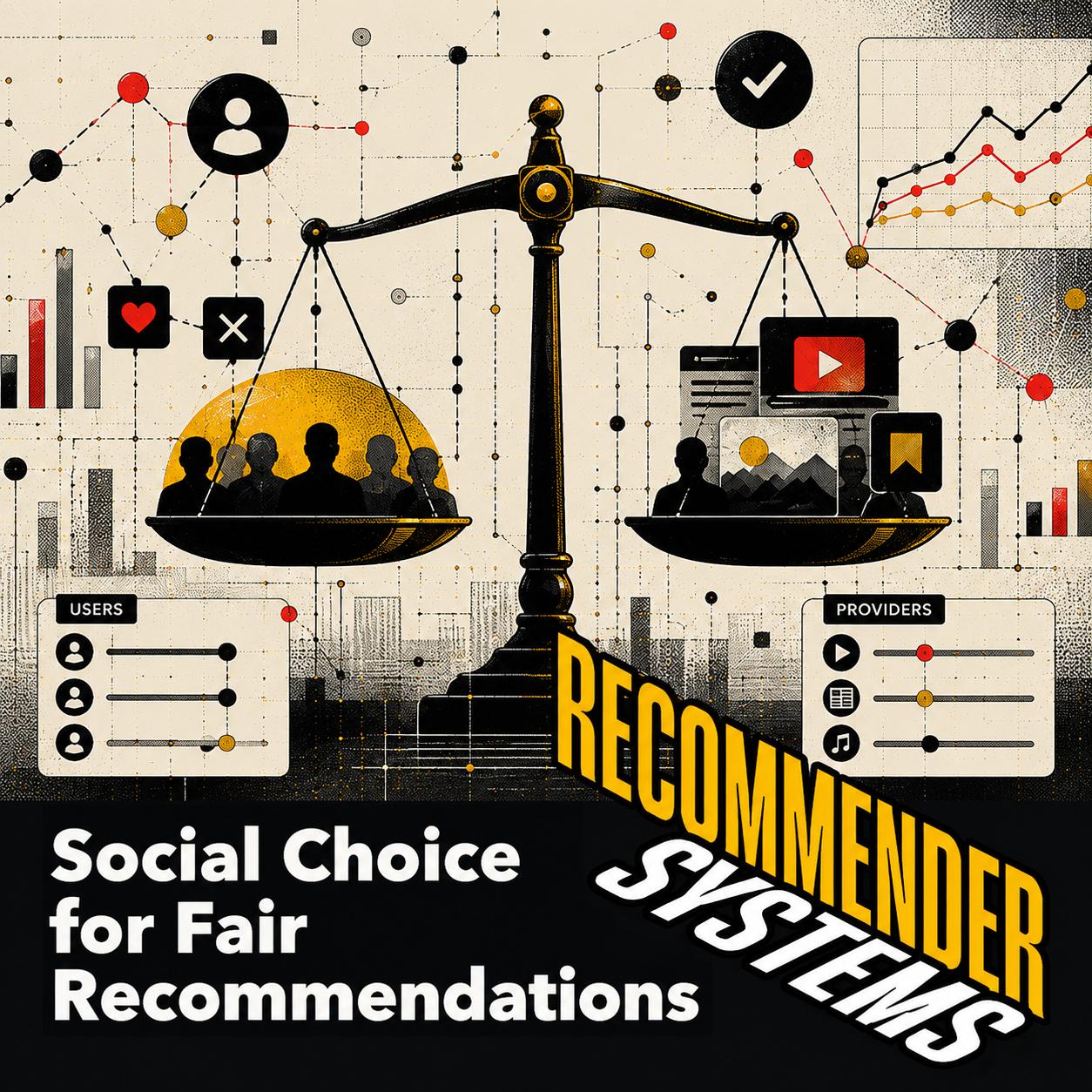
Recommender systems influence nearly every aspect of our digital lives—but what does it mean for those systems to be fair? Robin Burke joins Data Skeptic to discuss the history of recommender systems, the limitations of optimizing purely for accuracy, and how ideas from social choice theory can hel…
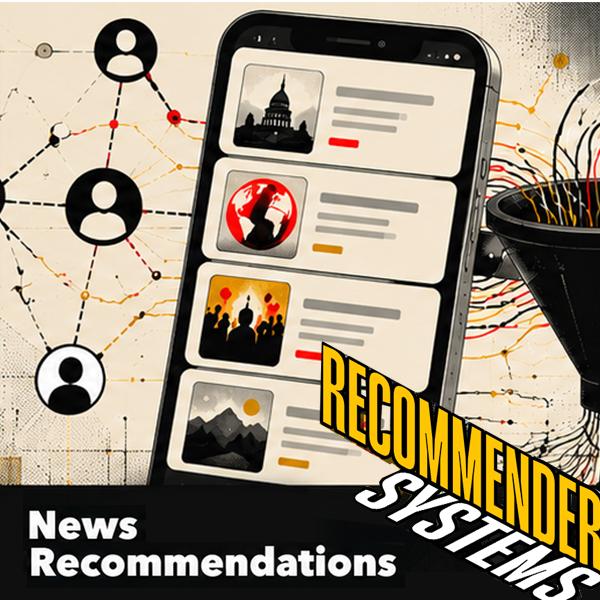
News recommendation algorithms influence far more than what stories we click—they can shape our understanding of the world. In this episode, Kyle Polich speaks with Andreea Iana about responsible AI, filter bubbles, multilingual news recommendation, and her open-source NewsRecLib framework for eval…

What if you could simply tell a recommendation system what you want instead of relying on likes, dislikes, and watch history? Kyle Polich talks with Fuyuan Lyu about the DPR framework, which combines large language models and traditional recommender systems to give users direct control over recomme…
إخلاء المسؤولية: البودكاست والأعمال الفنية المضمنة في هذه الصفحة مأخوذة من Kyle Polich، وهي مملوكة لمالكها وليست تابعة لشركة Listen Notes, Inc أو معتمدة منها.
محرك بحث البودكاست
يمكنك استخدام موقعنا الإلكتروني للبحث في ملفات podcast3,832,095وحلقات196,973,229حسب الأشخاص أو الأماكن أو المواضيع.

الاستثمار في المعرفة يحقق أفضل عائد، ولذلك أستمع إلى البودكاست.
‐ Benjamin "Llamacorn" Franklin
البحث في الحلقات الماضية
البحث في الحلقات السابقة من Data Skeptic.
تمت المطالبة بملف البودكاست
This podcast page is claimed and managed by
@kyle62
تعديل
شكراً على مساعدتنا في الحفاظ على قاعدة بيانات البودكاست مُحدَّثة.
