

معلومات عن هذه الحلقة
BUFFALO, NY- January 17, 2024 – A new #research paper was #published in Aging (listed by MEDLINE/PubMed as "Aging (Albany NY)" and "Aging-US" by Web of Science) Volume 16, Issue 1, entitled, “Aberrant RBMX expression is relevant for cancer prognosis and immunotherapy response.”
Cancer accounts for the highest rates of morbidity and mortality worldwide. RNA binding motif protein X-linked (RBMX) is a nuclear RNA-binding protein, associated with certain types of cancer by participating in the integration of sister chromatids and a combination of ribonucleoprotein complexes. However, the specific role of RBMX in cancer immunity remains unknown.
In this new study, researchers Yilei Sheng, Kunjian Lei, Chengpeng Sun, Jia Liu, Zewei Tu, Xingen Zhu, and Kai Huang from Nanchang University, The Second Affiliated Hospital of Nanchang University, Jiangxi Key Laboratory of Neurological Tumors and Cerebrovascular Diseases, JXHC Key Laboratory of Neurological Medicine, and Yale School of Medicine present the aberrant expression levels, single-cell distributions, effective prognostic roles, immune cell infiltration associations, and immunotherapy responses of RBMX as a biomarker in various types of cancer. Moreover, they validate the aberrant expression of RBMX in clinical cancer samples.
“[...] a pan-cancer analysis is necessary for the identification of novel biological targets and biomarkers involved in carcinogenesis, cancer progression, and immunotherapy response. Such knowledge would improve the precision of cancer therapy.”
The researchers also evaluated the relationships between RBMX expression and myeloid-derived suppressor cells in clinical samples by immunofluorescent staining. Results showed that knockdown of RBMX can impair the proliferation, migration, and invasion of liver cancer cells. Finally, the team indicated that RBMX may play an immunoregulatory role in cancer progression, affecting the therapeutic effects of immune checkpoint inhibitors in patients with cancer.
“In conclusion, we performed an integrated analysis of RBMX, revealing its effective role in predicting cancer prognosis and response to immunotherapy. Abnormal expression of RBMX is associated with immune regulation, prognosis, the tumor microenvironment, immune cell infiltration, MSI, and TMB. The results of this study indicated that RBMX may play an independent role in clinical diagnosis and prediction.”
DOI - https://doi.org/10.18632/aging.205363
Corresponding authors - Zewei Tu - 401441619022@email.ncu.edu.cn, Xingen Zhu - ndefy89006@ncu.edu.cn, Kai Huang - kaihuang@ncu.edu.cn
Sign up for free Altmetric alerts about this article -
https://aging.altmetric.com/details/email_updates?id=10.18632%2Faging.205363
Subscribe for free publication alerts from Aging - https://www.aging-us.com/subscribe-to-toc-alerts
Keywords - aging, RBMX, cancer prognosis, immunotherapy response, proliferation, invasion
About Aging-US
Launched in 2009, Aging-US publishes papers of general interest and biological significance in all fields of aging research and age-related diseases, including cancer—and now, with a special focus on COVID-19 vulnerability as an age-dependent syndrome. Topics in Aging-US go beyond traditional gerontology, including, but not limited to, cellular and molecular biology, human age-related diseases, pathology in model organisms, signal transduction pathways (e.g., p53, sirtuins, and PI-3K/AKT/mTOR, among others), and approaches to modulating these signaling pathways.
Please visit our website at https://www.Aging-US.com and connect with us:
SoundCloud - https://soundcloud.com/Aging-Us
Facebook - https://www.facebook.com/AgingUS/
X - https://twitter.com/AgingJrnl
Instagram - https://www.instagram.com/agingjrnl/
YouTube - https://www.youtube.com/@AgingJournal
LinkedIn - https://www.linkedin.com/company/aging/
Pinterest - https://www.pinterest.com/AgingUS/
Media Contact
18009220957
MEDIA@IMPACTJOURNALS.COM
الإنجليزية
الولايات المتحدة
في هذه الحلقة
النص 🔗
Are you the producer of this podcast?
Add a podcast transcript
Need Audio-to-Text?
Transcribe with Listen411 in Just 60 Seconds
البحث في الحلقات الماضية
البحث في الحلقات السابقة من Aging-US.
حلقات أخرى في هذا البودكاست

BUFFALO, NY — October 5, 2026 — Aging is pleased to support the 11th International Cell Senescence Association (ICSA) Conference, taking place November 3–5, 2026, at Seoul National University’s Siheung Convention Center in South Korea.
The conference will bring together researchers from around the…

Rare genetic disorders that cause features of aging to appear much earlier than expected can offer an unusual window into the biology of human aging. Yet information about these conditions is scattered across publications and databases, and the same genes or syndromes are sometimes described using …

BUFFALO, NY — October 8, 2026 — A new #commentary was #published in Volume 18 of Aging on September 12, 2026, titled “Complexity, variability, and the behavioral layer of gerophysics: a commentary on Unfried et al. (2026).”
The commentary proposes expanding the emerging field of gerophysics to inc…

BUFFALO, NY — October 6, 2026 — A new #research paper was recently #published in Volume 18 of Aging, titled “Spatially fractionated mini-GRID radiotherapy differentially modulates radiation-induced senescence in murine glioma and normal cells.”
The study found that spatially fractionated mini-GRID…
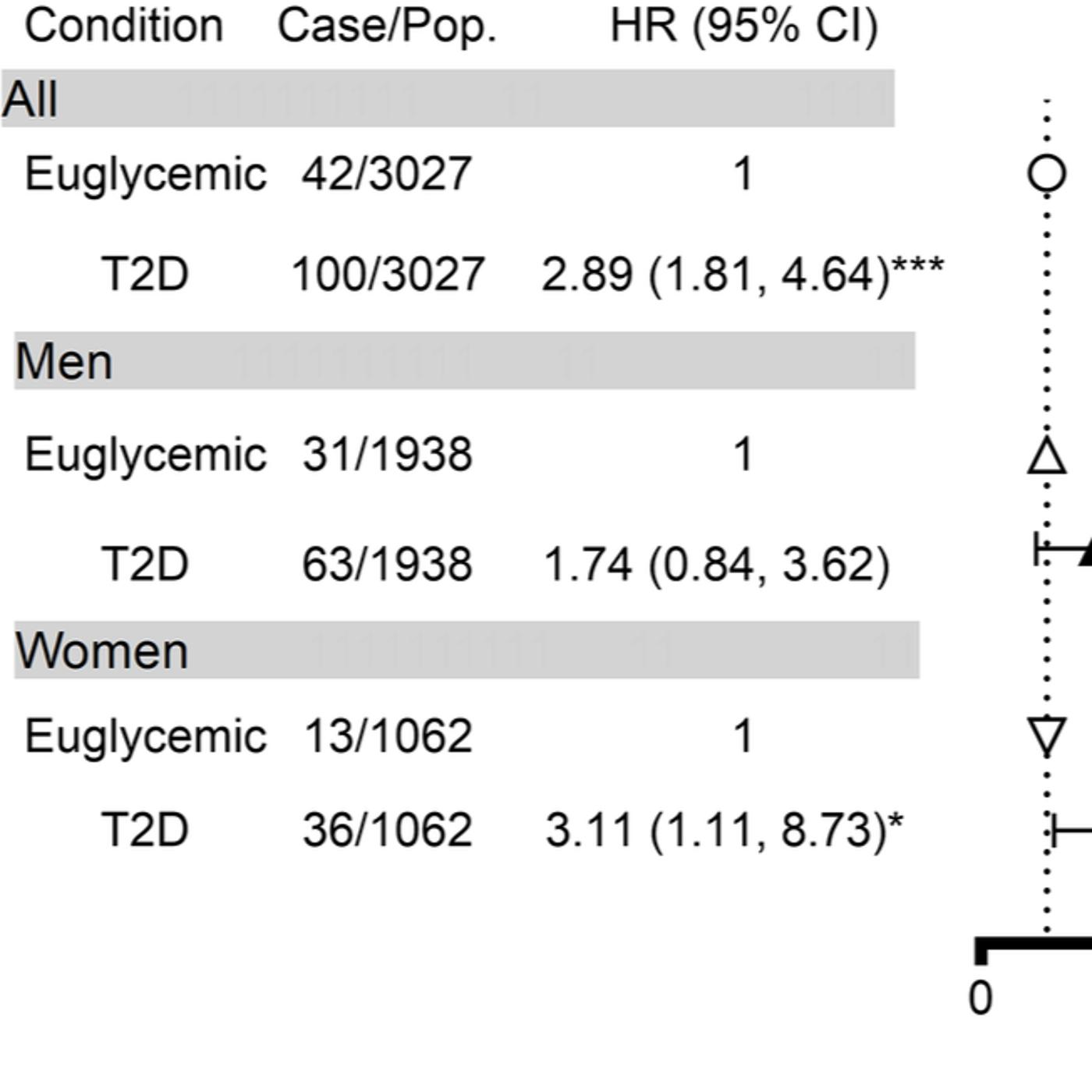
BUFFALO, NY — October 1, 2026 — A new #research paper was #published in Volume 18 of Aging on September 10, 2026, titled “Social determinants of health and risk of dementia in people with and without type 2 diabetes – findings from two large national-scale cohorts.”
The study found that unfavorabl…
إخلاء المسؤولية: البودكاست والأعمال الفنية المضمنة في هذه الصفحة مأخوذة من Aging Podcast، وهي مملوكة لمالكها وليست تابعة لشركة Listen Notes, Inc أو معتمدة منها.
تعديل
شكراً على مساعدتنا في الحفاظ على قاعدة بيانات البودكاست مُحدَّثة.
