

► Tell us about you and your podcast
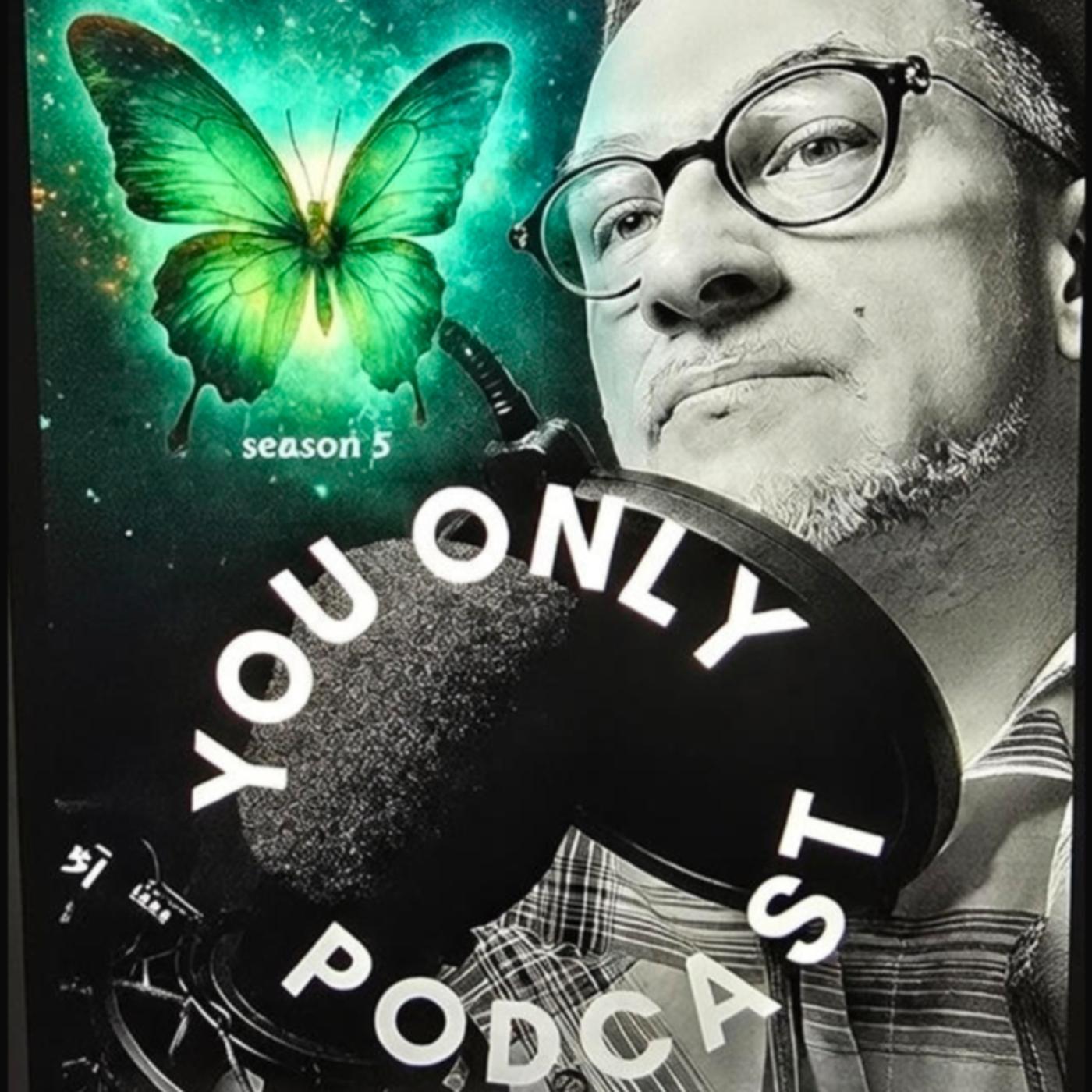
My name is Low Jackson, and I’m the host of The You Only Podcast. I started this podcast about 4–5 years ago as a way to explore psychology, personal growth, and the deeper questions about why we think, feel, and behave the way we do. My background isn’t just from a traditional academic route—it’s also deeply personal. I’m a survivor of childhood abuse, and that experience pushed me to spend years studying psychology, self-development, and the ideas that help people understand themselves and heal.
The podcast blends insights from powerful psychology and personal development books with real-life experiences and honest conversations about growth, trauma, resilience, and meaning. I break complex ideas down into relatable discussions and show how these concepts apply to everyday life. The goal is to create a space where listeners feel understood, challenged, and encouraged to keep growing.
My listeners are people who want to understand themselves better. Many are interested in psychology, mindset, healing from difficult experiences, and building stronger lives. Some are going through their own struggles and seeking perspective, while others simply enjoy thoughtful discussions about human behavior and personal transformation.
► Why & how did you start this podcast?
I started The You Only Podcast because I was searching for answers in my own life. Growing up as a survivor of childhood abuse left me with a lot of questions about human behavior, trauma, and why people do the things they do. Over the years I found myself diving deeply into psychology, personal development books, and conversations about mindset and healing. At some point I realized those ideas were too important to keep to myself. Podcasting felt like the most natural way to share them.
I chose podcasting because it creates a more personal connection than most other platforms. When someone listens to a podcast, it feels like you’re sitting in the room having an honest conversation with them. I also listen to podcasts myself and always appreciated how they allow people to explore big ideas in a deeper way than short social media posts or clips ever could.
My initial goal wasn’t fame or numbers. It was simply to create a place where people who felt lost, hurt, or curious about their own psychology could hear real conversations about growth and healing. I wanted listeners to feel less alone and to walk away from each episode with something meaningful they could apply to their own lives.
I started the podcast about 4–5 years ago. Like many new creators, the first episode took some time because I wanted to figure out the format, the message, and how I wanted to communicate with listeners. Once I committed to the idea, I recorded and released the first episode shortly after and began building the show episode by episode. Over time the podcast has grown into a place where psychology, life experience, and honest reflection come together to help people better understand themselves.
► How'd you find the time and funding to do this podcast?
Finding the time to create the podcast comes down to commitment and purpose. I release a new episode every **Monday at 6:00 AM Central Standard Time**, which means listeners around the world can tune in at different times depending on their location. For example, that’s **7:00 AM Eastern Time, 12:00 PM in London, and around 9:00 PM in Tokyo**.
Setting a consistent schedule has helped listeners know exactly when a new episode will arrive.
Each episode takes about a week to produce. I usually spend several days writing and organizing the ideas for the episode, especially when I’m breaking down psychological concepts or insights from books. Recording the episode itself usually takes about **one to two hours**. After that comes the longest part of the process—editing—which can take **six to eight hours** to make sure the audio flows well and the message is clear.
Like many independent creators, I work on the podcast alongside the responsibilities of everyday life. I make time for it because the purpose behind the show matters to me. A lot of the inspiration comes from my own experiences, the books I study, and the conversations I have with people. The podcast is really about sharing those lessons and perspectives in a way that might help someone else.
Financially, the podcast is self-funded. I spend about **$500 a year** on podcast hosting, software, and basic tools needed to produce and distribute the episodes. I’ve always looked at it as an investment in something meaningful. My goal has never been to reach millions of people overnight—if the podcast helps even **one person** feel understood or find a new way forward in life, then I consider it a success.
► What do you gain from podcasting?
Podcasting has been incredibly rewarding for me, both personally and creatively. Early on, I was fortunate enough to have a small sponsorship opportunity. Instead of treating that as profit, I chose to reinvest every dollar back into the podcast. I used the money to upgrade equipment and improve the overall quality of the show. One of those purchases—a microphone—ended up being more complicated than I expected, and learning how to use it properly became a challenge I didn’t fully understand at the time. Recently I invested again in a new microphone and improved setup, and the episodes releasing next month will reflect a much better sound quality.
Right now I’m actively seeking sponsorship again and hoping that the right partners will discover the heart and vision behind **The You Only Podcast**. The show is centered on psychology, personal growth, resilience, and honest conversations about life, so my hope is to connect with sponsors who believe in that mission.
Beyond any financial side of podcasting, what I gain from it is much deeper. Creating each episode pushes me to reflect on my own life and continue learning. I often listen back to the episodes just like the audience does. I reflect on the ideas, practice the techniques discussed, and share those lessons with people around me. It becomes a cycle of learning, reflection, and growth.
At the end of the day, podcasting keeps me inspired. It reminds me why I started—to help people think differently about their lives, their struggles, and their potential. When someone tells me an episode helped them see things in a new way, that’s the most meaningful reward of all.
► How does your podcasting process look like?
My podcasting process is very methodical and deeply rooted in preparation. I focus exclusively on **audio recordings**, so I don’t use Zoom or video calls for interviews. Once an episode is complete, I create clips for **YouTube, Spotify, TikTok, and Instagram** to reach listeners across platforms.
When preparing each episode, I start by immersing myself in the book or topic I’ll be discussing. I make sure I have a deep understanding of the material and reflect on it personally, practicing the concepts myself. I then consider what might be missing or what new perspective could enhance the discussion. I often reference past books I’ve read—sometimes ones I’ve only brushed over—to see if other research or findings align with the current topic. Over the course of a week, I dissect how the brain relates to the ideas in the book, gathering relevant facts, statistics, and supporting evidence to back up my insights.
I draft the episode **four times** before I begin recording to ensure clarity and flow. Before I record, I do **two minutes of vocal exercises** to warm up. Recording usually takes about **one to two hours**, and editing is the most time-intensive part, taking roughly **ten hours** to ensure the audio is clean, polished, and engaging.
For tools, I rely on quality hardware like a professional microphone and editing software to produce a clear and professional sound. The combination of deep research, careful drafting, and focused editing is what allows me to deliver episodes that are informative, engaging, and useful to my listeners.
► How do you market your show?
I market **The You Only Podcast** primarily through social media and community engagement. I create short, engaging video clips for **TikTok and Instagram** that highlight key insights from each episode, and I also post content on **Facebook, self-help groups, and Reddit** to reach people who are actively interested in personal growth and psychology. Being active in these spaces allows me to connect with listeners who are seeking the kind of meaningful conversations my podcast provides.
Most of my listeners discover the show through the major podcast platforms in the United States, with **Spotify and Apple Podcasts accounting for the bulk of my audience**—roughly 91% combined. A smaller portion, about 9%, comes from other sources, and I’m actively working to expand that this year by leveraging more social content and community outreach.
I find social media marketing especially useful because it allows me to show snippets of episodes in a way that’s visually engaging and easily shareable. By giving potential listeners a taste of the content, they’re more likely to check out the full episodes and become regular followers. My approach is consistent and multi-platform, which helps the show grow organically while reaching people in the spaces they already spend their time.
► What advice would you share with aspiring (new) podcasters?
My biggest advice for new podcasters is **don’t give up, even if your own voice scares you**. I spent a long time being afraid to listen to myself, worried that my perspective or the way I spoke wouldn’t resonate. The breakthrough came when I stopped overthinking and just started recording—the raw, unedited version of me—then shared it with the world. That willingness to be vulnerable, consistent, and persistent is what allowed me to grow an audience and eventually reach **100,000 impressions a day**.
Podcasting success doesn’t come overnight. It takes **hard work, discipline, and resilience**, but the space you create for yourself is worth it. Your voice matters, and your unique perspective is what will connect with listeners.
A few other things to keep in mind: some platforms have restrictions—for example, shows marked “made for kids” (ages 0–5) can limit sharing and downloads. Understanding the rules of distribution early can save headaches later.
Resources I found helpful along the way include blogs, YouTube tutorials, and other podcasts about podcasting—but the most important tool is **practice and reflection**. Keep recording, keep sharing, and trust that your higher self knows you have something valuable to give. The world is ready to hear it.
► Where can we learn more about you & your podcasts?
You can learn more about me and **The You Only Podcast** across several platforms:
* **Instagram:** [@low.jack.youonly](https://www.instagram.com/low.jack.youonly) – behind-the-scenes content, episode highlights, and personal insights.
* **TikTok:** [@lowjackson5](https://www.tiktok.com/@lowjackson5) – short clips from episodes, quick tips, and reflections on personal growth.
* **Snapchat:** Low Jackson, Levicutler2022 – for more casual, personal updates and direct connection.
* **Support & Donations:** Cash App `$BigJeans82` – contributions help maintain the podcast and fund new episodes.
Currently, I do not have a personal website or Patreon, but I actively engage with listeners through social media and provide consistent content for anyone looking to explore psychology, personal development, and life experiences.
These platforms are the best way to **stay connected, follow new episodes, and interact with the community** around the podcast.