

► Tell us about you and your podcast
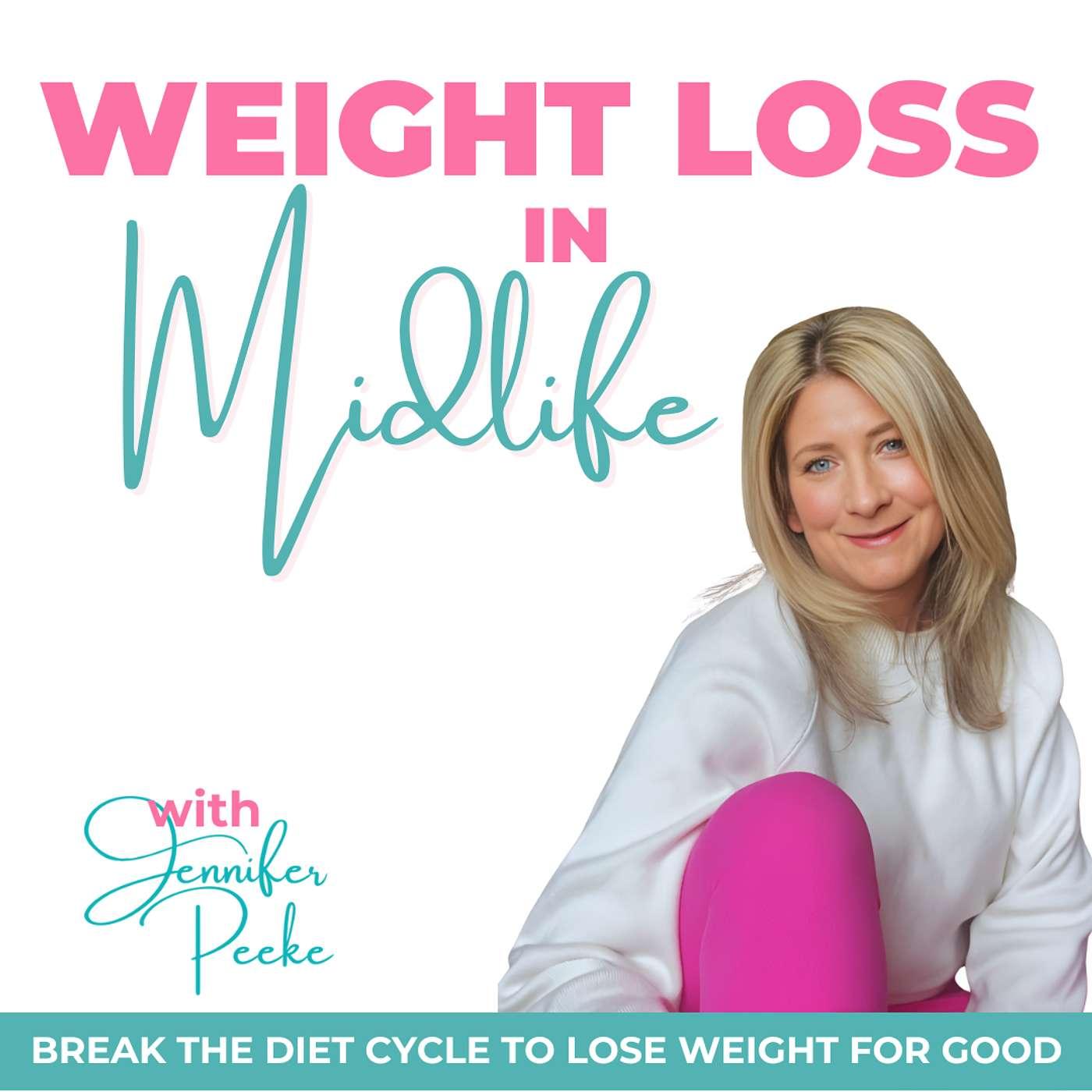
I’m a certified women’s health coach who helps women in perimenopause and menopause lose fat for good through sustainable habits that actually fit real life.
I work with women in midlife who want to feel good in their bodies, love how their clothes fit, and have the energy to truly enjoy their lives.
No extremes. No quick fixes. Just a supportive, realistic approach that helps you feel strong, confident, and at home in your body again.
► Why & how did you start this podcast?
Podcasting felt like the most natural way for me to connect with women. I’ve always loved podcasts because they feel like a real conversation—something you can listen to while driving, walking, cooking, or folding laundry. I personally listen to podcasts all the time, especially ones focused on mindset, health, and personal growth. I wanted to create something that felt supportive and relatable, like you’re being coached but also truly understood.
My biggest motivation was to help women stop feeling confused and frustrated around food, their bodies, and midlife changes. I wanted to create a space that cuts through diet culture noise and offers simple, sustainable guidance around nutrition, mindset, and fat loss—especially for women in perimenopause and menopause. I also wanted women to feel less alone in this season of life and know that change is possible without extremes.
I launched the Weight Loss in Midlife podcast in 2025, with the intention of releasing one helpful, practical episode each week for busy women navigating midlife health.
From the time I committed to the idea to the day my first episode went live, it took a few months. I spent that time learning the basics, clarifying my message, planning episodes, and honestly working through a bit of perfectionism. Once I realized it didn’t have to be perfect to be helpful, I hit publish, and I’m so glad I did.
► How'd you find the time and funding to do this podcast?
I release one episode per week. From start to finish, an episode usually takes a few hours total. That includes outlining the topic, recording, light editing, and writing the show notes. I keep my process simple and repeatable so it doesn’t feel overwhelming.
Honestly, it came down to treating it as a priority rather than waiting for “extra time” to appear. I batch record when I can and block off small pockets of time, often early mornings or during quieter parts of the week. I also remind myself that consistency matters more than perfection, especially when life is busy.
I do fund the podcast myself. The costs are relatively minimal and mainly include podcast hosting and recording tools. I’ve been intentional about keeping expenses manageable while focusing on creating high-quality, valuable content rather than overproducing.
► What do you gain from podcasting?
I’m open to sponsorships that genuinely align with my values and my audience, but I’m very selective. Trust matters more to me than monetizing quickly. Right now, the podcast isn’t my primary revenue stream — it supports and strengthens my overall business rather than standing alone as a profit center.
My first sponsorship came through building a clear niche and consistently showing up with valuable content. I didn’t chase sponsors early on — I focused on serving my audience and letting the right opportunities come naturally. At the time, my download numbers were modest, but my audience was highly targeted and engaged, which mattered more than raw volume.
These days, sponsorships tend to come through relationships, referrals, and brands finding the podcast organically. I also look at partnerships more holistically — not just ads, but collaborations that actually benefit my listeners. While downloads have grown steadily month over month, I focus more on listener quality, engagement, and alignment than hitting a specific number.
Podcasting has been incredibly valuable for my career and personal growth. It’s helped me deepen my expertise, clarify my messaging, and connect with women who truly resonate with my work. It is a free funnel to my coaching program. It’s also created meaningful relationships, opened doors to opportunities I didn’t expect, and given me a platform to share education and encouragement at scale. Most importantly, it allows me to serve women in midlife in a way that feels personal, accessible, and impactful.
► How does your podcasting process look like?
I keep my setup pretty simple. I use a quality USB microphone, record on my computer, and use basic recording and editing software to clean up the audio. I’ve found that you don’t need a super complicated setup to create a great listening experience — consistency and clarity matter most.
Most of my guests come from my professional network, referrals, or connections within the women’s health and wellness space. I also pay attention to who my audience is asking to hear from and reach out to experts whose values align with mine and who can genuinely serve midlife women.
I outline every episode in advance. I usually start with the main takeaway I want listeners to walk away with, then build talking points around that. I like to make sure my women have an actionable step to take at the end. This keeps the episode focused while still feeling conversational and natural.
I have not done an interview yet.
► How do you market your show?
Most listeners find the podcast through major podcast platforms like Apple Podcasts and Spotify.
I don’t focus heavily on exact percentage breakdowns, but platform analytics show that the majority of listeners come directly from podcast apps like Apple Podcasts and Spotify, with additional traffic coming from social media links and direct searches. Rather than chasing specific acquisition numbers, I pay more attention to listener engagement, retention, and feedback, which gives me better insight into what’s resonating.
► What advice would you share with aspiring (new) podcasters?
One of the biggest surprises was how much consistency matters more than perfection. I spent a lot of time early on worrying about the “right” intro, the perfect script, or whether I sounded polished enough. What I learned quickly is that listeners care far more about feeling understood and supported than flawless delivery.
I also didn’t expect how powerful podcasting would be for building trust. People binge episodes, listen while living their lives, and start to feel like they know you. That connection is incredibly meaningful — and it’s something that can’t be rushed or forced.
Another lesson: growth is rarely linear. Some episodes you think will perform incredibly well won’t — and others will resonate deeply in ways you didn’t anticipate. Paying attention to your audience matters more than chasing trends.
I leaned heavily on a mix of free and practical resources. Blogs, YouTube videos, and podcasting forums were invaluable for learning the technical basics and workflow. I also learned a lot simply by listening closely to podcasts I loved. I am paying attention to pacing, structure, and how hosts connect with their audience.
More than anything, trial and error was my best teacher. Each episode helped me refine my voice, simplify my process, and get more confident showing up as myself.
► Where can we learn more about you & your podcasts?
jenniferpeeke.com
Weight Loss in Midlife: https://podcasts.apple.com/us/podcast/weight-loss-in-midlife-perimenopause-health-energy/id1802393797
Weight Loss in Midlife Community: https://www.facebook.com/groups/weightlossinmidlife