

TRANSCRIPT 🔗
WEBVTT
00:00:00.080 --> 00:00:01.199
How was your EAT meeting?
00:00:01.360 --> 00:00:01.760
It was fine.
00:00:02.080 --> 00:00:02.399
What meeting?
00:00:03.439 --> 00:00:06.400
We have a new acronym for a new initiative.
00:00:06.799 --> 00:00:08.000
We need more acronyms.
00:00:08.160 --> 00:00:08.400
Yeah.
00:00:08.640 --> 00:00:09.199
And what is it?
00:00:09.439 --> 00:00:09.679
Eat.
00:00:09.919 --> 00:00:10.560
Eat Eat.
00:00:10.960 --> 00:00:12.800
Environmental Enhancement Team.
00:00:12.880 --> 00:00:14.000
So it's E E T.
00:00:14.320 --> 00:00:14.480
Yeah.
00:00:14.640 --> 00:00:16.399
But then you also we also have the SIP this year.
00:00:16.640 --> 00:00:17.039
The SIP.
00:00:17.199 --> 00:00:18.559
Stormwater Improvement Project Projects.
00:00:18.960 --> 00:00:19.120
Yeah.
00:00:19.199 --> 00:00:23.280
So there were we have two meetings like Back to Back in Swim and it was the SIP and then the EAT.
00:00:23.359 --> 00:00:24.640
And I was like, this is great.
00:00:25.440 --> 00:00:25.839
That's good.
00:00:26.000 --> 00:00:26.800
New acronyms.
00:00:26.960 --> 00:00:28.239
Welcome to Clean Waterworks.
00:00:28.640 --> 00:00:32.399
This is a podcast about Clean Water at the Northeast Ohio Regional Sewer District.
00:00:32.719 --> 00:00:34.560
And we're going to talk about streams today.
00:00:34.880 --> 00:00:36.079
We have two guests today.
00:00:36.399 --> 00:00:41.439
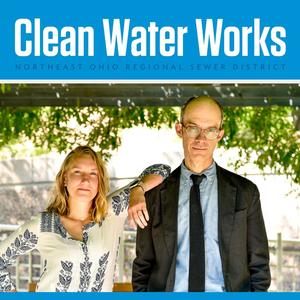
We are talking to stormwater inspectors Kelsey Hickox and Andriana Hayes.
00:00:41.679 --> 00:00:42.960
Welcome to Clean Waterworks.
00:00:43.200 --> 00:00:45.359
I love that you guys both just like nod quietly.
00:00:45.679 --> 00:00:47.520
The audience cannot see you nod.
00:00:48.000 --> 00:00:50.240
I was just telling you you said my name right.
00:00:50.640 --> 00:00:50.880
Right.
00:00:51.039 --> 00:00:52.000
That's all I needed.
00:00:52.240 --> 00:00:52.479
Yeah.
00:00:52.560 --> 00:01:01.840
So we're going to talk about streams, and I think a lot of people still, even after three and a half years of us doing this podcast, think regional sewer district sewers.
00:01:02.240 --> 00:01:02.880
Wastewater.
00:01:03.280 --> 00:01:07.840
What do streams have to do with the work that the sewer district does?
00:01:08.319 --> 00:01:10.159
The district has their two main branches.
00:01:10.239 --> 00:01:16.640
So we have a wastewater, which is the treatment plans and collection systems that everyone kind of thinks about when they think of our company.
00:01:16.719 --> 00:01:20.000
But we do have this regional stormwater management program.
00:01:20.719 --> 00:01:23.120
There's a little bit of crossover sometimes between the two.
00:01:23.280 --> 00:01:30.239
So if you get a CSO, you might get a combined sewer overflow that discharges from the sanitary system to the storm system.
00:01:30.640 --> 00:01:32.480
And sometimes we get issues the other way.
00:01:32.640 --> 00:01:38.239
So when we get a large rain event, the storm system will flow into the sanitary system.
00:01:38.480 --> 00:01:41.840
Typically it's called inflow and infiltration, how it gets in there.
00:01:42.480 --> 00:01:51.519
But when we talk about regional stormwater, we're mostly talking more about the streams and related to flooding or erosion and debris issues.
00:01:52.159 --> 00:01:53.519
And you're on the swim team.
00:01:53.840 --> 00:01:54.159
Yes.
00:01:54.480 --> 00:01:59.200
And that's within our watershed programs department, which runs our regional stormwater management program.
00:01:59.599 --> 00:01:59.920
Correct.
00:02:00.319 --> 00:02:01.519
Tell us about the swim group.
00:02:01.840 --> 00:02:04.560
Um so swim stands for stormwater inspection and maintenance.
00:02:04.799 --> 00:02:14.479
And in the swim group, we inspect and maintain uh various assets such as streams, crossings or bridges, culverted streams and basins.
00:02:14.719 --> 00:02:25.280
And so when we're inspecting these, we're looking for structural defects, so erosion or like deterioration of concrete on like crossings and culverted streams.
00:02:25.840 --> 00:02:33.520
We're also looking for debris, and that could range from like a fallen tree to like a large blockage, and how that's impacting conveyance.
00:02:33.599 --> 00:02:35.120
So is that going to cause flooding?
00:02:35.599 --> 00:02:45.759
In 2025, we completed 1,500 inspections and we removed 2,600 cubic yards of debris and 4,200 cubic yards of sediment.
00:02:46.000 --> 00:02:51.039
So we service communities and each inspector, so there are four of us, we each have a watershed.
00:02:51.439 --> 00:02:57.680
And so that kind of like breaks us up into different regions of our service area that we are responsible for.
00:02:58.000 --> 00:02:59.520
What are those four watersheds?
00:02:59.840 --> 00:03:02.639
So we have the Rocky River watershed.
00:03:02.879 --> 00:03:09.919
So on the west side, we have Andriana's watershed, which is the Chagrin River, as well as the Lake Erie Direct Tributaries.
00:03:10.159 --> 00:03:14.400
So that's Dugway, Done, Nine Mile, Green, Euclid.
00:03:14.719 --> 00:03:15.199
Shaw.
00:03:15.360 --> 00:03:15.599
Yes.
00:03:15.919 --> 00:03:16.400
Look at us.
00:03:17.199 --> 00:03:23.039
And then the Cuyahoga River tributaries, we have them broken up east and west for each of the inspectors.
00:03:23.120 --> 00:03:24.639
So I cover the west side.
00:03:24.800 --> 00:03:33.919
So Big Creek, West Creek, Chippewa Creek, and then we have the east side is going to be Mill Creek, Um, Brandywine Creek.
00:03:34.240 --> 00:03:35.120
Unnamed tribs.
00:03:35.360 --> 00:03:38.080
Yeah, lots of unnamed trib on the on the east of the Cuyahoga.
00:03:38.240 --> 00:03:39.919
There's a lot of unnamed trib through there.
00:03:40.319 --> 00:03:41.599
So how many miles are we talking?
00:03:41.759 --> 00:03:49.199
How many miles of streams and tributaries and and what's the difference between a stream and a tributary and a river?
00:03:50.080 --> 00:03:52.000
Mike wants all the
Load full transcript
basics.
00:03:52.639 --> 00:03:55.039
A full class on streams, Gabby.
00:03:55.840 --> 00:04:04.000
So we're responsible for 365 miles of open stream channel, and then there's about 90 miles of culverted streams.
00:04:04.080 --> 00:04:11.120
So when the stream goes into a pipe underground, and then 16 miles that accounts for the crossing, so the bridges.
00:04:11.680 --> 00:04:24.160
The tributary question, a lot of times there'll be these smaller streams that still qualify for us to be in the regional stormwater system, but they they just tend to be a little bit smaller, whereas Big Creek is named.
00:04:24.240 --> 00:04:27.439
So you have the Big Creek watershed and everything that drains to it.
00:04:27.680 --> 00:04:32.240
There's some, especially near the national park, where it's just kind of a small little stream.
00:04:32.319 --> 00:04:37.519
It drains a decent area, but it's just not as much of a big established multi-community.
00:04:38.079 --> 00:04:45.680
I don't know who's in charge of naming all of the streams, but I mean, if you want, we can start naming them after people who work here.
00:04:46.000 --> 00:04:46.480
Could you do that?
00:04:46.639 --> 00:04:46.879
Yes.
00:04:47.040 --> 00:04:47.199
Okay.
00:04:47.360 --> 00:04:48.560
Mike Uva stream.
00:04:48.720 --> 00:04:50.240
Mike Uva Uva stream.
00:04:50.639 --> 00:04:52.959
Try and make sure that one is in my watershed.
00:04:54.000 --> 00:04:54.560
ESAD, yeah.
00:04:54.800 --> 00:04:55.279
Oh, okay.
00:04:55.600 --> 00:04:59.360
What is something that you might point out in a report to a community?
00:04:59.759 --> 00:05:09.360
So if we notice anything like structural defects, so along a stream, if we see erosion that's near a building, the property owner will get a notification as well as the community.
00:05:09.759 --> 00:05:16.560
If there's erosion encroaching upon the roadway, we'll notify like the county or the community that that's happening as well.
00:05:16.959 --> 00:05:19.759
What's the weirdest thing you've seen in a stream?
00:05:20.319 --> 00:05:22.639
Andriana is definitely the winner of this one.
00:05:22.879 --> 00:05:30.959
But I will say that we once found a vacuum in a culvert, which is fine, but it was there multiple years in a row in the same spot.
00:05:31.040 --> 00:05:33.839
The cord got stuck on the bottom of the pipe.
00:05:34.240 --> 00:05:36.160
Even after you reported it, no one took it out?
00:05:36.399 --> 00:05:40.800
Well, it's a mile walk from a manhole that you have to go down.
00:05:40.879 --> 00:05:42.560
There's no you can't just walk in and get it.
00:05:42.800 --> 00:05:44.000
Did you need a vacuum?
00:05:44.399 --> 00:05:44.639
No.
00:05:44.800 --> 00:05:45.600
I mean, there are a lot.
00:05:46.079 --> 00:05:47.680
I just have a lot of questions about this.
00:05:48.079 --> 00:05:48.959
So this was in the culvert.
00:05:49.199 --> 00:05:49.920
In a culvert, okay.
00:05:50.079 --> 00:05:51.680
And it was too far in to do anything about it.
00:05:51.759 --> 00:05:52.079
Is that right?
00:05:52.560 --> 00:05:52.639
Yeah.
00:05:52.959 --> 00:05:54.720
And it wasn't causing any issues.
00:05:55.120 --> 00:05:55.920
It's debris though.
00:05:56.079 --> 00:05:58.399
I mean, isn't that like core to what you do?
00:05:59.360 --> 00:06:05.519
Well, but we have rules about when we remove and when we don't, because you don't want to waste rate pair money just removing every single thing.
00:06:05.839 --> 00:06:10.399
So when we look at debris, it depends on a couple things if we're going to remove it or not.
00:06:10.720 --> 00:06:14.879
So the first thing is kind of how much of the flow area it's impacting.
00:06:15.040 --> 00:06:25.439
If we're looking at either a bridge or or a stream, you can kind of look at like the cross section of the stream and determine if only like 10% of the stream is blocked by it.
00:06:25.600 --> 00:06:29.120
In most cases, that's gonna be fine and not really cause issues.
00:06:29.439 --> 00:06:34.959
If it's blocking like 50 to 60% of the flow area, we should probably be a little more alerted to it.
00:06:35.120 --> 00:06:37.199
And it also depends where it is.
00:06:37.439 --> 00:06:50.639
So there's certain areas where we'll get a really big debris blockage, but it's in the middle of a park and it's a naturalized area and it's good fish habitat and it's holding back sediment, and we will leave that in place.
00:06:50.800 --> 00:06:54.319
It is totally fine, it is beneficial and great for the environment.
00:06:54.480 --> 00:07:03.759
But then we'll also sometimes just get a few cubic yards, but it'll be in a really highly urbanized area, really close to people's homes, that really could increase flooding for them.
00:07:03.920 --> 00:07:06.240
So luckily, we have a modeling team.
00:07:06.480 --> 00:07:07.920
We use their models.
00:07:08.160 --> 00:07:10.639
They kind of show us at different storm events.
00:07:10.879 --> 00:07:14.240
If it's a smaller storm event, what's going to flood versus a bigger storm event?
00:07:14.319 --> 00:07:19.279
And we kind of use that all to put together a puzzle of whether or not we should take something out.
00:07:19.519 --> 00:07:21.439
The debris is actually usually really good.
00:07:21.600 --> 00:07:23.199
It can hold back sediment.
00:07:23.279 --> 00:07:27.680
Um, sediment actually can be really detrimental to a stream if it's moving around too much.
00:07:27.920 --> 00:07:36.959
So we really want to keep it in place where we can because it has so many ecological benefits, but we have to balance it with the flooding potential of it being there.
00:07:37.279 --> 00:07:42.560
And when we're talking about debris, we're usually what we're talking about is like large woody debris or small woody debris.
00:07:42.879 --> 00:07:45.439
Even leaves and sediment would count as like debris.
00:07:45.600 --> 00:07:52.000
So, like on some debris racks, we'll just get a large accumulation of sediment and leaves, and
that'll need to be removed as well.
00:07:52.240 --> 00:07:52.560
Got it.
00:07:52.800 --> 00:07:55.279
Sometimes there's other things in there.
00:07:55.519 --> 00:07:58.959
I had one just last week that a customer had called about.
00:07:59.199 --> 00:08:12.160
There was a large log, like perpendicular to stream flow that had kind of started it, and then a shopping cart was also in it, and then a bunch of little stuff got stuck on the shopping cart and created like a four-foot grade change in the stream.
00:08:12.560 --> 00:08:17.360
So we're gonna get that out of there because it is a flood-prone area that it was found in.
00:08:17.439 --> 00:08:20.319
But that was triggered by a phone call from a resident.
00:08:20.560 --> 00:08:20.879
Correct.
00:08:21.040 --> 00:08:32.639
Other times we'll get a call from a service director, but oftentimes it's just from your regular inspections and you guys going out into the field when you see something, and that's how you just you know to whether it needs to be removed or not.
00:08:32.960 --> 00:08:37.840
And if people see a problem in their community, would they just call our customer service department?
00:08:38.159 --> 00:08:40.320
Yeah, you could call it into the customer service number.
00:08:40.399 --> 00:08:44.159
That's the 216 881-8247.
00:08:44.559 --> 00:08:53.759
They would log it in, you'd give them an address or a location, and then it would be the watershed team leader who would be responsible for that community, and they would be the one to call you back.
00:08:54.320 --> 00:08:58.159
Especially if you like nature and being outdoors, this seems like a pretty fun job.
00:08:58.480 --> 00:09:03.039
Are you outdoors most of the time or so we're outside like 50% of the day?
00:09:03.200 --> 00:09:14.799
We usually will go out in the morning, we'll leave around 8 30, do inspections, and we'll come back around lunch, and then we spend the rest of the day kind of working on the reports from the inspections we did that day.
00:09:15.120 --> 00:09:21.600
We capture the structural conditions, so we put notes and details on what we observed, whether it was good, whether it was bad.
00:09:21.759 --> 00:09:24.639
Along with that, we'll also put hydraulic information.
00:09:24.879 --> 00:09:36.960
If we go out for an urgent storm inspection, which is after a heavy rain event, a lot of times we'll have to say it was like 50% of the bank or it overtopped the roadway, and we'll note if there was any debris blockages.
00:09:37.039 --> 00:09:40.240
And each of these things has a score that correlates with it.
00:09:40.559 --> 00:09:45.919
And what's helpful for me as a person who calls residents back is that they include tons of photos.
00:09:46.159 --> 00:09:46.399
Yeah.
00:09:46.639 --> 00:09:54.879
That's helpful because we do send that report back out to the customers so they can see that we were on site, they can see what we were seeing, and then it also gives you a good look back.
00:09:54.960 --> 00:10:02.000
If you're like looking year after year at erosion or something like that, you can see how it's progressed through all of these photos that they take.
00:10:02.240 --> 00:10:05.840
And are you doing this year-round, even in the blizzards?
00:10:06.240 --> 00:10:06.720
Mostly.
00:10:06.960 --> 00:10:14.159
We ran into some issues this winter because it wasn't so much that it was so cold, but it was that we had snow.
00:10:14.320 --> 00:10:17.759
And so we couldn't, you can't see the stream banks when they're covered in snow.
00:10:17.919 --> 00:10:22.559
So normally when that happens, we're still able to maybe look at some of the bridges and crossings.
00:10:22.799 --> 00:10:31.600
But because the water froze so hard, everything was just so frozen, we we could not physically get out and do a proper inspection of anything.
00:10:31.759 --> 00:10:36.799
Because even a bridge, we need to be able to see like the embankment near that bridge.
00:10:36.960 --> 00:10:43.840
And so there was a period of time where we were kind of stuck inside, but typically we're we're still out in the cold.
00:10:44.159 --> 00:10:46.639
Are you walking in the water or along the bank?
00:10:47.039 --> 00:10:47.679
Both.
00:10:48.159 --> 00:10:48.960
Kind of depends.
00:10:49.200 --> 00:10:51.600
We have muckboots for shallower streams.
00:10:51.759 --> 00:10:54.480
We have full chest waiters if we need to be in the water.
00:10:54.559 --> 00:11:00.320
It kind of depends what the vegetation is around it and what we what we're looking at, what we need to see.
00:11:00.480 --> 00:11:02.159
So do you carry a machete?
00:11:02.720 --> 00:11:04.480
Uh we have them on our trucks, yes.
00:11:04.639 --> 00:11:09.200
I don't carry one regularly, but in the in the summer, sometimes we do need those, yes.
00:11:11.120 --> 00:11:12.080
Getting a visual in my head.
00:11:12.320 --> 00:11:15.679
I don't know if I've ever actually been on a stream inspection.
00:11:16.080 --> 00:11:16.799
Do you want to go?
00:11:17.120 --> 00:11:17.360
Yeah.
00:11:17.519 --> 00:11:19.039
I mean when it's when it's nicer out, maybe.
00:11:19.360 --> 00:11:19.440
Yeah.
00:11:19.600 --> 00:11:20.080
Oh wow.
00:11:20.320 --> 00:11:21.519
Just a fair weather fan.
00:11:21.840 --> 00:11:24.399
Alright, so you wear muck boots, waiters.
00:11:24.639 --> 00:11:27.679
You're wearing gloves, probably, because you don't want to wreck your hands.
00:11:28.240 --> 00:11:34.240
Do you have uh headgear, like a hat or a uh helmet?
00:11:34.480 --> 00:11:35.039
Yeah, yeah.
00:11:35.120 --> 00:11:40.320
If we're in a stream, sometimes we'll just wear like a sun hat or a ball cap.
00:11:40.480 --> 00:11:44.559
But if we're in a culvert or construction area, then we have hard hats.
00:11:44.720 --> 00:11:47.600
We'll have a really long, like 200-foot tape to measure.
00:11:47.679 --> 00:11:50.080
If we're measuring erosion, we need to know how long the bank is.
00:11:50.240 --> 00:11:53.440
And sometimes those
can be hundreds of feet in length.
00:11:53.679 --> 00:11:59.759
Similarly, we'll have a survey rod, which is just like a vertical way of measuring.
00:12:00.080 --> 00:12:03.120
And then rakes, shovels.
00:12:03.360 --> 00:12:05.200
We gotta remove that little bit of debris.
00:12:05.360 --> 00:12:07.039
Bug spray and sunscreen.
00:12:07.440 --> 00:12:07.919
Very important.
00:12:08.240 --> 00:12:09.279
Very important in the summer.
00:12:09.360 --> 00:12:15.039
We're not really looking forward to tick season, but you don't carry a rifle.
00:12:15.840 --> 00:12:16.159
No.
00:12:17.759 --> 00:12:18.879
I don't know if there's a bear.
00:12:19.120 --> 00:12:19.840
We don't really have predators.
00:12:20.080 --> 00:12:20.720
There's a bear.
00:12:20.960 --> 00:12:22.080
I mean, you don't know what you're gonna.
00:12:22.559 --> 00:12:25.120
There were these Bigfoot sightings in Portage County over the weekend.
00:12:25.759 --> 00:12:26.000
What?
00:12:26.240 --> 00:12:26.799
Six Bigfoot.
00:12:27.120 --> 00:12:27.679
Get out of here.
00:12:28.240 --> 00:12:28.960
Went right through Gary.
00:12:29.279 --> 00:12:30.879
We'll let you know if we run into them.
00:12:31.120 --> 00:12:36.480
I did one time run into it, must have been someone's like Halloween decoration.
00:12:36.639 --> 00:12:42.480
I was walk, I was just walking a stream, kind of like a scarecrow, but it had a gorilla mask on.
00:12:42.960 --> 00:12:43.039
No.
00:12:43.360 --> 00:12:46.559
And if you there was like a rope in a tree that if you pulled on it, it's arms.
00:12:47.039 --> 00:12:47.840
Absolutely not.
00:12:48.879 --> 00:12:56.960
We were doing a crossing inspection and we're walking, and we can kind of see it like in the distance a little bit.
00:12:57.120 --> 00:13:00.000
There's like some things hanging from the top of the pipe.
00:13:00.639 --> 00:13:09.120
As we get closer, we notice that there were like fake bananas hanging from clear strings attached to the top of the pipe.
00:13:10.399 --> 00:13:12.639
It was in the middle of like an open field.
00:13:13.120 --> 00:13:13.840
It's so weird.
00:13:14.240 --> 00:13:15.200
Because who put that there?
00:13:15.360 --> 00:13:15.840
Why?
00:13:16.240 --> 00:13:17.519
Oh, so weird.
00:13:19.039 --> 00:13:21.360
I it definitely scared me.
00:13:21.440 --> 00:13:21.759
I think it's a good idea.
00:13:21.919 --> 00:13:22.639
This is really upsetting.
00:13:23.120 --> 00:13:23.759
Get out of there.
00:13:25.279 --> 00:13:28.559
Just the fact that someone did that and then like it's a mystery.
00:13:28.879 --> 00:13:29.679
It's a mystery.
00:13:30.720 --> 00:13:31.519
We'll never know.
00:13:31.840 --> 00:13:36.559
So through the Regional Stormwater Management Program, we have a lot of investments that we've made.
00:13:36.879 --> 00:13:46.399
And when we construct uh something, whether it's a regional stormwater basin or maybe we line a culvert, we want to make sure that those assets are being maintained.
00:13:46.480 --> 00:13:49.120
And a big part of that comes from your inspections.
00:13:49.360 --> 00:13:56.960
Can you just pick a project and talk through how you would go about looking through and analyzing that site?
00:13:57.200 --> 00:14:00.960
So we did a project along Gates Mills Boulevard in Pepper Pike.
00:14:01.039 --> 00:14:03.840
And this project was to expand the basin footprint.
00:14:04.000 --> 00:14:11.600
We did a redesign to have it take up more of this boulevard area along the roadway to hold more water during a rain event.
00:14:11.840 --> 00:14:12.799
And it is working.
00:14:13.039 --> 00:14:17.919
The residents have told us they haven't seen any flooding since we've installed the new basin.
00:14:18.080 --> 00:14:22.399
And we did repairs on a crossing, which is the inlet to this basin.
00:14:22.480 --> 00:14:24.559
So that's where the water comes from upstream.
00:14:24.720 --> 00:14:30.639
And they also rerouted the outlet, which is where the water flows out to go downstream in the service area.
00:14:30.879 --> 00:14:36.159
So when I go to look at this project, the things that I'll look for is that the vegetation is establishing.
00:14:36.320 --> 00:14:40.320
So we planted trees and shrubs along the sides of the basin.
00:14:40.480 --> 00:14:46.720
And so we just want to verify that those aren't being browsed by deer or like totally knocked over by deer.
00:14:46.960 --> 00:14:54.559
A couple other things that we look for along the embankments, like is there rilling and erosion occurring from runoff from the roadway?
00:14:54.960 --> 00:14:55.919
Did you say rilling?
00:14:56.320 --> 00:14:56.799
Rilling.
00:14:57.039 --> 00:14:57.679
Rills.
00:14:58.000 --> 00:14:59.519
R-I-L-L-I-N-G.
00:14:59.919 --> 00:15:07.039
So rills are like small grooves that form in the soil from runoff, and it's like the start of like a bigger problem.
00:15:07.200 --> 00:15:11.200
If it keeps continuing, it'll just get bigger and cause a gully.
00:15:11.679 --> 00:15:12.000
Do you?
00:15:12.399 --> 00:15:13.120
I know what a gully is.
00:15:13.360 --> 00:15:13.679
Oh, okay.
00:15:13.759 --> 00:15:13.919
Sorry.
00:15:14.159 --> 00:15:16.480
So we'll look for stuff like that around the embankments.
00:15:16.639 --> 00:15:18.879
We'll look for invasive species.
00:15:19.120 --> 00:15:23.919
So within the stream channel, we'll see like cattails or phragmites that start to grow.
00:15:24.159 --> 00:15:27.120
So those are things that we'll have treated by a contractor.
00:15:27.600 --> 00:15:33.120
And then the culvert downstream of that outlet will look for defects within that as well.
00:15:33.360 --> 00:15:38.159
If it's misshapen or if there's any separation of the joints in the culvert, we'll look at that too.
00:15:38.559 --> 00:15:42.879
So we typically go out and look at them every six months for the first three years.
00:15:43.039 --> 00:15:47.039
And then after that, we look at them annually, like in perpetuity.
00:15:47.440 --> 00:15:53.279
We also have
our swim tech group who goes out and does vegetation maintenance and they'll look at pruning.
00:15:53.440 --> 00:15:56.879
They also get tasks from us like that we find during our inspection.
00:15:56.960 --> 00:16:02.159
So if we see debris that needs to be removed or any other type of maintenance, they can do that as well.
00:16:02.480 --> 00:16:06.720
If it's a a few cubic yards, uh, sometimes we'll do it ourselves.
00:16:06.960 --> 00:16:18.639
If we're somewhere and I'm like, I this is gonna be easy, it's gonna take me 10 minutes, and we'll just go back to the truck, get gloves or tools, whatever we need, and we'll just remove it ourselves on site, bring it back to get disposed.
00:16:18.879 --> 00:16:36.960
Sometimes we'll have our swim tech crew go out and help with some of the debris removals, but when we start getting into things that are 10, 20, 200 cubic yards, we have a contractor that we work with that has big equipment and chainsaws and bucket trucks and all that fun stuff.
00:16:37.279 --> 00:16:41.360
One of the things that has come up a couple of times is urgent storm response.
00:16:41.519 --> 00:16:46.879
Could you talk a little bit about what that means and why it's important and how it relates to our modeling?
00:16:47.279 --> 00:16:58.000
When we get large storm events that potentially could cause flooding, there's a few different things that we check to monitor how how high the levels are getting.
00:16:58.240 --> 00:17:05.680
So the modeling crew has level sensors out at many locations throughout the service area.
00:17:05.920 --> 00:17:09.119
And so we're able to see, okay, Mill Creek went up three feet.
00:17:09.279 --> 00:17:10.720
So we're able to check that.
00:17:10.960 --> 00:17:15.519
Also, we have a system of trail cameras at notable places.
00:17:15.599 --> 00:17:26.000
So a lot of debris racks or culvert inlets, some of our project sites, areas that we want to know how that responds, whether or not there was a problem there, or if it's just kind of a flood-prone area.
00:17:26.160 --> 00:17:30.160
So if we know a storm's coming, we'll make the cameras take photos about every hour.
00:17:30.240 --> 00:17:34.880
So we can watch and see pretty much in real time how high the levels are getting.
00:17:35.200 --> 00:17:42.319
And then the model data management group also will use the precipitation data.
00:17:42.480 --> 00:17:57.440
So right after we've had the storm event, they can get this precipitation data and they're able to figure out what could have flooded, like they use all this data and put it together, and they'll reach out to us and say, hey, it looks like nine mile might have reached action stage.
00:17:57.519 --> 00:18:05.119
We should go check that area to confirm their data as well as to look for debris or any sort of flooding issues.
00:18:05.599 --> 00:18:06.079
Yeah.
00:18:06.640 --> 00:18:10.240
Why is it important to field verify data?
00:18:10.799 --> 00:18:11.599
Could you ask that again?
00:18:11.680 --> 00:18:13.119
I didn't quite understand what you said.
00:18:13.519 --> 00:18:15.599
Um Do you want me to use different words like that?
00:18:15.759 --> 00:18:18.319
No, I it Sorry, I'm a mumbler.
00:18:18.480 --> 00:18:19.119
You can ask my mom.
00:18:19.519 --> 00:18:20.160
It's not a criticism.
00:18:20.559 --> 00:18:21.519
I want a good product here.
00:18:22.000 --> 00:18:44.319
We have folks who are in the office and folks that are consultants that look at our models and they say, we think that based on this data that we're getting about rainfall and this other data that we have that are built-out models, that we should theoretically, given the type of storm, get a certain amount of rain and that would cause a certain amount of flooding in a certain area.
00:18:44.640 --> 00:18:50.160
My question is, Andriana, why is it important to field verify that information?
00:18:50.880 --> 00:18:55.440
Well, it's important to field verify it so that we can like refine the models further.
00:18:55.759 --> 00:19:04.720
If they tell us that this house and this road should have flooded after a rain event, then we go out the next day and we verify if that did flood or not.
00:19:04.799 --> 00:19:16.160
And if it didn't, then they need to refine their models, and that'll help kind of tweak everything in that area to either scale it back or scale it forwards to show that there's less flooding or more flooding in that location.
00:19:16.640 --> 00:19:25.759
At the end of the day, the projects we're building have to be built to withstand certain rain events, and those designs are built on the modeling that we have.
00:19:25.839 --> 00:19:34.319
And so the work that you guys do, I think going out and verifying during these storm events is so important to making sure that we're right sizing all of our projects.
00:19:34.799 --> 00:19:41.039
How long have you each been at the district and have you always been in this role as a stormwater inspector?
00:19:41.279 --> 00:19:42.000
Andriana?
00:19:42.480 --> 00:19:46.880
So I started at the district in 2019 as an intern in the swim program.
00:19:47.359 --> 00:19:50.799
I was an intern for about two and a half years.
00:19:51.119 --> 00:19:57.119
And after being an intern, I applied for the analyst position, which is the data side of the swim group.
00:19:57.279 --> 00:20:01.519
And I did that for about a year, and then we had an opening in our inspection group.
00:20:01.759 --> 00:20:04.319
And I've been an inspector since 2022.
00:20:04.880 --> 00:20:09.519
Before I came to the district, actually, my first major was interior design.
00:20:09.759 --> 00:20:10.160
Oh yeah.
00:20:10.400 --> 00:20:12.400
And I did that for a semester.
00:20:12.559 --> 00:20:15.839
And I was just decided that that wasn't really for me.
00:20:16.000 --> 00:20:20.480
It was something I was good at, but it wasn't something that I think I would really like enjoy doing.
00:20:20.960 --> 00:20:24.160
So I kind of was trying
to figure out like what do I like to do?
00:20:24.240 --> 00:20:25.920
And what I like to do is be outside.
00:20:26.319 --> 00:20:29.599
And so that's kind of how I got into the environmental science field.
00:20:29.920 --> 00:20:33.680
But some of the courses that I took, one of them was a rivers seminar.
00:20:33.839 --> 00:20:40.880
And so that kind of introduced me to like streams and stream mechanics and how the water cycle works and everything.
00:20:41.039 --> 00:20:46.480
And so just in my search of job openings, I found the intern position.
00:20:46.960 --> 00:20:53.200
Actually, the sewer district was one of like the only jobs that I could find in the environmental field at the time.
00:20:53.440 --> 00:20:53.680
Yeah.
00:20:53.839 --> 00:20:56.880
We are like a large employer of people in the environmental field.
00:20:56.960 --> 00:21:02.559
I feel like it's like us, soil and water, and then the consulting groups and the metropolis.
00:21:02.640 --> 00:21:03.599
And that's kind of it.
00:21:03.680 --> 00:21:04.079
Yeah.
00:21:04.400 --> 00:21:05.680
What about you, Kelsey?
00:21:06.240 --> 00:21:09.839
My first time I was at the district was in 2012.
00:21:10.160 --> 00:21:12.480
They call you a boomerang, I think is what they call them.
00:21:12.799 --> 00:21:19.440
I interned for one summer with our water quality and industrial surveillance group, but then I had to go finish my senior year of college.
00:21:19.599 --> 00:21:20.559
And then I graduated.
00:21:20.720 --> 00:21:22.720
I had a job in a lab for a year.
00:21:22.960 --> 00:21:29.839
And then in 2014, I came back as an intern again in that same department and then got hired full-time.
00:21:30.000 --> 00:21:31.839
And then I transitioned over to swim.
00:21:32.160 --> 00:21:33.839
And we've been here ever since.
00:21:34.160 --> 00:21:35.839
What's your favorite thing about the job?
00:21:36.240 --> 00:21:40.480
I really like seeing improvements that we get to make over time.
00:21:40.720 --> 00:21:59.200
So there have been many years of seeing certain issues going on, whether that be flooding or erosion, degraded stream channels, and then seeing overtime after we put in projects, or if maybe homeowners stop mowing next to their streams, any sort of improvements, seeing over time those things.
00:22:00.240 --> 00:22:03.200
Actually get better is super rewarding.
00:22:04.000 --> 00:22:06.559
So my favorite part, I think, is problem solving.
00:22:06.880 --> 00:22:13.039
Like goes from like small things like removing debris, solving that problem, or on a larger scale.
00:22:13.599 --> 00:22:19.599
We kind of already touched on it with um verifying modeling from urgent storm events.
00:22:19.759 --> 00:22:21.759
I think that's something that I enjoy doing as well.
00:22:22.079 --> 00:22:26.160
You know, contributing to like the greater cause of kind of solving the flooding issue.
00:22:26.559 --> 00:22:36.480
A few times I've done like a culverted stream inspection and I've
I've observed something that I'm like, whoa, that might be another regional culvert.
00:22:36.640 --> 00:22:38.160
And we don't have it mapped.
00:22:38.319 --> 00:22:45.119
And so this has happened a couple times where they end up looking into it and it ends up needing to be added as a regional culvert.
00:22:45.279 --> 00:22:47.680
So I think that's something that I enjoy doing.
00:22:48.079 --> 00:22:50.799
Those are the culverts that should be named after you since you discovered this.
00:22:51.759 --> 00:22:52.559
Andreana sounds like that.
00:22:52.799 --> 00:22:53.599
Andreana Way.
00:22:53.920 --> 00:22:55.680
Andreana Way sounds good too.
00:22:55.920 --> 00:22:58.960
Is there a least favorite part of the of the job?
00:22:59.920 --> 00:23:18.000
My least favorite part would be seeing just the number of streams that are impacted by development, which isn't always necessarily intentional, but just seeing poor water quality areas, poor stream habitat.
00:23:18.240 --> 00:23:27.680
There's a good bit of it in the area just because there's so much impervious surface and it's just such an urbanized area that that's that's what every city deals with.
00:23:27.759 --> 00:23:28.319
It's gonna be there.
00:23:28.720 --> 00:23:29.759
What kind of problems does that cause?
00:23:30.880 --> 00:23:34.160
So there's actually it's called urban stream syndrome.
00:23:34.480 --> 00:23:40.400
It's a like a series of things that you notice happen to streams when urbanization comes in.
00:23:40.640 --> 00:23:54.160
So you get increased impervious surface, so roadways, houses, driveways, sidewalks, all those areas where the water hits that surface and it can't get absorbed and it moves very quickly from point A to point B.
00:23:54.480 --> 00:24:01.200
And so once that inevitably makes it to a stream channel, it causes a series of issues.
00:24:01.279 --> 00:24:04.240
You'll see a lot of um down cutting.
00:24:04.480 --> 00:24:11.599
So the water comes through so fast and at such a high velocity and volume in a very short period of time.
00:24:11.759 --> 00:24:15.039
It'll kind of scour out the bottom of the streams as it goes through.
00:24:15.119 --> 00:24:20.960
It kind of just shoots through these streams and it really changes all of the habitat within it.
00:24:21.039 --> 00:24:26.720
So it makes it more difficult for certain fish or certain macroinvertebrates to live to live there.
00:24:26.880 --> 00:24:28.799
They just can't live in those environments.
00:24:29.039 --> 00:24:41.680
And then a lot of times uh with development, we'll either put a stream in a pipe and you know, we want to build on top of this, and we we don't do it so much anymore, but we did before we kind of maybe realized what all we were doing.
00:24:41.920 --> 00:24:47.200
But it really impacts overall water quality, and I like the fishies.
00:24:47.519 --> 00:24:52.480
So I want the fish to be happy, and they're not happy sometimes.
00:24:53.200 --> 00:24:56.720
Yeah, I like happy
streams, which we do have we have lots of those as well.
00:24:56.880 --> 00:25:04.559
There's a lot of times in the metro parks, just some areas that are a little less urbanized, we'll have we'll have much happier streams with habitat.
00:25:04.720 --> 00:25:12.799
Those are the fun inspections when you get to go just walk a couple miles and it's nicer water quality on a nice 70-degree day.
00:25:13.359 --> 00:25:17.519
Did you say earlier that mowing along the stream bank is that a problem?
00:25:17.759 --> 00:25:19.359
Like mowing their lawn along the stream bank?
00:25:19.519 --> 00:25:19.680
Yeah.
00:25:19.920 --> 00:25:20.240
That's bad.
00:25:20.559 --> 00:25:20.799
Yeah.
00:25:20.960 --> 00:25:21.200
Yeah.
00:25:21.359 --> 00:25:28.480
Especially, you know, people want their their nice green lawns that are manicured, and I totally get that.
00:25:28.960 --> 00:25:37.680
Uh but if there's a stream in in their yard and they mow right up to the edge, that can really contribute to erosion.
00:25:37.920 --> 00:25:41.200
It's just when the water flows across their yard.
00:25:41.359 --> 00:25:42.799
There's nothing to slow it down.
00:25:42.960 --> 00:25:53.920
Whereas if you leave a buffer, even just a couple feet of just tall grasses or any sort of vegetation, when the water hits there, it can kind of slow down before it actually enters the stream channel.
00:25:54.079 --> 00:26:03.519
And honestly, the goal of stormwater management is usually to slow the water down and to keep it from just shooting through either pipes or streams.
00:26:03.920 --> 00:26:17.200
And it works the other way too, not only slowing down water that's coming off of the yard and into the stream, but also when the stream level rises and it goes out onto that floodplain, it slows the water down and can catch sediment as it's flowing through, too.
00:26:17.359 --> 00:26:19.119
So they need some space.
00:26:19.359 --> 00:26:19.680
Yeah.
00:26:19.839 --> 00:26:21.599
Streams need space, Mike.
00:26:22.079 --> 00:26:22.960
I believe it.
00:26:23.440 --> 00:26:30.319
Are there other things besides not mowing close to a stream that the public can do to help keep our streams healthy?
00:26:30.720 --> 00:26:44.960
So some things that you can do to help keep our streams healthy are to leave a riparian corridor around the streams, which is kind of along the lines of what Kelsey was saying, but it's like leave a buffer between where you're building a home and where the s edge of the stream bank is.
00:26:45.440 --> 00:26:47.759
Throw away your trash and the proper receptacles.
00:26:47.839 --> 00:26:51.200
Don't throw it away and let it blow into the stream channels.
00:26:51.599 --> 00:26:56.000
Don't dump anything down catch basins because they go directly to the streams.
00:26:56.559 --> 00:27:03.920
Consider installing rain gardens, rain barrels, or disconnecting your downspouts because this can help capture the stormwater before it reaches the streams.
00:27:04.400 --> 00:27:09.279
And if you do that, reach out to your watershed team leader who can help you get a discount for that.
00:27:09.440 --> 00:27:12.319
Rain barrel or rain garden, you can get a discount.
00:27:12.400 --> 00:27:14.960
It's 25% off of your stormwater fee.
00:27:15.200 --> 00:27:16.480
It's good for three years.
00:27:17.119 --> 00:27:18.640
Do you interact much with the public?
00:27:19.039 --> 00:27:19.279
Yeah.
00:27:19.440 --> 00:27:28.960
We're constantly in people's backyards, in parks, in areas, and we're wearing high viz, so we're not difficult to spot.
00:27:29.039 --> 00:27:34.400
And we're down in a stream, and most people are just really curious with what on earth we're doing.
00:27:34.640 --> 00:27:43.279
It's funny because a lot of the time it usually follows up with all of the homeowners' stories about when they moved into the home and how the stream has changed over time.
00:27:43.440 --> 00:27:51.920
And when it rains, there's so much water, and we would we would never believe, which of all people in the world, I think we're the most likely to believe.
00:27:52.240 --> 00:27:56.000
How much water flows through the streams in the yards.
00:27:56.240 --> 00:28:05.359
And people will call, will call us if they see something going on that they want us to check out, if they're worried about anything in their in their their backyard streams.
00:28:05.519 --> 00:28:06.640
We'll come take a look.
00:28:07.039 --> 00:28:14.960
Kelsey Hickox and Andriana Hayes are stormwater inspectors in our stormwater inspection and maintenance department here at the Regional Sewer District.
00:28:15.200 --> 00:28:16.160
Thanks for coming out today.
00:28:16.400 --> 00:28:17.200
Thanks for having us.
00:28:17.440 --> 00:28:17.839
Thanks.
00:28:18.160 --> 00:28:21.519
This has been Clean Water Works, a podcast about clean water.