

► Tell us about you and your podcast
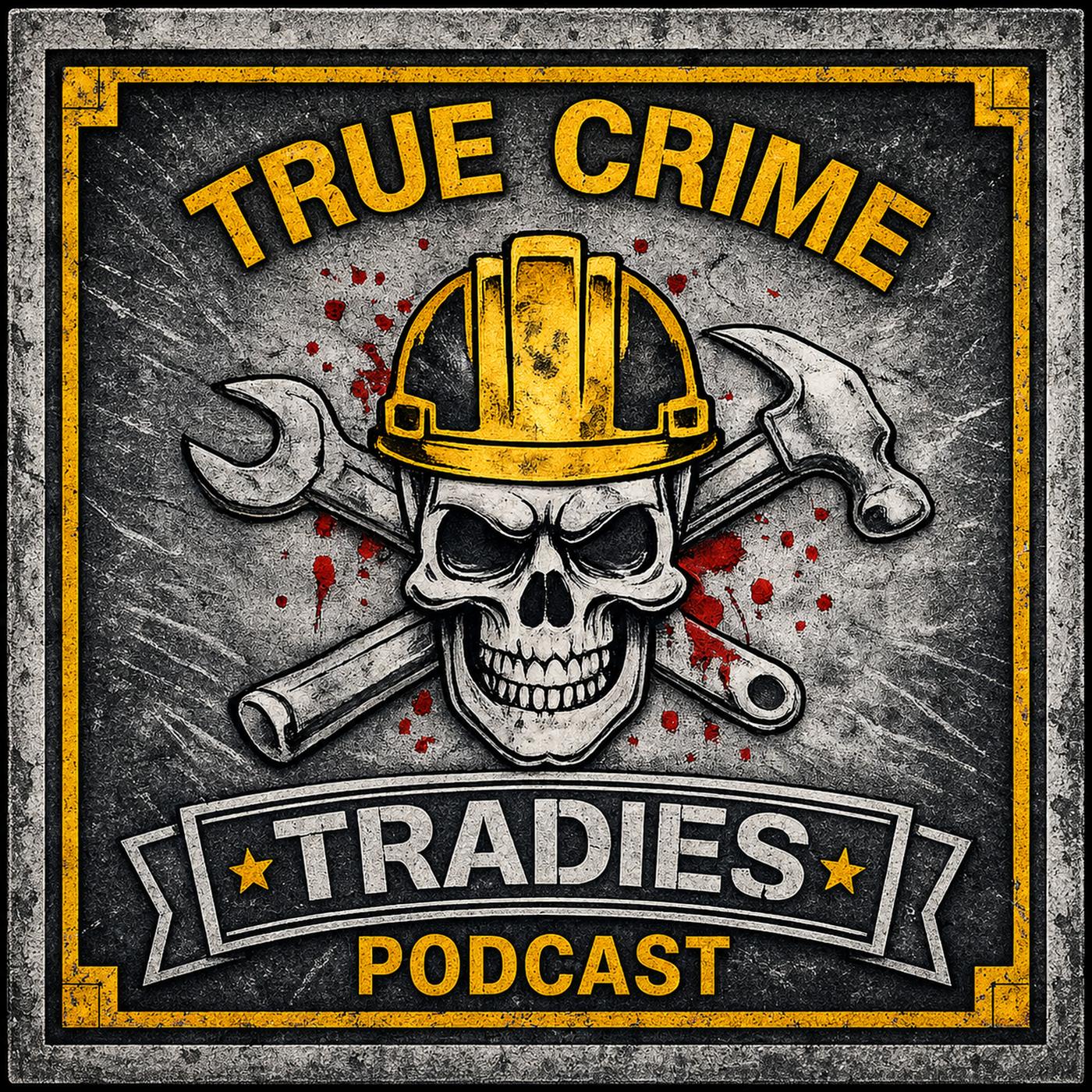
Chris and I are two Melbourne tradies who somehow ended up with microphones in front of us. Neither of us comes from a radio, journalism or media background. We’re just two mates who have always been obsessed with true crime. We’d watch the same documentaries, then spend hours afterwards talking about the evidence, questioning what didn’t add up, throwing around theories and generally taking the piss out of each other. Eventually we realised that conversation might actually make a decent podcast.
Each week we take on a true-crime documentary and break it down from the perspective of two ordinary blokes rather than experts. We discuss the facts, evidence and people involved, share our theories and opinions, and inevitably go completely off track along the way.
The cases themselves can obviously be very serious, and we treat the victims and subject matter with respect, but we don’t take ourselves too seriously. There’s plenty of dark humour, inappropriate jokes, swearing and genuine banter between two mates. We like to think it feels less like listening to a traditional true-crime show and more like sitting around with your mates after watching a documentary.
Our listeners are predominantly true-crime and documentary fans who enjoy the genre but want something a little less polished and more conversational. We’ve been particularly surprised by how well our very Australian sense of humour has travelled, with the show beginning to build an audience outside Australia, especially in the US.
The podcast has now grown to around 29,000 plays and 529 Spotify followers, and we recently joined US true-crime network 11:59 Media.
The funny part is that despite all of that, we’re still working in the trades. We basically go from building things during the week to sitting behind microphones talking about murder cases.
► Why & how did you start this podcast?
We’d both been listening to true-crime podcasts for years, so starting one of our own had always been something we’d talked about. We love the genre, but we also felt there was room for a show that sounded more like the conversations we were already having, two mates discussing a case, arguing over theories and having a laugh along the way.
The motivation was never really to become “podcasters” or make money from it. We wanted to build something of our own, create a community around the show and, hopefully, make something we could genuinely be proud of.
We finally decided to stop talking about it and started True Crime Tradies in December 2025. Neither of us had any experience in podcasting, radio, editing or production, so there was definitely a bit of figuring it out as we went.
From deciding we were actually going to do it to releasing our first episode was only about one week. In hindsight, we probably could have spent months researching equipment, formats and how podcasting was supposed to work, but that probably would have just given us more opportunities to talk ourselves out of it. We bought some gear, worked out the basics and hit records.
Our initial goal was pretty simple: make a show that we would want to listen to ourselves and see if we could find a group of people who enjoyed it too.
That community side of it is still probably the most rewarding part. What started as two tradies having a crack at a podcast has grown into something with listeners around the world, and every new listener, message or review still feels pretty bloody cool.
We’re still massive true-crime podcast listeners ourselves, which I think helps. At the end of the day, we’re fans of the genre first, we just happen to have microphones now.
► How'd you find the time and funding to do this podcast?
We release a new episode every Tuesday morning without fail, and we haven’t missed a week since we launched in December 2025. That consistency is something we’re pretty proud of, especially considering we both still work full-time as carpenters.
As for finding the time, we just make it work. A lot of our spare time now belongs to the podcast. Between watching the documentary or researching the case, writing notes, recording, editing and getting everything ready for release, we’d each spend roughly 10 hours a week on True Crime Tradies.
There are definitely weeks where we wonder why we decided to give ourselves a second job, but we genuinely enjoy doing it. When you start seeing people waiting for the next episode every Tuesday, it also gives you a pretty good reason not to skip a week.
Financially, we’ve kept things fairly simple. Our biggest expense was the initial outlay for microphones and recording equipment, followed by ongoing subscriptions for things like Riverside and Descript, which we use to record and produce the show. We’ve funded everything ourselves from the beginning rather than having outside investment or a production company behind us.
More recently, the podcast has started generating some income through advertising, and we also have listeners who choose to support us through donations. We’re definitely not retiring from the trades anytime soon, but reaching the point where something we created from scratch is beginning to generate its own income has been a pretty satisfying milestone.
For now, the biggest investment is still our time, about 20 hours between us every week, but considering where the show has gone in less than a year, we reckon it’s been worth it.
► What do you gain from podcasting?
What we gain from podcasting is probably less about the money at this stage and more about the feeling that we’ve created something people genuinely enjoy.
We don’t have any traditional sponsorships yet, although that’s definitely something we’d like to explore as the show grows. We currently average around 8,000 downloads a month, and in August we earned US$171 in advertising revenue. It’s not life-changing money, but there’s something pretty cool about a podcast we started from scratch beginning to pay for itself.
The biggest reward, though, is the community that’s forming around the show. It gives us a massive boost knowing there are thousands of people choosing to spend part of their week listening to two tradies from Melbourne talk about true crime.
We regularly get Spotify comments, listener messages and voicemails, and interacting with those listeners has become one of our favourite parts of doing the podcast. We’ve started recognising names that pop up every week, and there’s a genuine sense that people aren’t just listening to the show, they’re becoming part of it.
It’s also been great for our friendship. We already spent plenty of time talking rubbish together, but now we’ve built something we're both genuinely proud of. We’ve had to learn recording, editing, writing, marketing and basically every other part of podcasting from scratch.
There’s also a strange confidence boost that comes with watching the numbers grow. Neither of us came from the media, so seeing thousands of people listening every month makes us think, “Bloody hell, maybe we’re actually alright at this.”
The money and potential sponsorship opportunities are exciting, but right now the biggest gain is having built a community and a show that people keep coming back to every Tuesday.
► How does your podcasting process look like?
Our process is pretty simple, which suits us because neither of us came into this with any production experience.
For each episode, Chris and I watch the documentary separately so we can form our own opinions and pick up on different things without influencing each other too much beforehand. Chris then does the bulk of the writing and preparation for the episode, pulling together the story, key moments and talking points. He also handles most of our social media and promotion.
Once we’re ready, we record remotely from our own houses using Riverside. We don’t have guests, the whole premise of True Crime Tradies is really the conversation and back-and-forth between the two of us. Recording separately also makes it much easier to fit the podcast around work and family life.
After recording, I take over the technical side. I handle all of the editing and computer work, using Riverside and Descript to put the episode together, clean everything up and add the documentary excerpts, trailers or other audio we’re discussing.
Riverside and Descript are pretty much all we need. We’ve learned both as we’ve gone along, and our production has definitely improved since those first few episodes.
It’s probably not the most sophisticated production setup in podcasting, but it works for us, and it means the entire show is still created and produced by just the two of us.
► How do you market your show?
We’ve found that the best marketing for True Crime Tradies has been a combination of Spotify itself, social media and good old-fashioned word of mouth.
Around 80% of our listening currently comes through Spotify, and Spotify has increasingly started recommending the show to new listeners. Looking at our most recent 90-day discovery data, the show generated 171,700 Spotify impressions, which was up 341% on the previous period, resulting in 16,700 plays, up 211%.
Within Spotify, the biggest source of discovery is the Home page, followed by Search and listeners’ Libraries. That’s been really encouraging because it means people aren’t only finding us through our own promotion, Spotify is increasingly putting the show in front of new listeners.
Outside Spotify, Facebook and word of mouth have probably been the most effective ways of actually spreading the word about the podcast. Facebook seems to work particularly well for true-crime audiences, and we regularly see people recommending the show or tagging friends.
Instagram works a little differently for us. We tend to get more engagement and reach there from Reels, episode clips and posts, so we use it more for short-form content and keeping the show visible between weekly episodes.
We’re still learning the marketing side as we go. We don’t have a big advertising budget or marketing team, so most of our growth has been organic. We consistently release every Tuesday, stay active on social media and interact with the people who listen.
Ultimately, the most valuable marketing has been listeners enjoying the show enough to tell someone else about it. For two tradies without a media or marketing background, that’s probably the best endorsement we could ask for.
► What advice would you share with aspiring (new) podcasters?
The biggest advice we’d give is just have a go and don’t be afraid to put yourself out there. You can spend months researching how to start a podcast, but at some point you just need to hit record and learn as you go. We certainly did.
One of the biggest things we learned was to find out what tools and resources are available as early as possible. It took me about 10 episodes before I discovered Descript existed. Until then, I was painstakingly cutting documentary audio clips using a basic editing program that basically gave me nothing but sound waves to work with. When I finally found Descript, I remember thinking, “Where the hell was this 10 episodes ago?”
Join podcasting forums, Facebook groups and online communities. There are plenty of people willing to share advice, recommend software and help solve problems you didn’t even know you were going to have. They’re also great places to meet other podcasters and promote your show, as long as you’re contributing to the community rather than just constantly dropping links.
Most importantly, be patient. It takes time to get traction. Early on it’s very easy to become obsessed with download numbers and wonder why more people aren’t listening.
We’ve learned to focus more on quality than quantity. Make every episode a little better than the last one. Improve your audio, editing, preparation, artwork, social media and how comfortable you are behind the microphone. If the show keeps improving, the audience can grow organically with it.
We’re still learning ourselves, but looking back at our first episode compared with where we are now, the difference is enormous.
Try to have a point of difference, there's millions of podcasts out there so you want to stand out from the rest, but finally, start before you think you’re ready, keep improving, and give people enough time to find you.
► Where can we learn more about you & your podcasts?
You can find True Crime Tradies wherever you normally listen to podcasts, and we’ve included all of our podcasts and social links below.
If you give us a listen, don’t be afraid to get involved. Send us a message, leave a comment, drop us a voicemail, tell us when you think we’re completely wrong or suggest a documentary or case you think we should cover. The interaction with our listeners has become one of our favourite parts of doing the show.
Thanks for reading, and hopefully we’ll see you every Tuesday.
Follow True Crime Tradies on the socials:
Insta: https://www.instagram.com/truecrimetradies/
TikTok: https://www.tiktok.com/@truecrimetradies
YouTube: https://www.youtube.com/@TrueCrimeTradies
Facebook: https://www.facebook.com/profile.php?id=61585868453160
Support True Crime Tradies on Ko-Fi:
https://ko-fi.com/truecrimetradies
Leave us a voicemail:
https://www.speakpipe.com/True_Crime_Tradies