

► Tell us about you and your podcast
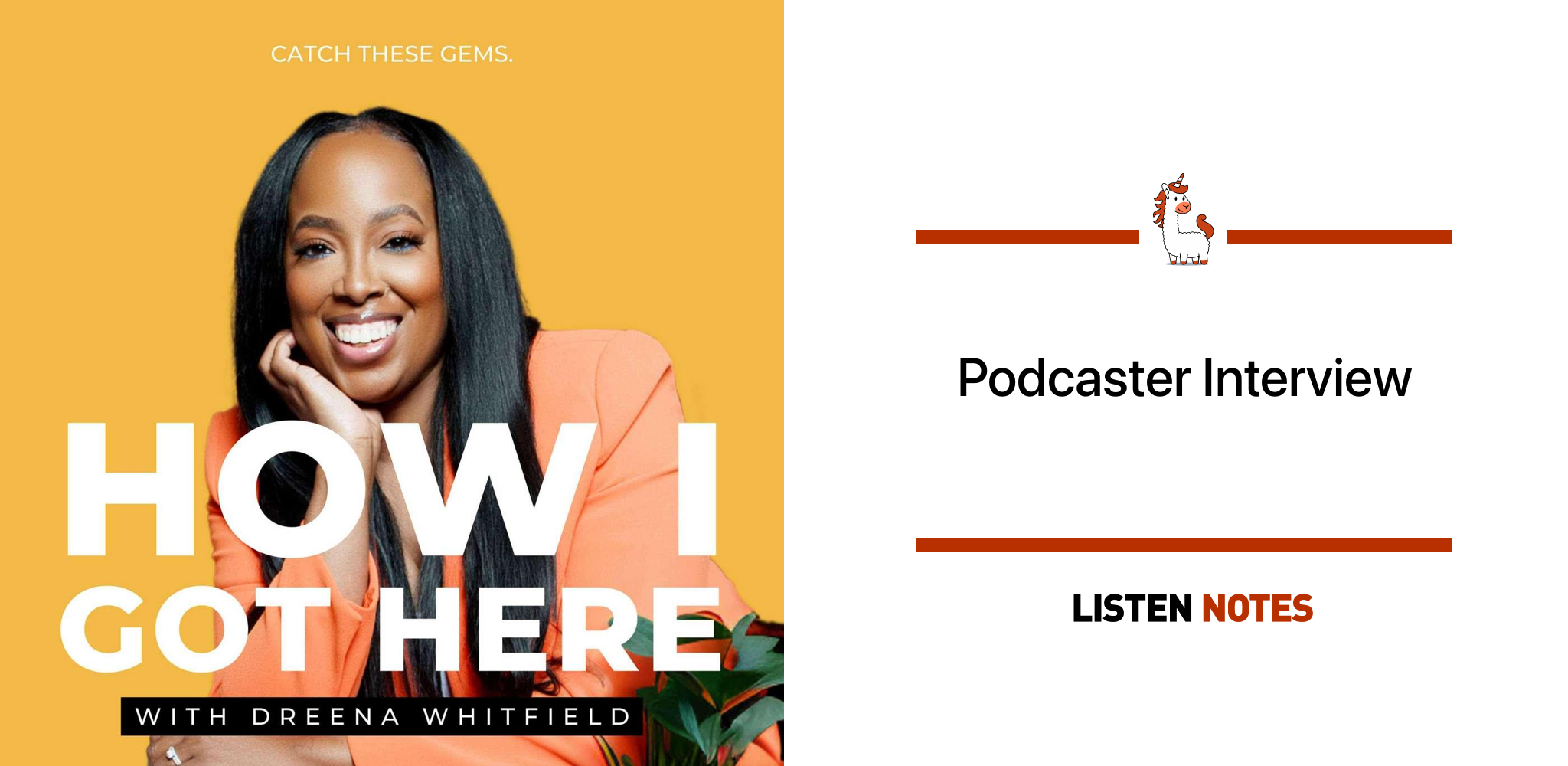
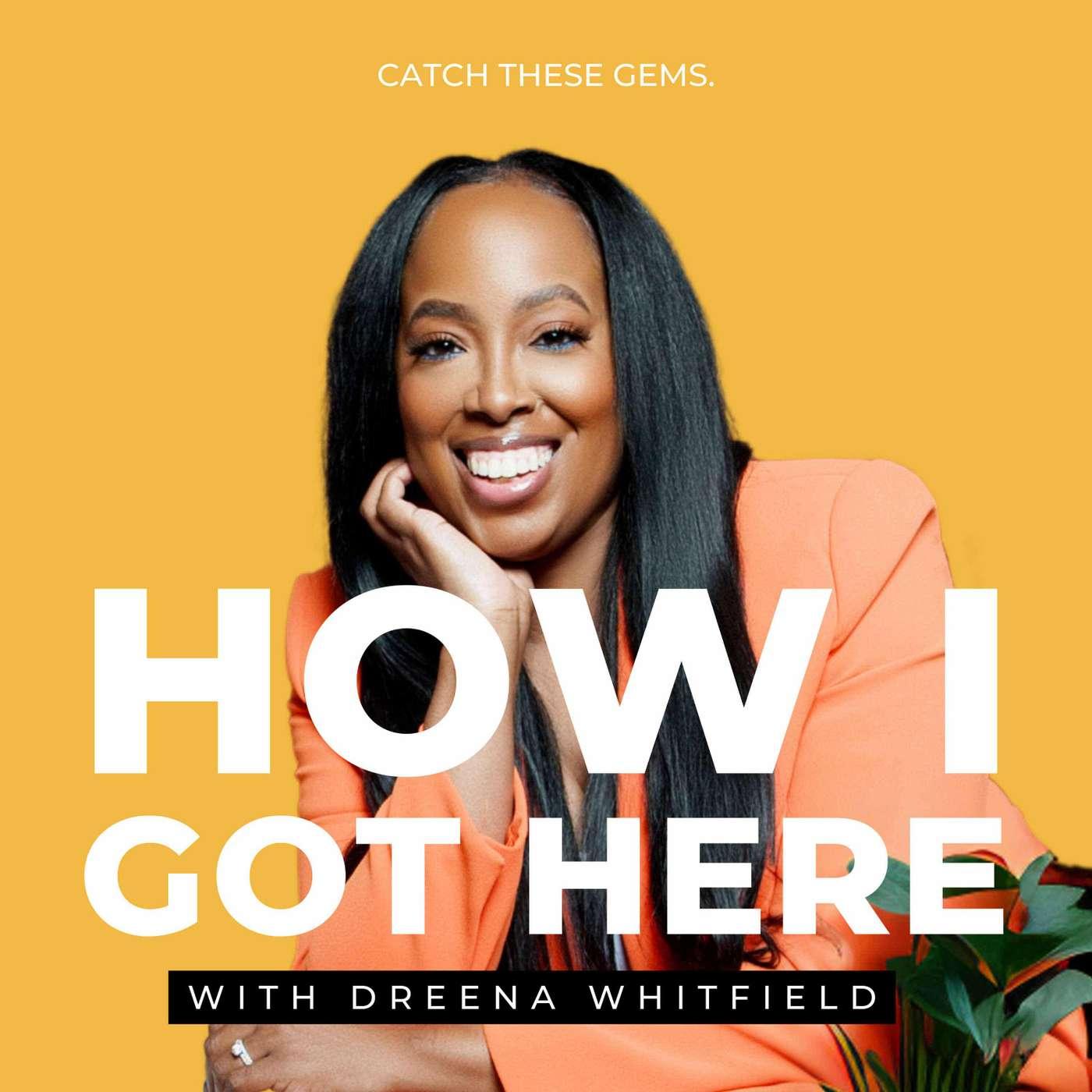
I'm Dreena Whitfield, founder and CEO of WhitPR, an award-winning public relations agency. How I Got Here is where I sit down with accomplished Black women founders, executives, and changemakers for the conversation behind the highlight reel. Think two girlfriends, maybe your most accomplished one, grabbing coffee or a glass of wine and finally having the real conversation. The good, the bad, the trials, the roadblocks, and what kept them going. Recent guests include Chantel Powell, founder of the natural kids deodorant brand Play Pits, Mary-Pat Hector, CEO of Rise, Kim Roxie, founder of LAMIK Beauty, and interior designer Amber Guyton of Blessed Little Bungalow. Our listeners are ambitious women, especially Black women, who are building something and want the real story, not the polished version.
► Why & how did you start this podcast?
I've spent my career as a publicist helping other people tell their stories, and I kept sitting in rooms hearing the honest versions, the parts that never make the press release. Those unpolished parts are where the actual lessons live. I launched How I Got Here in 2021 to make space for them. From idea to first episode took a few months. It was a great concept, but neither my producer nor I had ever made a podcast, so those months went into developing the show and learning how to actually create and produce one. What started as conversations I was already having off the record with women in my network has grown into four seasons and a live summit series.
► How'd you find the time and funding to do this podcast?
The honest answer is a great team and a rhythm that works. I host, and my executive producer Keena Williams runs everything behind the scenes, from research and writing to editing and distribution. We release new episodes biweekly on Wednesdays, and an episode takes about three to five hours to go from recording to publication. The show runs alongside my full-time work leading WhitPR rather than competing with it, and we fund it ourselves through the agency. Our 2026 Summit Series was recorded live at the New Brunswick Performing Arts Center, five conversations in front of an audience, which was our biggest production to date.
► What do you gain from podcasting?
Relationships and trust, more than anything. We do take on partnerships when they're the right fit, including sponsors for our live Summit Series, but the show isn't ad-driven. The relationships are the return. The show has deepened my network in ways that flow directly back into my work at WhitPR, and it gives our guests a space to be fully seen. Some of the most meaningful feedback comes from the guests themselves, who tell us they've never been asked questions that showed that level of homework. When a guest realizes you know her story cold, the conversation changes.
► How does your podcasting process look like?
Research is the backbone. Before we ever sit down, I know my guest's story in detail, sometimes better than she expects. We record on video, sometimes in person and sometimes as a virtual taping, and my producer handles assembly in Descript, including sound leveling and quality checks. We host on Transistor, which distributes to Apple Podcasts, Spotify, Amazon Music, and iHeartRadio, and we publish full video episodes on Substack and YouTube. As for guests, we find them out in the world. Women we see building something interesting and making it happen, whether that's a founder we came across online, someone making waves in her industry, or a story a listener sent our way. If she's doing the work and willing to go beneath the surface, we want the conversation.
► How do you market your show?
Full video lives on Substack and YouTube, and we use short clips to drive listeners to Apple Podcasts and Spotify. The show has also been approved for Apple Podcasts' new video feature, so full video episodes are coming to Apple as well. Instagram is our most active social channel, and every guest receives a full toolkit of clips, artwork, and caption copy so sharing their episode is effortless. We've also invested seriously in discoverability, making sure the show is accurately represented everywhere search and AI engines look, from IMDb to Podchaser to directories like Listen Notes.
► What advice would you share with aspiring (new) podcasters?
Do the homework. The best moments in our episodes happen because the research was done long before the cameras came on. Guests can feel the difference between a host who studied them and a host who skimmed a bio, and they open up accordingly. And let the conversation breathe. Some of the realest answers come when you resist the urge to fill the silence and give your guest room to finish the thought she almost didn't say. As for resources, our best one was the podcasts themselves. We studied what was already out there, and that's where we saw our opening: so much of it covered the strategy side of business, and we wanted to build something for the other side, the part entrepreneurs live but rarely hear discussed.
► Where can we learn more about you & your podcasts?
Substack: https://howigotherewdreenaw.substack.com
YouTube: https://www.youtube.com/channel/UCx2kd_RFF4HbwvDZ2_fU4Rw
Apple Podcasts: https://podcasts.apple.com/us/podcast/how-i-got-here-with-dreena-whitfield/id1548834631
Spotify: https://open.spotify.com/show/4GDkKpXZBeO5Cf4ljowRuK
Instagram: https://www.instagram.com/howigothere_/
WhitPR: https://www.whitpr.com
IMDb: https://www.imdb.com/title/tt40761416/