

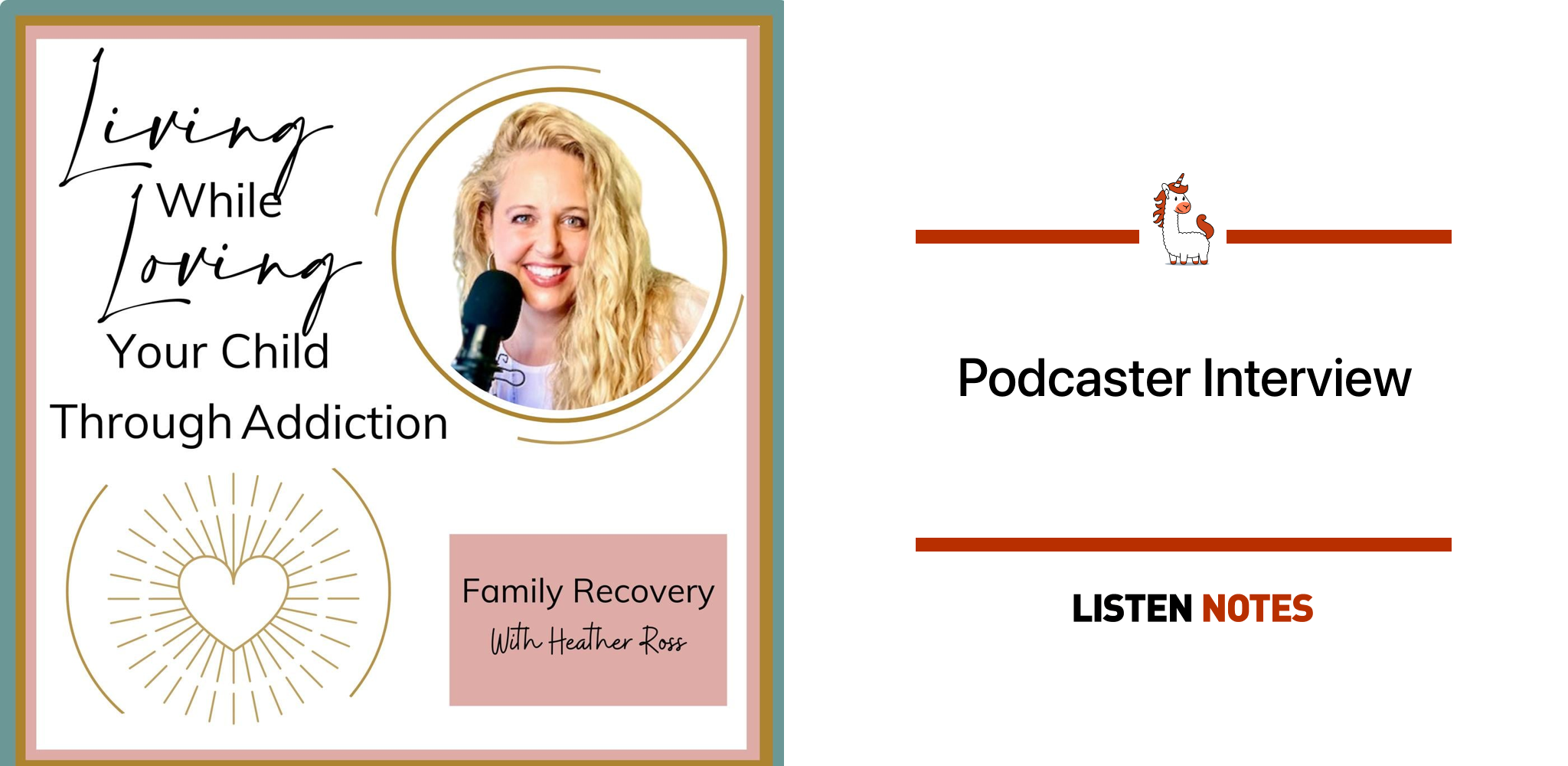
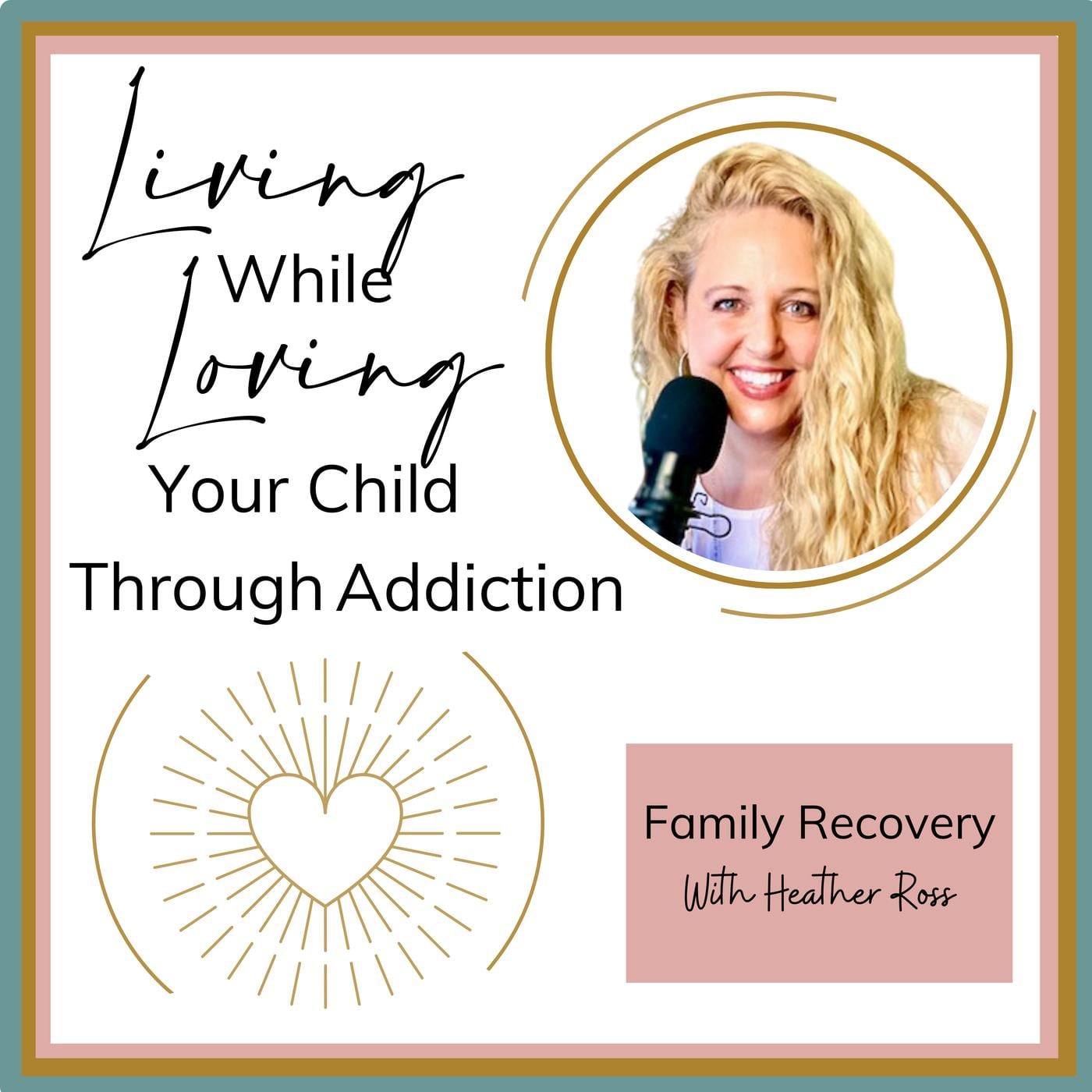
► Tell us about you and your podcast
I’m Heather Ross, a family recovery coach, podcast host, and mother who has personally walked through the pain of loving a child struggling with substance use disorder. My daughter, Helanna, struggled for years before eventually entering recovery. After a recurrence of use, she passed away from an overdose. That experience completely changed the direction of my life and the work I do today.
For the first five years of my daughter’s struggle, I searched desperately for help and kept finding the same advice: detach, stop helping, set harsher boundaries, and wait for rock bottom. Much of that advice increased fear, shame, conflict, and disconnection in our family instead of helping.
It took me five years to finally find evidence-based approaches like CRAFT (Community Reinforcement and Family Training) and Invitation to Change, and when I did, the shift in my daughter’s response was profound. Even after years of escalating substance use, she responded incredibly well to approaches rooted in compassion, understanding, nervous system safety, and relationship.
That experience changed my entire understanding of addiction and family recovery. I realized families are suffering under outdated tough love advice that often is not supported by modern addiction science, and many parents have no idea there are other options available to them. I started my podcast because I wanted to create the kind of support I desperately needed but could not find during the hardest years of my life.
My listeners are primarily parents who feel terrified, exhausted, heartbroken, and unsure how to help their child anymore. Many have already tried therapy, support groups, treatment centers, or traditional advice and still feel stuck.
The podcast gives them much needed hope, a new lens rooted in science, and practical strategies that help families create more peace, stability, and influence at home.
► Why & how did you start this podcast?
I started the podcast because I saw how many parents were suffering in silence and isolation, and how much damaging information families were still receiving around addiction. I remember desperately searching for answers during my daughter’s struggle and hearing the same messages over and over: detach, stop helping, let her hit rock bottom. Much of that advice increased fear, shame, and disconnection in our family instead of helping.
Once I discovered approaches like CRAFT and Invitation to Change, everything about the way I related to my daughter changed. Our relationship healed. I realized families were not powerless and that parents needed practical, compassionate guidance instead of stigma and blame.
Podcasting felt like the best format because parents often listen while driving, cleaning, walking, or lying awake at night worrying about their child. The medium creates a level of intimacy and connection that’s hard to achieve anywhere else. Many listeners tell me it feels like sitting with a trusted friend who understands what they’re going through. On their hardest days they turn to the podcast for comfort.
I launched the podcast in 2020. I moved fairly quickly once I decided to do it because I cared more about helping people than making it perfect. I recorded and released my first episode within a few weeks of deciding to start. The early episodes don’t have great sound but they still help desperate parents.
Demystify the podcasting process
Get a free weekly email in which podcasters share their creative experiences. Stay informed and inspired.
► How'd you find the time and funding to do this podcast?
I currently release 2 episodes per month, although occasionally I’ll release additional episodes when there’s an important topic I want to address. Depending on the complexity, an episode can take anywhere from a couple of hours to a full day between outlining, recording, editing, graphics, uploading, and promotion. I do everything myself.
I run a coaching business alongside the podcast, so time management has definitely been a learning process. The podcast is deeply connected to my mission and business, so I see it less as a separate project and more as an extension of the work I already do helping families.
I fund everything myself. My expenses include editing software, microphones, email marketing, graphics, and promotion. I intentionally kept things simple at first rather than waiting until I had expensive equipment or a big production setup.
► What do you gain from podcasting?
Podcasting has brought me opportunities, connections, friendships, clients, and meaningful conversations I never would have had otherwise. But more than anything, it’s given me a way to turn one of the most painful experiences of my life into something that helps other families feel less alone.
My daughter, Helanna, passed away after a recurrence of substance use, and this work helps me honor her memory in a meaningful way. I know she would love knowing that our experience is helping other families suffer less, reconnect, and find hope sooner than we did.
I do not rely on sponsorships because I’m very protective of the trust I’ve built with my audience. The podcast primarily supports my coaching business, programs, and broader mission of changing how families understand addiction and recovery.
The biggest benefit has honestly been the messages I get from listeners. Parents often tell me they finally feel understood for the first time or that the podcast changed the way they see addiction and relate to their child.
The show has also helped position me as a voice in the family recovery space and has opened doors for speaking opportunities, collaborations, and growth in my coaching business.
► How does your podcasting process look like?
My process is fairly simple and relationship-driven. I usually create episodes based on patterns I’m seeing in my coaching work, conversations happening in parent support groups, or questions families are struggling with repeatedly.
I use a Shure microphone, Zoom for guest interviews, Canva for graphics, and adobe podcast for editing.
I do a lot of solo episodes but when I have guests, they’re typically authors, trusted treatment professionals, recovery advocates, or parents with lived experience. I find many of them organically through networking, social media, books I’m reading, or referrals from others in the field.
I don’t over-script episodes because I want the show to feel human and conversational. I usually prepare key talking points but follow the conversation when I’m interviewing someone.
► How do you market your show?
Most listeners find the show through podcast platforms like Apple Podcasts and Spotify, but social media, email marketing, collaborations, and word-of-mouth have also played major roles in growth. I have never paid for advertising.
My audience is highly relationship-driven, so the most effective marketing has been sharing meaningful content that genuinely helps them and makes them want to share it to help others.
► What advice would you share with aspiring (new) podcasters?
Don’t make it harder than it has to be and don’t wait until everything is perfect to start. I started with no sound editing, a cheap microphone, and a desire to help families. I figured out how to get started using Google and watching videos.
It’s easy to spend months obsessing over equipment, branding, or having the perfect strategy when what actually matters most is high quality content.
Another important lesson is that growth can happen slower than you expect in the beginning but don’t give up. Initially I only had 30 listeners and now the podcast is in the top 2%.
► Where can we learn more about you & your podcasts?
Website: https://heatherrosscoaching.com/
Podcast -Living While Loving Your Child Through Addiction: https://open.spotify.com/show/0mmPbUXGEFzrAQ2KVxFWuD
Instagram: @heatherrosscoaching
Facebook: @heatherrosscoaching
Free Guide: A New Perspective About Enabling: https://heatherrosscoaching.com/perspective-about-enabling/