

UDSKRIFT 🔗
WEBVTT
00:07.068 --> 00:08.310
[SPEAKER_06]: Axis Mooney.
00:15.939 --> 00:21.205
[SPEAKER_06]: One million neighbors is brought to you by a party, the Asian Pacific American Religions Research Initiative.
00:21.946 --> 00:30.797
[SPEAKER_06]: It's part of the Under Gods Project funded by the Henry loose foundation, and the AAPI stories of faith in life project funded by the Lillian Downman Incorporated.
00:31.098 --> 00:36.853
[SPEAKER_03]: We will not stop until all of our friends are free and until none of our neighbors are ready to do.
00:36.873 --> 00:37.976
[SPEAKER_03]: Do you want to take some of us?
00:38.016 --> 00:39.339
[SPEAKER_03]: You have to do all of us?
00:39.680 --> 00:41.384
[SPEAKER_04]: That's Reverend Ashley Haran.
00:41.846 --> 00:45.495
[SPEAKER_04]: At a protest outside the Fouple Fed Robilding in Minneapolis.
00:46.252 --> 00:50.479
[SPEAKER_04]: This was one week after Alex Pretty was killed by ICE agents.
00:51.040 --> 00:59.275
[SPEAKER_02]: I serve as the vice president for programs and ministries at the Unitarian Universal Association and I'm a resident of South Minneapolis.
00:59.956 --> 01:02.881
[SPEAKER_04]: This is Reverend Hiran on the day Alex Pretty died.
01:03.242 --> 01:06.608
[SPEAKER_04]: They cannot tell us that we are not being things that we are seeing.
01:06.949 --> 01:11.196
[SPEAKER_04]: January 7th, in January 24th, 2026,
01:11.176 --> 01:16.952
[SPEAKER_04]: Our days that Minnesotans will connect to Renee Good and Alex Pretty for a long time.
01:17.975 --> 01:20.020
[SPEAKER_04]: They've been warned around the country and the world.
01:20.822 --> 01:25.455
[SPEAKER_04]: They're memorialized in songs by YouTube, Billy Bragg, and Bruce Springsteen.
01:26.583 --> 01:37.660
[SPEAKER_04]: More than 50 years after the story of 1 million neighbors began, with the fall of Saigon and the moral decision of American religious people to welcome strangers fleeing violence.
01:38.421 --> 01:42.948
[SPEAKER_04]: In Minnesota, every day people faced a new moral choice.
01:44.570 --> 01:47.915
[SPEAKER_04]: Here's how Reverend Haran described the two sides in a sermon.
01:48.356 --> 01:50.920
[SPEAKER_02]: Friends, I want to tell you about the Whipple Building.
01:51.710 --> 02:05.444
[SPEAKER_02]: about how it has become the staging grounds for hundreds of federal agents who deploy into our neighborhoods to kidnap anyone who looks like they might be an immigrant, whatever that means, or who tries to document what they're doing.
02:07.086 --> 02:17.076
[SPEAKER_02]: I want to tell you about how the people they snatch both adults and children are sleeping on concrete floors without medical treatment or food or water.
02:18.423 --> 02:23.828
[SPEAKER_02]: how they're refusing entry to family, to clergy, to lawyers, to elected officials.
02:25.570 --> 02:33.838
[SPEAKER_02]: And how they release people at two or three in the morning with no phone, no coat, no way to get home in the sub-zero night.
02:34.839 --> 02:41.865
[SPEAKER_04]: But Reverend Ho Rand was already seeing every day people choosing to be on the other side of that moral equation.
02:42.346 --> 02:44.548
[SPEAKER_02]: So I want to tell you about my neighborhood.
02:45.440 --> 02:54.919
[SPEAKER_02]: how every single block has a block captain and an active signal thread with active conversations happening in Spanish and English and Somali.
02:56.021 --> 03:06.081
[SPEAKER_02]: Neighbors giving each other rides, delivering groceries, alerting each other when ice rolls through and coming outside of their houses in slippers and bathrooms to protect each other.
03:07.107 --> 03:16.921
[SPEAKER_02]: How the young queers stand bundled up next to the graying elders in neon vests keeping watch on street corners, how in some ways, in many ways.
03:17.622 --> 03:21.849
[SPEAKER_02]: My neighborhood feels safer and more protected now than it ever has before.
03:22.369 --> 03:31.022
[SPEAKER_04]: In this show, we've told the complicated story of choices Americans made about how to treat strangers seeking safety and a new home.
03:32.116 --> 03:37.546
[SPEAKER_04]: For the religious Americans who welcomed the strangers into their midst, it was an act of faith.
03:38.829 --> 03:45.341
[SPEAKER_04]: In each instance, no one knew what would grow from that act of kindness and generosity.
03:46.403 --> 03:48.046
[SPEAKER_04]: This is our final episode.
03:49.309 --> 03:54.799
[SPEAKER_04]: Today we'll look at the fruit America is now harvesting in places like Minnesota.
04:25.795 --> 04:40.919
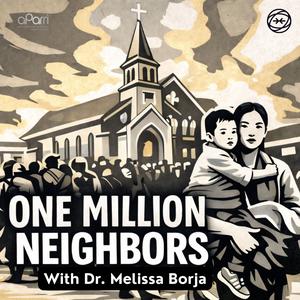
[SPEAKER_04]: This limited podcast series is about one time American faith communities mobilized to do the impossible, resettling more than a million Southeast Asian refugees in the face of widespread hostility toward migrants.
04:42.141 --> 04:45.627
[SPEAKER_04]: This is episode six, Legacy's.
05:01.351 --> 05:10.864
[SPEAKER_02]: homespun resistance movement in Minneapolis is winning not because we're superheroes or because we have some finely crafted strategy or a secret weapon.
05:11.465 --> 05:17.653
[SPEAKER_02]: We're winning because we are embodying what it looks like to put love at the center of everything we do.
05:17.693 --> 05:24.543
[SPEAKER_04]: Reven Heran is not so different from the religious leaders we've highlighted in many other episodes of this show.
05:25.023 --> 05:28.388
[SPEAKER_02]: I want to tell you about people of faith and conscience.
05:28.925 --> 05:32.390
[SPEAKER_02]: about religious leaders, about mosques and churches and synagogues.
05:33.011 --> 05:49.617
[SPEAKER_02]: About how our congregations are hosting community dinners, collecting mutual aid and rent assistance funds, converting sanctuaries and RE classrooms into warming hubs and supply distribution centers, opening doors for direct action trainings and neighborhood organizing meters.
05:49.597 --> 06:02.412
[SPEAKER_04]: Compare that to the churches in their Matthew 25 sponsorship committees and the voluntary agencies who
Load full transcript
lobbied the government to bring refugees from war zones into their own homes in the 1970s and 80s.
06:03.713 --> 06:11.943
[SPEAKER_04]: The religious communities gave the government a moral release valve after bombing countries like Cambodia, Laos, and Vietnam.
06:12.483 --> 06:19.131
[SPEAKER_04]: The thing that's changed is that now
06:19.246 --> 06:21.669
[SPEAKER_04]: Now, they're the opposing forces.
06:22.170 --> 06:41.895
[SPEAKER_02]: I want to tell you about how our faith leaders are regularly showing up as movement chaplains, facing down tear gas in thalates and stalls, risking their bodies in disciplined non-violent direct actions that make it impossible for corporations and federal agents and government officials and the media to ignore this moral crisis.
06:42.837 --> 06:50.830
[SPEAKER_04]: This is not far from the sentiment expressed by St. Paul resident, Joanne Carvinon, and many other Midwesterners in episode two.
06:51.531 --> 07:01.488
[SPEAKER_01]: We had all been, or at least I, was horrified at the Vietnam War in a fact that that had on that country.
07:01.688 --> 07:09.621
[SPEAKER_01]: And so getting involved with the refugee program here was one little thing.
07:10.411 --> 07:25.830
[SPEAKER_01]: that I could do since my letters to the president and Congress haven't done too much, helping individuals directly was something that I wanted to do.
07:26.371 --> 07:29.275
[SPEAKER_04]: Religious people aren't the only ones responding to this moment.
07:30.035 --> 07:39.287
[SPEAKER_04]: The one million Southeast Asian neighbors who arrived after 1975 are also drawing on the past
07:40.027 --> 07:42.410
[SPEAKER_04]: And not just them, their children too.
07:43.110 --> 07:44.792
[SPEAKER_00]: My name is Don Whoah.
07:45.373 --> 07:51.199
[SPEAKER_00]: I'm from a Grand Rapids, Michigan, and I consider myself a second generation immigrant.
07:51.579 --> 08:01.490
[SPEAKER_04]: Let's focus on Don's story, because his choices today are influenced by choices made by his parents, who were resettled in the Midwest more than 40 years ago.
08:01.530 --> 08:06.675
[SPEAKER_04]: His father came following an older brother.
08:07.094 --> 08:10.884
[SPEAKER_00]: Came here with all over family as one of the vote people that came over here.
08:10.904 --> 08:11.866
[SPEAKER_00]: So her story.
08:12.007 --> 08:20.749
[SPEAKER_00]: I know the best due to all of the different experiences and Stories that she shared about coming over here basically she shared that like
08:21.083 --> 08:32.739
[SPEAKER_00]: She came here with a thing, but there's shoes on her feet, which were sandals at the time, the clothes on her body, and that a word of English, and being able to sort of start off towards the working towards the American dream here.
08:32.899 --> 08:34.502
[SPEAKER_04]: So here's what you need to know about, Dawn.
08:35.022 --> 08:41.531
[SPEAKER_04]: Dawn attended a very white school growing up, so we tried to minimize his differences and assimilate as best he could.
08:41.592 --> 08:48.441
[SPEAKER_04]: It wasn't until he attended the University of Michigan that he began to embrace his Vietnamese identity.
08:48.421 --> 09:04.759
[SPEAKER_00]: very interesting to hear stories from from back at home, you know, when they grew up in how coming up in America and how drastically different that is to essentially start over, you know, the life that you knew and to start from scratch to build a new life that.
09:04.840 --> 09:13.254
[SPEAKER_00]: You know, in a language that you don't necessarily understand, you know, even to this day right there, there are some cultural differences that they're still navigating with and how do you build a life in that?
09:13.374 --> 09:18.582
[SPEAKER_00]: And so that's something that really doesn't form me as a second gen immigrant as I navigate.
09:18.622 --> 09:20.545
[SPEAKER_00]: He has a young American, right?
09:20.666 --> 09:25.313
[SPEAKER_00]: Is there, their history is sort of what kind of leads the way that I navigate now?
09:25.293 --> 09:28.478
[SPEAKER_04]: He landed a corporate engineering job after graduating.
09:29.379 --> 09:37.192
[SPEAKER_04]: But values he was gleaning from his parents, migration stories made him hungry to do something meaningful and authentic to his identity.
09:38.093 --> 09:38.754
[SPEAKER_04]: So we quit.
09:40.176 --> 09:43.121
[SPEAKER_04]: Instead, he's working in mental health services.
09:43.962 --> 09:50.693
[SPEAKER_00]: And in his free time, he supports the work of... A Grand Rapids Rapid Response to Ice Program here that I've...
09:51.027 --> 09:56.695
[SPEAKER_00]: I'm very privileged to engage with and support as well as the work from co-satia.
09:57.035 --> 10:08.171
[SPEAKER_04]: And that work that protects undocumented immigrants, and no detention centers in Michigan, a statewide coalition that aims to abolish immigration detention and migrant incarceration.
10:09.653 --> 10:14.019
[SPEAKER_04]: And the reason for the shift, his family's refugee history.
10:14.620 --> 10:16.022
[SPEAKER_00]: One of the things that I
10:16.205 --> 10:30.518
[SPEAKER_00]: I think about is sort of just the demographic, the geographical, like, lottery that I went through because these could be the situations that my family could be and if I was born in a different town or different city, in a different community.
10:30.667 --> 10:36.894
[SPEAKER_04]: In the migrants facing family detention and deportation, he sees his own family.
10:36.954 --> 10:43.421
[SPEAKER_00]: I think it's sort of the heart at the cause for me is that these are the individuals that are being impacted.
10:43.461 --> 10:45.023
[SPEAKER_00]: And these could be my family members.
10:45.103 --> 10:50.268
[SPEAKER_00]: These could be my dad, my mom, my brother that could be captured and being deported.
10:50.328 --> 10:56.455
[SPEAKER_00]: And so it kind of breaks my heart that these individuals are being targeted this way and that.
10:56.435 -->
10:59.598
[SPEAKER_00]: you know, our neighbors, some of them are not doing anything about that, right?
10:59.678 --> 11:07.165
[SPEAKER_00]: So it's helpful for me to activate individuals or to get the conversation going or to get people to care about the fact that this is not okay.
11:07.825 --> 11:13.130
[SPEAKER_00]: I think that's sort of the part that's most meaningful for me is that, I mean, this could happen to me.
11:13.651 --> 11:23.860
[SPEAKER_04]: When describing his commitments, he uses the same language that refugee advocates used a half century ago when they were talking about Southeast Asian
11:24.042 --> 11:24.603
[SPEAKER_04]: neighbors.
11:24.983 --> 11:38.760
[SPEAKER_00]: Knowing that these individuals are just as hard working and have their own families and children, their parents, grandparents, and their own lives here doesn't have any less value than those who do not look like them, right?
11:38.780 --> 11:52.918
[SPEAKER_00]: And so making sure that they feel like they're supported by their fellow neighbors, whether it's doing these preventative actions, teachings, doing things
11:53.405 --> 11:57.631
[SPEAKER_00]: You know, these institutions don't take our neighbors away, right?
11:57.651 --> 12:08.107
[SPEAKER_04]: Like so many other people who come from refugee families and who are members of Gen Z, Don has experienced to multidisciplinary and economic times.
12:09.089 --> 12:11.352
[SPEAKER_04]: He's deeply uncertain about the future.
12:12.354 --> 12:17.742
[SPEAKER_04]: And yet, he's grounded in the values he inherited from his refugee parents.
12:17.823 --> 12:23.671
[SPEAKER_00]: And so whatever the future holds, I still am committed to being able to uplift you the most marginalized.
12:23.711 --> 12:29.819
[SPEAKER_00]: That's my goal because I want to be able to know that in the future I was on the right side of history.
12:29.859 --> 12:35.286
[SPEAKER_04]: Than who grew into the neighbor he is today thanks to his refugee parents.
12:36.207 --> 12:41.434
[SPEAKER_04]: And now he's motivated to protect people who reflect his own experience back to him.
13:10.372 --> 13:17.066
[SPEAKER_04]: Pemison Owens arrived in America, not knowing much about her new home, but open to all possibilities.
13:17.708 --> 13:22.217
[SPEAKER_05]: I arrived in Chicago, 1981, in January, during a blizzard.
13:22.658 --> 13:28.110
[SPEAKER_05]: She'd grown up in the tropical climate of louse, so she'd never seen a snow covered landscape.
13:28.360 --> 13:30.643
[SPEAKER_05]: As a kid, she came to a simple conclusion.
13:30.663 --> 13:35.388
[SPEAKER_05]: So, of course I thought, oh my god, it's the land of ice cream.
13:35.708 --> 13:43.057
[SPEAKER_04]: Of course, she was bitterly disappointed when she felt the cold air on her face and didn't find herself living in Candyland.
13:43.517 --> 13:50.385
[SPEAKER_04]: But with help from a Baptist Church in a wide WCA, Pemison and her family built a life in the Midwest.
13:51.040 --> 13:57.906
[SPEAKER_04]: She grew up so integrated in the community that years had passed before she realized that she's actually a refugee.
13:58.567 --> 14:09.156
[SPEAKER_05]: I think it's my experience and my aha moment when I finally figured that, oh my gosh, I'm a refugee and I came from war, I did had no idea that I came from war.
14:10.698 --> 14:19.866
[SPEAKER_05]: And when I found this out, I didn't just immigrate here because of the weather or the jobs.
14:20.639 --> 14:27.701
[SPEAKER_05]: There was a war, there was a war, my country, you know, is bombed.
14:28.644 --> 14:31.071
[SPEAKER_05]: The revelation transformed her.
14:31.355 --> 14:36.962
[SPEAKER_05]: When I discovered this, and I discovered that I was a refugee, I felt empowered.
14:37.422 --> 14:45.652
[SPEAKER_04]: Around the time she had that revelation, she was like done, a student at the University of Michigan, where she was enrolled in a social work class.
14:46.153 --> 14:59.168
[SPEAKER_05]: One of the assignments in this class was to pretty much write a narrative about your identity, what's your passion, and do you see a need for change and how can you be an agent of change?
14:59.435 --> 15:02.179
[SPEAKER_05]: That class had changed the course of her life.
15:02.499 --> 15:07.246
[SPEAKER_05]: And so at that time, I was a board member at a community garden.
15:08.567 --> 15:10.690
[SPEAKER_05]: And I thought, OK, I love gardening.
15:10.710 --> 15:11.371
[SPEAKER_05]: I love food.
15:11.431 --> 15:11.992
[SPEAKER_05]: I love eating.
15:12.052 --> 15:13.955
[SPEAKER_05]: OK, so let's put that down.
15:14.015 --> 15:20.684
[SPEAKER_05]: And that got her thinking about how she could connect these interests with her identity as a refugee.
15:21.345 --> 15:25.831
[SPEAKER_05]: So my capstone senior project I decided to create a refugee garden.
15:26.512 --> 15:28.294
[SPEAKER_05]: So in doing so,
15:28.274 --> 15:40.723
[SPEAKER_05]: Collaborate it with the University of Michigan, the campus farm, and then with Jewish family services, which is Washington, all counties, largest resettlement, refugee resettlement agency.
15:41.565 --> 15:46.958
[SPEAKER_04]: With that, her project, Refugee Garden Initiatives, was off and running.
15:47.174 --> 15:57.832
[SPEAKER_04]: Pretty soon, Emma's on found herself meeting with the refugees from around the world and helping them do the healing and nourishing work of growing foods that help them feel at home.
15:58.793 --> 16:09.992
[SPEAKER_05]: During that process, I was able to meet 14 refugee families and I just wanted to be able to provide culturally appropriate foods for
16:11.373 --> 16:21.225
[SPEAKER_05]: I guess my community, people like me, people who have come in here and not being able to get the foods that they normally eat or have to travel far or just cost too much.
16:21.586 --> 16:25.550
[SPEAKER_04]: Her own experience in America was bitterly disappointing as a small child.
16:26.331 --> 16:31.998
[SPEAKER_04]:
She'd imagined a land of ice cream, but found only bitter wind and snow in reality.
16:32.038 --> 16:39.928
[SPEAKER_04]: Now, she understood what a difference it could make to have comforting familiar food in a strange land.
16:39.908 --> 16:46.560
[SPEAKER_05]: and I wanted to find a solution how we can make that more accessible and affordable for refugees coming in here.
16:46.600 --> 16:51.549
[SPEAKER_05]: When I started that project, I was only concentrating on food.
16:52.291 --> 17:02.710
[SPEAKER_05]: However, I would say like three months into the project, I got to know the clients pretty well and they felt very comfortable with me.
17:04.343 --> 17:12.743
[SPEAKER_04]: these close relationships with refugees helped her to understand the formative experience that was core to her own identity as well.
17:13.324 --> 17:15.349
[SPEAKER_05]: One of the clients that I
17:16.173 --> 17:20.358
[SPEAKER_05]: really, really got to admire her name as Janine.
17:20.999 --> 17:24.943
[SPEAKER_05]: She was the sweetest person she came from the refugee in the Congo.
17:25.204 --> 17:26.706
[SPEAKER_05]: She was a spinach farmer.
17:27.527 --> 17:31.672
[SPEAKER_05]: So she wanted to make sure that we had the same typo spinach.
17:31.972 --> 17:34.034
[SPEAKER_05]: And I thought, well, this is interesting.
17:34.215 --> 17:36.718
[SPEAKER_05]: And we found the exact type that she wanted.
17:36.778 --> 17:40.442
[SPEAKER_05]: And it was, I think it just really made them feel,
17:40.422 --> 17:49.879
[SPEAKER_05]: the whole group, not just any, but everybody feel at home to be able to say, hey, I'm growing the same type of a variety that we grow at home on my expert in this.
17:50.079 --> 17:55.649
[SPEAKER_05]: The project proves such a success that she continued it, even after her capstone project concluded.
17:55.910 --> 18:00.017
[SPEAKER_05]: So after I graduated, I continued my project.
18:00.655 --> 18:05.245
[SPEAKER_05]: And I expanded it to include more than just food, right?
18:05.565 --> 18:09.594
[SPEAKER_05]: Because I think my narrative was reflecting back on my life.
18:09.714 --> 18:12.219
[SPEAKER_05]: We need more than food to survive.
18:12.260 --> 18:15.045
[SPEAKER_05]: We actually need resources so that we can thrive.
18:15.647 --> 18:19.575
[SPEAKER_04]: The fact that the initiative is led by a refugee is important to her.
18:20.112 --> 18:22.776
[SPEAKER_04]: It makes it really different from other social services.
18:23.378 --> 18:28.787
[SPEAKER_05]: So this is a refugee for refugee garden and initiatives.
18:29.708 --> 18:33.014
[SPEAKER_05]: And I think it's important that there is representation.
18:33.995 --> 18:37.902
[SPEAKER_05]: I think that as far as agencies and
18:38.810 --> 18:47.082
[SPEAKER_05]: groups or organizations that help a certain community, I really believe that the leader really should be somebody from the community.
18:47.703 --> 19:01.122
[SPEAKER_04]: South East Asian refugees like Pemison, whose presence in America was once and continues to be the subject of a lot of controversy, have proven that they can thrive, give back, and lead their communities.
19:04.797 --> 19:16.088
[SPEAKER_04]: Children of Southeast Asian refugees, like Don Hua, have shown that their sense of identity can motivate them to sacrifice their own comfort and material wealth to protect their neighbors.
19:17.069 --> 19:25.738
[SPEAKER_04]: And religious leaders, like Reverend Ashley Haran, continue to sacrifice comfort to instead align themselves with the strangers in their midst.
19:26.499 --> 19:34.467
[SPEAKER_04]: Even when that puts them at odds with the government.
19:37.265 --> 19:46.158
[SPEAKER_04]: Pimmison Owens doesn't want people to forget the dark days.
19:47.119 --> 19:50.524
[SPEAKER_04]: She wants them to take pride in their identity as refugees.
19:51.285 --> 19:57.113
[SPEAKER_05]: I want to be able to make the next 50 years for another refugee means something.
19:57.616 --> 19:59.458
[SPEAKER_05]: I want that history to be taught.
19:59.738 --> 20:02.020
[SPEAKER_05]: I want their children to be proud of who they are.
20:02.060 --> 20:11.109
[SPEAKER_04]: This part about being proud of being a refugee and resilient in the face of a xenophobic hostility, that's critical in the current moment.
20:11.669 --> 20:15.793
[SPEAKER_05]: The narrative, I think a lot of people don't understand is that refugees did not choose to come here.
20:15.813 --> 20:16.574
[SPEAKER_05]: We didn't choose.
20:17.315 --> 20:18.576
[SPEAKER_05]: We want to stay in our country.
20:18.596 --> 20:19.477
[SPEAKER_05]: We want to stay.
20:20.117 --> 20:21.338
[SPEAKER_05]: My dad wanted to be a professor.
20:21.379 --> 20:27.184
[SPEAKER_05]: I wanted to stay home with grandma and be in a village
20:27.468 --> 20:43.131
[SPEAKER_05]: that was life and just that it could be just taking away from you and then you come here and you could treat it as if though your criminal is very upsetting.
20:44.994 --> 20:54.268
[SPEAKER_05]: Me being a refugee tells me that it empowers me to say that you know that that doesn't hurt me anymore when you say go back to my own country.
21:02.467 --> 21:09.275
[SPEAKER_04]: She's just one of the one million neighbors that American religious communities fought for the right to welcome.
21:10.356 --> 21:16.062
[SPEAKER_04]: The sea that was planted when Pymus unlanded on that snowy runway is now bearing fruit.
21:17.023 --> 21:22.730
[SPEAKER_04]: And now it's time for Americans to protect that garden.
21:26.835 --> 21:28.997
[SPEAKER_04]: That's it for one million neighbors.
21:29.315 --> 21:30.717
[SPEAKER_04]: This was our final episode.
21:31.478 --> 21:33.060
[SPEAKER_04]: Thank you so much for listening.
21:33.881 --> 21:39.529
[SPEAKER_04]: If you enjoy this show, please rate it and review it on your podcast list in the app and tell a friend about it.
21:39.549 --> 21:41.271
[SPEAKER_04]: I'm Melissa Borha.
21:42.052 --> 21:51.205
[SPEAKER_04]: One million neighbors was created by me, Melissa Borha, in conjunction with the Institute for Religion, Media, and Civic Engagement, and Access Mundi Media.
21:51.185 --> 22:01.339
[SPEAKER_04]: One million neighbors was produced by Andrew Gill and Bradley O'Neill Sheet, original music and audio engineering by Scott Wilco-Moto, Carrie O'Neill Sheet provided production assistance.
22:02.160 --> 22:08.208
[SPEAKER_04]: One million neighbors was made possible in partnership with the parry through generous funding from the Lili Foundation.
22:09.389 --> 22:15.117
[SPEAKER_04]: Remember, radical hospitality isn't just for radicals.